fixed gazebos
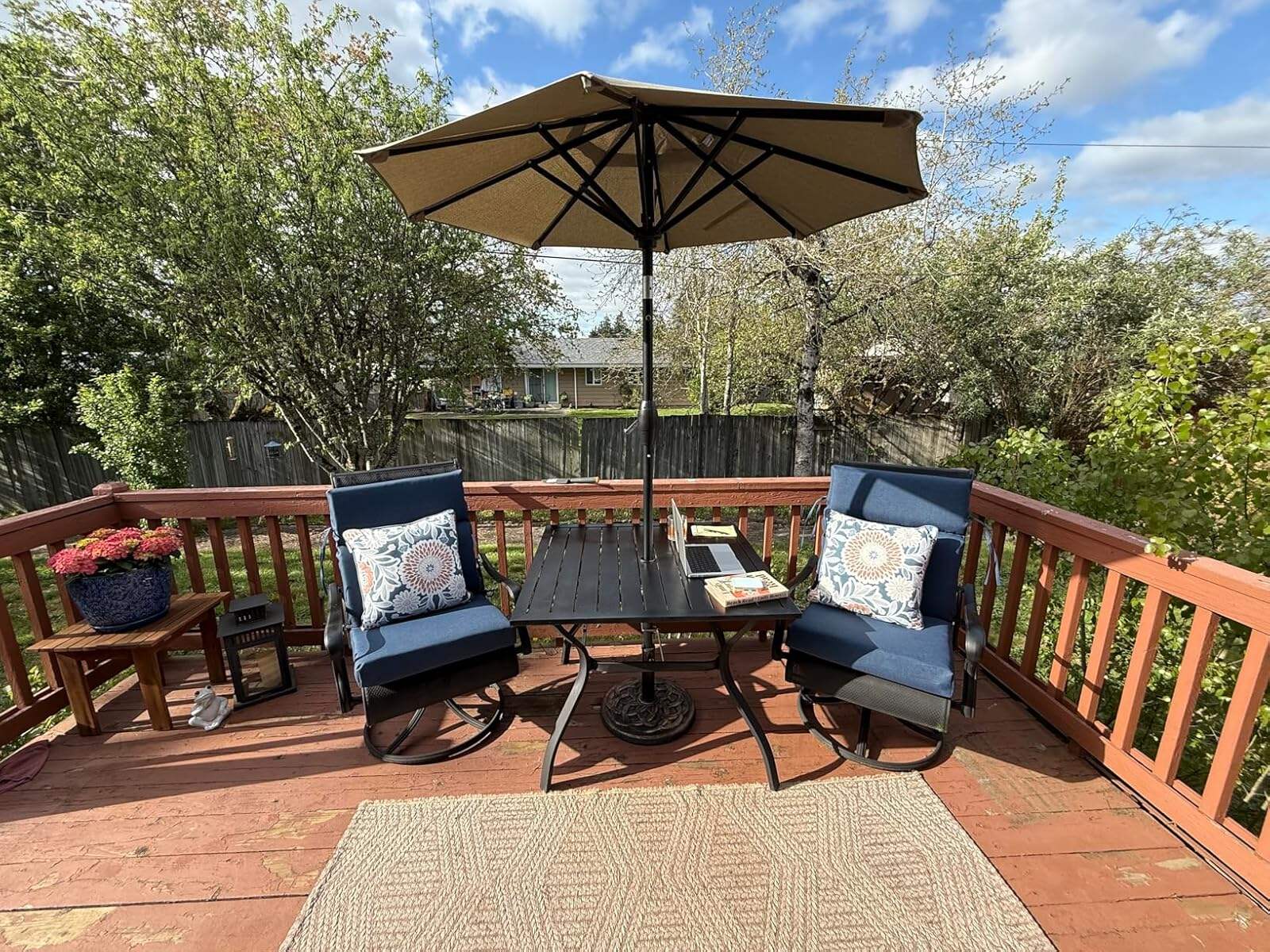
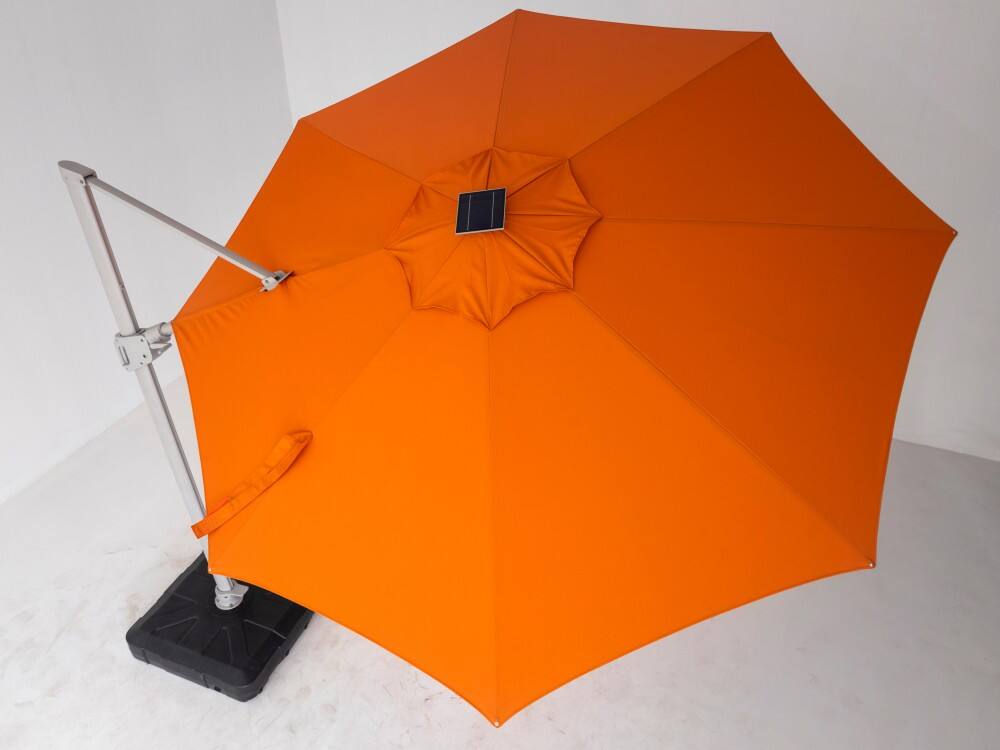
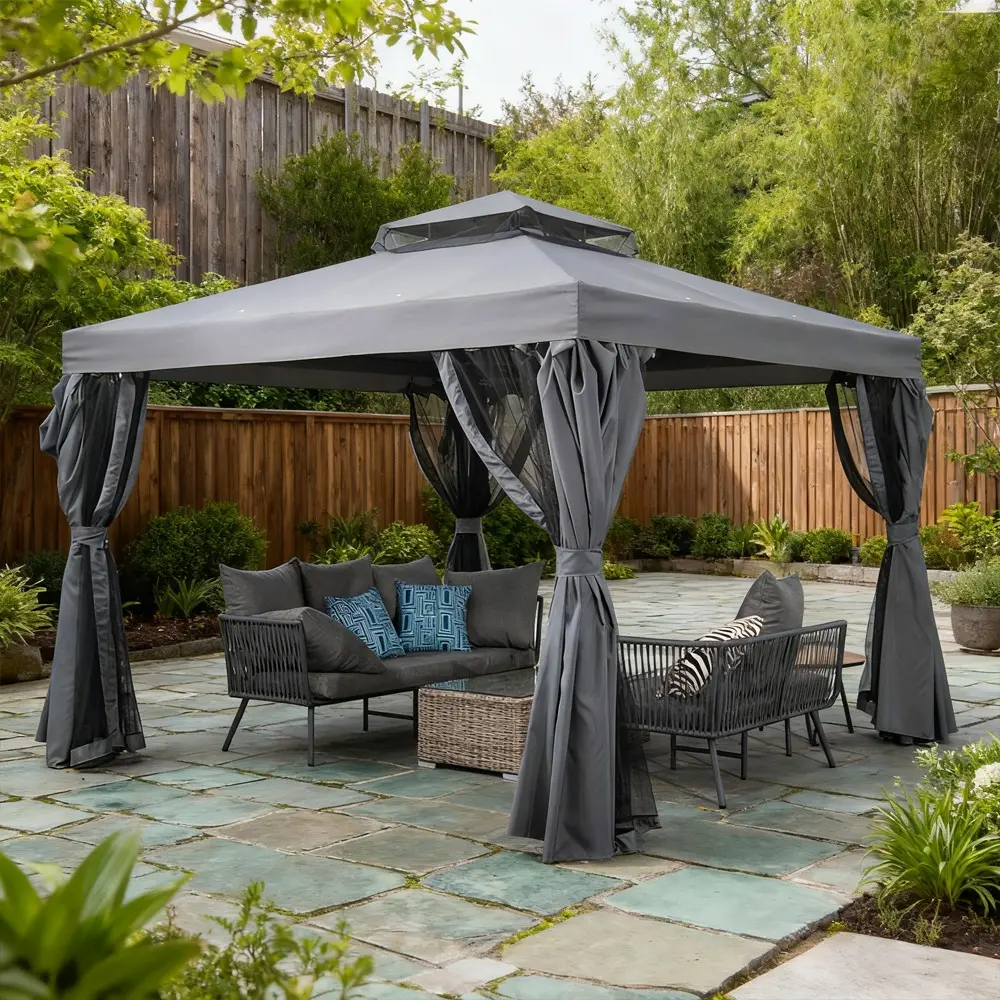
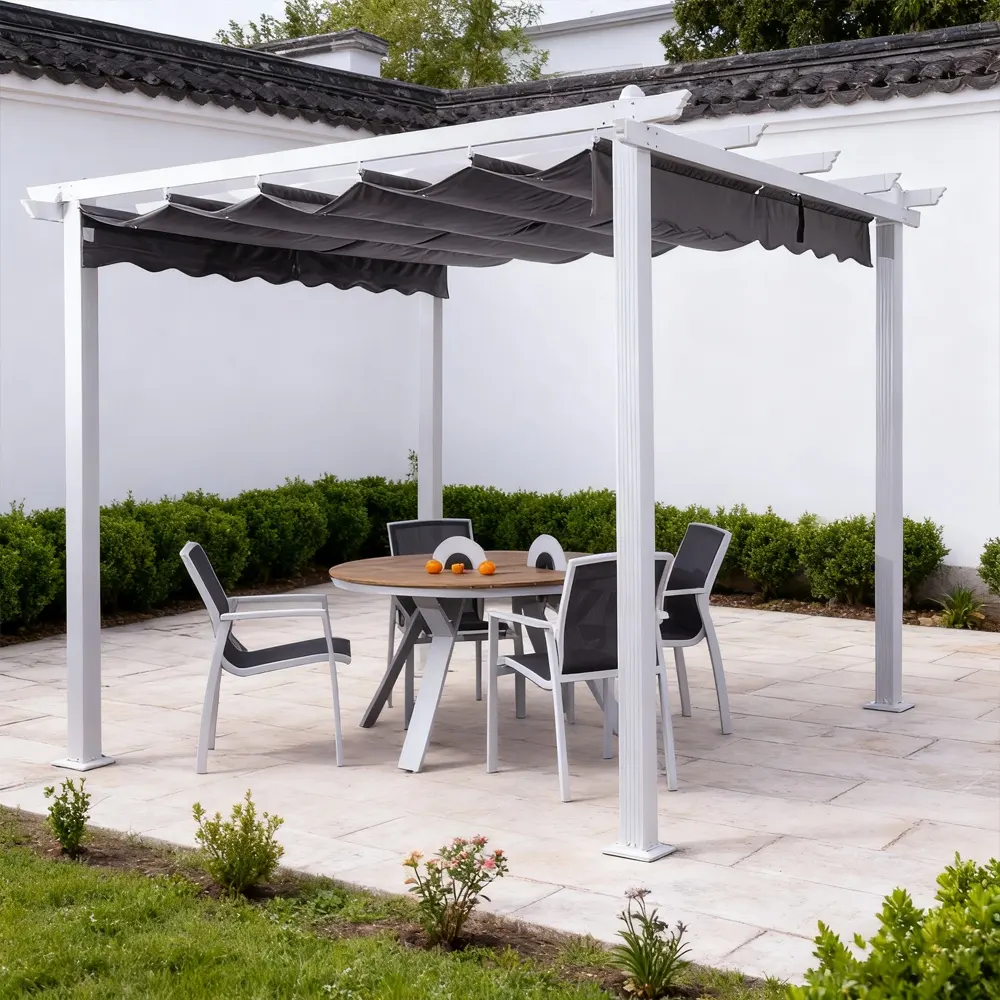
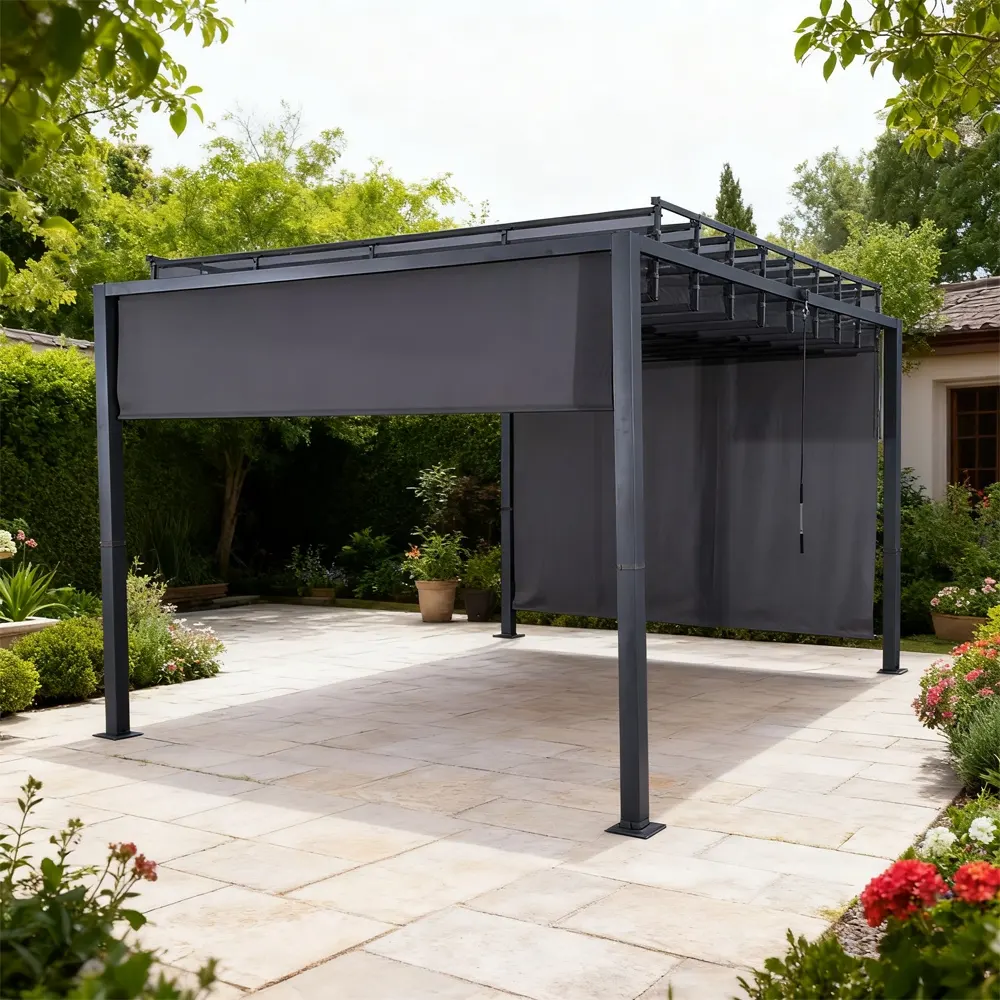
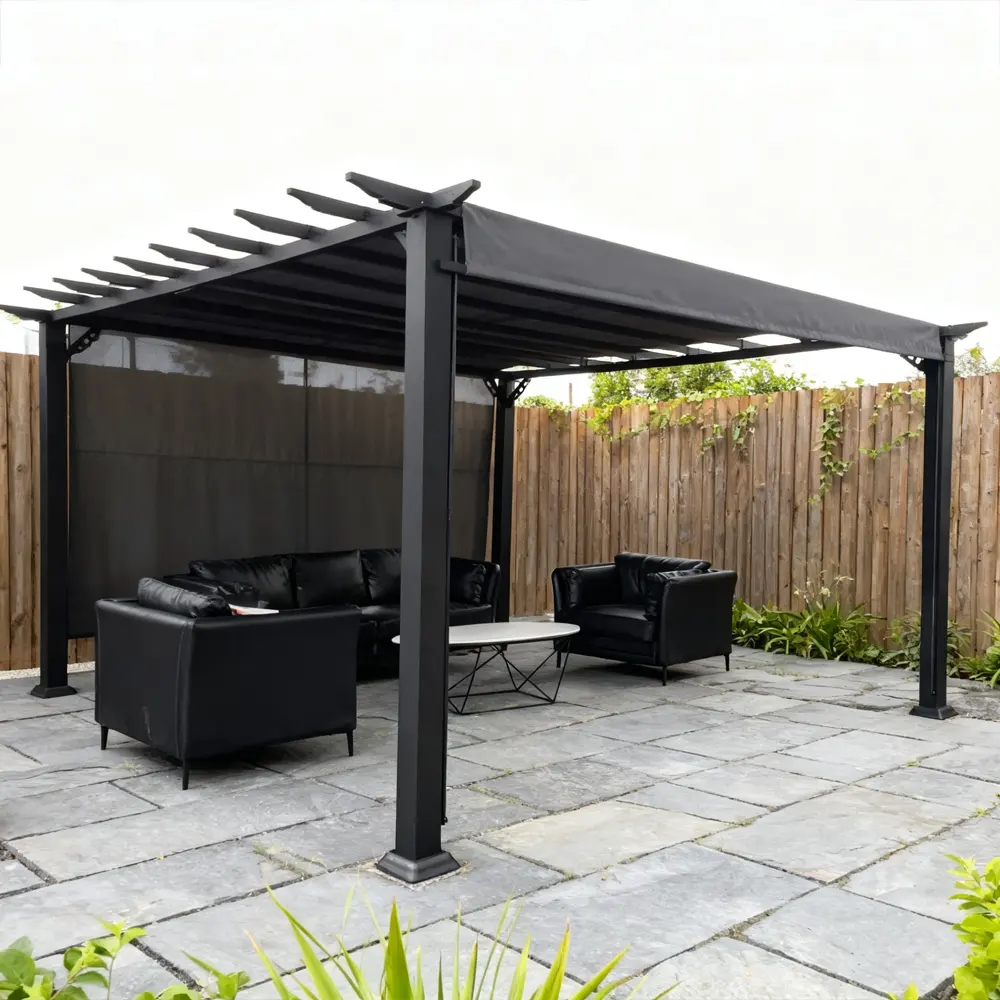
Fixed gazebos represent permanent outdoor structures designed to enhance residential and commercial spaces with enduring elegance and functionality. These architectural features combine aesthetic appeal with practical utility, creating dedicated outdoor living areas that withstand seasonal changes and weather variations. Unlike temporary or portable alternatives, fixed gazebos establish permanent focal points in landscapes while providing reliable shelter and entertainment spaces. The construction methodology of fixed gazebos emphasizes durability through reinforced foundation systems, weather-resistant materials, and engineered structural components. Premium materials including treated lumber, powder-coated aluminum, and composite materials ensure longevity against environmental factors such as moisture, UV radiation, and temperature fluctuations. Advanced construction techniques incorporate galvanized hardware, reinforced joints, and professional-grade fastening systems that maintain structural integrity over extended periods. Technological features of modern fixed gazebos include integrated electrical systems for lighting and ceiling fans, built-in seating arrangements, and customizable roofing options including traditional shingles, metal panels, or polycarbonate materials. Some models incorporate smart home integration capabilities, allowing remote control of lighting, heating elements, and entertainment systems. The applications of fixed gazebos span residential gardens, commercial hospitality venues, public parks, and recreational facilities. Homeowners utilize these structures for outdoor dining, relaxation spaces, and entertainment areas, while businesses employ them for customer seating, event hosting, and branded outdoor experiences. Educational institutions and healthcare facilities integrate fixed gazebos into therapeutic gardens and outdoor learning environments. The versatility of fixed gazebos accommodates various architectural styles from traditional Victorian designs to contemporary minimalist aesthetics, ensuring compatibility with existing landscape themes and building designs.
 EN
EN