 EN
EN
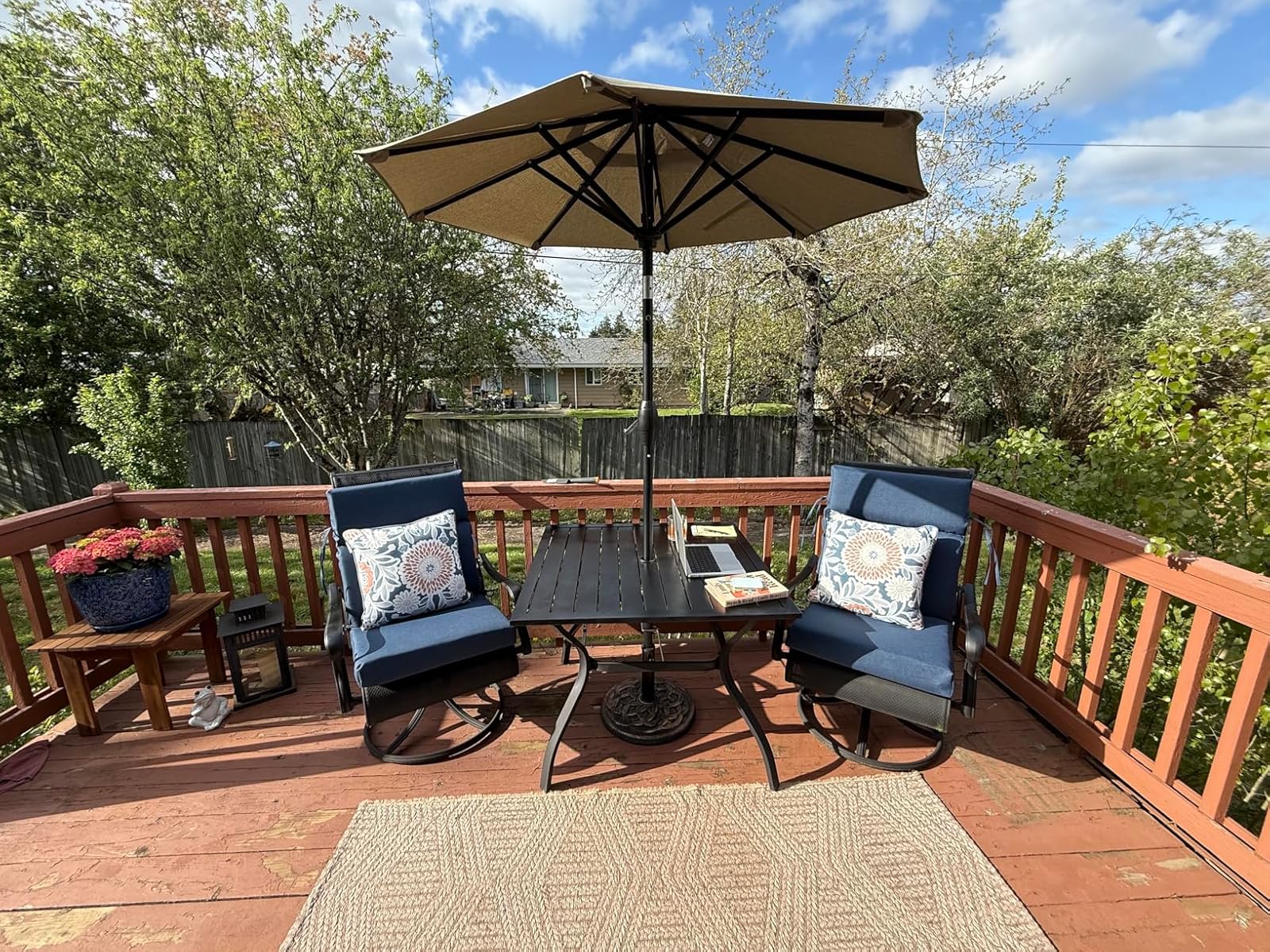
Creating the perfect outdoor space requires careful consideration of both comfort and functionality. Whether you're designing a cozy garden retreat or an expansive patio entertainment area, selecting the right shade solution is essential for maximizing your outdoor enjoyment. The right parasol can transform your outdoor space from a sun-scorched area into a comfortable oasis where you can relax, dine, and entertain guests throughout the day. Understanding the various options available, from traditional center-pole designs to modern cantilever umbrella systems, will help you make an informed decision that complements your outdoor lifestyle and space requirements.
Understanding Different Parasol Types and Designs
Traditional Center Pole Umbrellas
Traditional center pole umbrellas remain the most common choice for many outdoor spaces due to their straightforward design and reliable functionality. These umbrellas feature a central support pole that runs through the middle of the canopy, providing stable support and even weight distribution. The classic design works well for smaller patios, bistro tables, and intimate seating arrangements where the center pole doesn't interfere with furniture placement or movement around the space.
The main advantage of center pole designs lies in their simplicity and cost-effectiveness. They typically require less complex mechanisms and hardware, making them more affordable and easier to maintain over time. However, the central pole can limit furniture arrangement options and may obstruct views or create awkward spacing around dining tables. These umbrellas work best when integrated into outdoor furniture sets specifically designed to accommodate center pole configurations.
Cantilever and Offset Umbrella Systems
Modern outdoor design increasingly favors cantilever umbrella solutions for their versatility and space-efficient design. These innovative systems position the support pole to one side of the canopy, creating an unobstructed shaded area underneath. This design allows for maximum furniture placement flexibility and eliminates the common problem of center poles interfering with seating arrangements or table configurations.
The engineering behind cantilever systems involves sophisticated counterweight and pivot mechanisms that maintain stability while providing 360-degree rotation capabilities. Many models feature tilting functions that allow users to adjust the angle of shade throughout the day as the sun moves across the sky. This adaptability makes cantilever umbrellas particularly valuable for larger outdoor spaces where shade requirements change based on time of day and seasonal sun patterns.
Size Considerations and Space Planning
Measuring Your Outdoor Area
Accurate measurement of your outdoor space is crucial for selecting an appropriately sized parasol that provides adequate coverage without overwhelming the area. Begin by measuring the dimensions of your patio, deck, or garden area where you plan to place the umbrella. Consider not only the physical space but also the areas where you'll need shade protection, including seating areas, dining spaces, and walkways.
When planning for cantilever umbrella placement, account for the swing radius and rotation capabilities of the system. These umbrellas require clearance space around their base to function properly, and the extended arm needs sufficient room to rotate without encountering obstacles like walls, railings, or overhead structures. Factor in a minimum of two feet of clearance on all sides of the umbrella's maximum extended position.
Matching Umbrella Size to Furniture Scale
The relationship between your parasol size and outdoor furniture scale directly impacts both functionality and visual appeal. For dining areas, the umbrella canopy should extend at least two feet beyond the edges of the table on all sides to provide adequate shade for seated guests. This guideline ensures that people can move around the table and pull out chairs without stepping into direct sunlight.
Larger seating arrangements and multiple furniture groupings may require oversized umbrellas or multiple smaller units strategically placed throughout the space. Consider the traffic flow patterns in your outdoor area and how the umbrella placement will affect movement between different zones. A well-planned parasol installation enhances the usability of your entire outdoor space rather than creating obstacles or awkward navigation paths.
Material Quality and Weather Resistance
Canopy Fabric Selection
The canopy material significantly impacts both the durability and performance of your parasol investment. High-quality outdoor fabrics must withstand constant exposure to UV radiation, moisture, wind, and temperature fluctuations while maintaining their color and structural integrity. Solution-dyed acrylic fabrics represent the gold standard for outdoor umbrella canopies, offering superior fade resistance and water repellency.
Polyester fabrics with specialized UV-resistant coatings provide a more budget-friendly alternative while still delivering reliable protection and longevity. The weave density of the fabric affects both UV protection levels and air circulation underneath the parasol. Tighter weaves offer better sun protection but may create stuffier conditions in still air, while looser weaves allow more airflow but provide less UV blocking capability.
Consider the color and pattern of your canopy fabric as these choices affect both aesthetic appeal and practical performance. Darker colors tend to provide better UV protection but may absorb more heat, while lighter colors reflect heat but may show dirt and stains more readily. Neutral tones and classic patterns typically offer the most versatility for changing outdoor décor themes and furniture arrangements.
Frame Construction and Hardware
The frame construction determines the structural integrity and longevity of your parasol investment. Aluminum frames offer excellent corrosion resistance and lightweight handling while providing sufficient strength for most residential applications. Marine-grade aluminum with powder coating or anodized finishes delivers enhanced durability in coastal environments where salt air accelerates corrosion processes.
Steel frame construction provides superior strength and stability, particularly important for larger cantilever umbrella systems that must support significant canopy loads in windy conditions. Look for steel frames with hot-dip galvanizing or specialized powder coating that prevents rust formation and maintains appearance over time. The joint mechanisms, pivot points, and adjustment hardware should feature stainless steel or bronze components that resist seizing and corrosion.
Installation and Placement Strategies
Base Selection and Stability
Proper base selection is critical for safe and stable parasol operation, particularly for larger cantilever designs that generate significant leverage forces. The base weight requirements vary depending on umbrella size, design type, and local wind conditions. Traditional center pole umbrellas typically require bases weighing 40-75 pounds, while cantilever systems may need bases exceeding 200 pounds for safe operation.
Fillable bases offer flexibility for storage and transportation while allowing users to adjust weight based on seasonal conditions and umbrella configurations. Water-filled bases provide adequate weight for moderate conditions but may require additives to prevent freezing in cold climates. Sand-filled bases offer superior stability and don't require seasonal maintenance, but they create permanently heavy installations that are difficult to relocate.
Positioning for Optimal Performance
Strategic positioning maximizes the effectiveness of your parasol while minimizing potential problems from wind exposure and structural obstacles. Consider the prevailing wind directions in your area and position the umbrella to minimize broadside wind exposure during typical weather conditions. Cantilever umbrella systems with rotation capabilities can be adjusted to present their narrow profile to strong winds, reducing the risk of damage and improving stability.
The proximity to buildings, fences, and landscaping affects both wind patterns and shade effectiveness throughout the day. Positioning your parasol near walls or structures can create wind tunnel effects that increase stress on the umbrella frame and hardware. Conversely, natural windbreaks like hedges or garden walls can provide protection from gusty conditions while still allowing adequate air circulation for comfort.
Maintenance and Seasonal Care
Regular Cleaning and Inspection
Consistent maintenance extends the life of your parasol investment and ensures safe operation throughout its service life. Regular cleaning of the canopy fabric prevents the accumulation of dirt, pollen, and organic matter that can cause staining and fabric degradation over time. Use mild soap solutions and soft brushes to clean the canopy, avoiding harsh chemicals that may damage UV-resistant coatings or fade the fabric colors.
Inspect the frame components, pivot points, and adjustment mechanisms monthly during the active season to identify potential problems before they become serious issues. Lubricate moving parts according to manufacturer recommendations, typically using marine-grade lubricants that resist water washout and provide long-lasting protection. Check all fasteners and hardware for tightness and signs of wear or corrosion that could compromise structural integrity.
Seasonal Storage and Protection
Proper seasonal storage protects your parasol from harsh winter weather conditions that can cause premature wear and damage. Remove and clean the canopy fabric thoroughly before storage, ensuring it is completely dry to prevent mold and mildew growth. Store the fabric in a cool, dry location away from direct sunlight and sharp objects that could cause tears or punctures.
Frame components should be cleaned and inspected before winter storage, with all adjustment mechanisms exercised and lubricated to prevent seizing during the off-season. For cantilever umbrella systems, pay particular attention to the pivot and rotation mechanisms, as these complex assemblies are most susceptible to weather-related problems. Cover or store the frame components in a protected environment to minimize exposure to moisture and temperature cycling.
FAQ
What size parasol do I need for a standard patio dining set
For a typical 4-6 person patio dining table measuring 48-60 inches, you'll need a parasol with a canopy diameter of at least 9-10 feet to provide adequate shade coverage. The umbrella should extend approximately 24 inches beyond the table edges on all sides to ensure seated guests remain shaded and can move chairs without stepping into direct sunlight. Larger tables or L-shaped seating arrangements may require 11-13 foot canopies or multiple umbrella installations for complete coverage.
How much weight do I need in my umbrella base
Base weight requirements depend on your umbrella size and type, with center pole umbrellas typically needing 40-75 pounds of base weight, while cantilever umbrellas require 150-300 pounds depending on canopy size. As a general rule, plan for 10-15 pounds of base weight per foot of canopy diameter for center pole designs, and 25-35 pounds per foot for cantilever systems. Always consult manufacturer specifications and consider local wind conditions when selecting base weights.
Can I leave my parasol open during light rain
While quality outdoor umbrellas are designed to handle light moisture, it's generally recommended to close your parasol during rain to prevent water accumulation and potential damage. Standing water on the canopy creates additional weight and stress on the frame, while wind-driven rain can cause fabric stretching and hardware corrosion over time. If caught in unexpected light rain, tilt the umbrella to encourage water runoff and close it as soon as safely possible.
How often should I replace my parasol canopy
High-quality parasol canopies typically last 3-7 years depending on fabric quality, usage intensity, and environmental exposure. Solution-dyed acrylic fabrics generally provide the longest service life, while budget polyester options may require replacement every 2-3 years. Signs that indicate canopy replacement needs include significant fading, fabric tears or weak spots, loss of water repellency, and reduced UV protection effectiveness. Regular cleaning and proper storage can extend canopy life significantly beyond minimum expectations.