
 EN
EN
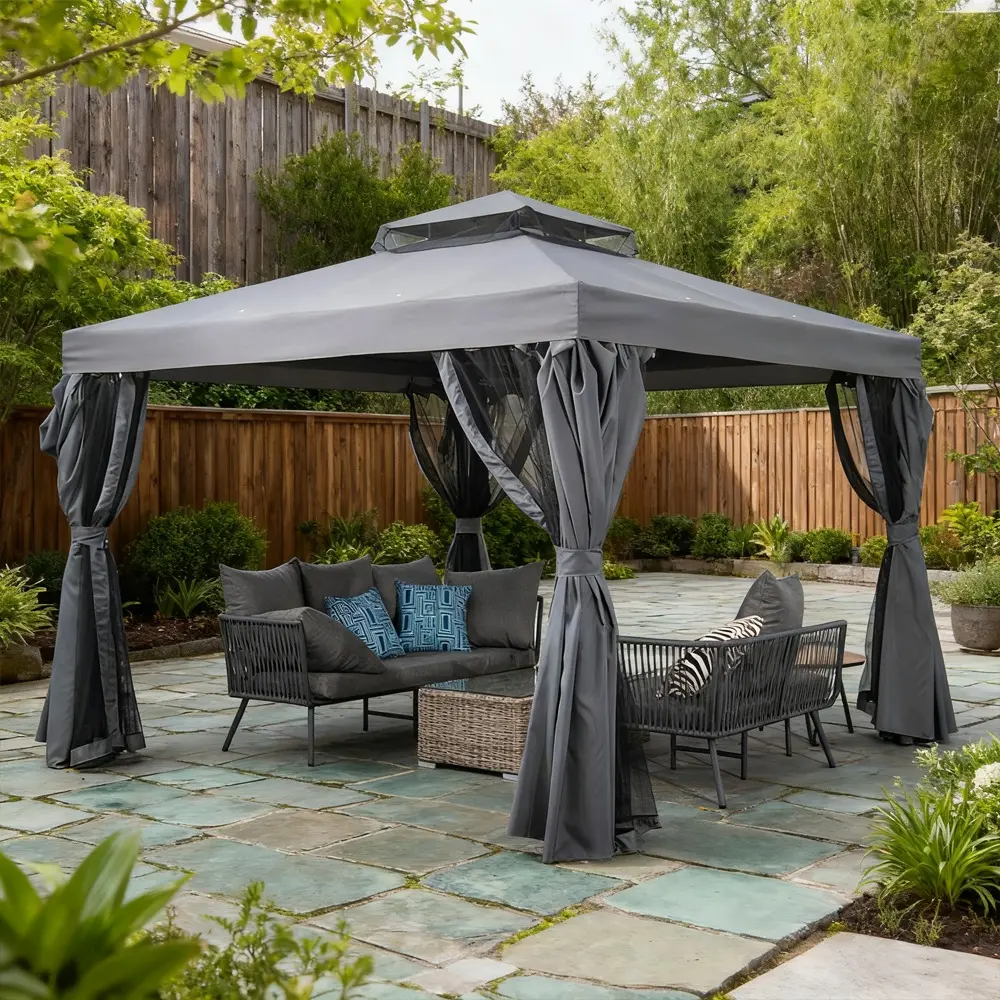
Transform your outdoor living space with thoughtfully selected gazebo designs that seamlessly blend functionality with aesthetic appeal. Modern homeowners increasingly recognize the value of well-designed outdoor structures that serve as focal points while providing practical shelter and entertainment areas. Whether you're planning intimate gatherings or creating a peaceful retreat in your garden, the right gazebo design can dramatically enhance your property's visual appeal and usability. These versatile structures offer protection from the elements while establishing defined spaces that encourage outdoor living throughout the seasons.
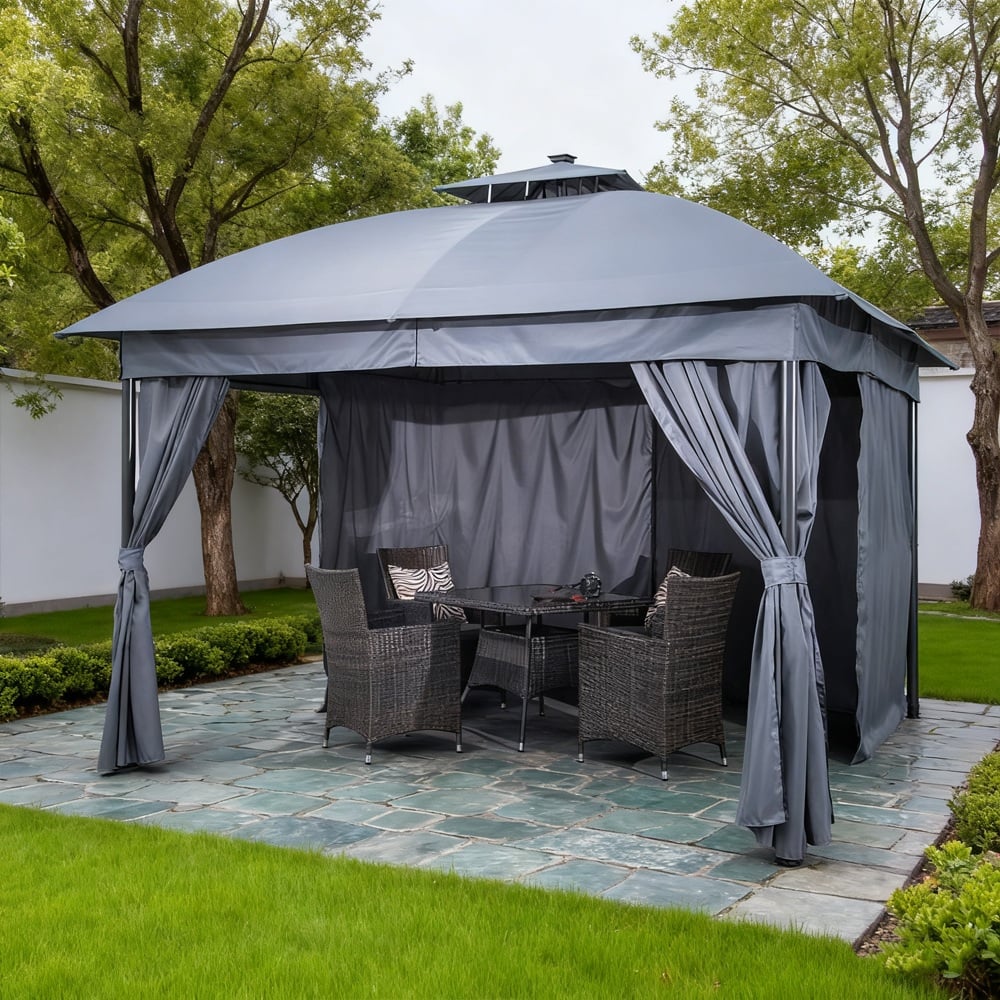
Contemporary Architectural Styles for Modern Outdoor Spaces
Minimalist Steel Frame Constructions
Clean lines and geometric precision define contemporary steel frame gazebo designs that complement modern architectural aesthetics. These structures emphasize simplicity through streamlined profiles and neutral color palettes that integrate seamlessly with contemporary home designs. The use of powder-coated steel components ensures long-lasting durability while maintaining the sleek appearance that modern homeowners prefer. Strategic placement of these gazebos can create stunning visual connections between indoor and outdoor living areas.
Light steel construction offers remarkable flexibility in design customization while providing exceptional structural integrity. Advanced manufacturing techniques enable the creation of complex geometric patterns and innovative roof configurations that serve as architectural statements. These gazebo designs often incorporate asymmetrical elements and bold angular features that challenge traditional outdoor structure conventions. The integration of modern materials with classic gazebo functionality results in structures that feel both timeless and cutting-edge.
Glass and Metal Fusion Concepts
Sophisticated combinations of tempered glass panels with metal frameworks create gazebo designs that maximize natural light penetration while maintaining weather protection. These hybrid structures blur the boundaries between indoor and outdoor environments through transparent or translucent elements that preserve visual connections with surrounding landscapes. Strategic glass placement can frame specific garden views while creating intimate spaces protected from wind and precipitation. The interplay between solid and transparent materials adds depth and visual interest to the overall design composition.
Innovative glazing technologies enable the integration of smart glass systems that can transition from transparent to opaque based on weather conditions or privacy requirements. These advanced gazebo designs incorporate automated systems that respond to environmental changes while maintaining elegant aesthetic profiles. The combination of high-performance glass with precision-engineered metal components results in structures that perform exceptionally well across diverse climate conditions.
Traditional Design Elements with Modern Functionality
Victorian-Inspired Ornamental Features
Classic Victorian gazebo designs continue to captivate homeowners who appreciate ornate detailing and romantic architectural elements. These structures feature elaborate scrollwork, decorative brackets, and intricate lattice patterns that create visual richness and historical charm. Modern manufacturing techniques enable the reproduction of complex Victorian details while incorporating contemporary materials that offer superior durability and reduced maintenance requirements. The timeless appeal of Victorian-inspired gazebo designs ensures they remain relevant across changing design trends.
Contemporary interpretations of Victorian gazebo designs often simplify traditional ornamental elements while preserving the essential character and proportions that define this architectural style. Selective use of decorative features prevents overwhelming smaller outdoor spaces while maintaining the distinctive charm associated with Victorian aesthetics. These gazebo designs work particularly well in established gardens where mature plantings provide appropriate scale and context for ornate architectural details.
Rustic Timber Construction Methods
Natural wood gazebo designs celebrate organic materials and traditional craftsmanship techniques that create warm, inviting outdoor spaces. Cedar, teak, and pressure-treated pine offer excellent weather resistance while developing attractive patinas that enhance visual appeal over time. Hand-crafted joinery techniques and carefully selected timber grades ensure structural integrity while showcasing the natural beauty of wood grain patterns and textures. These gazebo designs integrate harmoniously with landscape settings that emphasize natural materials and informal design approaches.
Sustainable forestry practices and eco-friendly treatment methods enable the creation of environmentally responsible timber gazebo designs that minimize environmental impact while maximizing aesthetic value. Modern preservation techniques extend the lifespan of wooden structures significantly while maintaining their natural appearance and tactile qualities. Strategic timber selection and careful detailing result in gazebo designs that age gracefully while requiring minimal ongoing maintenance.
Innovative Roofing Solutions and Weather Protection
Multi-Layer Fabric Systems
Advanced fabric roofing technologies have revolutionized gazebo designs by offering superior weather protection combined with aesthetic versatility and easy maintenance. High-performance textiles engineered specifically for outdoor applications provide excellent UV resistance, water repellency, and wind tolerance while maintaining attractive appearances throughout extended use periods. Double-fabric roof systems create insulating air gaps that improve thermal comfort while reducing condensation issues common in traditional roofing materials.
Modular fabric systems enable seasonal customization of gazebo designs through interchangeable panels that accommodate changing weather conditions and functional requirements. Lightweight fabric construction reduces structural loading requirements while offering design flexibility unavailable with rigid roofing materials. Color and pattern options in modern outdoor fabrics allow homeowners to coordinate gazebo designs with existing landscape elements and architectural features.
Retractable and Adjustable Canopy Options
Motorized retractable roofing systems transform static gazebo designs into versatile outdoor rooms that adapt to changing weather conditions and usage requirements. These sophisticated mechanisms enable effortless transition between fully enclosed and completely open configurations while maintaining structural stability and weather sealing. Advanced control systems can integrate with smart home technologies to provide automated responses to weather sensors and user preferences.
Manual adjustment mechanisms offer cost-effective alternatives to motorized systems while providing excellent flexibility in gazebo configuration options. Telescoping poles, sliding panels, and pivoting roof sections enable users to customize their outdoor shelter based on immediate needs and environmental conditions. These adaptable gazebo designs maximize usability throughout changing seasons while maintaining elegant aesthetic profiles.
Integration with Landscape and Garden Features
Complementary Planting Strategies
Thoughtful plant selection and placement can dramatically enhance the visual impact and functional performance of gazebo designs within broader landscape compositions. Climbing vines and flowering shrubs create natural privacy screens while softening hard architectural edges through organic forms and seasonal color variations. Strategic placement of fragrant plants near gazebo structures enhances the sensory experience of outdoor spaces while attracting beneficial wildlife that contributes to healthy garden ecosystems.
Seasonal succession planting ensures continuous visual interest throughout the growing season while providing changing backdrops that keep gazebo designs feeling fresh and dynamic. Careful consideration of mature plant sizes prevents overcrowding while ensuring adequate clearance for structural maintenance and air circulation. Integration of native plant species reduces irrigation requirements while supporting local wildlife populations and creating authentic regional landscape character.
Water Feature and Lighting Coordination
Coordinated water features enhance the tranquil atmosphere of gazebo spaces while creating focal points that draw attention to carefully designed architectural elements. Fountain systems, pond installations, and stream features provide soothing background sounds that mask neighborhood noise while establishing peaceful retreat environments. Strategic placement of water elements requires careful consideration of sight lines, acoustics, and maintenance access to ensure long-term success and enjoyment.
Integrated lighting systems extend the usability of gazebo designs into evening hours while creating dramatic visual effects that showcase architectural details and landscape features. LED technology offers energy-efficient illumination options with exceptional longevity and minimal heat generation. Layered lighting approaches combine ambient, task, and accent lighting to create versatile outdoor environments suitable for various activities and moods.
Construction Materials and Durability Considerations
Weather-Resistant Material Selection
Modern gazebo designs benefit from advanced materials that offer superior weather resistance while maintaining attractive appearances throughout extended exposure to harsh environmental conditions. Composite materials combine the aesthetic appeal of natural wood with enhanced durability and reduced maintenance requirements. Marine-grade hardware and corrosion-resistant fasteners ensure structural connections remain secure despite exposure to moisture, temperature fluctuations, and seasonal weather patterns.
Powder coating technologies provide exceptional protection for metal components while offering extensive color and texture options that coordinate with diverse architectural styles. UV-stable pigments and advanced resin formulations prevent fading and chalking while maintaining smooth, attractive surface finishes. Regular cleaning with mild detergents maintains the appearance of coated surfaces while preventing the accumulation of environmental contaminants that can compromise protective coatings.
Foundation and Anchoring Systems
Proper foundation design ensures the long-term stability and performance of gazebo structures while preventing settlement issues that can compromise structural integrity and aesthetic appeal. Concrete footings sized appropriately for local soil conditions and wind loads provide stable platforms that accommodate seasonal ground movement without affecting structural alignment. Elevated foundation systems improve drainage while preventing moisture-related deterioration of structural components.
Adjustable anchoring systems accommodate minor site irregularities while ensuring level installation on challenging terrain. Stainless steel anchor bolts and galvanized connection hardware provide exceptional corrosion resistance in diverse environmental conditions. Professional installation ensures proper foundation preparation and structural assembly while maintaining manufacturer warranties and building code compliance.
FAQ
What size gazebo design works best for small patios
Compact gazebo designs measuring 8x8 feet or 10x10 feet provide adequate coverage for small patios while maintaining proper proportions that don't overwhelm limited outdoor spaces. Consider the available clearance around the structure and ensure adequate circulation space for furniture placement and comfortable movement. Vertical emphasis through taller proportions can create the illusion of larger space while providing excellent headroom for various activities.
How do different roofing materials affect gazebo design durability
Metal roofing systems typically offer the longest service life with minimal maintenance requirements, while fabric roofing provides excellent weather protection with easier replacement when needed. Solid roofing materials like metal or composite panels provide superior weather protection but may require more substantial structural support. Fabric systems offer lighter weight construction with excellent ventilation properties but may need periodic replacement depending on environmental exposure and fabric quality.
What permits are required for permanent gazebo installation
Most permanent gazebo installations require building permits and must comply with local setback requirements, height restrictions, and structural codes. Temporary or portable gazebo designs typically don't require permits but may be subject to homeowner association guidelines or local ordinances. Consult with local building officials early in the planning process to understand specific requirements and ensure compliance with applicable regulations before beginning construction.
How can gazebo designs be customized for specific climate conditions
Wind-resistant designs incorporate lower profiles and reinforced structural connections for areas prone to severe weather conditions, while sun protection features like UV-blocking fabrics and strategic orientation become priorities in extremely sunny climates. Snow load considerations require stronger roof structures and steeper pitches in regions with heavy winter precipitation. Ventilation features and insect screening systems enhance comfort in humid climates while enclosed options provide better protection in harsh winter conditions.