
 EN
EN
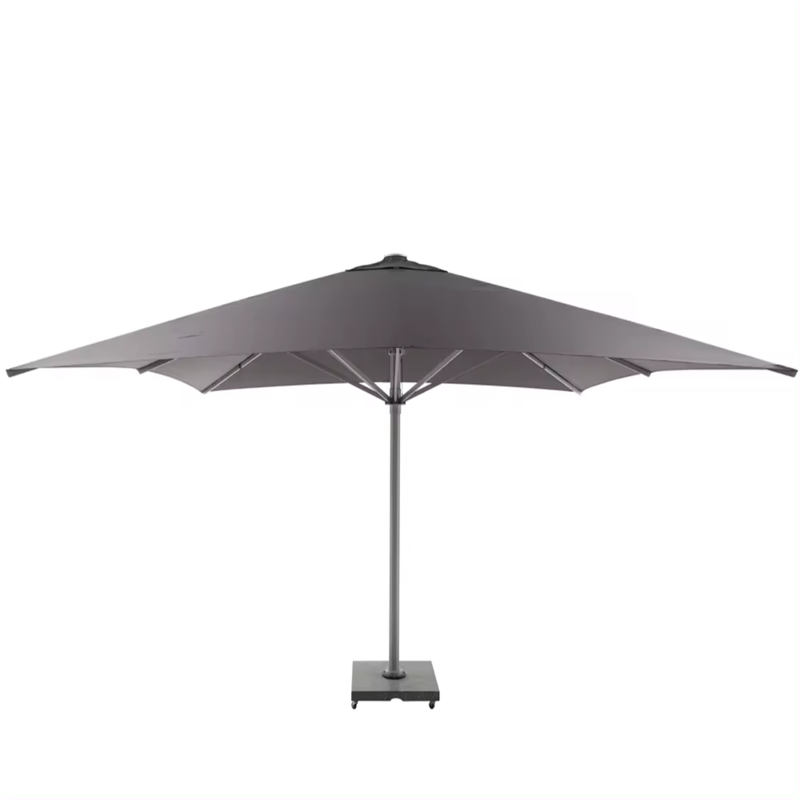
Enhancing Outdoor Environments with Practical Parasol Design
A modern parasol is more than a shading device. In today’s outdoor living and commercial landscaping, the parasol plays a crucial role in elevating functional comfort and visual cohesion. Whether used in residential gardens, hotel patios, poolside lounges, cafés or event spaces, a parasol provides shading, improves usability of outdoor areas, and enhances spatial identity. With advancements in materials, construction, and aesthetic versatility, the parasol has become a central element in outdoor planning, helping users enjoy fresh air without compromising comfort or style.
Thanks to innovative engineering and durable fabric development, the modern parasol is capable of withstanding extended exposure to sunlight, humidity, and daily movement. This makes it a practical solution for businesses aiming to optimize outdoor seating impactively and for homeowners looking to expand their living areas into functional garden landscapes. A parasol contributes to overall usability by providing flexible coverage, enhancing ambience, and supporting long-term outdoor enjoyment.
Exploring Performance-Oriented Parasol Models
Structural Innovations in Modern Parasol Engineering
Recent improvements in parasol frame engineering have dramatically enhanced structural performance. Lightweight yet strong aluminum alloy frames offer superior resistance to corrosion, making the parasol suitable for environments exposed to moisture, such as poolsides or coastal locations. Many high-end parasol models incorporate reinforced joints and wind-resistant geometry, allowing stable performance even in challenging outdoor conditions.
This structural evolution ensures that the parasol delivers both reliability and ease of operation. Smooth rotation systems, efficient lifting mechanisms, and simplified tilt functions allow users to change shading angles efficiently. These engineering upgrades also reduce maintenance requirements, making the parasol a long-lasting and cost-effective addition to any outdoor environment.
Fabric Durability and Long-Term Parasol Usability
Fabric selection significantly influences how well a parasol performs outdoors. High-density polyester and acrylic fabrics with UV-resistant coatings help maintain vibrant color and structural integrity even under strong sun exposure. The parasol canopy often includes layers of water-repellent protection, preventing water absorption and reducing the risk of mildew formation.
In commercial settings where outdoor equipment is frequently used, durable parasol fabric ensures reliability and reduces replacement frequency. Tear-resistant and fade-resistant materials extend the parasol’s lifespan, making it a dependable shading solution for hospitality businesses and residential users who value long-term performance.
Applications of Parasol Solutions in Modern Spaces
Residential Uses for a Modern Parasol
For residential gardens and patios, the parasol enhances both functionality and aesthetic appeal. Homeowners often position a parasol beside lounge chairs, outdoor sofas, dining sets or garden pathways to create comfortable shaded areas. Adjustable parasol angles help maintain consistent comfort throughout different times of day, while varied canopy sizes allow homeowners to coordinate shading with outdoor furniture layouts.
The parasol becomes a vital element in shaping a relaxing outdoor atmosphere, supporting family gatherings, reading areas and weekend leisure activities. When matched with garden décor and materials, a parasol adds visual harmony, contributing to an inviting and well-organized outdoor retreat.
Commercial Advantages of Using Parasol Systems
In commercial outdoor environments, the parasol significantly improves operational efficiency and customer satisfaction. Restaurants, cafés and resorts rely on parasol installations to expand seating while maintaining comfort under bright sunlight. Uniform parasol styles enhance branding consistency, while large canopy sizes provide broad coverage that can support multiple tables or lounge sets simultaneously.
A durable, easy-to-operate parasol minimizes downtime caused by weather changes. Heavy-duty bases, reinforced supporting arms and UV-resistant fabrics reduce long-term maintenance cost. For businesses aiming to increase outdoor revenue while maintaining aesthetics, the parasol becomes an indispensable part of exterior planning.
Style and Design Variations for Modern Parasol Options
Color Coordination Strategies for a Unified Outdoor Appearance
Color plays a major role in determining how well a parasol integrates with its surroundings. Light tones such as ivory, sand, and light gray create a refreshing and airy atmosphere suitable for modern minimalist designs. Darker shades like charcoal, navy blue and forest green add sophistication and pair well with luxury commercial settings or high-end private gardens.
Color selection influences not only visual cohesion but also perceived temperature and brightness. A light-colored parasol reflects sunlight, increasing the sense of openness, while darker tones create an intimate, structured atmosphere. Choosing a parasol color that harmonizes with flooring materials, outdoor furniture and natural elements ensures a visually balanced exterior environment.
Shape Diversity for Creative Parasol Expression
Modern parasol designs embrace diversity in shape and form. Beyond traditional circular and square models, today’s parasol options include rectangular, hexagonal, asymmetrical and curved canopies. These innovative shapes allow users to express individuality and add architectural depth to outdoor spaces.
A sculptural or geometric parasol can become the focal point of a patio or garden. It contributes to spatial storytelling and can even reinforce brand identity in commercial environments. When paired with coordinated seating and accent elements, the parasol enhances spatial personality and creates a high-impact outdoor presentation.
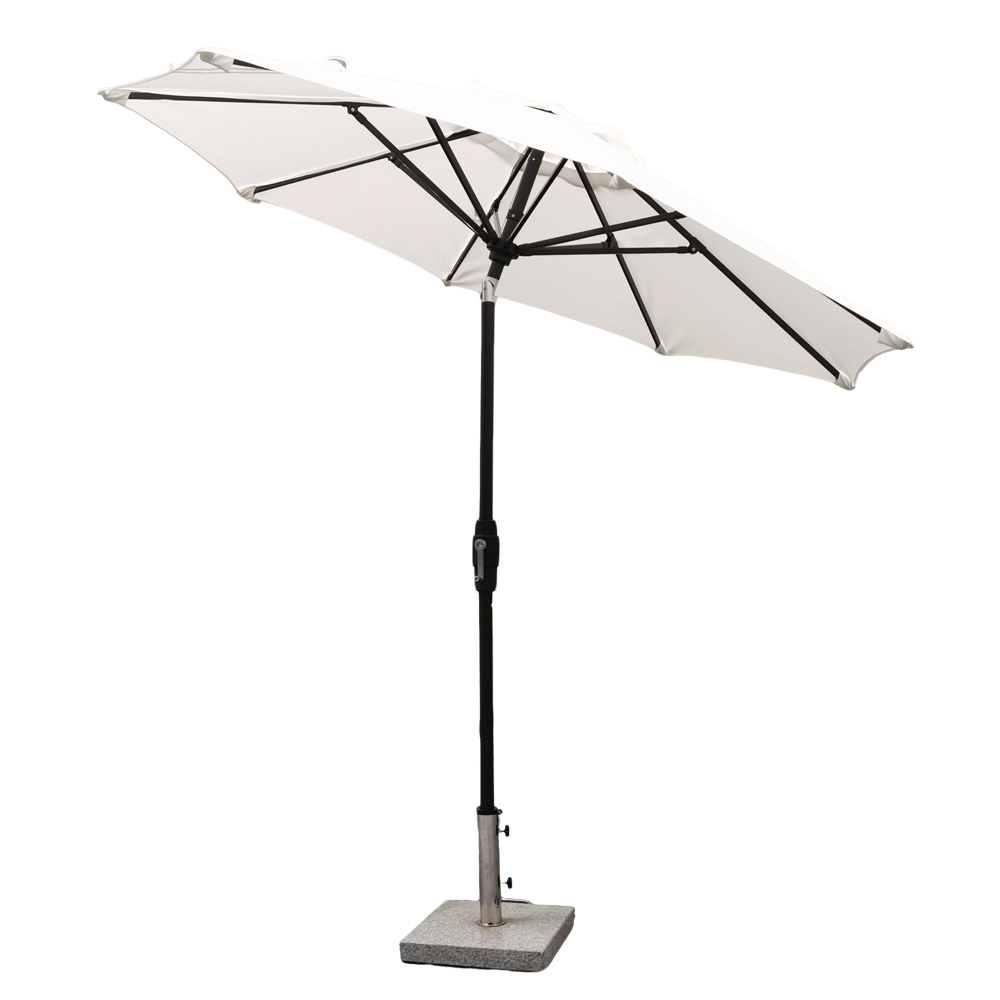
Placement Techniques for Maximizing Parasol Effectiveness
Residential Garden Parasol Positioning Strategies
Positioning the parasol strategically ensures maximum comfort and visual clarity in residential areas. Placing the parasol near seating clusters, poolside zones or garden resting areas provides direct shading where users spend the most time. Adjustable parasol designs allow homeowners to adapt coverage throughout seasonal changes.
The parasol should also reflect the scale of the garden. A well-sized parasol enhances visual proportion and avoids overshadowing smaller landscapes. Proper placement enhances usability, comfort and garden aesthetics, creating an inviting outdoor living environment.
Parasol Layouts for High-Traffic Commercial Venues
Commercial spaces must prioritize functionality and efficiency when arranging parasol installations. Aligning multiple parasol units in consistent spacing creates a clean, professional layout suited for restaurants, courtyards and resort terraces. Larger parasol canopies maximize shaded capacity and reduce the need for additional structures.
To ensure stability, commercial parasol bases and anchoring systems need to withstand continuous movement and high guest volume. Durable parasol materials supports long-term usage and reduces operational interruptions. Businesses benefit from an outdoor environment that feels comfortable, intentional and visually cohesive.
Faq
What materials are most common for premium parasol frames
High-end parasol frames are commonly made from aluminum alloy, stainless steel and reinforced steel materials, which offer strength, stability and corrosion resistance.
How long can a high quality parasol canopy last outdoors
A premium parasol canopy designed with UV-resistant and weatherproof fabric typically lasts multiple years outdoors, depending on maintenance and environmental exposure.
What factors should businesses evaluate when selecting parasol for outdoor operations
Businesses should consider canopy size, structural durability, fabric resilience, ease of adjustment, long-term maintenance requirements and compatibility with outdoor layouts.
Are technologically enhanced parasol options practical for commercial patios
Smart parasol solutions are highly practical, offering features such as solar-powered lighting, automatic wind sensors and improved operational safety for long-term outdoor use.