
 EN
EN
Enhancing Outdoor Comfort with Modern Parasol Design
In contemporary garden and patio environments, the parasol has transformed from a simple shading accessory into an essential outdoor design element. Whether placed in residential gardens, commercial patios, seaside venues, or resort landscapes, a parasol can significantly elevate outdoor comfort and aesthetic appeal. As outdoor living culture continues to grow, people are paying more attention to how a parasol can enhance the overall atmosphere, improve functionality, and integrate seamlessly with modern architectural styles.
Today’s parasol designs focus on durability, visual balance, and extended usability across various climates. With increasingly innovative materials and structural engineering, the modern parasol has become more resilient to strong sunlight, humidity, and seasonal changes. This makes the parasol not only a practical outdoor necessity but also a valuable design feature for businesses that aim to create welcoming and comfortable outdoor environments. For brands and enterprises operating in long-term commercial settings, selecting the right parasol can greatly influence customer experience and operational efficiency. The parasol offers flexibility, design value, and visual structure, making it an essential component of well-designed outdoor spaces.
Exploring Contemporary Parasol Applications
Structural Innovations in Parasol Frames
Modern parasol frames benefit significantly from advancements in material science. Traditional wooden frames are now often replaced by aluminum alloy or stainless steel frames, which offer superior corrosion resistance and enhanced rigidity. These materials allow the parasol to withstand seaside humidity, frequent movement, and long-term exposure to the elements. Lightweight construction also makes the parasol easier to transport and position, while improved stability ensures reliable performance during windy conditions.
Some parasol models integrate aerodynamic engineering, enabling smoother airflow around the canopy. This reduces wind resistance and improves structural safety. For high-usage environments such as hotels, cafés, and leisure venues, these engineering improvements enhance both safety and longevity, making the parasol an even more valuable investment.
Modern Parasol Fabrics for Extended Lifespan
The durability of parasol fabric plays a major role in outdoor performance. High-quality parasol canopies increasingly use polyester or acrylic fibers, known for exceptional UV resistance and long-lasting color retention. Even after long periods of sun exposure, these fabrics maintain their vibrant appearance and shading function.
Many advanced parasol fabrics also incorporate nano-coating technology, providing water repellency and resistance to mold, dust, and environmental pollutants. For commercial users who require a parasol that can withstand heavy daily use, high-density, tear-resistant fabrics ensure extended lifespan and reduced maintenance costs. With these features, the parasol becomes not just a decorative element but a durable, high-value outdoor solution.
Functional Improvements in Parasol Technology
Parasol Features for Commercial Outdoor Spaces
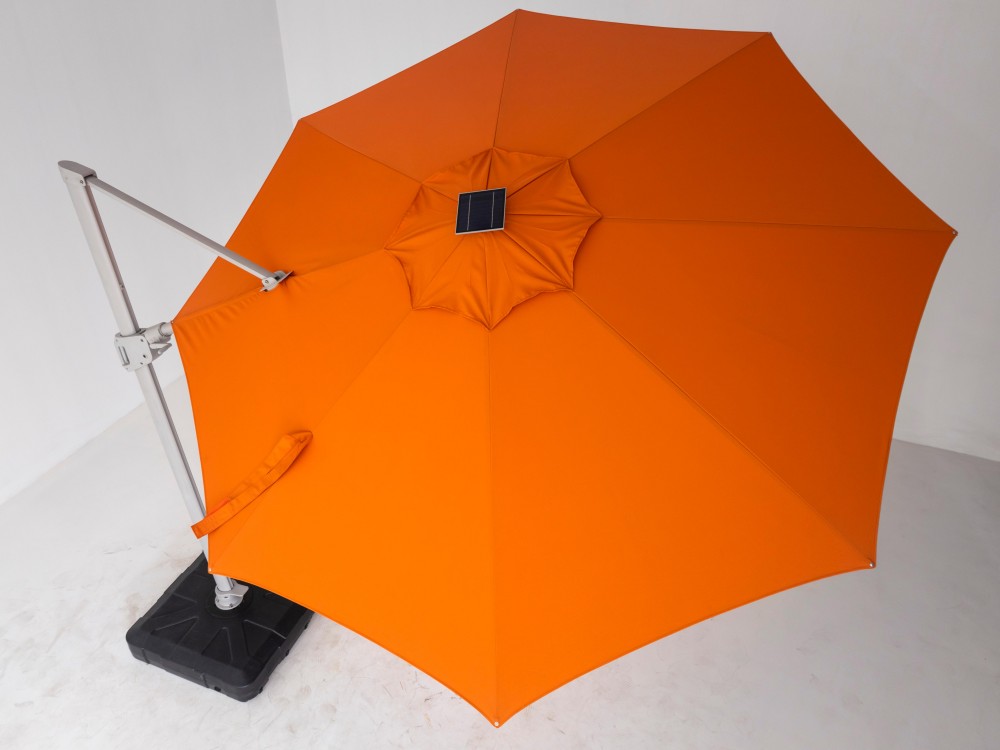
Commercial outdoor environments require parasol designs that offer both flexibility and efficiency. Adjustable parasol mechanisms allow users to reposition the canopy based on the sun’s movement, maximizing shading coverage throughout the day. Many modern parasol models include easy-lift or sliding mechanisms that simplify daily use for restaurant or hospitality staff.
Modular bases, wheeled supports, and extended-coverage canopy designs also enhance usability for businesses operating large outdoor areas. Oversized parasol models can provide shading for multiple tables or seating areas at once, increasing the functional capacity of outdoor spaces. For businesses aiming to improve customer comfort, a parasol with stable weather resistance and easy maintenance is an essential outdoor investment.
Integration of Smart Technology in Parasol Design
The integration of technology has taken the modern parasol to the next level. Smart parasol systems may include solar panels embedded on the canopy surface, capable of powering LED lighting, small electronic devices, or ambient night illumination. These features make the parasol suitable for evening operations in cafés, resorts, and private gatherings.
Some parasol models also incorporate intelligent wind-sensing systems that automatically close the canopy when wind speed exceeds a safe threshold. This prevents damage and reduces the risk of the parasol collapsing unexpectedly. For commercial environments that prioritize safety and operational reliability, these smart parasol features offer significant practical advantages and enhance the overall outdoor experience.
Parasol Aesthetics and Style Options
Color Themes That Pair Well with Outdoor Landscapes
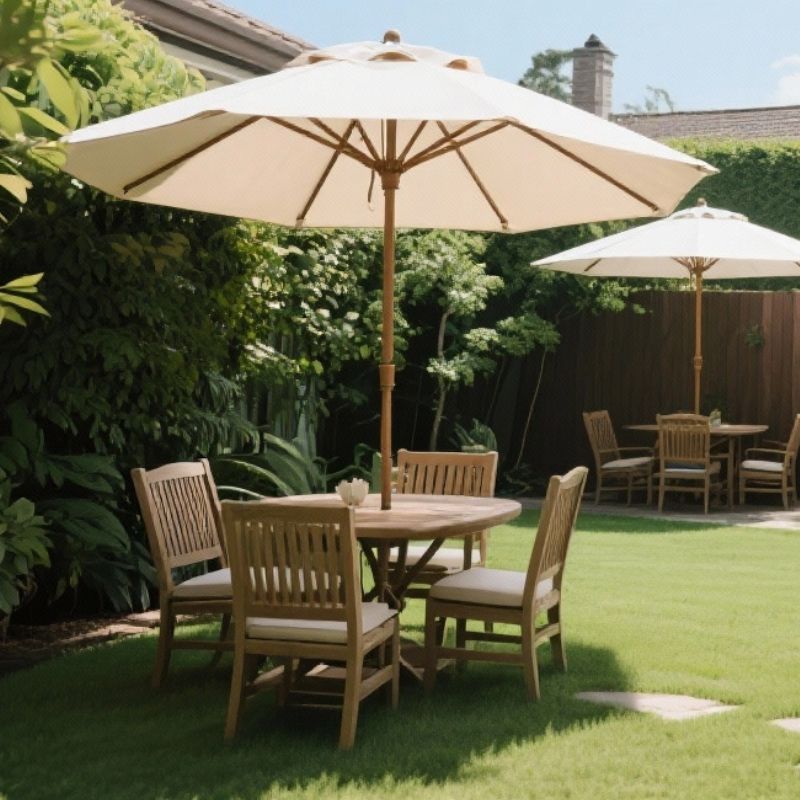
Color selection greatly influences how a parasol complements outdoor surroundings. Light tones such as beige, cream, sand, and light gray create an airy, elegant appearance suitable for modern minimalist gardens. Darker tones such as charcoal, forest green, or deep navy offer a sophisticated aesthetic, ideal for luxury commercial patios or resort settings.
The color of the parasol can also influence perceived temperature and overall spatial ambiance. Light colors reflect sunlight and brighten the environment, while darker colors create a sense of intimacy and structured visual contrast. Whether the goal is harmony or statement design, color choices play a crucial role in how a parasol integrates with outdoor furniture, flooring materials, and plant arrangements.
Creative Parasol Shapes for Garden Personality
Contemporary parasol design embraces shapes far beyond traditional round and square formats. Many designers introduce rectangular, hexagonal, curved, and sculptural parasol shapes to enhance landscape expression. A creatively shaped parasol can become a focal point within a garden or patio, adding personality and depth to the entire space.
In corporate and commercial settings, uniquely shaped parasol installations can reinforce branding, improve visual impact, and attract customer attention. When matched with coordinated outdoor furniture and architectural elements, the parasol transforms into an artistic extension of the space rather than merely a shading structure.
Parasol Placement Strategies for Various Environments
Ideal Parasol Arrangements for Residential Gardens
Residential outdoor settings require thoughtful parasol placement to balance functionality and aesthetics. Popular placements include beside loungers, near pool edges, adjacent to leisure seating, or at the center of a patio to provide unified shading. Adjustable parasol angles ensure comfortable shade throughout changing seasons, while appropriate sizing prevents visual crowding or obstruction of natural views.
Selecting a parasol that aligns with the garden’s scale, layout, and daily usage patterns creates a cohesive and inviting atmosphere. For homeowners seeking to extend their outdoor living experience, the parasol becomes a vital component of comfort and visual harmony.
Parasol Positioning for Commercial Outdoor Venues
Commercial outdoor spaces such as restaurants, hotels, and event venues require a more strategic approach to parasol placement. Uniform parasol sizes and colors create an organized, professional appearance. Oversized parasol models help maximize seating capacity by shading multiple tables at once, improving operational efficiency and customer satisfaction.
Durability and ease of maintenance are especially important for commercial users, as parasol equipment in high-traffic areas must withstand frequent handling. Heavy-duty parasol materials and stable anchoring systems reduce replacement frequency and long-term costs while maintaining a polished outdoor ambience.
Faq
What materials are commonly used for high quality parasol frames
High quality parasol frames are typically made from aluminum alloy, stainless steel, or reinforced carbon steel, providing stability and resistance to corrosion.
How long can a durable parasol fabric typically last outdoors
A durable parasol canopy designed with UV-resistant and weatherproof fabric can last several years outdoors, depending on climate, exposure intensity, and maintenance habits.
What factors should businesses consider when choosing parasol for commercial use
Businesses should evaluate size options, durability, material strength, adjustability, long-term weather resistance, and ease of maintenance when selecting a parasol for commercial environments.
Are smart parasol options suitable for outdoor hospitality environments
Smart parasol solutions are highly suitable for hospitality settings, offering features such as solar-powered lighting, automatic sensors, and enhanced safety for long-term outdoor operation.