customized shading solutions
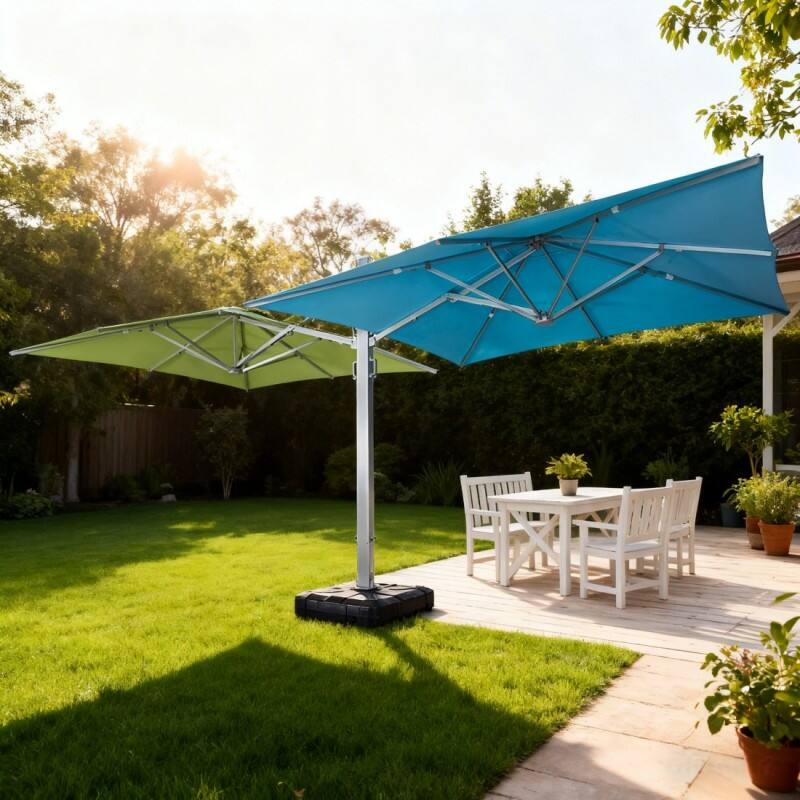
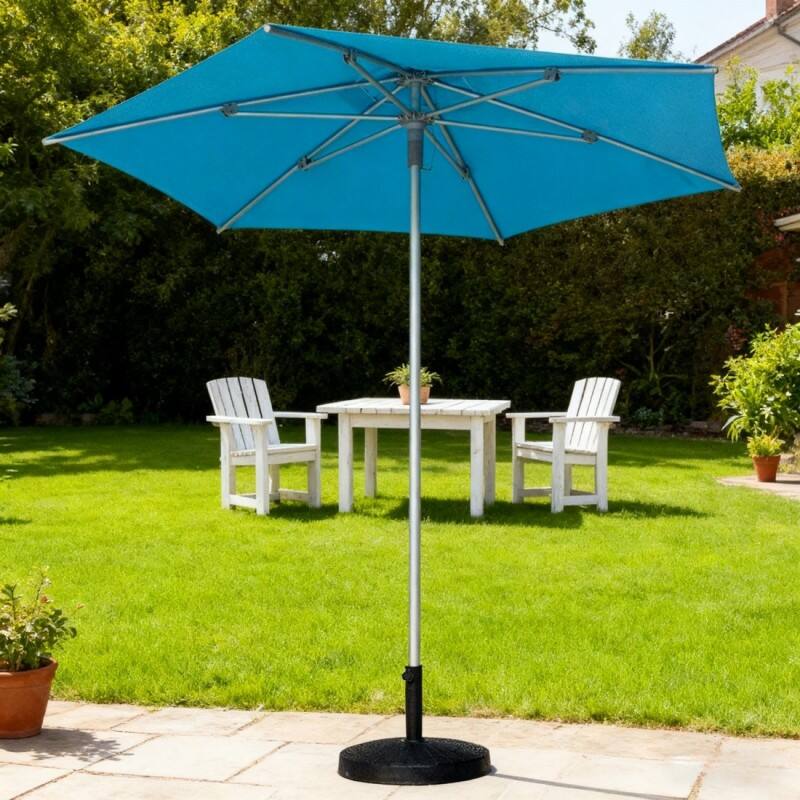
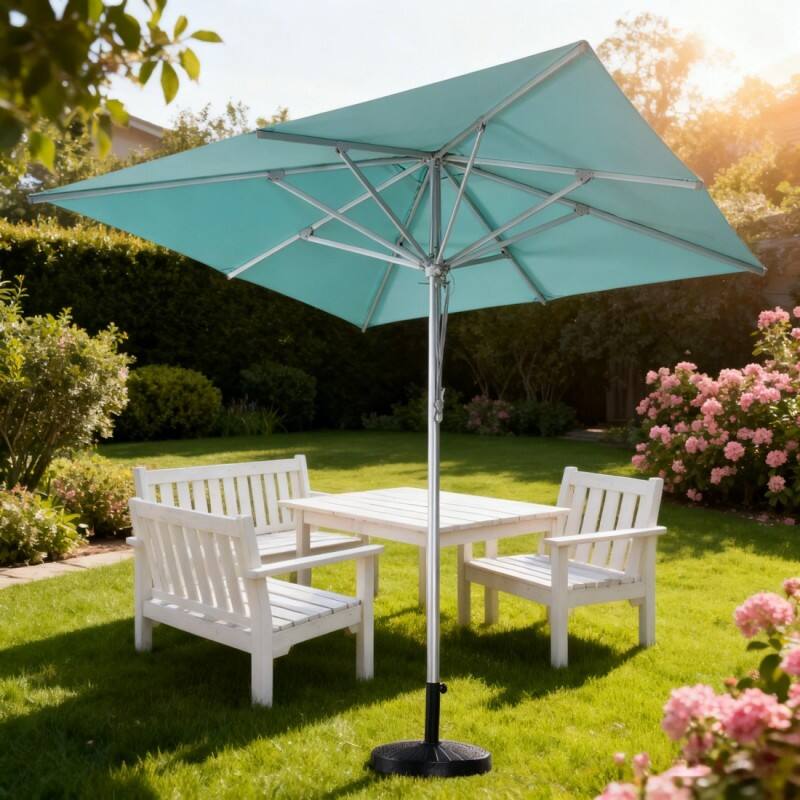
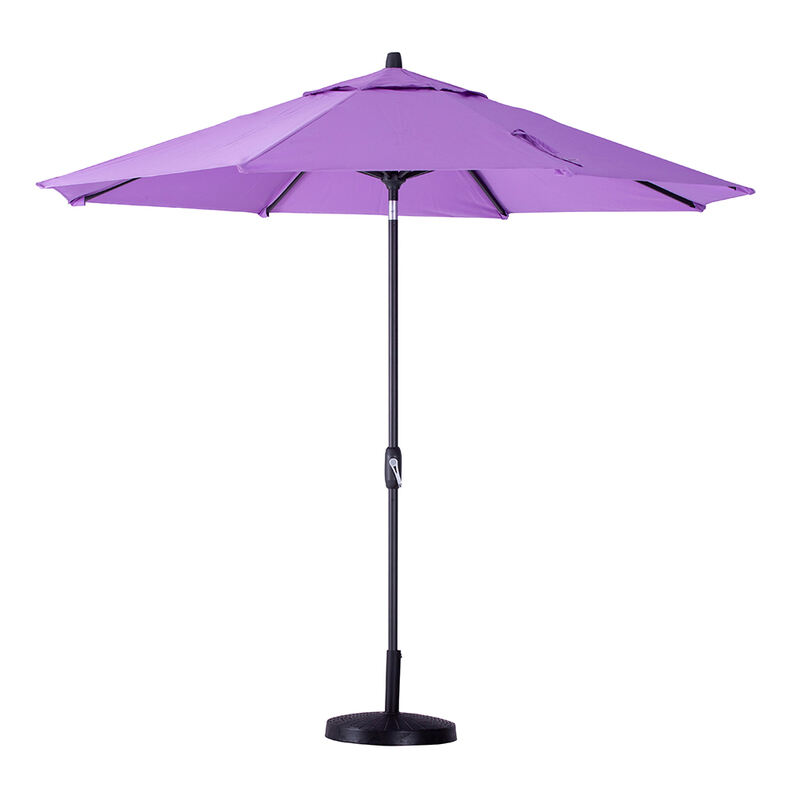
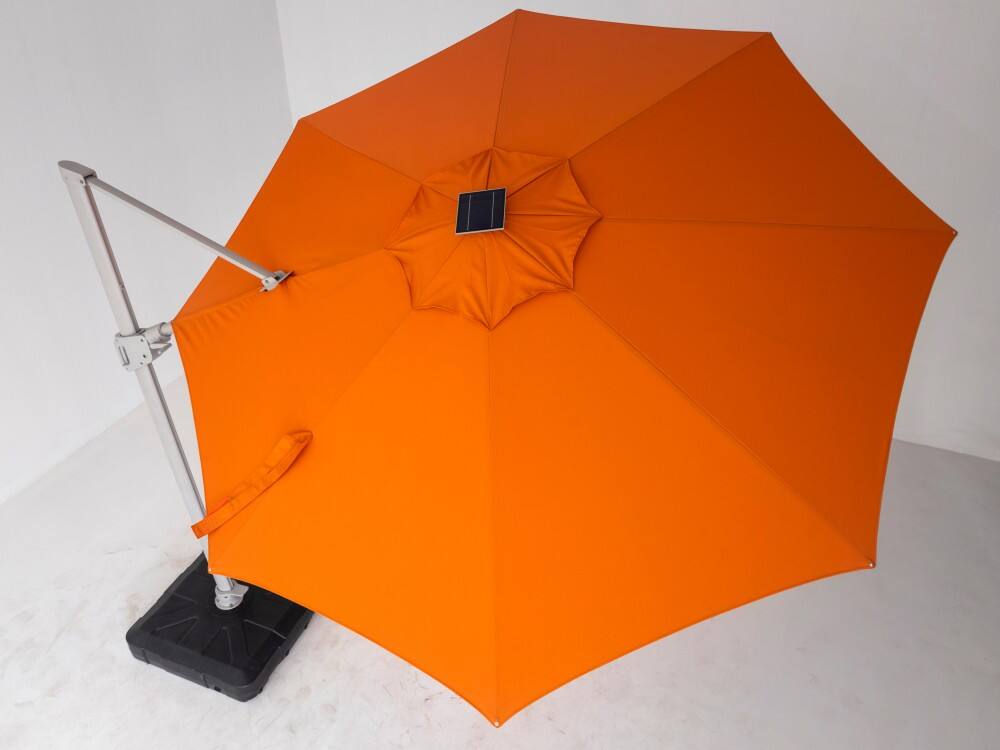
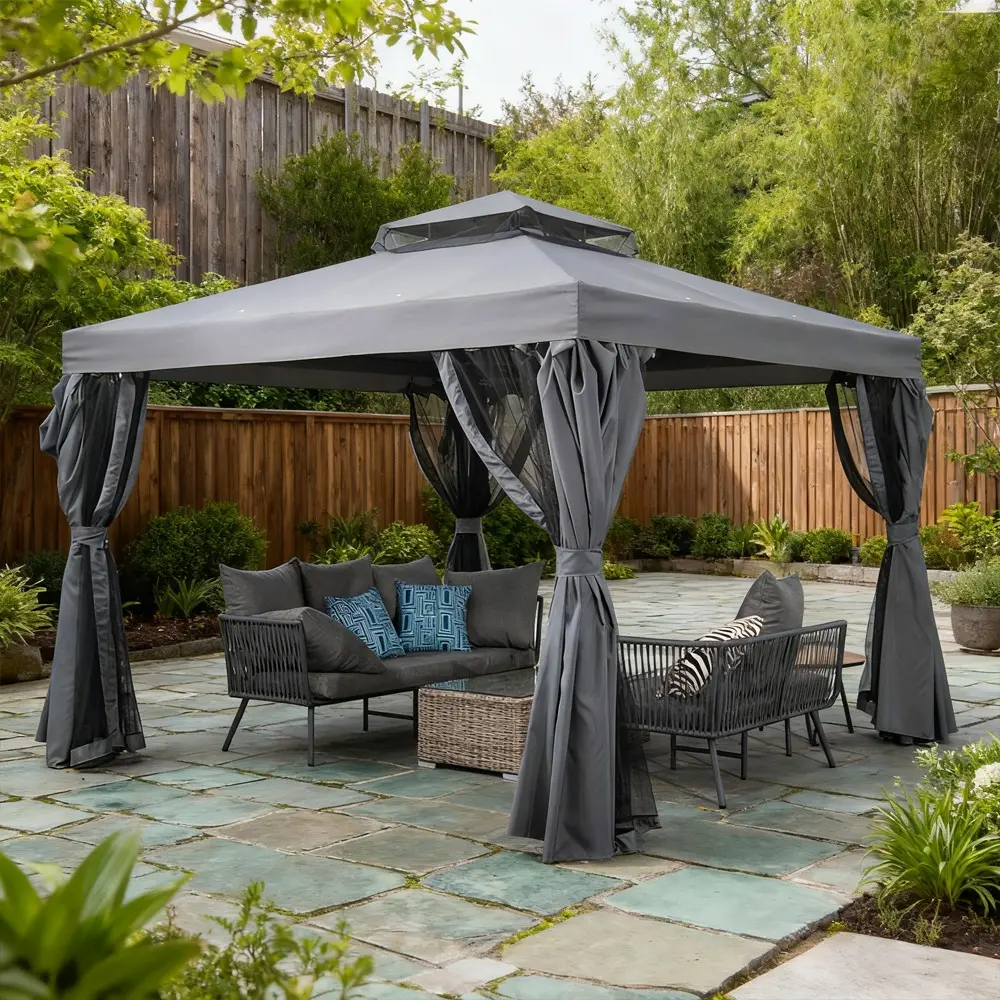
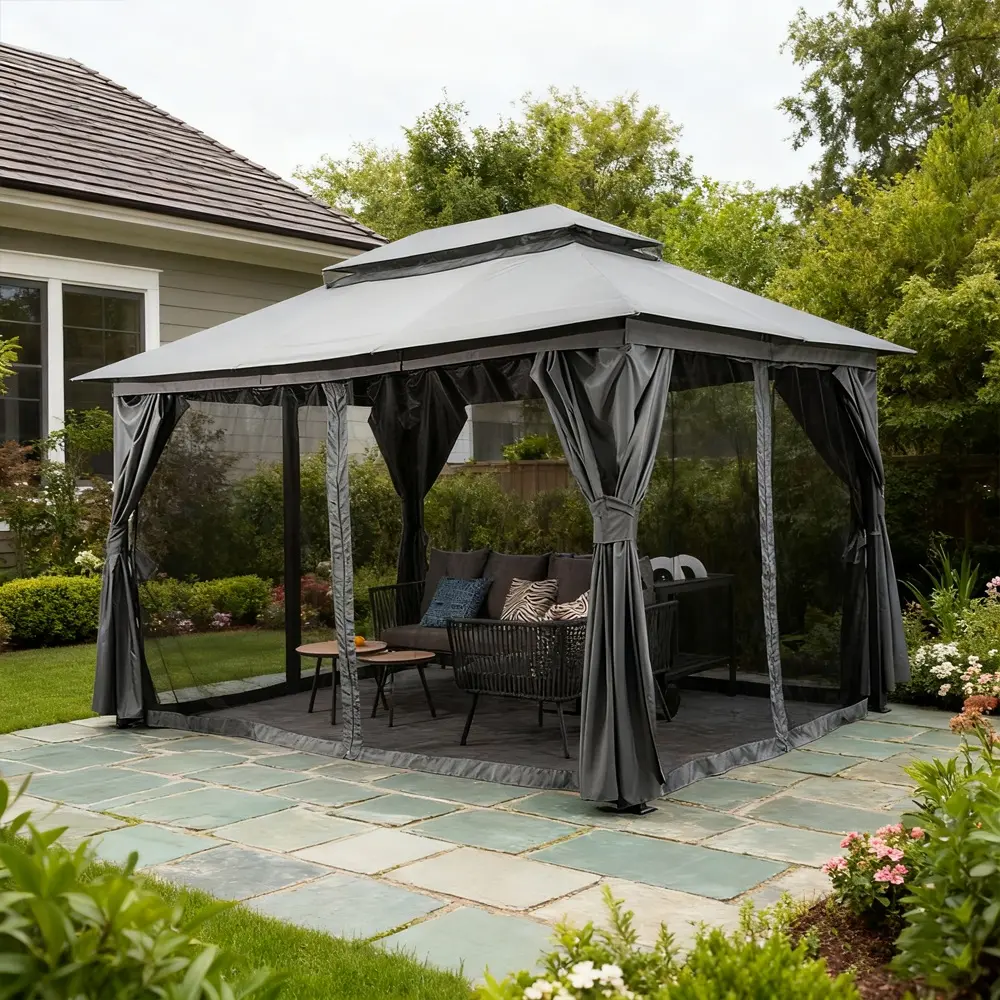
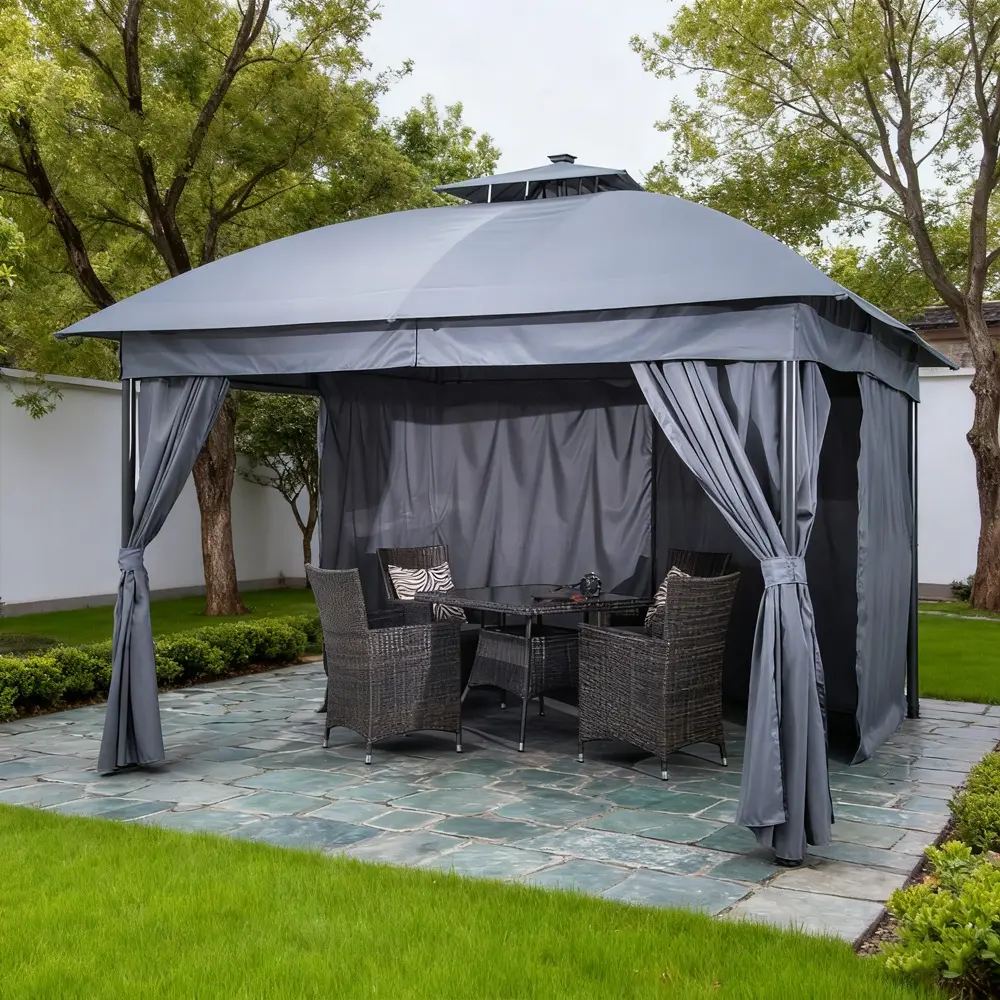
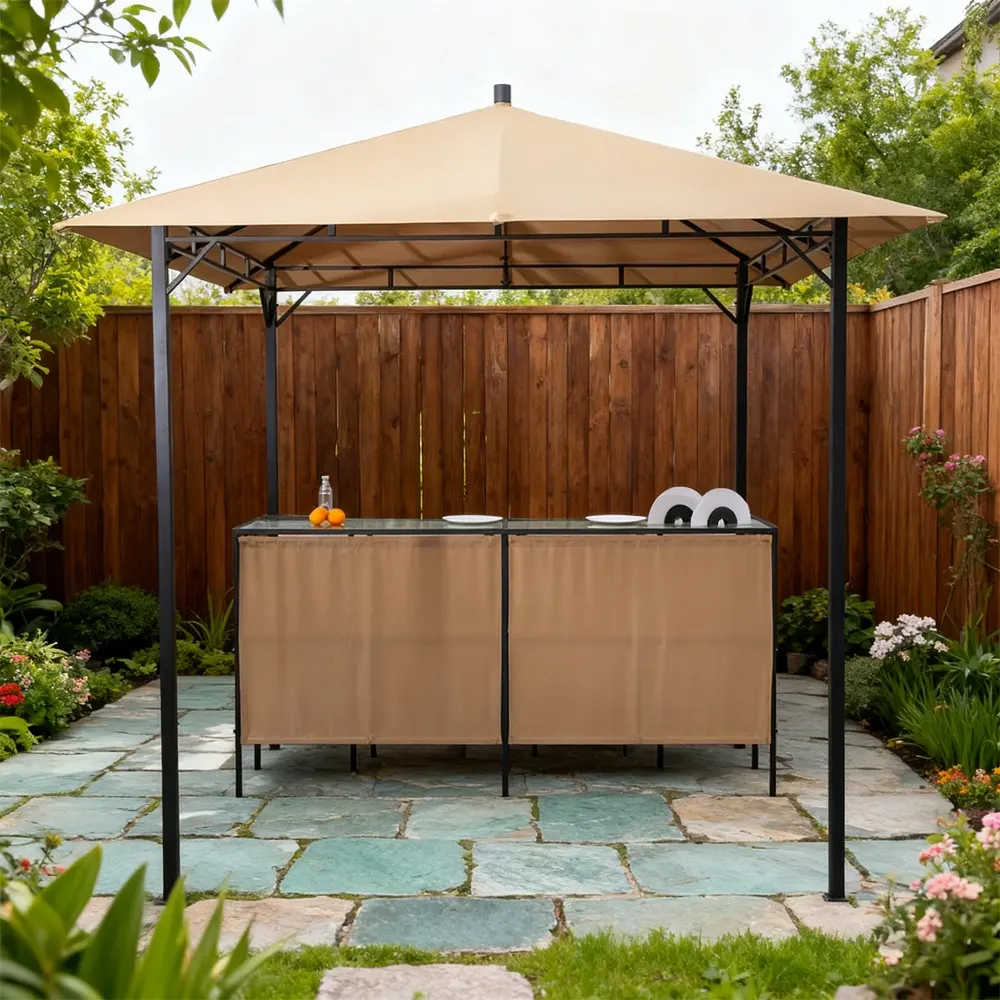
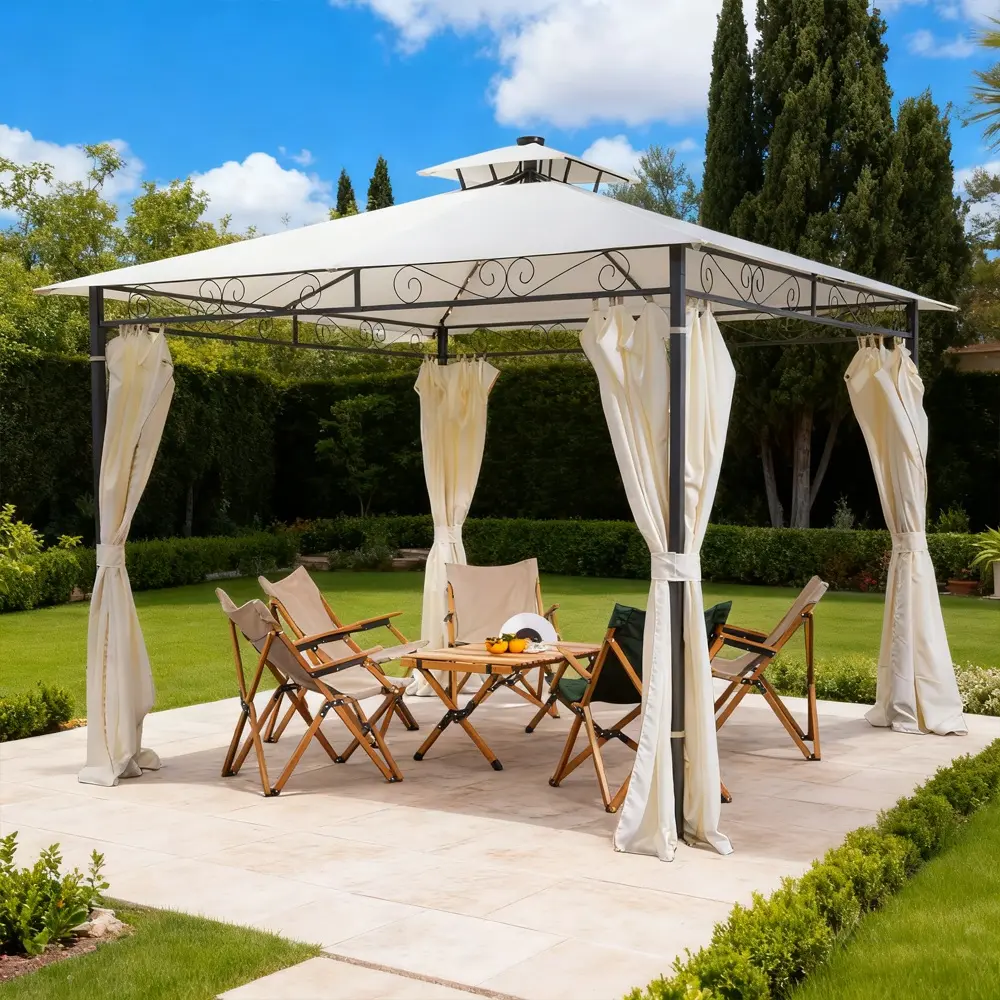
Customized shading solutions represent a revolutionary approach to architectural and residential light management, offering tailored protection from solar radiation while enhancing aesthetic appeal and energy efficiency. These specialized systems are engineered to meet specific environmental conditions, building orientations, and user preferences, providing superior performance compared to standard off-the-shelf alternatives. The main functions of customized shading solutions encompass solar heat gain reduction, glare control, UV protection, privacy enhancement, and energy conservation. These systems intelligently regulate natural light penetration, maintaining optimal indoor comfort levels while reducing reliance on artificial cooling and lighting systems. The technological features of modern customized shading solutions include advanced fabric materials with specialized coatings, precision-engineered hardware components, automated control systems, and smart integration capabilities. High-performance fabrics incorporate nano-technology treatments that provide enhanced durability, weather resistance, and thermal regulation properties. Motorized operation systems enable remote control functionality, allowing users to adjust shading levels based on real-time weather conditions or personal preferences. Integration with smart home systems and building management platforms creates seamless automation possibilities. Applications for customized shading solutions span residential properties, commercial buildings, educational facilities, healthcare institutions, hospitality venues, and industrial complexes. These versatile systems adapt to various architectural styles, from contemporary glass facades to traditional building designs. Residential applications include patios, decks, windows, and outdoor living spaces, while commercial implementations focus on office buildings, retail centers, restaurants, and public spaces. The customization process involves detailed site analysis, sun path studies, wind load calculations, and aesthetic considerations to ensure optimal performance and visual integration with existing structures.
 EN
EN