
 EN
EN
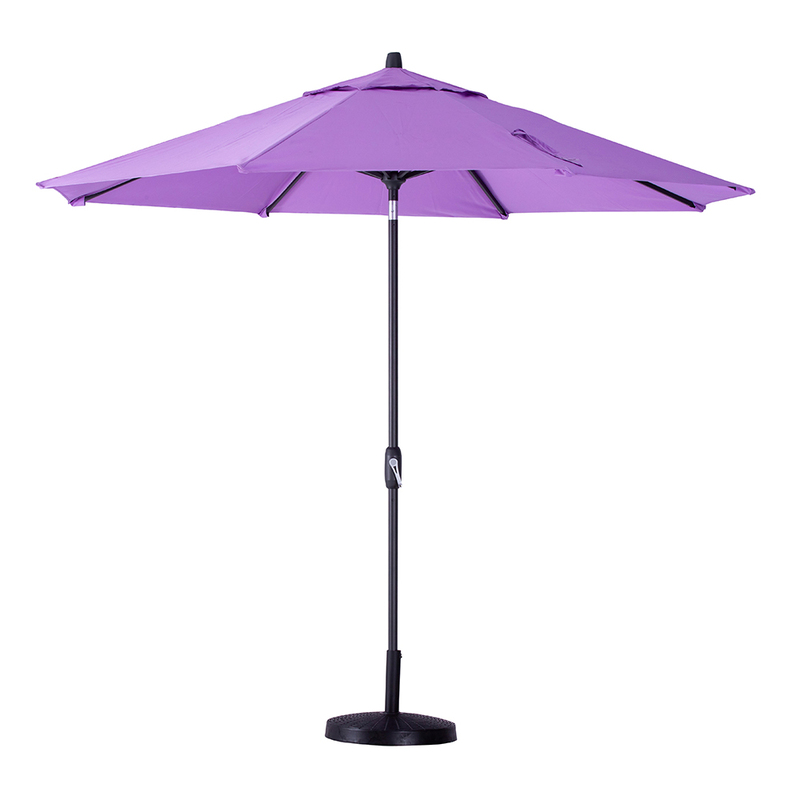
Installing a parasol properly is crucial for maximizing comfort and safety in your outdoor space, especially when dealing with challenging weather conditions. Whether you're setting up a residential patio umbrella or commercial outdoor shade solution, understanding the fundamentals of parasol installation can mean the difference between years of reliable service and frequent replacements. The key lies in selecting the right location, securing the base adequately, and implementing protective measures that account for both intense sunlight and unpredictable wind patterns.
Modern parasols come in various configurations, from traditional center-pole designs to sophisticated cantilever systems that offer enhanced flexibility and coverage. Each type requires specific installation considerations, particularly when environmental factors like sustained winds or intense UV exposure are involved. Professional installers often emphasize that proper preparation and the right equipment selection are more important than rushing through the setup process.
The installation process becomes even more critical in commercial settings where safety regulations and insurance requirements must be met. Many businesses have discovered that investing time in proper initial setup significantly reduces maintenance costs and liability concerns down the road. Understanding these principles helps both homeowners and commercial property managers make informed decisions about their outdoor shade solutions.
Pre-Installation Assessment and Planning
Site Evaluation and Wind Pattern Analysis
Before beginning any parasol installation project, conducting a thorough site evaluation helps identify potential challenges and opportunities. Wind patterns vary significantly across different locations, even within the same property, making it essential to observe how air moves through your outdoor space during different times of day and seasons. Areas near buildings, fences, or landscaping features often create wind tunnels or turbulent air pockets that can stress parasol components.
Professional installers typically recommend monitoring wind conditions for several days before finalizing parasol placement. This observation period reveals consistent wind directions, peak intensity periods, and calm zones that might not be immediately obvious. Properties located near water bodies, on hillsides, or in urban canyon environments require particular attention to wind dynamics.
Temperature variations also affect parasol performance and longevity. Areas that experience extreme heat buildup during peak sun hours may require additional ventilation considerations or specialized fabric materials. Understanding these environmental factors during the planning phase prevents costly adjustments or replacements later.
Ground Conditions and Foundation Requirements
The foundation supporting your parasol system determines its stability and safety under all weather conditions. Different ground types require specific installation approaches, from concrete patios and wooden decks to grass lawns and gravel surfaces. Each surface material offers different load-bearing capabilities and installation options that must be matched to your parasol's size and expected wind exposure.
Concrete surfaces provide the most stable foundation for larger parasols but require appropriate anchoring systems that won't damage the surface or compromise structural integrity. Wooden decks need special consideration for weight distribution and potential moisture damage from base systems. Softer surfaces like grass or sand offer flexibility in placement but demand heavier or deeper anchoring solutions.
Drainage considerations often get overlooked during planning but become crucial during rainy seasons. Poor drainage around parasol bases can lead to corrosion, instability, and safety hazards. Incorporating proper water management into your installation plan extends equipment life and maintains safe operating conditions.
Base Selection and Anchoring Systems
Weight-Based Stabilization Methods
Selecting appropriate base weight represents one of the most critical decisions in parasol installation, particularly for locations experiencing regular wind activity. Industry standards typically recommend base weights that exceed the parasol's specified minimum by at least twenty-five percent to account for unexpected gusts and long-term settling. This extra margin provides safety buffer that becomes invaluable during severe weather events.
Weighted bases come in various materials and configurations, each offering distinct advantages for different installation scenarios. Concrete-filled bases provide maximum stability and weather resistance but require permanent or semi-permanent placement. Sand-filled options offer moderate weight with easier relocation capabilities, though they may require periodic refilling as settling occurs over time.
Water-filled bases present the most portable option but require additional considerations for freeze protection and stability in windy conditions. Some installations benefit from hybrid approaches that combine multiple base types or incorporate additional anchoring methods for enhanced security. The key lies in matching base characteristics to your specific environmental conditions and usage patterns.
Permanent Anchoring Solutions
Permanent anchoring systems provide superior stability for parasols intended for long-term installation in challenging environments. These systems typically involve concrete footings, ground anchors, or integrated mounting hardware that becomes part of the landscape infrastructure. While permanent solutions require more initial investment and planning, they offer unmatched security and peace of mind for high-wind locations.
Professional parasol installation often incorporates engineered anchoring systems designed to meet specific wind load requirements and local building codes. These systems distribute forces across larger areas, reducing stress concentrations that could lead to failure during extreme weather events. Many commercial installations now require engineered anchoring solutions to meet insurance and safety requirements.
The installation process for permanent anchors requires careful attention to utility line locations, drainage patterns, and future access needs. Professional installers typically recommend marking utility lines and obtaining necessary permits before beginning excavation or concrete work. This preparation prevents costly delays and ensures compliance with local regulations.
Wind Management and Safety Protocols
Understanding Wind Load Limits
Every parasol system has specific wind load limits that determine safe operating conditions, and exceeding these limits can result in equipment damage or safety hazards. Manufacturers typically specify maximum sustained wind speeds and gust tolerances for their products, but these ratings assume proper installation and maintenance. Understanding how to interpret and apply these specifications becomes crucial for safe operation in variable wind conditions.
Wind forces increase exponentially with speed, meaning that seemingly modest increases in wind velocity can create dramatically higher stresses on parasol components. A parasol rated for twenty-five mile per hour sustained winds may experience dangerous loading at thirty miles per hour, particularly when combined with gusty conditions that create rapid load changes.
Monitoring wind conditions becomes essential for locations that experience variable weather patterns throughout the day or season. Many modern installations incorporate wind sensors or weather monitoring systems that provide real-time data for operational decisions. These systems can trigger automatic closure protocols or alert users when conditions exceed safe thresholds.
Protective Positioning and Closure Procedures
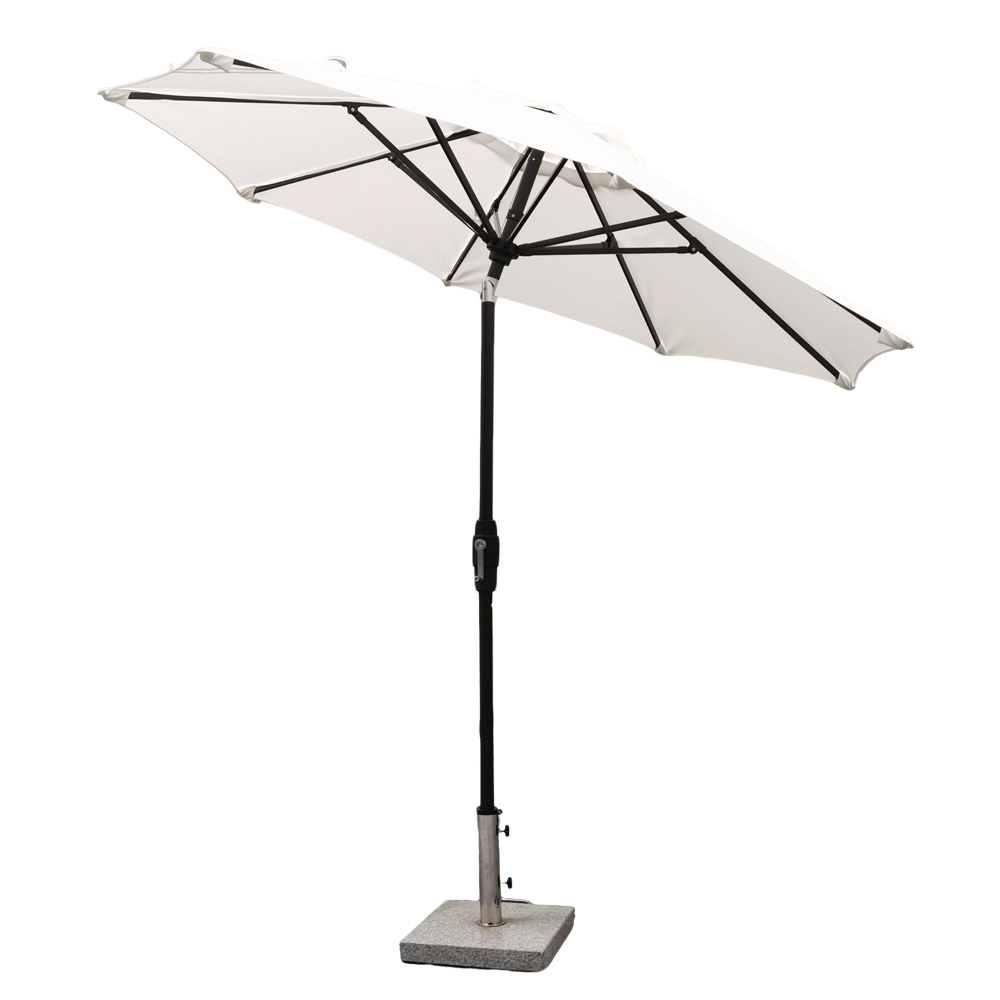
Strategic parasol positioning can significantly reduce wind exposure while maintaining effective sun protection throughout the day. Understanding how wind interacts with buildings, landscaping, and other structures helps identify protected zones that offer natural wind breaks. These locations often provide the best combination of sun protection and wind resistance for parasol installations.
Developing consistent closure procedures ensures parasol safety during changing weather conditions. Many installations benefit from establishing clear wind speed thresholds that trigger closure protocols, preventing equipment damage and liability concerns. Training all users on proper closure techniques helps maintain equipment integrity and prevents accidents during emergency situations.
Seasonal adjustments to positioning and closure procedures account for changing sun angles and prevailing wind patterns throughout the year. What works well during summer months may require modification as weather patterns shift in fall and spring. Regular reassessment of positioning and procedures helps maintain optimal performance year-round.
UV Protection and Fabric Considerations
Fabric Selection for Durability
Choosing appropriate parasol fabric significantly impacts both performance and longevity, particularly in high-UV environments where sun exposure accelerates material degradation. Modern parasol fabrics incorporate advanced UV-resistant treatments and construction techniques that extend service life while maintaining color stability and structural integrity. Understanding fabric specifications helps ensure your installation provides reliable protection for years.
Solution-dyed acrylic fabrics offer excellent UV resistance and color retention, making them ideal for installations receiving intense sun exposure. These materials resist fading, mildew, and water absorption while maintaining breathability that reduces wind loading. Polyester options provide durability at lower cost points but may require more frequent replacement in harsh UV environments.
Specialized coatings and treatments can enhance fabric performance in specific applications. Some installations benefit from reflective coatings that reduce heat buildup underneath the parasol, while others require enhanced water resistance for areas experiencing frequent rain. Matching fabric characteristics to your specific environmental conditions optimizes both performance and cost-effectiveness.
Maintenance and Replacement Strategies
Regular fabric maintenance extends parasol life and maintains effective UV protection throughout the service period. Cleaning schedules should account for environmental factors like pollen, pollution, and weather exposure that accelerate fabric degradation. Most manufacturers recommend monthly cleaning with mild soap solutions and periodic deep cleaning to remove accumulated contaminants.
Inspection protocols help identify wear patterns and damage before they compromise parasol safety or performance. Areas subject to rubbing against frames, stress concentrations around attachment points, and UV-exposed zones typically show wear first. Early identification of these issues allows for preventive repairs that extend overall system life.
Replacement planning should consider fabric degradation timelines and seasonal usage patterns to minimize disruption and optimize cost-effectiveness. Many installations benefit from maintaining spare fabric assemblies that enable quick replacement during peak usage periods. This approach ensures continuous service while allowing for convenient maintenance scheduling.
Seasonal Adjustments and Maintenance
Weather-Responsive Configuration Changes
Adapting parasol configurations to seasonal weather patterns helps optimize performance while protecting equipment from unnecessary stress and wear. Spring installations often require adjustments for increased wind activity and changing sun angles, while summer configurations focus on maximum UV protection and heat management. Fall preparations typically emphasize wind resistance and debris protection as weather patterns become more variable.
Winter storage or protection protocols vary significantly based on climate conditions and parasol construction. Areas experiencing freeze-thaw cycles may require complete seasonal removal to prevent ice damage, while milder climates might allow year-round installation with appropriate protective measures. Understanding your local climate patterns helps develop effective seasonal management strategies.
Mechanical adjustments for seasonal changes include tension modifications, hardware lubrication, and wear point inspections that prevent problems before they develop into safety concerns. Many installations benefit from professional seasonal service that addresses these technical requirements while ensuring continued compliance with safety standards.
Long-Term Component Care
Systematic maintenance of parasol hardware prevents premature failure and ensures continued safe operation throughout the equipment lifecycle. Moving parts require regular lubrication and adjustment to maintain smooth operation and prevent accelerated wear. Fasteners need periodic inspection and re-tightening to maintain structural integrity under variable loading conditions.
Corrosion prevention becomes particularly important for installations in coastal environments or areas with high humidity levels. Regular cleaning and protective treatments help maintain metal components while preventing deterioration that could compromise safety. Identifying early signs of corrosion allows for preventive treatment before replacement becomes necessary.
Documentation of maintenance activities and component replacements helps track equipment condition and predict future service needs. This information proves valuable for warranty claims, insurance requirements, and long-term budgeting decisions. Many commercial installations now require formal maintenance logs to meet regulatory and insurance requirements.
FAQ
How much wind can a properly installed parasol withstand?
Most residential parasols are designed for sustained winds up to 25 mph when properly installed with adequate base weight and secure anchoring. However, wind tolerance varies significantly based on parasol size, construction quality, and installation methods. Commercial-grade systems with engineered anchoring can often handle sustained winds of 35-40 mph. Always close parasols when winds exceed manufacturer specifications, as gusts can create forces much higher than sustained wind speeds. For high-wind locations, consider permanent anchoring systems or wind-resistant cantilever designs that offer better stability.
What base weight is needed for different parasol sizes?
Base weight requirements increase dramatically with parasol diameter due to exponential increases in wind loading. A 9-foot parasol typically requires a minimum 75-100 pound base, while 11-foot models need 100-150 pounds. Large 13-foot parasols often require 200+ pound bases or permanent anchoring systems. These are minimum recommendations - adding 25-50% extra weight provides important safety margins for gusty conditions. Cantilever parasols require heavier bases due to their offset design, often needing twice the weight of equivalent center-pole models.
Can parasols be left up year-round in all climates?
Year-round installation depends heavily on local climate conditions and parasol construction quality. In mild climates with minimal freeze-thaw cycles and moderate wind patterns, quality parasols can remain installed with proper seasonal maintenance. However, areas experiencing severe winters, frequent storms, or extreme temperature variations typically require seasonal removal or storage. Ice accumulation can damage fabric and frames, while prolonged UV exposure accelerates material degradation. Many installations use protective covers during off-seasons as a compromise between convenience and equipment protection.
What safety precautions should be taken during installation?
Safety precautions begin with proper planning and site preparation, including utility line marking and obtaining necessary permits for permanent installations. Always use appropriate lifting techniques and assistance when handling heavy components, particularly large parasol assemblies and weighted bases. Ensure all tools are in good condition and suitable for the installation type. Never attempt installation during windy or stormy conditions, as partially assembled parasols can become dangerous projectiles. Follow manufacturer torque specifications for all fasteners and verify all connections before considering the installation complete. Consider professional installation for large or complex systems, particularly those requiring permanent anchoring or meeting commercial safety requirements.