
 EN
EN
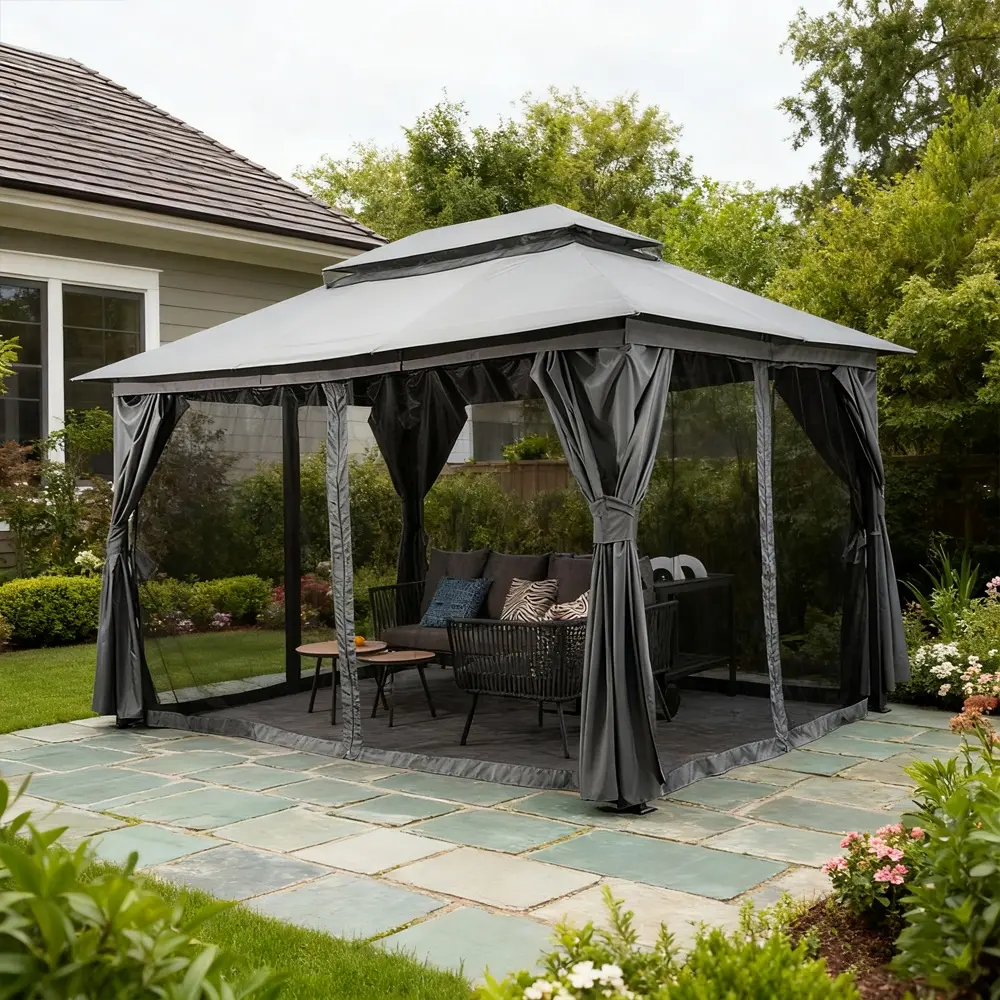
Installing a gazebo transforms your outdoor space into a functional retreat, but proper planning and execution are essential for long-term stability and safety. Whether you're adding a simple fabric canopy or a robust steel structure, understanding the fundamental principles of gazebo installation ensures your investment withstands weather challenges and provides years of enjoyment. From foundation preparation to structural anchoring, every step in the installation process contributes to the overall integrity and performance of your outdoor pavilion.
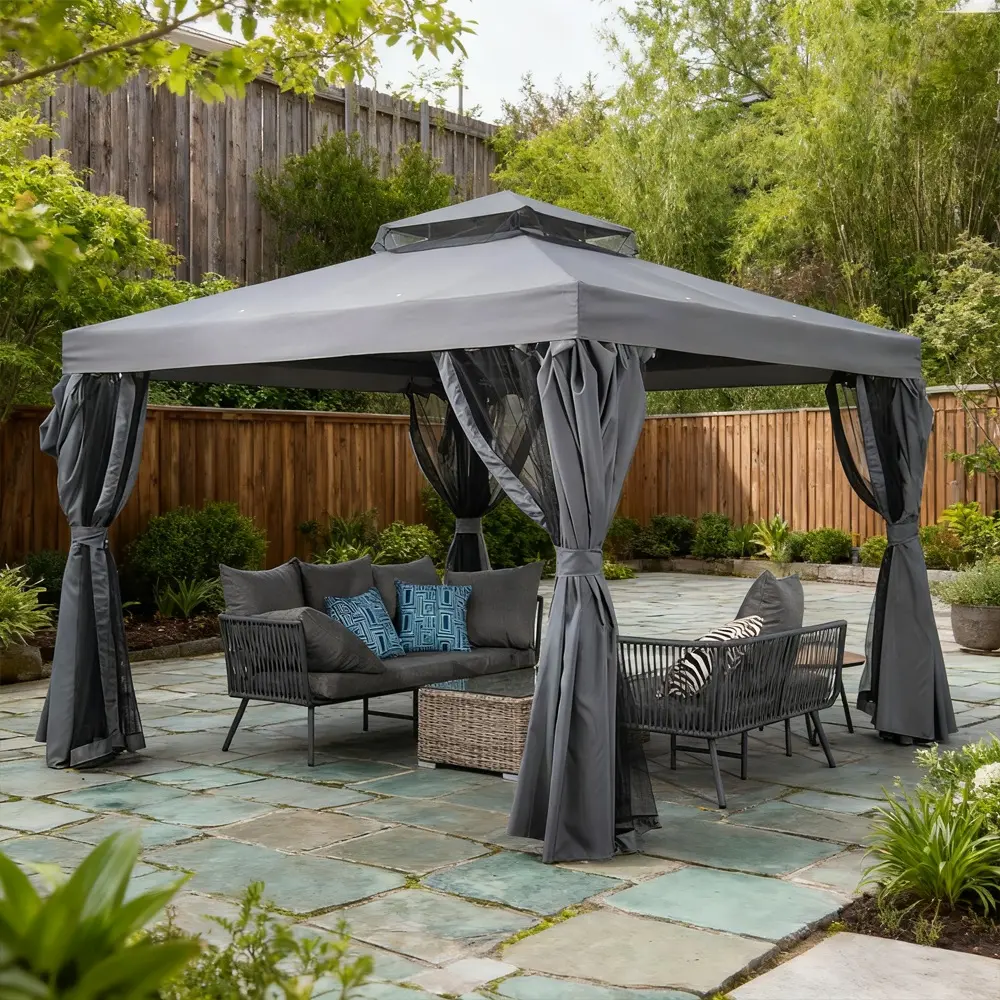
The success of any outdoor structure depends heavily on thorough preparation and adherence to safety protocols. Modern gazebos come in various materials and configurations, each requiring specific installation approaches to maximize durability and user safety. Professional contractors and experienced DIY enthusiasts alike recognize that cutting corners during installation often leads to costly repairs or dangerous structural failures down the road.
Site Assessment and Foundation Planning
Evaluating Ground Conditions
Before beginning any gazebo installation, conduct a comprehensive assessment of your chosen location to identify potential challenges and opportunities. The ground should be relatively level, well-draining, and free from underground utilities or root systems that could interfere with foundation work. Slope variations greater than six inches across the installation area typically require grading or specialized foundation solutions to ensure structural stability.
Soil composition plays a crucial role in determining the appropriate foundation method for your gazebo. Clay soils may require additional drainage considerations, while sandy conditions might need deeper anchoring systems. Contact your local utility marking service before excavating to avoid dangerous encounters with buried electrical, gas, or water lines that could pose serious safety hazards during installation.
Foundation Options and Requirements
Permanent gazebo installations benefit from concrete footings that extend below the frost line in colder climates, preventing heaving and shifting during freeze-thaw cycles. The depth and width of these footings depend on local building codes, soil conditions, and the weight of your specific gazebo design. Temporary installations may utilize surface-mounted anchoring systems, though these require additional bracing and tie-down hardware for adequate wind resistance.
For semi-permanent installations, consider using adjustable concrete piers or helical ground anchors that provide excellent holding power without extensive excavation. These systems allow for easier relocation while maintaining superior stability compared to simple stake-down methods. Professional gazebo installation often incorporates multiple foundation approaches within a single project to address varying ground conditions and structural requirements.
Structural Assembly and Safety Protocols
Component Inspection and Organization
Successful gazebo installation begins with thorough inspection of all components before assembly commences. Check each structural member for damage, proper dimensions, and complete hardware sets according to the manufacturer's parts list. Missing or damaged components should be replaced before installation to prevent structural weaknesses or assembly delays that could compromise safety.
Organize hardware and components in a systematic manner that facilitates efficient assembly while reducing the risk of using incorrect fasteners or missing critical connections. Many professional installers create staging areas where similar components are grouped together, allowing team members to locate necessary parts quickly without disrupting the assembly sequence.
Assembly Sequence and Techniques
Most gazebo installations follow a specific assembly sequence designed to maintain structural stability throughout the construction process. Begin with the foundation connection points, ensuring all anchoring systems are properly aligned and secured before adding vertical support members. The frame should be assembled systematically, working from the ground up while continuously checking for square and level alignment.
Team coordination becomes essential during gazebo installation, particularly when handling large panels or roof sections that require multiple people for safe maneuvering. Establish clear communication protocols and assign specific responsibilities to each team member to prevent confusion or accidents during critical assembly phases. Weather conditions should also be monitored closely, as high winds or precipitation can create dangerous conditions for workers handling large structural components.
Anchoring Systems and Wind Resistance
Understanding Load Requirements
Proper anchoring represents one of the most critical aspects of safe gazebo installation, as inadequate securing can result in catastrophic failure during severe weather events. Wind loads increase exponentially with wind speed, meaning a gazebo that seems stable in calm conditions may become extremely dangerous during storm conditions without proper anchoring systems.
Local building codes typically specify minimum wind load requirements for permanent structures, but these standards may not adequately address the unique challenges presented by temporary or semi-permanent gazebo installations. Consider the intended use patterns, seasonal exposure, and local weather patterns when selecting appropriate anchoring methods for your specific situation.
Anchoring Methods and Hardware
Steel gazebos require robust anchoring systems that can transfer wind loads effectively into the ground or foundation system. Concrete footings with embedded anchor bolts provide the most secure connection for permanent installations, while specialized earth anchors or weighted base systems may suffice for temporary applications. The gazebo installation process should include verification that all anchoring hardware meets or exceeds manufacturer specifications for your specific model.
Regular inspection and maintenance of anchoring systems ensure continued safety and performance throughout the gazebo's service life. Seasonal weather changes, ground settling, and normal wear can affect anchor integrity, making periodic checking an essential part of responsible gazebo ownership. Document the installation details and create a maintenance schedule that addresses both routine inspections and seasonal preparation requirements.
Electrical and Utility Integration
Planning Electrical Services
Many modern gazebo installations incorporate electrical services for lighting, ceiling fans, or entertainment systems that enhance the structure's functionality and usability. Electrical planning should occur early in the design process to ensure proper conduit routing and connection points that maintain structural integrity while meeting electrical code requirements.
Ground fault circuit interrupter protection is mandatory for outdoor electrical installations, providing essential safety protection against electrical shock hazards in wet conditions. Professional electricians should handle all electrical connections and final inspections to ensure compliance with local codes and safety standards that protect users from electrical hazards.
Plumbing and Gas Considerations
Gazebo installations that include water features, sinks, or gas-powered appliances require additional planning and professional expertise to ensure safe and reliable service connections. Underground utility routing must be carefully coordinated with foundation work to prevent damage to existing services while providing necessary connections for intended amenities.
Gas line installations require particular attention to safety protocols and code compliance, as improper connections can create serious fire or explosion hazards. Professional installers coordinate with utility companies and local inspectors to ensure all connections meet safety standards and receive proper approval before the gazebo installation is considered complete.
Weather Protection and Seasonal Considerations
Preparing for Extreme Weather
Gazebo installation must account for seasonal weather variations that can dramatically affect structural performance and user safety. Snow loads in northern climates require additional structural support and regular maintenance to prevent roof collapse, while hurricane-prone areas need enhanced anchoring systems and potentially removable fabric components.
Develop a seasonal maintenance plan that addresses specific weather challenges in your geographic area, including procedures for temporary reinforcement or partial disassembly during extreme weather warnings. This proactive approach protects both the structure and surrounding property while ensuring user safety throughout changing seasonal conditions.
Material Selection and Treatment
Weather resistance begins with appropriate material selection and protective treatments that extend the service life of your gazebo installation. Galvanized steel components resist corrosion better than untreated materials, while powder coating provides additional protection against moisture and UV degradation that can compromise structural integrity over time.
Fabric components require specific care and protection protocols to maintain appearance and performance throughout multiple seasons. UV-resistant materials last longer but still benefit from seasonal removal and proper storage during extended periods of non-use, particularly in harsh climates that accelerate material degradation.
Maintenance and Long-term Safety
Regular Inspection Protocols
Ongoing maintenance represents an essential component of safe gazebo installation practices, as regular inspections identify potential problems before they become serious safety hazards. Develop a systematic inspection routine that examines structural connections, anchoring systems, and material condition at least twice per year or following significant weather events.
Document inspection findings and maintenance activities to track the condition of your gazebo over time and identify patterns that may indicate developing problems. This historical record proves valuable when making decisions about repairs, upgrades, or replacement components that maintain optimal safety and performance standards.
Preventive Maintenance Strategies
Preventive maintenance extends the service life of your gazebo installation while maintaining safety standards that protect users and surrounding property. Regular cleaning removes debris that can trap moisture and accelerate corrosion, while periodic tightening of fasteners compensates for normal settling and thermal expansion cycles.
Seasonal preparation activities should include fabric removal and storage, hardware inspection and lubrication, and verification of anchoring system integrity before severe weather seasons. These proactive measures prevent many common problems that lead to costly repairs or dangerous structural failures during periods of peak usage.
FAQ
What permits are required for gazebo installation projects
Permit requirements vary significantly by location and gazebo size, with permanent installations typically requiring building permits while temporary structures may be exempt. Contact your local building department to determine specific requirements for your project, as failure to obtain necessary permits can result in fines and forced removal of completed installations.
How deep should gazebo footings extend into the ground
Footing depth depends on local frost line requirements, soil conditions, and structural loads, with typical depths ranging from 18 inches in mild climates to 48 inches or more in areas with severe frost penetration. Professional installers consult local building codes and soil conditions to determine appropriate footing specifications for each specific installation.
Can gazebos be installed on existing concrete patios or decks
Many gazebos can be successfully installed on existing concrete surfaces using specialized anchoring systems designed for masonry applications, though structural analysis may be required to verify adequate load capacity. Deck installations require careful evaluation of the underlying structure and may need reinforcement to safely support the additional loads imposed by the gazebo and wind forces.
What maintenance schedule should be followed after gazebo installation
Establish a maintenance routine that includes monthly visual inspections during active seasons, detailed structural checks twice yearly, and comprehensive annual maintenance that addresses cleaning, lubrication, and component replacement as needed. Weather events should trigger additional inspections to identify any damage that could compromise safety or structural integrity.