 EN
EN
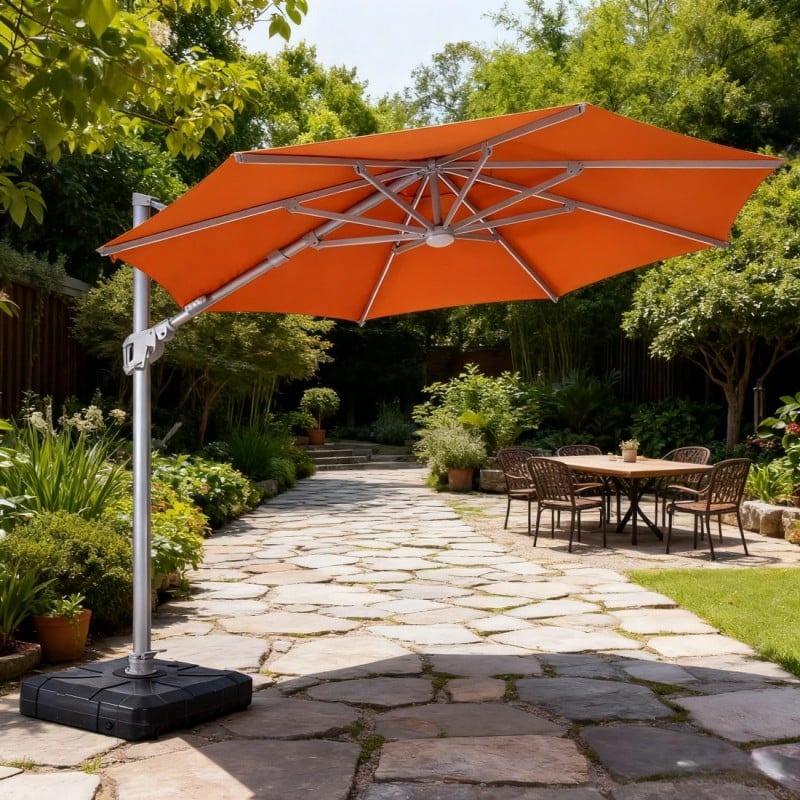
Suluhisho la kuvaa kwenye nje kwa ajili ya biashara limekuwa sehemu muhimu ya mahali pa utaalamu, vyakula na vinywaji, vikundi vya kupumzika, na eneo la umma, lakini njia ya kuthibitisha mradi huendelea kujitawala kwa kufuata viwajiba vya usalama vya kipekee. Unapochagua umbrela ya Cantilever kwa matumizi ya biashara, watafiti na wafanyikazi wa huduma za maeneo yana hitaji kushughulikia mazingira ya sheria yenye ufanisi ambapo utii unaathiri moja kwa moja kama idhini zitakuwa zimependwa, uhakika wa bima unapokolewa, na hatari ya majukumu ya kisheria inapokwamwa. Kuelewa jinsi ya viwajibiko hivi vya usalama vinavyoathiri mchakato wa kuidhinisha sasa si jambo la kuchaguliwa tena kwa wataalamu wanaojihusisha na kununua na kweka vitu vya nje ya nyumba, kwa sababu mashirika ya kisheria yamepunguza mahitaji kulingana na matukio yaliyotokana na uvimbu wa upepo, uvimbu wa miundo, na wasiwasi wa usalama wa umma. Hatari ni kubwa sana kwa miradi ya biashara ya kisasa ambayo utii usiofaa unaweza kusababisha muda mrefu wa kuchelewa, ombi la idhini lililorejewa, na majukumu ya kisheria yanayoweza kuendelea kutoka kwa kutekelezwa kwanza hadi kujumuisha wajibu wa kutekeleza kwa muda mrefu.
Umadhui wa viwajibikaji vya usalama kwenye uthibitisho wa miradi ya biashara unavyoonekana kupitia vituo vingi vya udhibiti, kutoka kwa wasilisho wa awali ya ruhusa ya kujenga hadi sertifikati ya mwisho ya uwezo wa kutumia jengo, na kila hatua inahitaji ushahidi uliowekwa kwa kujiendeleza na kanuni zinazotumika. Idara za majengo ya miji, wafalme wa moto, na watawala wa upatikanaji sasa wanachunguza mara kwa mara miundo ya kulinda jua nje kama sehemu muhimu ya mpangilio wa eneo la biashara badala ya kuyatupa kama vifaa vinavyoweza kufutwa. Ubadilisho huu wa sheria unarefleka utambulisho wa industria kwa ujumla kwamba miundo ya vichakani vya vichakani vya kuchukua nguvu (cantilever umbrellas) ni miundo ya kudumu au ya kudumu kwa muda mrefu ambayo inahitaji kujitambulisha na viwajibikaji vya usalama vya kushindwa vinavyotumika kwa vipengele vya ki-kiarchitecturali vya kudumu, hasa unapokuwa miundo hii ya kulinda jua inayofunika eneo la kula, eneo la kuogelea katika bafu, au njia za watumishi ambapo usalama wa umma ni muhimu zaidi. Mchakato wa uthibitisho huwa na hitaji la hesabu za uhandisi zenye maelezo kamili, uthibitisho wa uwezo wa kushinda nguvu ya uvuvi, maelezo ya vifungo vya kusimamia, na ushahidi wa kujitambulisha na kanuni za majengo za eneo linalotofautiana sana kati ya mikoa na eneo la tabia ya hewa.
Rahisi ya Kudhibiti Inayosimamia Biashara Umbrela ya Cantilever Mafunzo
Mahitaji ya Uingizwaji wa Sheria ya Majengo na Uainishaji
Miongozo ya ujenzi huchunguza muundo wa mabanda ya kuchukua kwa kutumia mifano ya matumizi yake, uwezekano wa kusimama kwa muda mrefu, na sifa za muundo wake, ambapo mafunzo ya biashara mara nyingi hujiweka katika makundi ya muundo wa muda mfupi au ya muda mrefu kulingana na njia ya kufunzwa na muda wa kushughulikia. Sehemu za Miongozo ya Ujenzi ya Kimataifa zinazungumzia muundo wa kuvuna jua nje ya majengo kwa kupitia sehemu zinazouelezea mifano kutoka kwenye majengo, vipengele vya kulinda dhidi ya hali ya hewa, na muundo usiojumuisha majengo, na kuhitaji wengine wa kujenga kuthibitisha kuwa wamekufanana na mahitaji ya kuvuta mzigo yanayotokana na kiwango cha kasi ya upepo wa eneo hilo na hali za gugumavu. Uamuzi wa uchunguzi huu unatumika moja kwa moja kwenye muda wa kuidhinisha kwa sababu muundo ya muda mrefu huanza mchakato wa kuchunguza mpango kwa ukamilifu ambao unajumuisha tathmini za uhandisi wa muundo, inspeksheni za msingi, na ushirikiano na mfumo mingine ya ujenzi, wakati uchunguzi wa muundo wa muda mfupi unaweza kuruhusu kuidhinisha haraka chini ya mchakato rahisi wa kuchunguza na vigezo vya kufunza kwa kipindi cha mwaka.
Miradi ya mabwawa ya kibiashara ya aina ya cantilever yamehitaji kufanana na sheria za eneo ambazo zinatazamia urefu wa jengo, umbali wa kujitoa kutoka kwa mipaka ya mali, uthibitisho wa uonekano katika vipindi vya gari, na ufanane wa uzuri na jiometri ya majengo ya mji. Sheria hizi za eneo huwa na uchunguzi mkubwa hasa katika mitaa ya kihistoria, eneo la pwani, na mitaani ambapo bodi za kuchunguza muundo zinatumia sifa ya kuchagua kwa ubunifu wa vitu vya nje kulingana na ubora wa vitu, utendaji wa rangi, na ufanane wa mtindo wa jiometri. Wakati huu, watawala wa kuidhinisha wanahitaji mpangilio wa eneo ulioeleweka vizuri unaouonyesha nafasi halisi ya mabwawa ya cantilever kuhusiana na mapitio ya majengo, njia za moto, mitandao ya umma, na njia zinazoweza kutumika na watu wenye ulemavu, na kuzingatia hasa mahitaji ya umbali ambayo yanawezesha kupunguza kuzuia upatikanaji wa gari la dharura au kuvuruga kutekelezwa kwa vifaa vya kupanga moto katika matukio ya kisasa.
Uthibitisho wa Uzito wa Pembe na Dokumenti za Uhandisi wa Muundo
Mahitaji ya mzima wa uvimbe ni asili ya upande wa kisayansi ambalo unahitaji ujuzi zaidi katika viashiria vya kuvuta kwa kutumia mchakato wa kuvuta, kwa sababu miundo hii inayotokana na kuvuta ina nguvu za usawa zinazozidi sana kuliko miundo ya mchakato wa kati, kwa sababu ya usambazaji wa uzito wake unaotokana na kuvuta na mikono ya muda inayotegemea. Hati za uhandisi lazima zionyeshe kuwa mfano uliochaguliwa wa viashiria vya kuvuta kwa kutumia mchakato wa kuvuta unaweza kushinda kasi ya uvimbe iliyowekwa kwa ajili ya eneo la mradi kulingana na ramani za uvimbe za ASCE 7, ambazo zinaweka mahitaji ya chini kulingana na makundi ya uwepo wa jiografia, mitaala ya urefu wa majengo, na sababu za kuzidisha kwa sababu ya uondo wa ardhi. Miradi ya biashara mara nyingi yanahitaji uthibitisho wa muhandisi mwenye ubunifu wa mahesabu ya uvimbe yanayotambua hali ya kufungwa na kuvunja kwa kifurushi, sababu za athari za uvimbe wa kipindi, na vipengele vya majibu ya kisasa vinavyobadilika kulingana na ukubwa wa viashiria, uwezekano wa kuvutwa kwa kitambaa, na vipengele vya ujasiri wa miundo.
Mchakato wa kuidhinisha unahitaji kutumia ripoti za majaribio ya mfanyozi zinazodokumenta utafiti wa tuneli ya upepo au mafunzo ya dinamiki ya mgawanyo wa kisayansi ambayo inathibitisha utendaji wa kiholela chini ya hali za mzigo iliyowekwa, na kufanya ukaguzi maalum kwa maelezo ya muunganiko, uwezo wa plati ya msingi, na mpangilio wa vifungo vya kuburudisha. Wafanyikazi wa jengo wanajaribu zaidi masharti ya upepo ya jumla na kubadilisha kwa uhandisi wa mradi maalum uliothibitisha hali za miklima ya eneo kama vile upepo unaopita kati ya majengo, athari za upepo wa chini kutoka kwa majengo makuu, na uwepo wa upepo wa wazi kwenye maji ya wazi au ardhi raha. Kwa instalasi za mabawa ya kuchukua kwa njia ya cantilever yanayozidi kipimo fulani cha ukubwa au yanaopatikana katika eneo la hatari ya juu ya upepo, watawala wanaweza kawamia mahitaji ya kufuatilia kiholela kwa muda mrefu, mbinu ya kuthibitisha tena kwa kipindi, na vigezo vya uendeshaji vinavyohitaji kuchukua mabawa wakati upepo unapita kipimo cha usalama kilichowekwa mapema kupitia mafunzo ya uhandisi na mchakato wa tathmini ya hatari.
Mizani ya Vitendo na Miongozo ya Uthibitisho wa Uwezekano wa Kudumu
Viashiria vya usalama vinavyoongoza uwekaji wa mabwawa ya kibiashara ya aina ya cantilever yanapitana zaidi ya uwezo wa muundo ili kujumuisha mahitaji ya ubora wa vitu ambavyo hufanya kazi kwa muda mrefu chini ya mazingira ya kawaida ya viwanja vya kibiashara nje ya nyumba. Vitu vya aluminum vilivyotengenezwa kwa njia ya kuondoa (extrusions) vinavyotumika katika mifumo ya mabwawa ya aina ya cantilever yamehitajika kufanana na mahitaji maalum ya aina ya alloy na u thicknesi wa anodizing ambayo hutoa ulinzi dhidi ya uvunjaji wa kisasa katika mazingira ya pwani ambapo mvua ya chumvi inaharakisha uvunjaji wa vitu, wakati vitu vya stainless steel vya kufunga vinapaswa kufanana na mahitaji ya aina ya bahari ambayo huzuia uvunjaji wa mapema kwa sababu ya uvunjaji wa galvanic au uvunjaji wa kishahada (stress corrosion cracking). Wafanyikazi wa majengo mara kwa mara hahitaji ushahidi wa vitu unaodhihirisha kufanana na viashiria vya ASTM kwa alloys za aluminum, vitu vya stainless steel vya kufunga, na sehemu za polymer, na kuzingatia hasa ongezeko la UV katika plastiki na mfumo wa milango ya kulinda lililochapishwa kwenye vitu vya chuma vilivyopigwa.
Vifaa vya dari ya kitambaa vinakabiliwa na mahitaji makali ya upimaji ambayo yanathibitisha sifa za upinzani wa moto, upinzani wa uharibifu wa UV, na nguvu ya machozi ya kimuundo chini ya hali ya upakiaji inayobadilika ambayo inaiga upepo na nguvu za athari. Miradi ya kibiashara inayozingatia kanuni kali za moto lazima ieleze vitambaa vya mwavuli wa cantilever vinavyokidhi viwango vya uenezaji wa moto vya NFPA 701 au vyeti sawa vya kimataifa vinavyoonyesha sifa zinazokubalika za mwako, viwango vya uzalishaji wa moshi, na viashiria vya kuenea kwa moto. Mchakato wa idhini mara nyingi unahitaji kuwasilisha ripoti za majaribio ya kitambaa kutoka kwa maabara zilizoidhinishwa zinazoonyesha kufuata viwango vya uthabiti wa rangi, vipimo vya utendaji wa kuzuia maji, na uhifadhi wa nguvu ya mvutano baada ya mfiduo wa haraka wa hali ya hewa sawa na miaka mingi ya huduma ya nje. Mahitaji haya ya nyaraka za nyenzo huunda mzigo mkubwa wa kiutawala kwa timu za mradi, na kuhitaji uratibu wa karibu na watengenezaji wa mwavuli wa cantilever wanaoweza kutoa vifurushi kamili vya data za kiufundi vinavyokidhi uchunguzi wa kisheria bila programu nyingi za upimaji maalum ambazo zingechelewesha muda wa mradi.
Mazoezi ya Utekelezaji wa Masharti ya Uthibitisho na Uwajibikaji
Ukubali wa Uthibitisho wa Uwajibikaji wa Biashara na Mifumo ya Kuthibitisha Hatari
Wahakiki wa bima wamebadilisha kikamilifu mazingira ya uthibitisho wa mabanda ya kawaida ya kibiashara kwa kuweka masharti ya ukaguzi ya bima ambayo yanaamuru utii wa viwango vya usalama vilivyothibitishwa kama masharti ya kutolewa kwa sera na kulipwa kwa mashtaka. Sera za jumla za bima ya biashara sasa zinajumuisha mara nyingi masiko ya kusitisha kwa miundo ya kuvuna jua ya nje ambayo hayakidhi viwango vilivyotambuliwa vya uwekaji, kwa hivyo kubadilisha hatari ya kifedha kwa wamiliki wa mali wanaoyenda mbele na uwekaji usio na utii hata baada ya kupata ruhusa yenye mafanikio. Mbinu za kutoa tathmini ya hatari zinazotumika na wachukua bima zinatumia mabanda ya kawaida ya kibiashara kwa kuzingatia wasifu wa uhandisi wa miundo, ufanisi wa mfumo wa kufunga, ujuzi wa mpango wa matumizi, na taratibu za uendeshaji kwa kuzuia hatari zinazotokana na hali ya hewa, na mabadiliko ya ada au kukataliwa kwa ukaguzi kwa sababu ya makosa katika kategoria zozote hizi.
Ukutana kwa mahitaji ya bima na kufuata kanuni za ujenzi hutoa mchakato wa kuidhinisha kwa mbio mbili ambapo timu za miradi zinahitaji kujitambulisha kwa watawala wa jiji na wafanyabiashara wa bima, ambao kanuni zao hazipatani kabisa na wanaweza kuweka mahitaji ya kudokumenti yanayotofautiana au yanayosimamiwa mara moja. Wakurugenzi wa mali hupata kujua kwamba ukidhinishwa wa leseni si uhakika kwamba bima itakuwa ipo kwa bei rahisi za bima, hasa kwa uwekaji wa makumbusho ya kuchukua kwa upande mmoja katika eneo linalopatiwa na mapafu, eneo la kuingiliana na moto wa msitu, au maeneo yenye historia iliyodhihirishwa ya matukio ya hali ya hewa kali. Hii ya kubima kufuata kanuni inaendelea hadi mahitaji ya uendeshaji unaovumilia kama vile inspeksheni za miundo kila mwaka, rekodi zilizodokumentiwa za usafi, na ushahidi wa programu za mafunzo ya wafanyakazi ambazo zinahusu uendeshaji wa sahihi, taratibu za kufunga kwa ajili ya dharura, na taratibu za ripoti ya uvunjivu ambazo pamoja zinawakilisha strategia za kudumisha hatari zenye uwezekano wa kutokea ili kupunguza uwezekano wa kujitokeza kwa majukumu.
Majukumu ya Utegemezi wa Bidhaa na Mahitaji ya Usimamizi wa Uthibitisho wa Mtengenezaji
Uthibitisho wa miradi ya biashara unategemea zaidi na uwezo wa mfanyaji wa mabawa ya kuchukua kutoa sertifikati za ujumla wa ubora wa bidhaa, wasifu wa garanti, na uhakika wa kisheria unaolinda wamiliki wa miradi kutoka kwa makosa ya ubunifu au ubora wa uzalishaji ambayo yanaweza kusababisha udhalilisho wa mwili au uvurugu wa mali. Wafanyikazi wa jengo na wachukua bima wanapendelea bidhaa za mabawa ya kuchukua kutoka kwa wafanyabiashara waliouzwa na mfumo wa usimamizi wa ubora unaowezekana kuthibitishwa, ukubwa wa bima ya ubora wa bidhaa, na historia ya msaada wa kitech yao unaofanya kazi vizuri katika mchakato wa uthibitisho na mahitaji ya huduma baada ya kuwekwa. Uwepo wa msaada wa uhandisi kutoka kwa mfanyabiashara kwa kuhesabu maalum ya mradi, maelekezo ya kuwekwa kwa kuzingatia mahali maalum, na ushahidi wa wataalam katika hali ya utafutaji sababu za kushindwa umekuwa kipengele muhimu cha kuchagua kinachoathiri uwezekano wa uthibitisho na ufanisi wa muda mrefu wa usimamizi wa hatari.
Wafanyabiashara ambao hushiriki katika usimamizi wa sertifikati za ubora wa ISO 9001, hushiriki katika mashirika ya kujenga viwango vya sekta, na wanaelekeza muundo wa mabumbu ya kuchukua kwa upande mmoja (cantilever umbrellas) kwa mtihani na sertifikisheni ya pili kutoka kwa washirika wasiohusika moja kwa moja, hutoa kwa timu za miradi nyaraka za uhakika zinazopanua ukubwa wa uaminifu, zinazosaidia kupitishwa kwa sheria na kujitokeza kwa mahitaji ya utafutaji wa taarifa kwa wakaguzi wa bima. Ukwasi wa sertifikati hizo za wafanyabiashara husababisha vikwazo vya kupitishwa kwa sababu watawala wa majengo hufanya utamuzi mkubwa zaidi juu ya bidhaa ambazo hazina uthibitisho wa pili wa kudai za usalama, mara nyingi huita mtihani maalum wa mradi unaoongeza gharama kubwa na muda wa kuchelewa katika muda wa kupitishwa. Kwa hivyo, watumiaji wa biashara wanapaswa kuchunguza watoa mabumbu ya kuchukua kwa upande mmoja (cantilever umbrella suppliers) si tu kwa kuzingatia uzuri wa bidhaa na ufanisi wa bei, bali pia kwa uwezo wao wa kuwapa nyaraka kamili za teknolojia zinazohusu spektrum kamili la mahitaji ya kisheria na ya bima yanayotokana na mchakato wa kawaida wa kupitishwa kwa miradi ya biashara ya leo.
Standadi za Uwekaji Mahali-Mahali na Protokoli za Inspeksheni
Uthibitisho wa Utekelezaji wa Mfumo wa Msingi na Kufunga
Uundaji wa msingi kwa ajili ya uwekaji wa mabumbu ya biashara ya aina ya cantilever unareprezenta hatua muhimu ya uthibitisho ambapo mashakili ya uhandisi yanahitaji kuonyesha uwezo wa kutosha wa kupinga nguvu za kuzimua, nguvu za kusogeza, na nguvu za kuvutia juu zinazotokana na mafuta ya uvimbu yanayopasua kwenye kifurushi na rafu ya muundo. Watahini wa majengo hawahitaji mpangilio wa misingi unaofanuliwa kwa undani, ikiwemo maelezo ya karatasi ya mchanga, mpangilio wa vifaa vya kujaza, kina cha kufunika, na mpangilio wa mabolti ya kufunga ambayo pamoja yanatoa mipango ya ustawi wa muundo inayolingana na sababu za usalama za kanuni za majengo na thamani za uwezo wa udongo wa eneo fulani kama ilivyoambarwa katika utafiti wa uhandisi wa udongo. Utaratibu wa utahini wa msingi huwa kwa mara nyingi kwa hatua mbili au zaidi, kuanzia kuthibitisha kina cha ukutani, kufuata kwa uthibitisho wa mpangilio wa vifaa vya kujaza, na kumaliza kwa kuchunguza uwekaji wa mchanga na uthibitisho wa nafasi ya mabolti ya kufunga kabla ya kuanza kufunika tena.
Mifumo ya mabawa ya kuchakata yanayowekwa juu ya uso (surface-mounted cantilever umbrella installations) yanayotumia mifumo ya uzito wa msingi unaoweza kuondolewa (removable base weight systems) huwahusishwa na ukaguzi maalum kuhusu mahesabu ya ustahili, ambayo lazima ichukulie fomu ya msingi, usambazaji wa uzito wa msingi, na thamani ya mgawo wa msuguano (coefficient of friction) kwa chombo cha uso chenye msingi. Watawala wa kuthibitisha (Approval authorities) wanasimama zaidi dhidi ya mapendekezo ya uzito wa msingi ya jumla (generic base weight recommendations), na badala yake wanapendelea mahesabu ya kihali (site-specific calculations) yanayofanywa na wenginee waliosajiliwa (licensed engineers) wanaochezwa hali halisi za uwekaji, ikiwemo pembe ya uso, aina ya chombo cha msingi (substrate composition), na ukaribu na mipaka au vifaa vya kutoa maji (drainage features) vinavyoweza kuharibu ustahili. Kwa uwekaji kwenye maduka ya juu (elevated decks), mashamba ya paa (roof terraces), au mifumo mingine ya masanduku ya jengo (structural floor systems), uthibitisho unahitaji ushirikiano kati ya menginee wa mabawa ya kuchakata (cantilever umbrella engineer) na menginee wa muundo wa jengo (building structural engineer) ili kuthibitisha kwamba mifumo ya masanduku yamekuwa na uwezo wa kutosha kumsaidia mzigo uliojumuisha (concentrated loads) unaotolewa na msingi wa mabawa bila kufikia kipimo cha mzigo kilichodhaniwa (design load limits) au kusababisha hali ya mzigo mwingi sana katika eneo fulani (localized overstress conditions) ambalo lingeweza kuharibu umoja wa muundo.
Standadi za Usalama wa Uingiziano wa Umeme na Mfumo wa Kuchomoka
Miradi ya mabumbu ya kibiashara ya aina ya cantilever yenye mfumo wa kuwasha, vifaa vya kujaza joto, au vifaa vya kusikiliza na kuonesha vinazosababisha mahitaji ya kuidhinishwa zaidi yanayotawaliwa na kanuni za umeme zinazohitaji uwekaji wa wataalamu wa umeme waliopewa leseni, ukaguzi na watawala wa usalama wa umeme, na utii wa njia za kuchanganya mitambo ya umeme kwa eneo la maji ambalo linatumika nje ya majengo. Uunganisho wa mitambo ya umeme ndani ya mifupa ya mabumbu ya aina ya cantilever unazalisha hali za kuidhinishwa zenye ufanisi mkubwa ambapo mahitaji ya kujenga, ya umeme, na ya kanuni za majengo hujiunganisha, na hivyo inahitaji ushirikiano kati ya wakaguzi wa taaluma mbalimbali na makini kwa kuzingatia mahitaji ya kufunga (grounding), chaguo la vifaa vya kulinda dhidi ya mtiririko wa sasa (overcurrent protection), na mikakati ya kuzuia kuingia kwa maji. Watawala wa majengo wanahitaji mpango wa umeme wenye maelezo kamili unaonyesha njia ya mzunguko wa sasa (circuit routing), viwanda vya kugawanya sasa (junction box locations), maelezo ya transformer kwa mfumo wa kuvisha kwa sasa ya chini (low-voltage lighting systems), na mpango wa kuvunja mzunguko wa kuvuja (ground fault circuit interrupter protection) unaolinda dhidi ya hatari za kuvunjwa kwa umeme katika mazingira ya kupaka chakula nje na michezo.
Mchakato wa kuidhinisha uwekaji wa mabanda ya kuchukua kwa umeme (cantilever umbrellas) yasiyo na umeme lazima uhusu upatikanaji wa njia za kutoa umeme, taratibu za kuzima haraka kwa ajili ya dharura, na uwezekano wa kufanana na mfumo wa alama ya moto wa jengo ambalo linaweza hitaji kutoa umeme kiotomatiki wakati mfumo wa maji ya kuzima moto (sprinkler systems) unafanya kazi au wakati kuna ushahidi wa moto. Uwekaji katika mazingira ya pwani au eneo ambalo mara kwa mara huwa na mvua ya chomvi inahitaji mahitaji ya ziada kwa ajili ya kiprotekta cha uvimbe (surge protection devices), kuunganisha sehemu za bando zilizotengenezwa kwa chuma na mfumo wa kujisajili kwenye ardhi (grounding systems) ya jengo, na ujumuishaji wa ulinzi dhidi ya chomvi ambalo linaweza hitaji kushirikiana na wafanyabiashara wa ulinzi dhidi ya chomvi na kufuata viwajibiko vya NFPA 780. Mahitaji haya ya usalama wa umeme yanawezesha kuongeza ufanisi wa muda wa kuidhinisha miradi ya mabanda ya kuchukua kwa umeme kuliko uwekaji usio na umeme, hata hivyo mahitaji ya biashara kwa nafasi za nje zilizopigwa nuru zinazifanya ujumuishaji huu kuwa mara kwa mara zaidi, ingawa kuna ufanisi wa sheria na gharama ya juu ya uwekaji zinazohusiana na utekelezaji wa mfumo wa umeme unaofuata sheria.
Viashiria vya Uwezekano wa Kufikia na Viashiria vya Uhakika wa Kupita Kwa Watu Wanaopita
Mahitaji ya kufuata Sheria ya Marekani ya Watu Wenye Ushindwe (Americans with Disabilities Act) huathiri maamuzi ya kusimamisha mabawa ya kuchukua jua ya aina ya cantilever na matokeo ya kuidhinishwa kwa kustawisha viwango vya chini vya uhakika wa njia zinazoweza kutumika, kanuni za vitu vinavyotoka nje, na mahitaji ya nafasi ya kuzunguka ambayo huwakilisha mapungufu katika maeneo ya biashara. Wataalamu wa majengo hufuatilia mpangilio wa mahali pa mabawa ya kuchukua jua ya aina ya cantilever ili kuhakikisha kwamba ulio wa kuchukua jua haupunguza uwezekano wa kuingia kwa watu wenye uwezekano wa kufanya hivyo, kuwa vipande vya kichwa cha mabawa vina uhakika uliowekwa kwa njia zinazoweza kutumika, na muundo wa msingi haupunguza njia za watumishi kwa kuvuruga kanuni za kugundua kwa mstari za kujaribu (cane detection) zilizowekwa kwa ajili ya watu wenye ushindwe wa macho. Tabia ya muundo wa kusonga nje (offset design) ya mabawa ya kuchukua jua ya aina ya cantilever inaleta changamoto maalum kwa kufuata kanuni za uwezekano wa kufanya hivyo kwa sababu mkono uliofungua (cantilever arm) unapanda ndani ya eneo la kuzunguka kwa watumishi, kinachoweza kusababisha matatizo ya uhakika wa kichwa au vikwazo vya kuzunguka vya kushindwa, ambavyo hutahitaji mpango mzuri ili kuepuka kuidhinishwa kwa sababu ya kuvuruga kanuni za uwezekano wa kufanya hivyo.
Miradi ya biashara inahitaji kuthibitisha kwamba usanisaji wa mabumbu ya kuchukua nafasi ya kushoto (cantilever) unahifadhi upana uliotakiwa kwa njia zinazoweza kutumika na watu wenye ulemavu, kudumisha mwelekeo wa kusonga na mwelekeo wa kuingia kwenye njia chini ya eneo la kuvutia jua kwa kufuata masharti, na haikuchanganya maeneo ya kuvuta gari kwa watu wenye ulemavu wa kuendelea au eneo la kuvuta gari kwa ajili ya kuvuta na kutoa huduma. Mchakato wa kuidhinisha mara nyingi unahitaji kutumia mpango wa kina unaofanania vipimo vya uhakika, upana wa njia za kuzunguka, na mahesabu ya radius ya kuzunguka ambayo yanasaidia kuthibitisha kwamba watumiaji wa kiti cha magonjwa wanaweza kuzunguka na kupita karibu na mabumbu ya kuchukua nafasi ya kushoto bila kukutana na vizingilio au hatari. Kwa vyumba vya chakula na mahali pa kuhudumia wageni, masharti ya uwezekano wa kufikia yanapana zaidi ili kuhakikisha kwamba eneo la kula lililovutia jua linajumuisha asilimia iliyosahihishwa ya nafasi za meza zinazoweza kutumika na watu wenye ulemavu, kwamba uso wa chini ya mabumbu ya kuchukua nafasi ya kushoto unafuata viwango vya uvimbe na ustahili kwa kuzunguka kwa kiti cha magonjwa, na kwamba njia za huduma zinadumisha upana unaofaa kwa wateja na wafanyikazi wanaopita kwa kutumia vifaa vya kusaidia kuendelea au magurudumu ya huduma.
Wajibu wa Uwekaji wa Utendaji na Utekelezaji wa Sheria
Mahitaji ya Inspeksheni Kwa Muda na Protokoli za Udhabiti
Standadi za usalama wa mabahari ya kibiashara ya aina ya cantilever zinazidisha zaidi ya uthibitisho wa awali wa uwekaji ili kupanga wajibu wa kufanya ukaguzi mara kwa mara ambao wamiliki wa mali wanatakiwa kufanya ili kudumisha utii wa kanuni za majengo, masharti ya sera ya bima, na taratibu bora za usimamizi wa hatari ya uwezekano wa kutoa majukumu. Mikoa mingi inahitaji ukaguzi wa miundo kila mwaka na wataalamu waliohitimu wanaotathmini uhai wa mfumo wa mabahari ya aina ya cantilever, uvimbe wa vifaa, hali ya kitambaa, na usalama wa mfumo wa kufunga, na ripoti za ukaguzi zinawekwa kwa vitengo vya majengo kama ushahidi wa utii wa msongo wa standadi za usalama. Mahitaji ya ukaguzi mara kwa mara haya yanatoa wajibu wa kudumu ya kadministrativu na ya kifedha ambayo timu za miradi lazima yayaangalie wakati wa kutafuta maamuzi ya ununuzi, kwa sababu gharama jumla ya uendeshaji wa mabahari ya aina ya cantilever inajumuisha siyo tu gharama za ununuzi wa awali na uwekaji, bali pia ada za ukaguzi mara kwa mara, gharama za huduma za usimamizi, na gharama za ubadilishaji wa mwisho wakati sehemu zinapofikia hali ya kumaliza kazi.
Miongozo ya kudocumenti kwa ajili ya programu za utunzaji wa mabawa ya kuchukua kwa muda mrefu yamebainishwa kwa kufanana na mahitaji ya mitandao na masharti ya wakala wa bima ambayo yanazidisha kubainisha viwango vya kurekodi kwa makini matokeo ya ukaguzi, utekelezaji wa vitendo vya kusasisha, na shughuli za utunzaji wa kuzuia matatizo. Wafanyikazi wa mali hupata kuwa kudocumenti haikufanya kwa ufanisi shughuli za utunzaji huweza kusababisha kupingwa kwa maombi ya bima baada ya matatizo ya hali ya hewa, kwa sababu wafanyikazi wa bima hufanya ukaguzi wa rekodi za utunzaji ili kuthibitisha kama wamiliki wa mali wameonyesha uzai wa kutosha katika kuhifadhi uhai wa muundo na kushughulikia mahitaji yaliyotambuliwa. Ushirika wa kufanya kazi ya kudocumenti kwa namna inayolingana na sheria unarejelewa kama gharama iliyofichwa ya kumiliki mabawa ya kuchukua kwa madhumuni ya biashara, ambayo huathiri zaidi wafanyikazi wa sekta ya ulinzi wa wageni wenye ukubwa mdogo ambao hawana wafanyikazi wa kudumu wa usimamizi wa vifaa, na kujenga faida za kishirika kwa mashirika makubwa yenye mfumo wa usimamizi wa mali uliothibitishwa, ambao unaweza kufuatilia mizani ya ukaguzi, kusimamia mahusiano na watoa huduma, na kuhifadhi maktaba ya digital ya kudocumenti yanayoweza kufikiliwa wakati wa ukaguzi wa mitandao au uvumbuzi wa bima.
Mchakato wa Kufuatilia Hali ya Hewa na Majibu ya Uendeshaji
Uendeshaji wa mabwawa ya kibiashara ya aina ya cantilever unahitaji mashauri rasmi ya kufuatilia hali ya hewa na taratibu zilizotajwa za kujibu ambazo zinataja kipimo cha ujazo wa upepo kinachosababisha kuchukua mabwawa, majukumu ya wafanyakazi katika kutumia taratibu za kufunga, na mfumo wa mawasiliano unaosaidia kujibu haraka kwa mabadiliko ya hali ya hewa yanayoweza kuhatarisha usalama wa muundo. Watawala wa majengo na watoa bima wanatarajia zaidi wamiliki wa mali ya kibiashara kudhihirisha usimamizi wa hatari za hali ya hewa kwa njia ya taratibu za uendeshaji zilizotengenezwa, udhibiti wa mafunzo ya wafanyakazi, na vifaa vya kufuatilia vinavyoweza kupatia data halisi ya ujazo wa upepo inayosaidia kuamua kufunga. Kutoweza kwa taratibu hizi za uendeshaji huunda hatari ya kutoa majukumu pale ambapo matukio ya hali ya hewa yanayoweza kuzingatiwa yanasababisha uvurugu wa mabwawa ya cantilever au udhuru wa mwili, kwa sababu mahakama na wahandisi wa bima hufanya tathmini ya kama wamiliki wa mali walitumia makini ya kutosha yanayolingana na viwango vilivyotambulika vya sekta kwa usimamizi wa vifaa vya nje ya kibiashara.
Uwekaji wa viwango vya juu vya mabawa ya kuvuta (cantilever) yanayotumika katika mazingira ya biashara yenye uwezekano wa kuathirika kwa kipindi cha muda mrefu hujumuisha zaidi mitandao ya kuzingatia hali ya hewa kwa kutumia teknolojia ya kiotomatiki ambayo inasababisha mfumo wa kuvuta kwa kutumia nguvu ya umeme wakati kasi ya upepo inapita kipimo kilichowekwa, kubadilisha kwa hivyo muda wa kuchagua kwa binadamu na kuhakikisha majibu ya usawa dhidi ya hali za hatari. Ingawa mitandao hii ya kiotomatiki inaongeza gharama kubwa kwenye gharama za awali za uwekaji, inatoa ushahidi unaoweza kuthibitishwa wa usimamizi wa usalama unaofanya vitendo mapema, ambao unafanya nafasi ya kisheria ya wajibu kuwa imara zaidi na kujisaidia mahitaji ya watawala wa bima kuhusu mikakati ya kudumisha hatari kwa njia ya kisasa. Wakurugenzi wa mali ya biashara wanatakiwa kushawishi gharama ya awali ya mitandao ya kiotomatiki dhidi ya chaguo la mitandao ya kufuatilia kwa mkono ambayo inategemea ukarimu wa wafanyakazi, usawa wa mafunzo, na utii wa kusudiwa kwa taratibu zilizowekwa katika hali ambapo mashughuli mengine ya uendeshaji yanaweza kuharibu utii wa usalama. Mchakato wa kuidhinisha miradi ya kuvuta kwa kipindi cha muda mrefu ya mabawa ya kuvuta (cantilever) ya biashara unavyoonyesha zaidi upendeleo wa suluhisho la kuzingatia hali ya hewa kwa kutumia teknolojia ya kiotomatiki kama waliojishughulisha na jengo wanavyoona changamoto za uendeshaji za mitandao ya kujibu hali ya hewa kwa mkono katika mali ya uzalishaji wa huduma za wengi, shughuli kubwa za vyakula, au majengo ya umma ambapo ubadilishaji wa wafanyakazi na tofauti za mafunzo huleta wasiwasi kuhusu uaminifu.
Toleo la Jiografia na Tabia ya Hali ya Hewa katika Matumizi ya Viwango vya Usalama
Mahitaji Maalum ya Mkoa ulio wazi kwa Mikunguru
Uwekaji wa mabwawa ya kibiashara ya aina ya cantilever katika mikoa ya pwani ambayo mara kwa mara hupitia mafua, unahitaji viwajibikaji vya usalama vya juu zaidi na mahitaji ya kuidhinishwa kwa sababu ya hali ya upepo mkali sana, mazingira ya mvuke ya chumvi inayowadharau, na ukubwa wa utaratibu wa sheria baada ya mafanikio ya mapinduzi ya awali. Msingi wa Jengo la Florida na taratibu zinazofanana za majimbo ya pwani zinaweka mahitaji ya kuunda kasi ya upepo kwa njia ya maalum, viwajibikaji vya msingi maalum kwa ajili ya udongo wa pini na vituo vya maji vinavyokuwa juu sana, na amri za kulinda dhidi ya uvunjaji ambazo zinazidisha gharama za kuanzisha kwa mara ya kwanza na wajibu wa matumizi ya kudumu kwa kiasi kikubwa kuliko uwekaji katika mazingira ya ndani ya nchi ambayo ni salama. Wataalamu wa jengo katika eneo la mafua mara kwa mara wanahitaji hisabati zilizochapishwa na wataalamu wa uhandisi wanaoishi katika Florida na wanaojua ramani za kasi ya upepo za eneo hilo, uboreshaji wa jambo la upepo, na matumizi ya sababu ya muhimu ambazo pamoja zinaweza kuweka shinikizo la upepo la kufanya kazi linalozidi milioni moja kwa saa kwa majengo ya kibiashara katika eneo la pwani linalotolewa kwa wazi.
Mchakato wa kuidhinisha katika mikoa ambayo mara kwa mara hupatwa na mapafu ya kuvutia unahitaji mpango wa tayari kwa matukio ya dharura yenye maelezo ya kina yanayoelezea taratibu za kufunga mbali ya mabawa ya kuchoma kabla ya mapafu, mbinu za kuthibitisha udhaifu baada ya mapafu, na masharti ya kuweka tena yanayohindua kurudi kwa huduma mapema kabla ya kuthibitishwa kikamilifu cha uimarishaji wa muundo. Mahitaji ya bima katika eneo la pwani mara nyingi yanaamuru ongezeko la mbawa za kuchoma kwa muda wote wa msimu wa mapafu au mfumo wa ulinzi wa mapafu uliojengwa kwa lengo, kinachosababisha mgogoro wa uendeshaji na athari kwa mapato ambazo wafanyabiashara wa kibiashara wanapaswa kuchambua wakati wa mchakato wa kujenga mradi. Baadhi ya mikoa inalinda kabisa uwekaji wa mbawa za kuchoma kwa kudumu katika eneo la pwani linaloonekana kuwa la hatari kubwa zaidi, ikikwamisha chaguo cha kulinda kwa wafanyabiashara kwa mfumo wa kufa kwa muda tu na madaraka ya kusakinisha kwa msimu tu yanayolingana na muda unaopungua uwezekano wa mapafu, wakati mengine inaruhusu uwekaji wa kudumu kwa kufuata mekanismo ya ujenzi imara zaidi na mahitaji ya kuchunguza mara kwa mara yanayotokana na hatari kubwa zaidi zinazotokana na maendeleo ya biashara ya pwani.
Mazoezi ya Zoni ya Uvunjivu na Mabadiliko ya Kufunga
Ukutengeneza mabumbu ya kifupi (cantilever) katika mikoa ambayo huathiriwa na migogoro ya ardhi inahitaji kusimamia mazingira ya mzigo wa migogoro kupitia miundo ya msingi yanayoweza kukabiliana na mizunguko ya ardhi bila kuharibika kabisa au kutengeneza hatari za vitu vya kuanguka wakati wa migogoro. Kanuni za ujenzi nchini California na mikoa mingine yenye mgogoro mkubwa zinahitaji wataalam wa muundo kuchunguza ustahili wa mabumbu ya kifupi chini ya mchanganyiko wa mzigo wa uvimbu na migogoro, na kuzingatia hasa maelezo ya ukaguzi wa msingi yanayowekwa ili kuzuia nguvu za kushuka kwa upande mmoja na mchanganyiko wa kushuka kwa upande wa wima ambao unaweza kupunguza uwezo wa kuingiza kikamilifu cha ukaguzi wakati wa mizunguko kali ya ardhi. Mchakato wa kuidhinisha unahitaji uchunguzi maalum wa uhandisi ulioutumia vigezo vya kujenga kwa migogoro vinavyofaa kwa aina ya udongo wa eneo hilo, umbali kutoka kwa zona za mgogoro zinazofanya kazi, na sababu za muhimu kwa matumizi ya jengo ambazo zinapaswa kubadilisha vigezo vya kushuka vinavyotumiwa kwa miundo isiyokuwa ya majengo ikiwemo mfumo wa kuvuna kwa ajili ya biashara.
Mifumo ya msingi kwa uwekaji wa mabawa ya kujitenga katika eneo la vishawishi vya udongo (seismic zone) mara nyingi hujumuisha maelezo ya kufunga kwa uwezo wa kubadilika ambayo inaruhusu mabadiliko machache ya muundo bila kupasuka, tofauti na mifumo ya kuunganisha kwa nguvu ambayo huupendelewa katika eneo la hali ya hewa iliyotegemea uvimbu, ambapo uwezo wa kubadilika haupaswi kushinjiwa kuliko uwezo wa kuzuia mgando (overturning resistance). Wahakiki wa majengo katika eneo la vishawishi vya udongo hushinjia maelezo ya mafunjo ya kufunga, uwezo wa kubadilika wa plati ya msingi, na maelezo ya ubora wa chuma cha kujazwa katika betoni ili kuthibitisha kufuata kanuni za kubuni kwa vishawishi vya udongo ambazo zinazingatia tabia ya uwezo wa kubadilika (ductile behavior) na upungufu wa nguvu kwa njia ya kudhibiti badala ya mbinu za kuzuia kwa nguvu tu. Wakurugenzi wa majengo ya biashara katika eneo linaloathiriwa na vishawishi vya udongo wanahitaji kusawazisha malengo ya kubuni yanayotofautiana, ambapo uvimbu unaweza kutaka mifumo ya kuunganisha kwa nguvu na msingi mkubwa, wakati mengine vishawishi vya udongo vinapendelea mifumo ya kubadilika na mifumo ya kufunga kwa njia ya kugawanya, kwa hivyo inahitajika uamuzi wa uhandisi wa kina na mara nyingi programu za kujaribu kwa kila mahali ili kuthibitisha mbinu za kubuni za kichanganyo ambazo zinakidhi hali zote mbili za hatari ndani ya mipaka ya usalama inayokubalika kulingana na kanuni za majengo yanayotumika.
Mikakati ya Kupakana na Mashirika ya Kazi katika Hali ya Baridi
Matumizi ya mikumbi ya kibiashara ya aina ya cantilever katika eneo la hali ya baridi ina chango maalum za kuidhinishwa yanayohusiana na mzigo wa barafu, hatari za uundaji wa barafu, na utendaji wa vitu katika maji ya chini ya joto la kuzima ambayo yanatofautiana kikamilifu na wasiwasi wanaouzinduliwa katika mazingira ya hali ya moto. Kanuni za ujenzi zinahitaji tathmini ya uwezo wa kushinda mzigo wa barafu kulingana na thamani za mzigo wa barafu kwenye ardhi, athari za pembe ya paa, mifano ya kujaza kwa barafu, na mchanganyiko wa mzigo usio sawa ambao unazalisha mgawanyiko wa masharubu isiyo sawa ndani ya mfumo wa mikumbi ya cantilever. Hali ya kutoa kwa umbrela ya cantilever ina uwezekano mkubwa wa kuharibika kwa sababu ya mzigo usio sawa wa barafu ambapo barafu inayotokana na upepo inajaza upande mmoja wa kichwani kinazalisha masharubu ya kuzunguka yanayoweza kupita uwezo wa muundo ikiwa wataalamu wa muundo hawajatathmini mchanganyiko wa mzigo wa hali ya baridi wakifanya tathmini ya muundo kwa ajili ya maombi ya uidhinisho.
Watawala wa kuburudisha katika maeneo ya barafu mara nyingi hukopeshwa na vikomo vya kuzimia vinavyozuia kutumika kwa mabawa ya kuchukua kwenye muda wa majira ya barafu wakati kuna hatari ya kusumbuliwa kwa barafu, au kama badala hiyo inahitaji mfumo wa kujifunza kwa joto wa mabawa na vifaa vya kutoa barafu kwa otomati ambavyo huzuia ujumu wa mzigo unaoweza kuwa hatari. Mipangilio ya vitu kwa ajili ya uwekaji katika mazingira ya baridi inapaswa kuhusu ukatili wa plastiki chini ya joto la chini, upungufu wa uwezekano wa kuvimba kwa vifaa vya aluminum katika majira ya baridi sana, na tabia za kushikiana kwa barafu na uso la takataka ambazo zinathibitisha taratibu za kusafisha na taratibu za usalama wa uendeshaji. Wakulima wa mali ya biashara katika maeneo ya kaskazini wanapaswa kuchambua kama kuzimia kwa mabawa ya kuchukua kote mwaka unahitaji uwekezaji mkubwa zaidi katika uhandisi wa baridi, vifaa vya kujifunza kwa joto, na miradi ya kuboresha utunzaji inayohitajika ili kujitokeza kwa watawala wa kuburudisha na wafanyabiashara wa bima wanao wasiwasi kuhusu hatari za hewa ya majira ya baridi, au kama kutoa na kuhifadhi kwa muda wa majira ya baridi ni njia bora zaidi ya kutoa gharama, ingawa inaweza kusababisha mapungufu ya uendeshaji na gharama za kazi zinazorekodiwa kila mwaka mara mbili kwa sababu ya mzunguko wa kuanzisha na kutoa.
Maswali Yanayoulizwa Mara kwa Mara
Nyumbani ya hati za ujenzi huahidi kuhitaji dokumenti gani kwa ubainisho wa mabwana ya kibiashara ya umbrela ya kujenga kwa njia ya cantilever?
Wizara za ujenzi kawaida huita mahesabu ya uhandisi yaliyoisihiliwa ambayo inaonyesha utekelezaji wa mafumbo ya uvimbu, maelezo ya mfanyo wa bidhaa pamoja na ushahidi wa vitu vyenye matumizi na uwezo wa kubeba mzigo, mpango wa msingi unaofafanua kwa undani pamoja na mpango wa vifungo vya chuma na mpango wa vifungo vya kufunga, mpango wa eneo linaloonyesha nafasi halisi kuhusiana na mipaka ya mali na majengo, mpango wa umeme ikiwa kuna ujumuishaji wa nuru, na ushahidi wa utekelezaji wa viwajibikaji vya upatikanaji. Mikoa mingi pia huita ripoti za mtihani kutoka kwa mfanyo wa bidhaa zinazothibitisha taarifa za utendaji dhidi ya uvimbu, ushahidi wa vitu kuhusu upotezaji wa chuma na usalama dhidi ya moto, na maelezo ya maamuzi ya uendeshaji yanayohusisha ukaguzi wa hali ya hewa na mbinu za kujibu katika hali ya dharura. Mahitaji ya ushahidi husika yanabadilika kulingana na eneo la kudumu na uunganishaji wa mradi, na mradi mkubwa zaidi au yale yanayopangwa katika eneo la hali ya hewa yenye hatari kubwa hupata mahitaji ya kuwasilisha zaidi ikiwemo ripoti za uchunguzi wa udhuru wa chini ya ardhi, utafiti wa uvimbu katika kipindi cha uvimbu, na ukaguzi wa uhandisi kutoka kwa wataalamu wa wizara ya ujenzi.
Sheria za bima zinatofautiana vipi na viwajibiko vya kanuni za ujenzi kwa kwanza ya uvumbuzi wa mabawa ya kuvuta?
Mahitaji ya bima mara nyingi yanazidi viwango vya chini vya kanuni za ujenzi kwa kusababisha wajibu zaidi za usimamizi wa hatari, ikiwemo miandiko ya mihamu ya wataalam kwa muda fulani, miradi ya matumizi ya kudumisha yaliyotajwa, uthibitisho wa mafunzo ya wafanyakazi, na miongozo ya uendeshaji ya majibu kwa hali ya hewa ambayo kwa ujumla hayajatanguliwa wazi katika kanuni za ujenzi. Ingawa kanuni za ujenzi zinaweka vipimo vya chini vya usalama wa muundo, wanaokodisha bima hufanya tathmini ya uwiano wa hatari nzima ikiwemo mbinu za uendeshaji, ubora wa matumizi ya kudumisha, na historia ya hasara ambazo pamoja huzingatia maamuzi ya ukalimuzi na kuhesabu ya ada za bima. Sera za bima zinaweza kutoa kujitoa ukalimuzi kwa vifaa vilivyopangwa ambavyo vinakidhi vipimo vya chini vya kanuni za ujenzi lakini havikidhi viwango vya kampuni ya bima kuhusu ubora wa mtengenezaji, kisahihishi cha mfanyakazi wa kufanya ujenzi, au taarifa za matumizi ya kudumisha yanayofanywa kila wakati. Kwa hivyo, wamiliki wa mali wanapaswa kujidhihidi kwa vipimo vya utaratibu na mahitaji ya ukalimuzi wa bima, ambavyo mara nyingi hutoa mahitaji yanayotofautiana na yanayohitaji usimamizi wa makini ili kufanikisha ujenzi unaofaa na kudumisha ukalimuzi wa bima unaoweza kupatikana kwa bei rahisi.
Je, instalasi ya mchezo wa kuchukua kwa mkono wa kushoto unaweza kubadilishwa baada ya kuidhinishwa kwanza bila ruhusa zaidi?
Kuhamisha uwekaji wa mabumbu ya kuchukua kwa kutumia mkono (cantilever) baada ya kuidhinishwa kwanza mara nyingi inahitaji ruhusa mpya na ukaguzi tena kwa sababu mashakani ya uhandisi yanayotolewa kwa eneo maalum, muundo wa msingi, na tathmini za upatikanaji zilizofanyika kwa eneo la kwanza hazijaruhusu kushiriki moja kwa moja katika nafasi mpya ndani ya mali. Watawala wa majengo wanachukua uwekaji wa mabumbu ya kuchukua kwa kutumia mkono kama sehemu muhimu ya mpangilio wa eneo ulioidhinishwa, na kwa hivyo inahitajika kuendeleza mchakato wa ubadilisho rasmi wakati mabumbu yahamishwa kwenda kwenye nafasi tofauti ambazo zinaweza kuwa na tabia tofauti za uvimbu, hali ya udongo, ukaribisho wa majengo, au matokeo tofauti kwenye upatikanaji. Uwekaji wa kipindi cha muda mfupi (kama vile kipindi cha baridi au joto) wenye mfumo wa kuzima msingi unaoweza kufutwa unaweza kupata uhuru zaidi wa kubadilisha nafasi kuliko uwekaji wa kudumu uliofungwa kwenye udongo na msingi unaohandikwa kwa uhandisi, lakini hata mfumo unaoweza kufutwa lazima uendelee kufuata masharti ya umbizo (setback), kuhifadhi njia ya upatikanaji, na kikomo cha uvimbu ambacho kina tofauti katika nafasi tofauti za eneo. Wakulima wa mali wanaopanga kubadilisha nafasi ya mabumbu ya kuchukua kwa kutumia mkono baadaye wanapaswa kuzungumzia mchanganyiko wa kubadilisha nafasi na watawala wa majengo wakati wa mchakato wa kuidhinishwa kwanza ili kuelewa mahitaji ya kudokumenti na mchakato wa ukaguzi unaouhusiana na hamisho la baadaye.
Washirika wa viungo vya kipekee vya sekta wanacheza nini katika mahitaji ya usalama wa mabumbu ya kando?
Mashirika ya viwango vya sekta ikiwa ni pamoja na ASTM International, Jumuiya ya Wahandisi wa Kiraia ya Marekani, na Chama cha Kitaifa cha Ulinzi wa Moto huendeleza viwango vya kiufundi vinavyotegemea makubaliano ambavyo vinatoa taarifa kuhusu vifungu vya kanuni za ujenzi, kuongoza utendaji wa uhandisi, na kuanzisha vigezo vya utendaji vya kiwango cha juu kwa ajili ya usanifu, upimaji, na usakinishaji wa mwavuli wa cantilever. Ingawa viwango hivi havina mamlaka ya moja kwa moja ya udhibiti, maafisa wa majengo huvirejelea mara kwa mara kama mazoezi ya uhandisi yanayokubalika, na kufuata viwango vinavyotambuliwa vya sekta hutoa ushahidi wa kujitetea wa uangalifu unaofaa katika kesi za dhima na mizozo ya bima. Watengenezaji wanaoshiriki katika uundaji wa viwango na kulazimisha bidhaa zao kupimwa na wahusika wengine dhidi ya viwango vya sekta vilivyochapishwa hupata faida za uaminifu wakati wa michakato ya idhini ikilinganishwa na wasambazaji wanaotegemea tu itifaki za upimaji wa wamiliki na madai ya utendaji yasiyothibitishwa. Misimbo ya ujenzi inazidi kuingiza viwango vya sekta kwa marejeleo, na kugeuza kwa ufanisi hati za makubaliano ya hiari kuwa mahitaji ya lazima kwa miradi ya kibiashara, na kufanya uzoefu na viwango vinavyotumika kuwa muhimu kwa timu za mradi zinazopitia michakato tata ya idhini katika maeneo mengi yenye marekebisho na tafsiri tofauti za kanuni za ndani.
Orodha ya Maudhui
- Rahisi ya Kudhibiti Inayosimamia Biashara Umbrela ya Cantilever Mafunzo
- Mazoezi ya Utekelezaji wa Masharti ya Uthibitisho na Uwajibikaji
- Standadi za Uwekaji Mahali-Mahali na Protokoli za Inspeksheni
- Wajibu wa Uwekaji wa Utendaji na Utekelezaji wa Sheria
- Toleo la Jiografia na Tabia ya Hali ya Hewa katika Matumizi ya Viwango vya Usalama
-
Maswali Yanayoulizwa Mara kwa Mara
- Nyumbani ya hati za ujenzi huahidi kuhitaji dokumenti gani kwa ubainisho wa mabwana ya kibiashara ya umbrela ya kujenga kwa njia ya cantilever?
- Sheria za bima zinatofautiana vipi na viwajibiko vya kanuni za ujenzi kwa kwanza ya uvumbuzi wa mabawa ya kuvuta?
- Je, instalasi ya mchezo wa kuchukua kwa mkono wa kushoto unaweza kubadilishwa baada ya kuidhinishwa kwanza bila ruhusa zaidi?
- Washirika wa viungo vya kipekee vya sekta wanacheza nini katika mahitaji ya usalama wa mabumbu ya kando?