
 EN
EN
Contractors working on commercial outdoor projects face a critical decision when selecting shade structures for hospitality venues, resorts, poolside installations, and public spaces. Among the various considerations that determine long-term project success and client satisfaction, corrosion resistance in cantilever umbrella frames stands as a decisive factor that directly impacts maintenance costs, structural integrity, and overall return on investment. Understanding why corrosion resistance matters begins with recognizing that outdoor shade solutions operate in demanding environments where moisture, salt air, chlorine exposure, and temperature fluctuations create persistent threats to metal components.
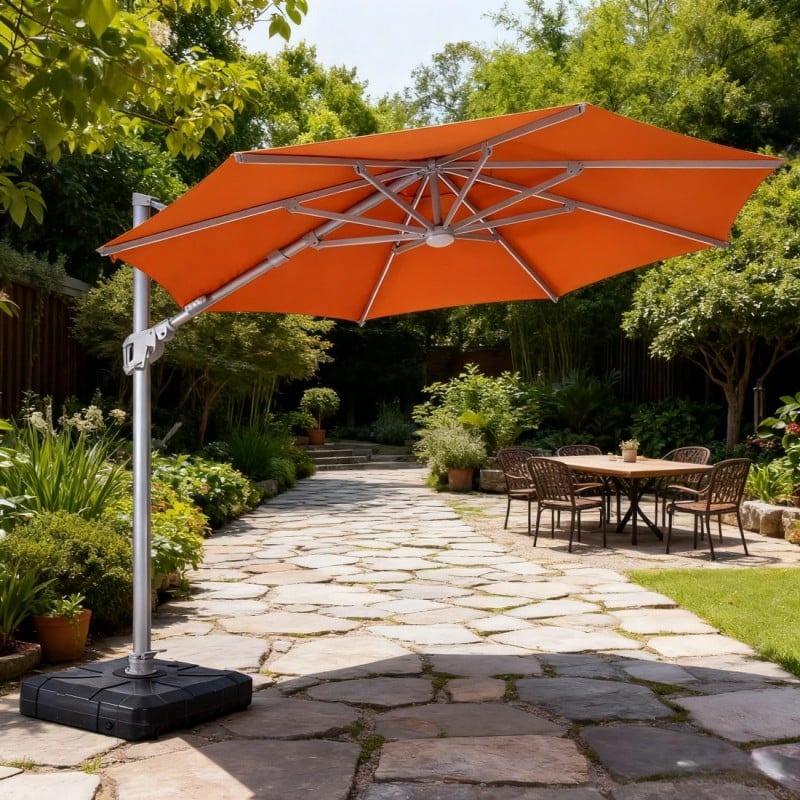
The financial implications of choosing poorly protected cantilever umbrella frames extend far beyond initial procurement costs. Contractors who prioritize corrosion resistance evaluation during the specification phase protect their reputation, reduce warranty claims, and ensure that installed shade structures maintain aesthetic appeal and functional performance throughout their intended service life. This comprehensive examination reveals why evaluating corrosion resistance should rank among the highest priorities when contractors assess cantilever umbrella options for commercial applications, and how this evaluation translates into tangible business advantages across diverse installation scenarios.
The Financial Impact of Corrosion on Commercial Shade Installations
Direct Maintenance and Replacement Costs
When contractors install cantilever umbrella systems without adequate corrosion protection, the financial consequences emerge within months rather than years. Corrosion begins as surface oxidation but rapidly progresses to structural degradation that compromises load-bearing capacity and safety margins. Commercial clients expect shade structures to perform reliably for seven to fifteen years depending on environmental conditions, yet poorly protected frames often require intervention within two to three seasons. The direct costs include emergency repairs, premature component replacement, and labor expenses that substantially exceed the initial savings from selecting less expensive options with inferior corrosion resistance.
The replacement cycle accelerates dramatically in coastal environments, poolside installations, and regions with high humidity or industrial pollution. A standard commercial cantilever umbrella installation serving a resort pool deck might face corrosion-related failures affecting pivot mechanisms, pole assemblies, and structural joints within eighteen months if inadequate protection exists. Contractors bear responsibility for these failures through warranty obligations, and the costs compound when considering equipment mobilization, site access coordination, and operational disruptions to the client's business during repair work.
Reputation Risk and Client Relationship Damage
Beyond quantifiable repair expenses, corrosion failures in cantilever umbrella installations damage contractor reputations in ways that affect future business opportunities. Hospitality and commercial property managers communicate extensively within professional networks, and visible shade structure deterioration becomes a lasting testament to installation quality. When guests observe rust staining, flaking finishes, or structural instability in outdoor amenities, these impressions reflect poorly on the property and by extension on the contractor who specified and installed the equipment.
Contractors who consistently evaluate and prioritize corrosion resistance build competitive advantages through demonstrated expertise and client satisfaction. A cantilever umbrella system that maintains structural integrity and visual appeal after five years of coastal exposure becomes a powerful reference project, while corroded installations generate negative word-of-mouth that undermines marketing efforts and reduces bid competitiveness on subsequent projects.
Lifecycle Cost Analysis Reveals True Value
Sophisticated contractors employ lifecycle cost analysis when evaluating cantilever umbrella options, calculating total ownership expenses rather than focusing exclusively on initial procurement prices. This analytical approach reveals that frames with superior corrosion resistance frequently deliver lower total costs despite higher upfront investments. The calculation includes purchase price, installation labor, expected maintenance frequency, repair part costs, replacement timing, and disposal expenses over a defined service period.
A comparative analysis might show that a cantilever umbrella with powder-coated aluminum construction and stainless steel hardware costs thirty percent more initially than a basic galvanized steel alternative. However, when evaluated over a ten-year period including anticipated maintenance interventions, the premium option often demonstrates fifteen to twenty-five percent lower total lifecycle costs. Contractors who present these analyses to clients demonstrate professional sophistication and position themselves as value consultants rather than mere equipment installers.
Environmental Factors That Accelerate Corrosion in Shade Structures
Coastal and Marine Environment Challenges
Cantilever umbrella installations within three miles of saltwater bodies face extraordinarily aggressive corrosion conditions that rapidly attack inadequately protected metal components. Salt-laden air contains chloride ions that penetrate protective coatings and initiate electrochemical reactions on metal surfaces, with corrosion rates in marine environments exceeding inland conditions by factors of five to ten. Contractors specifying shade structures for beachfront resorts, marina facilities, or coastal restaurants must recognize these harsh realities and evaluate corrosion resistance accordingly.
The corrosion mechanism in coastal environments combines moisture, oxygen, and salt to create persistent electrolytic activity that attacks ferrous metals with particular aggression. Even stainless steel grades demonstrate vulnerability without proper alloy selection, while standard carbon steel components fail catastrophically within months. Contractors evaluating cantilever umbrella options for marine applications should specifically investigate protective coating systems, aluminum alloy compositions, and hardware material specifications that address chloride exposure through proven resistance rather than optimistic assumptions.
Poolside Installation Considerations
Swimming pool environments present unique corrosion challenges that combine chlorine exposure, elevated humidity, and water splashing that maintains constant moisture on metal surfaces. Commercial pool decks serving hotels, resorts, and recreational facilities require cantilever umbrella systems capable of withstanding chlorinated water contact without degradation. Chlorine acts as a powerful oxidizer that attacks protective coatings and accelerates metal corrosion through chemical rather than purely electrochemical mechanisms.
Contractors installing shade structures around pools should evaluate corrosion resistance with specific attention to coating durability under chlorine exposure, drainage design that prevents water accumulation in structural cavities, and material selections that resist chemical attack. A cantilever umbrella frame with inadequate protection will show visible deterioration within a single season of pool operation, with rust staining appearing on deck surfaces and structural components exhibiting pitting corrosion that compromises strength and safety.
Industrial and Urban Pollution Effects
Urban and industrial environments expose cantilever umbrella installations to acidic pollutants, particulate contamination, and chemical compounds that accelerate corrosion through mechanisms distinct from marine or chlorine exposure. Sulfur dioxide from combustion processes combines with atmospheric moisture to form dilute sulfuric acid that attacks metal surfaces, while industrial emissions may include various corrosive compounds depending on local manufacturing activities.
Contractors working in metropolitan areas or near industrial zones must evaluate corrosion resistance with awareness that pollution effects accumulate gradually but persistently. A cantilever umbrella serving an urban restaurant patio or corporate campus may appear satisfactory initially but demonstrate progressive deterioration as acidic deposition and particulate accumulation compromise protective finishes. Material specifications should address these environmental factors through enhanced coating systems and corrosion-resistant alloy selections that maintain performance despite pollution exposure.
Material Science and Protective Technologies for Frame Durability
Aluminum Alloy Performance Characteristics
Modern cantilever umbrella designs increasingly utilize aluminum alloys that combine favorable strength-to-weight ratios with inherent corrosion resistance derived from natural oxide layer formation. Marine-grade aluminum alloys containing magnesium and silicon deliver mechanical properties suitable for structural applications while demonstrating excellent resistance to atmospheric corrosion without supplementary protective treatments. Contractors evaluating aluminum-framed cantilever umbrella options should investigate specific alloy designations, with 6061-T6 and 5052 grades offering proven performance in outdoor applications.
The corrosion resistance mechanism in aluminum differs fundamentally from protective coatings applied to ferrous metals. When exposed to oxygen, aluminum spontaneously forms a thin, dense oxide layer that prevents further oxidation and protects underlying metal from environmental attack. This passive protection regenerates if damaged, providing self-healing characteristics that enhance long-term durability. Contractors should recognize that while aluminum offers superior corrosion resistance, proper alloy selection and fabrication quality remain critical to achieving expected performance.
Stainless Steel Component Integration
Hardware components including fasteners, pivot assemblies, and adjustment mechanisms in cantilever umbrella systems require particular attention regarding corrosion resistance, as these smaller elements often determine overall system longevity despite representing minor cost fractions. Stainless steel grades offer exceptional corrosion resistance when properly specified, with 316-grade stainless providing marine-suitable performance through molybdenum additions that enhance resistance to chloride attack.
Contractors should specifically evaluate hardware specifications rather than assuming adequate corrosion protection based on general system descriptions. A cantilever umbrella with aluminum structural components but carbon steel fasteners represents a fundamental design flaw that guarantees premature failure through galvanic corrosion and direct hardware deterioration. The incremental cost difference between standard and marine-grade stainless steel hardware rarely exceeds five percent of total system value yet dramatically affects service life and maintenance requirements.
Advanced Coating System Technologies
When cantilever umbrella designs incorporate steel components for structural or economic reasons, protective coating systems become critical determinants of corrosion resistance and long-term performance. Modern powder coating technologies deliver superior protection compared to traditional liquid paints through thermally bonded finishes that create uniform, dense barriers against moisture and corrosive agents. High-performance powder coatings formulated for outdoor exposure incorporate UV stabilizers, corrosion inhibitors, and flexible resins that accommodate thermal expansion without cracking.
Contractors evaluating coating-dependent corrosion protection should investigate specific coating types, application processes, and manufacturer warranties that substantiate durability claims. Electrostatic powder coating applied over zinc-rich primers provides multi-layer protection combining sacrificial galvanic action with barrier properties. The coating thickness, cure schedule, and surface preparation quality determine actual performance, with inadequate processes delivering protection that fails within months despite appealing initial appearance.
Evaluation Methods and Specification Best Practices
Material Documentation and Certification Review
Thorough contractor evaluation of cantilever umbrella corrosion resistance begins with demanding comprehensive material documentation from manufacturers and suppliers. Reputable producers provide detailed specifications identifying aluminum alloy grades, stainless steel classifications, coating system compositions, and protective treatment processes with traceable certifications. Contractors should request and verify material test reports, coating thickness measurements, salt spray test results, and compliance certifications with relevant industry standards.
The documentation review process reveals manufacturer commitment to quality and provides contractual protection when performance issues emerge. A cantilever umbrella supplier unwilling to provide material certifications and detailed specifications signals potential quality concerns that warrant serious consideration. Contractors establishing documentation requirements in procurement specifications create accountability mechanisms and demonstrate professional diligence that protects both their interests and client investments.
Environmental Condition Matching
Effective corrosion resistance evaluation requires matching cantilever umbrella material specifications to actual installation environment characteristics rather than applying generic solutions across diverse conditions. Contractors should systematically assess project-specific factors including proximity to saltwater, pool chemical exposure, industrial pollution levels, humidity patterns, and maintenance capability when establishing specification requirements.
A standardized evaluation matrix helps contractors categorize projects by corrosion severity and select appropriate protection levels accordingly. Mild inland environments with regular maintenance might accommodate powder-coated steel construction, while severe coastal exposures demand marine-grade aluminum with stainless steel hardware. This systematic approach prevents both over-specification that increases costs unnecessarily and under-specification that guarantees premature failure.
Warranty Analysis and Long-Term Support
Manufacturer warranty terms provide valuable indicators of corrosion resistance confidence and represent important risk transfer mechanisms for contractors. Comprehensive warranties covering structural integrity, finish durability, and corrosion-related failures for extended periods suggest manufacturer confidence in material selections and fabrication quality. Contractors should carefully analyze warranty language regarding coverage limitations, maintenance requirements, and claim procedures that affect practical value.
A cantilever umbrella warranty excluding coastal installations or requiring monthly maintenance procedures may indicate inadequate corrosion protection for demanding applications. Conversely, warranties offering unconditional coverage for seven to ten years including finish integrity demonstrate superior protection and provide contractors with recourse when unexpected failures occur. The warranty evaluation should consider manufacturer stability and support infrastructure that determines whether coverage represents genuine protection or empty promises.
Implementation Strategies for Corrosion-Resistant Installations
Installation Detail Optimization
Even cantilever umbrella systems with excellent inherent corrosion resistance require proper installation practices that prevent moisture accumulation, facilitate drainage, and avoid material compatibility issues that accelerate deterioration. Contractors should develop installation protocols addressing mounting surface preparation, anchor system material compatibility, electrical grounding where applicable, and detail design that prevents water entrapment in structural cavities.
Base mounting details deserve particular attention, as the interface between cantilever umbrella frames and concrete or paving surfaces creates conditions conducive to crevice corrosion and moisture retention. Proper installation includes drainage provisions, isolation gaskets preventing dissimilar metal contact, and sealant applications that exclude moisture without trapping water. These details often determine whether superior material specifications deliver expected performance or suffer premature failure through installation-induced vulnerabilities.
Maintenance Program Development
Corrosion resistance evaluation should extend beyond material selection to encompass maintenance program development that preserves protective systems and identifies emerging issues before they escalate. Contractors who provide clients with comprehensive maintenance guidelines and training demonstrate professional thoroughness and create service revenue opportunities through ongoing support relationships.
Effective maintenance programs for cantilever umbrella installations include regular cleaning schedules using appropriate methods and materials, periodic inspection protocols identifying coating damage or corrosion initiation, and documented procedures for minor repairs that prevent deterioration progression. The maintenance requirements vary significantly based on environmental severity and material selections, with coastal installations demanding more frequent attention than protected inland locations.
Documentation and Performance Monitoring
Professional contractors establish documentation systems that track cantilever umbrella performance over time, creating valuable data that informs future specification decisions and demonstrates due diligence in quality assurance. Installation records should include material certifications, environmental assessments, maintenance logs, and periodic condition assessments that establish performance baselines and track deterioration patterns.
This systematic approach provides contractors with empirical evidence supporting material recommendations and identifies suppliers delivering superior actual performance versus marketing claims. A cantilever umbrella installation demonstrating excellent corrosion resistance after five years of coastal exposure validates specification decisions and creates compelling case studies for future marketing efforts. Conversely, unexpected deterioration triggers investigation that may reveal installation issues, environmental factors exceeding initial assessments, or material quality deficiencies requiring supplier accountability.
FAQ
How does corrosion resistance in cantilever umbrella frames affect total project costs for contractors?
Corrosion resistance directly influences total project costs through multiple mechanisms including initial material expenses, warranty obligations, maintenance requirements, and replacement timing. Contractors who specify cantilever umbrella systems with superior corrosion protection typically incur ten to thirty percent higher procurement costs but realize fifteen to forty percent lower lifecycle expenses when accounting for reduced maintenance interventions, extended service life, and avoided warranty claims. The financial impact becomes particularly significant in harsh environments where inadequate corrosion resistance leads to failures within two to three years requiring complete system replacement. Professional lifecycle cost analysis consistently demonstrates that investing in enhanced corrosion resistance delivers superior financial outcomes despite higher upfront costs, while protecting contractor reputation and client relationships that generate long-term business value.
What specific material specifications should contractors require when evaluating cantilever umbrella corrosion resistance?
Contractors should establish material specification requirements that address structural frame composition, hardware components, and protective coating systems with verifiable performance standards. For aluminum construction, specifications should require marine-grade alloys meeting 6061-T6 or 5052 standards with documented composition and mechanical properties. Stainless steel hardware must meet 316-grade specifications for coastal and pool applications, with material certifications confirming chromium and molybdenum content. Coating systems should specify powder coating type, minimum thickness measurements, cure schedules, and salt spray test performance exceeding one thousand hours without failure. Contractors should require manufacturers to provide material test reports, coating thickness documentation, and compliance certifications with relevant ASTM standards rather than accepting general claims of corrosion resistance without substantiation.
Why do coastal cantilever umbrella installations require different corrosion protection than inland projects?
Coastal environments create extraordinarily aggressive corrosion conditions through salt-laden air containing chloride ions that penetrate protective coatings and initiate electrochemical reactions at rates five to ten times higher than inland locations. The combination of persistent humidity, salt deposition, and oxygen availability maintains continuous corrosive activity that rapidly attacks inadequately protected metals. Cantilever umbrella frames suitable for inland applications often fail within months when installed in coastal settings due to chloride-induced pitting corrosion and coating degradation. Coastal projects require enhanced protection through marine-grade aluminum alloys, 316-grade stainless steel hardware, and high-performance coating systems specifically formulated for salt exposure. The material cost premium for coastal-suitable specifications typically ranges from twenty to forty percent above standard products but represents essential investment preventing catastrophic failures and ensuring acceptable service life in these demanding environments.
How can contractors verify actual corrosion resistance performance rather than relying on manufacturer claims?
Contractors should implement verification strategies including material certification review, independent testing when project scale justifies investment, reference project inspection, and systematic performance documentation over time. Requesting detailed material specifications with traceable certifications establishes accountability and reveals manufacturers unwilling to substantiate claims. Site visits to existing installations in similar environmental conditions provide empirical evidence of actual long-term performance under real-world exposure. For significant projects, contractors can engage independent testing laboratories to conduct salt spray testing, coating adhesion evaluation, and material composition verification on sample products. Establishing internal documentation systems that track cantilever umbrella performance across multiple projects creates valuable empirical databases that identify suppliers consistently delivering superior corrosion resistance versus those whose products underperform marketing claims, enabling evidence-based specification decisions that reduce risk and improve client outcomes.
Table of Contents
- The Financial Impact of Corrosion on Commercial Shade Installations
- Environmental Factors That Accelerate Corrosion in Shade Structures
- Material Science and Protective Technologies for Frame Durability
- Evaluation Methods and Specification Best Practices
- Implementation Strategies for Corrosion-Resistant Installations
-
FAQ
- How does corrosion resistance in cantilever umbrella frames affect total project costs for contractors?
- What specific material specifications should contractors require when evaluating cantilever umbrella corrosion resistance?
- Why do coastal cantilever umbrella installations require different corrosion protection than inland projects?
- How can contractors verify actual corrosion resistance performance rather than relying on manufacturer claims?