
 EN
EN
Creating a safe outdoor path using garden lights transforms your exterior spaces into functional, secure areas that remain accessible after sunset while enhancing the aesthetic appeal of your landscape. Properly illuminated pathways prevent accidents, guide visitors safely through your property, and add architectural dimension to gardens, driveways, and walkways. The strategic placement of garden lights along outdoor paths addresses both practical safety concerns and design considerations, ensuring that every step taken during evening hours is confident and secure. Whether you're designing lighting for residential walkways, commercial properties, or expansive garden estates, understanding how to effectively use garden lights creates outdoor environments that balance visibility, ambiance, and energy efficiency throughout all seasons.
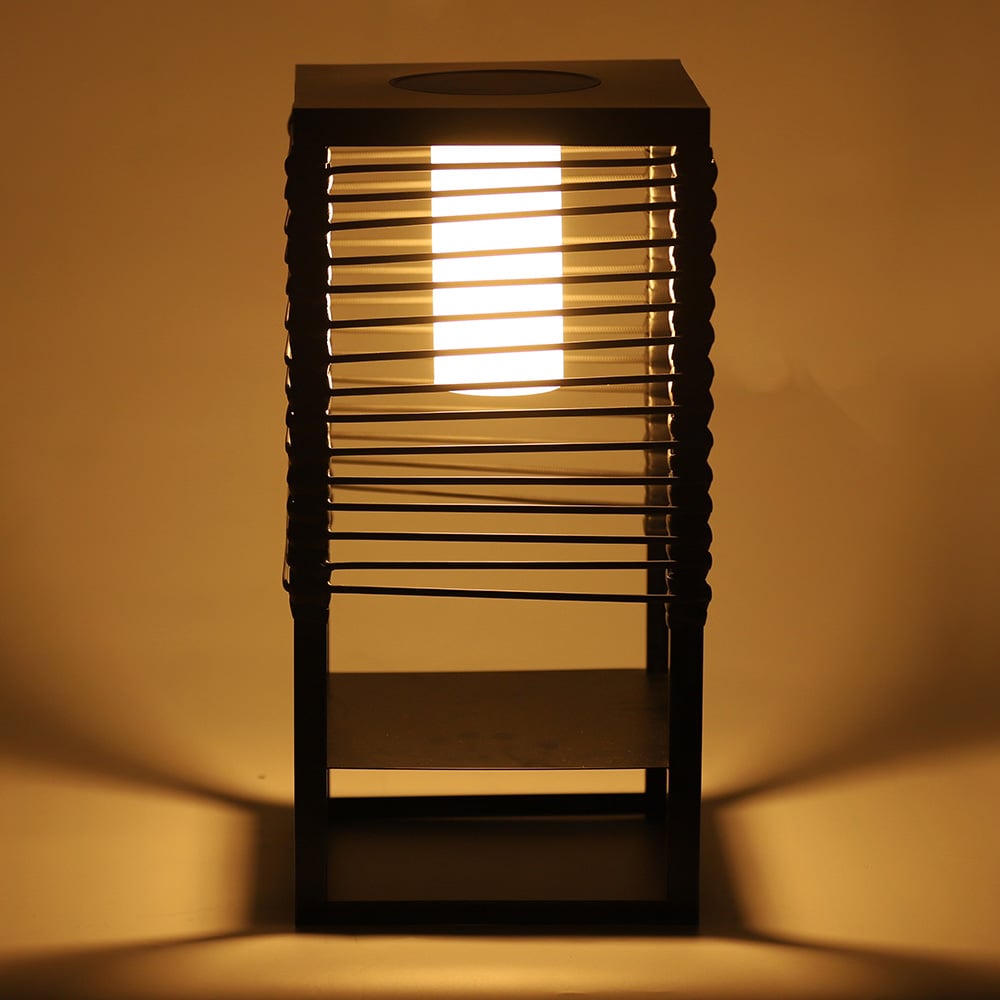
The foundation of a safe outdoor path begins with recognizing that illumination serves multiple purposes beyond simple visibility. Garden lights must provide adequate brightness to reveal path edges, surface irregularities, steps, and potential hazards while creating visual continuity that guides movement naturally from one area to another. The selection, spacing, installation height, and light distribution pattern of your fixtures directly influence how effectively your pathway lighting performs its safety function. This comprehensive approach to outdoor path lighting considers foot traffic patterns, surrounding landscape features, existing ambient light sources, and the specific challenges presented by your property's unique topography and usage requirements.
Understanding Path Safety Requirements and Lighting Principles
Determining Adequate Illumination Levels for Pathway Safety
Establishing appropriate illumination levels for outdoor paths requires balancing sufficient brightness for safe navigation with avoiding excessive glare that impairs vision or creates harsh lighting environments. Residential pathway applications typically require illumination levels between two and five foot-candles measured at ground level, while commercial properties may demand higher intensities depending on traffic volume and liability considerations. Garden lights positioned along paths should create overlapping pools of light that eliminate dark gaps where trip hazards become invisible, with particular attention to transition zones where lighting levels change significantly.
The color temperature of your garden lights significantly impacts visibility and safety perception along outdoor paths. Warm white light in the 2700K to 3000K range creates inviting atmospheres suitable for residential settings while providing adequate color rendering to distinguish path materials and obstacles. Cooler temperatures between 4000K and 5000K increase visual acuity and alertness, making them appropriate for areas requiring heightened security awareness or commercial applications. The consistent color temperature across all pathway garden lights maintains visual coherence and prevents disorienting variations that can affect depth perception and spatial orientation during nighttime navigation.
Identifying Critical Safety Zones Along Outdoor Paths
Certain pathway areas demand enhanced illumination from garden lights due to increased accident risk or navigational complexity. Steps, grade changes, intersections, curves, and transitions between different surface materials represent critical safety zones requiring additional lighting attention. Installing garden lights immediately before and after these features ensures visitors receive advance warning of upcoming changes in path conditions, allowing time for appropriate adjustments in gait and attention. The placement of fixtures at decision points where paths branch or connect with other circulation routes guides movement choices and prevents confusion that could lead to unsafe off-path wandering.
Obstacle zones near pathways require careful consideration when positioning garden lights to maintain clear sightlines. Overhanging vegetation, low branches, architectural features, and landscape elements positioned adjacent to walking surfaces need illumination that reveals their presence without creating confusing shadow patterns. The directional characteristics of your garden lights should minimize shadows cast across the path surface while highlighting potential hazards at their sources. Strategic fixture placement creates three-dimensional awareness of the environment surrounding pathways, enabling users to navigate safely while appreciating landscape features rather than perceiving them as threats.
Establishing Consistent Light Distribution Patterns
Uniform light distribution along outdoor paths prevents the alternating bright and dark zones that cause visual adaptation difficulties and obscure hazards. Garden lights should be spaced according to their light output characteristics, beam angles, and mounting heights to create continuous illumination without excessive overlap or wasteful redundancy. Path fixtures with asymmetric light distribution patterns direct illumination efficiently onto walking surfaces while minimizing light trespass into adjacent planting areas or neighboring properties, maximizing the safety benefit of each installed fixture.
The mounting height of garden lights relative to path width influences both coverage efficiency and glare control. Lower-mounted fixtures between twelve and twenty-four inches high create intimate lighting scales appropriate for narrow residential paths while reducing the risk of direct glare into the eyes of path users. Taller garden lights extending thirty-six to forty-eight inches provide broader coverage suitable for wider pathways and can accommodate higher lumen outputs without excessive brightness at eye level. The relationship between fixture height, beam spread, and spacing distance determines the uniformity ratio across your pathway, with professional installations targeting maximum-to-minimum illumination ratios not exceeding 4:1 for optimal safety and visual comfort.
Selecting Appropriate Garden Light Fixtures for Path Applications
Evaluating Fixture Types Based on Path Characteristics
The selection of garden lights for pathway applications depends on matching fixture characteristics to specific path requirements including width, surface material, surrounding landscape context, and aesthetic objectives. Bollard-style fixtures provide robust construction suitable for high-traffic areas while offering vandal resistance and impact protection from maintenance equipment or accidental contact. Post-mounted garden lights create traditional pathway aesthetics with greater visibility during daytime hours, while stake-mounted fixtures offer installation flexibility and easy repositioning as landscape plantings mature and path usage patterns evolve over time.
Solar-powered garden lights present sustainable pathway lighting solutions that eliminate wiring requirements and reduce ongoing operational costs, though their performance depends on adequate daytime solar exposure and battery capacity sufficient for required operating durations. Low-voltage wired systems deliver consistent illumination independent of weather conditions while enabling centralized control and dimming capabilities that adjust lighting levels according to time schedules or ambient conditions. The decision between solar and wired garden lights for path safety involves assessing site-specific factors including available sunlight, desired reliability standards, installation budget constraints, and long-term maintenance considerations that affect total ownership costs.
Assessing Light Output and Energy Efficiency
Modern LED technology dominates garden lights for pathway applications due to superior energy efficiency, extended operational lifespans, and improved light quality compared to legacy incandescent or halogen sources. LED garden lights typically deliver 80 to 120 lumens per watt compared to 10 to 20 lumens per watt for traditional technologies, dramatically reducing energy consumption while providing equivalent or superior illumination. The directional nature of LED light emission enables more efficient optical designs that place light precisely where needed along pathways rather than wasting output in unproductive directions, further enhancing the effective efficiency of LED-based garden lights.
Selecting appropriate lumen outputs for pathway garden lights requires considering fixture spacing, mounting height, reflective properties of path surfaces, and ambient light conditions. Individual fixtures for residential path applications typically range from 50 to 200 lumens depending on these variables, while commercial installations may specify higher outputs to meet enhanced visibility standards. The relationship between lumens, fixture efficiency, and wattage determines operational costs, with modern LED garden lights often consuming less than five watts per fixture while delivering adequate pathway illumination. Evaluating total system efficiency rather than individual fixture specifications ensures optimal performance per watt invested across the complete pathway lighting installation.
Considering Weather Resistance and Durability Requirements
Outdoor exposure subjects garden lights to environmental stresses including precipitation, temperature extremes, UV radiation, and physical impacts that demand robust construction and appropriate ingress protection ratings. Pathway fixtures should meet minimum IP65 ratings ensuring protection against dust ingress and water jets from any direction, with IP67 or IP68 ratings providing additional security for locations subject to flooding, heavy snow accumulation, or intensive irrigation. Material selection significantly impacts longevity, with aluminum, stainless steel, and engineered polymers offering superior corrosion resistance compared to basic painted steel that deteriorates rapidly in moist environments.
The mechanical stability of garden lights along pathways prevents damage from wind loading, ground movement, or incidental contact during landscape maintenance activities. Fixtures with substantial ground stakes, robust mounting plates, or concrete-set posts maintain proper positioning and orientation throughout seasonal freeze-thaw cycles and soil settling. Lens materials should resist yellowing, cracking, and impact damage over extended service periods, with tempered glass and UV-stabilized polycarbonate providing superior performance compared to basic acrylic alternatives. Selecting garden lights engineered for long-term outdoor durability reduces replacement frequency, maintenance costs, and the operational disruptions associated with frequent fixture failures along critical safety pathways.
Implementing Effective Installation Techniques for Path Lighting
Planning Fixture Spacing and Positioning Strategy
Systematic planning of garden lights spacing along pathways ensures consistent illumination without gaps or excessive redundancy that wastes resources. Begin by measuring the complete path length and identifying locations requiring enhanced lighting such as steps, turns, intersections, and areas with complex terrain. Calculate initial fixture spacing based on manufacturer specifications for light distribution at your intended mounting height, then adjust positioning to align fixtures with landscape features, avoid conflicts with plantings, and create visually balanced arrangements that complement path geometry rather than appearing randomly scattered.
The placement of garden lights relative to path edges influences both illumination effectiveness and visual guidance. Fixtures positioned slightly outside the pathway boundary direct light inward onto walking surfaces while defining path edges through their physical presence and light patterns. Alternating garden lights on opposite sides of wider paths creates rhythmic visual interest and more uniform coverage compared to single-side installations, though narrower residential walkways often achieve adequate illumination with fixtures placed along one edge only. Consider sight lines from primary viewing locations including home entrances and outdoor living areas to ensure garden lights enhance rather than obstruct landscape vistas during both day and nighttime hours.
Executing Proper Installation and Electrical Connections
Professional installation of wired garden lights along pathways begins with planning electrical routing that minimizes excavation impacts on established landscapes while ensuring code compliance and system reliability. Low-voltage systems typically operate at twelve or twenty-four volts supplied through buried cables sized appropriately for total fixture loads and wire run lengths. Calculate voltage drop across the distribution system to prevent dimming at distant fixtures, with voltage at the furthest garden lights maintained within ten percent of transformer output. Use direct burial cable rated for underground service, installed at depths meeting local electrical codes, typically twelve to eighteen inches below finished grade with warning tape positioned above cables to alert future excavators.
Securing garden lights in stable, level positions prevents tilting and misalignment that compromise illumination patterns and create unprofessional appearances. Ground stakes should penetrate sufficiently deep to resist frost heaving and wind forces, typically eight to twelve inches depending on soil conditions and fixture size. For hard surface installations adjacent to paved paths, use mounting plates fastened with appropriate concrete anchors or set posts in concrete footings that extend below frost depth. Ensure all electrical connections use waterproof connectors or junction boxes rated for burial, with connections wrapped in self-amalgamating tape and sealed with dielectric grease to prevent corrosion that causes premature failures in outdoor lighting systems.
Adjusting and Testing the Completed Installation
After installing all garden lights along pathways, conduct comprehensive testing and adjustment to optimize illumination patterns and verify safety objectives are achieved. Walk the complete path during nighttime conditions similar to typical usage, noting any dark spots, excessive glare, or areas where lighting direction needs modification. Many garden lights feature adjustable heads or shields that direct light precisely onto pathways while minimizing light pollution into adjacent areas. Fine-tune these adjustments to create smooth illumination transitions, eliminate harsh contrasts, and ensure all potential hazards remain clearly visible under the installed lighting conditions.
Measure actual illumination levels at ground surface using a light meter to verify compliance with design targets and identify any locations requiring supplemental fixtures or output adjustments. Document the final garden lights configuration including fixture locations, orientations, and any special settings or adjustments to facilitate future maintenance and system modifications. Consider implementing dimming controls or timers that reduce light output during late-night hours when pathway traffic diminishes, extending fixture lifespans and reducing energy consumption while maintaining adequate illumination for occasional users. The commissioning process ensures your completed pathway lighting installation delivers the intended safety benefits while operating efficiently and reliably throughout its service life.
Maintaining Garden Lights for Sustained Path Safety
Establishing Routine Cleaning and Inspection Protocols
Regular maintenance of garden lights along pathways preserves illumination effectiveness and extends fixture operational lifespans. Develop a seasonal cleaning schedule that removes accumulated dirt, pollen, insect debris, and water deposits from lenses and reflectors that progressively reduce light output and alter distribution patterns. Use soft cloths and mild detergent solutions appropriate for fixture materials, avoiding abrasive cleaners or rough scrubbing that scratches protective coatings and accelerates weathering. Inspect mounting hardware for corrosion, looseness, or damage during cleaning sessions, tightening connections and replacing deteriorated components before failures occur.
Systematic inspection of electrical components prevents unexpected outages that compromise pathway safety during critical usage periods. Check all visible wiring for damage from landscape maintenance equipment, animal activity, or environmental deterioration, repairing or replacing compromised cables before moisture ingress causes shorts or corrosion. Verify that all garden lights along pathways illuminate consistently without flickering, dimming, or color shifts indicating impending failures. Test ground fault protection devices and transformers annually to ensure protective systems function properly, maintaining electrical safety for both maintenance personnel and property users.
Managing Vegetation Growth Around Path Fixtures
Landscape plantings surrounding pathways require ongoing management to prevent interference with garden lights performance and maintain intended illumination patterns. Trim vegetation that grows to obstruct light output or create excessive shadows across walking surfaces, maintaining clearances that preserve both fixture effectiveness and plant health. Consider the mature sizes of newly installed plantings when positioning garden lights to minimize future conflicts requiring either fixture relocation or aggressive plant pruning that compromises landscape aesthetics. Seasonal growth cycles may require more frequent attention during spring and summer months when rapid vegetation development can quickly impact lighting performance.
Root growth from trees and shrubs near pathways can disturb garden lights positioning, lift pavement, and damage buried electrical cables over time. Monitor for signs of root-induced movement or damage, repositioning affected fixtures and installing root barriers where necessary to protect infrastructure investments. The symbiotic relationship between landscape plantings and garden lights requires balanced maintenance that preserves both elements, with strategic plant selection favoring species whose growth habits complement lighting objectives rather than competing with fixtures for space or creating excessive maintenance burdens.
Updating Technology and Replacing Failed Components
Advancing garden lights technology creates opportunities to enhance pathway safety and efficiency through periodic system upgrades. LED retrofit kits enable replacement of legacy light sources in existing fixtures with modern high-efficiency alternatives, reducing energy consumption while improving light quality and reliability. Evaluate upgrade economics considering energy savings, reduced maintenance costs, and performance improvements against investment requirements, with many retrofits achieving payback periods under three years in commercial applications. Wholesale fixture replacement becomes appropriate when housing deterioration, obsolete technology, or changed aesthetic preferences outweigh the value of incremental component updates.
Maintain an inventory of replacement parts including lamps, lenses, stakes, and common electrical components to enable rapid repairs that minimize the duration pathway lighting remains compromised. Source replacement components from original manufacturers when possible to ensure compatibility and performance consistency, though aftermarket alternatives may offer cost advantages for mature installations approaching end-of-life. Document all maintenance activities, component replacements, and system modifications to build institutional knowledge about garden lights performance characteristics, failure patterns, and optimal maintenance practices specific to your pathway installation and environmental conditions.
FAQ
What is the recommended spacing between garden lights along outdoor paths?
Garden lights spacing along outdoor paths typically ranges from six to ten feet depending on fixture light output, beam angle, mounting height, and path width. Lower-wattage fixtures or narrow beam angles require closer spacing to maintain adequate illumination without gaps, while higher-output garden lights with wider beam spreads can be positioned farther apart. Measure actual illumination at ground level during installation testing to verify that spacing produces consistent coverage without dark zones where trip hazards become invisible, adjusting fixture positions as needed to achieve uniform light distribution across the entire pathway length.
How many lumens do garden lights need to provide safe pathway illumination?
Individual garden lights for pathway applications typically require between 50 and 200 lumens depending on mounting height, spacing distance, and surrounding ambient light conditions. Residential paths with fixtures spaced eight feet apart generally perform well with 80 to 120 lumens per fixture, while commercial installations or areas with higher ambient light may require 150 to 200 lumens to maintain visibility standards. Calculate total illumination by considering the cumulative effect of multiple overlapping light patterns rather than evaluating individual fixture output in isolation, ensuring the combined result produces adequate ground-level illumination for safe navigation.
Should garden lights for pathways use warm or cool color temperatures?
Warm white garden lights in the 2700K to 3000K range create inviting residential pathway atmospheres while providing sufficient color rendering for safe navigation, making them the preferred choice for homes and hospitality environments. Cooler color temperatures between 4000K and 5000K increase visual acuity and perceived brightness, offering advantages for commercial properties, security-focused applications, or areas requiring enhanced alertness. Maintain consistent color temperature across all pathway garden lights to prevent disorienting variations, with transitions between different color zones occurring only at major decision points or when moving between functionally distinct areas of the property.
How do solar garden lights compare to wired fixtures for pathway safety?
Solar garden lights offer installation simplicity and zero operating costs but depend on adequate daytime sun exposure and battery capacity to maintain consistent illumination throughout required operating hours. Locations with significant shade, frequent overcast conditions, or extended winter nights may experience unreliable performance from solar fixtures that compromise pathway safety during critical usage periods. Wired garden lights deliver predictable, weather-independent illumination with centralized control capabilities but require professional installation, ongoing electrical costs, and more complex maintenance. Assess your specific site conditions, reliability requirements, budget constraints, and aesthetic preferences to determine whether solar or wired garden lights better serve your pathway safety objectives and long-term operational needs.