
 EN
EN
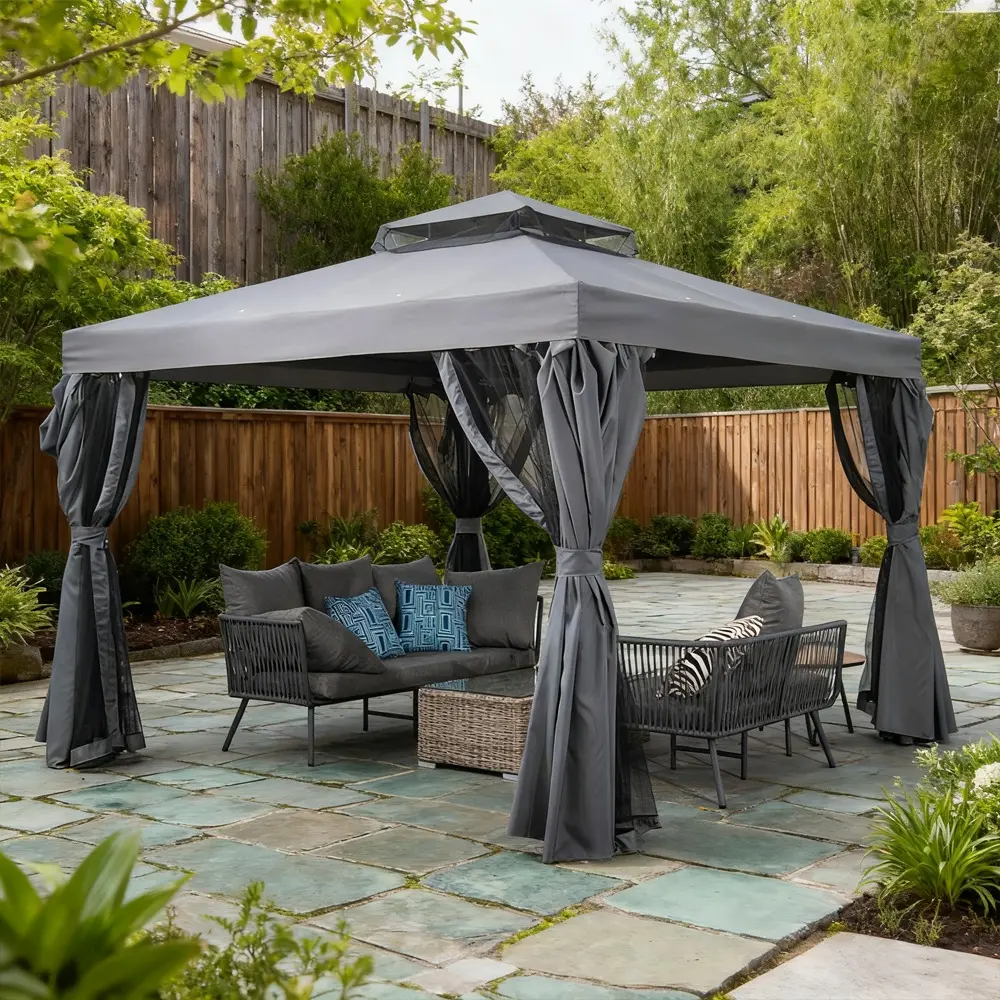
Przestrzenie zewnętrzne do życia na świeżym powietrzu przeszły daleko idącą ewolucję – od prostych tarasów do wyrafinowanych rozszerzeń domu, a nowoczesny altanek stał się ich centrum. Współcześni właściciele nieruchomości poszukują konstrukcji łączących elegancję architektoniczną z funkcjonalną wszechstronnością, tworząc obszary służące jako centra rozrywki, miejsca relaksu oraz wypowiedzi projektowe. Nowoczesna altanka stanowi radykalne odstępstwo od tradycyjnych ośmiokątnych konstrukcji drewnianych i wykorzystuje innowacyjne materiały, integrację inteligentnych technologii oraz koncepcje projektowe stawiające na pierwszym planie zarówno estetykę, jak i praktyczność. W miarę jak rośnie popyt na wysokiej klasy przestrzenie zewnętrzne, zrozumienie obecnych trendów w projektowaniu nowoczesnych altanek staje się niezbędne dla właścicieli nieruchomości, architektów krajobrazu oraz specjalistów z branży hotelarskiej i gastronomicznej, którzy chcą w pełni wykorzystać potencjał przestrzeni zewnętrznych.
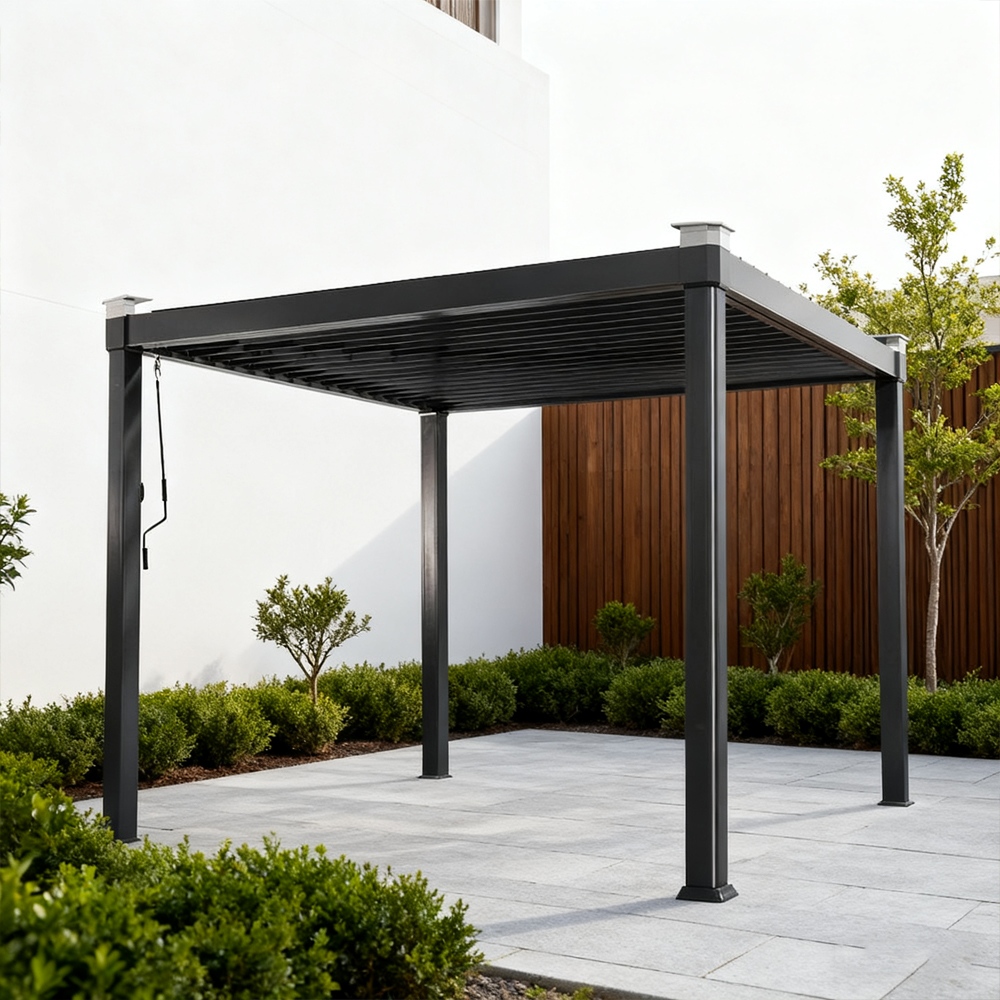
Przesunięcie w kierunku nowoczesnego projektowania gazebo odzwierciedla szersze trendy architektoniczne, które podkreślają czyste linie, materiały zrównoważone oraz bezszwowe połączenie przestrzeni wewnętrznej i zewnętrznej. W przeciwieństwie do ozdobnych poprzedników współczesne konstrukcje gazebo charakteryzują się minimalistycznymi sylwetkami, regulowanymi elementami oraz materiałami odpornymi na warunki atmosferyczne, zachowującymi atrakcyjny wygląd przez cały rok. Te trendy są odpowiedzią na zmieniające się wzorce stylu życia, w których przestrzenie zewnętrzne pełnią wiele funkcji przez cały rok, co wymaga konstrukcji dostosowanych do różnych warunków pogodowych oraz zapewniających komfortową i użytkowalną powierzchnię użytkową. Od aluminiowych dachów żaluzjowych z wbudowanym oświetleniem po bezramkowe ściany szklane i konfiguracje modułowe – nowoczesne gazebo stały się wyrafinowanym elementem architektonicznym, który zwiększa wartość nieruchomości, jednocześnie oferując praktyczne rozwiązania dla życia na zewnątrz.
Ewolucja architektoniczna w nowoczesności Gazebo Projekt
Minimalistyczne ramy konstrukcyjne
Współczesny, nowoczesny projekt altanki opiera się na minimalizmie dzięki uproszczonym konstrukcjom strukturalnym, które eliminują zbędne ozdobnictwo. Tendencja ta preferuje cienkie profile z aluminium lub stali, które maksymalizują widoczność przestrzeni, zapewniając jednocześnie solidne wsparcie konstrukcyjne. Podkreślenie czystej geometrii nadaje wrażenie lekkości wizualnej, dzięki czemu nowoczesna altanka uzupełnia, a nie dominuje projekt krajobrazu. Powłoki proszkowe w odcieniach neutralnych – takich jak matowy czarny, szary węglowy i brązowy – zastąpiły tradycyjne impregnaty drewniane, oferując trwałość oraz wyrafinowaną estetykę zgodną z językiem nowoczesnej architektury. Te dopracowane konstrukcje zmniejszają wrażenie masy wizualnej, sprawiając, że nowoczesna altanka postrzegana jest jako eleganckie przedłużenie intencji architektonicznych, a nie jako dodatek po fakcie.
Minimalizm strukturalny w nowoczesnej konstrukcji altanek odzwierciedla również postępy inżynieryjne umożliwiające silniejsze połączenia przy jednoczesnym ograniczeniu liczby widocznych elementów. Ukryte systemy mocowania, wbudowane kanały odpływowe oraz schowane trasy przewodów przyczyniają się do bezszwowej estetyki, która charakteryzuje współczesne konstrukcje zewnętrzne. Takie podejście nie tylko podnosi walory estetyczne, ale także ułatwia konserwację, ograniczając liczbę szczelin, w których gromadzi się brud. Wynikowa, nowoczesna altanka stanowi wyrafinowaną wizualną wypowiedź, która doskonale komponuje się z architekturą współczesnych domów, zapewniając przy tym funkcjonalność niezbędną do użytkowania na zewnątrz przez cały rok.
Precyzja geometryczna i konfiguracje modułowe
Współczesne trendy w zakresie altan podkreślają precyzję geometryczną, z prostokątnymi i kwadratowymi rzutami zastępującymi tradycyjne kształty ośmiokątne. Ten przesuw w kierunku geometrii ortogonalnej ułatwia układanie mebli, poprawia wykorzystanie przestrzeni oraz tworzy bardziej wyraźnie określone strefy w obszarach przeznaczonych na życie na zewnątrz. Systemy modułowe pozwalają właścicielom domów dostosować wymiary do konkretnych warunków terenowych i wymagań funkcjonalnych, przy użyciu standardowych modułów, które można łączyć w celu stworzenia większych zadaszonych powierzchni. Współczesna altana zaprojektowana zgodnie z zasadami projektowania modułowego oferuje skalowalność, umożliwiając późniejszą rozbudowę w miarę ewoluowania potrzeb związanych z życiem na zewnątrz.
Precyzyjne techniki wytwarzania zapewniają ścisłe допусki i spójną jakość komponentów w modułowych, nowoczesnych systemach altan. Wstępnie zaprojektowane punkty połączenia ułatwiają montaż, zachowując przy tym integralność konstrukcyjną, a ustandaryzowane wymiary ułatwiają integrację elementów uzupełniających, takich jak systemy osłonowe, oprawy oświetleniowe oraz funkcje kontroli klimatu. Ta geometryczna przejrzystość obejmuje także obliczenia nachylenia dachu, odstępy między słupami oraz ogólną proporcję konstrukcji, tworząc nowoczesne altany charakteryzujące się intencjonalnością architektoniczną. Wynikiem jest przestrzeń do życia na zewnątrz z wyraźnie określonymi granicami przestrzennymi, która wydaje się celowa, a nie przypadkowa, co poprawia zarówno jej użyteczność, jak i spójność wizualną.
Innowacje w materiałach i zrównoważony rozwój
Nowoczesne altany coraz częściej wykorzystują materiały zrównoważone, które łączą odpowiedzialność środowiskową z wymaganiami dotyczącymi wydajności. Ramy z recyklingowego aluminium, kompozytowe deski tarasowe certyfikowane przez FSC oraz powłoki o niskiej zawartości lotnych związków organicznych (VOC) stanowią paletę materiałową współczesnych konstrukcji zewnętrznych. Te wybory odzwierciedlają rosnącą świadomość konsumentów w zakresie wpływu na środowisko, zapewniając jednocześnie trwałość niezbędną w zastosowaniach zewnętrznych. Zaawansowane stopy aluminium stosowane przy budowie nowoczesnych altan oferują lepsze stosunki wytrzymałości do masy, odporność na korozję oraz wydajność termiczną w porównaniu z tradycyjnymi materiałami, co wydłuża okres użytkowania konstrukcji i zmniejsza zapotrzebowanie na konserwację.
Innowacje materiałowe obejmują również elementy tkaninowe – akryle barwione w masie oraz tekstylia techniczne zapewniają odporność na działanie promieni UV, odporność wodną i odporność na wyblakanie w systemach zacieniania składanych. Te materiały o wysokiej wydajności zachowują swój wygląd i funkcjonalność przez wiele sezonów, co zmniejsza częstotliwość wymiany oraz powstającą w związku z tym odpadów. Nowoczesny altanek wyposażony w materiały zrównoważone pokazuje, że świadoma postawa ekologiczna nie musi wpływać negatywnie na jakość estetyczną ani na wydajność funkcjonalną – przyciąga właścicieli domów, którzy przywiązują wagę zarówno do doskonałości projektowej, jak i odpowiedzialności ekologicznej w inwestycjach związanych z użytkowaniem przestrzeni zewnętrznej.
Integracja funkcjonalna i inteligentna technologia
Regulowane systemy dachów z listewkami
Jednym z najważniejszych nowoczesnych trendów w zakresie gazebo jest przyjęcie regulowanych systemów dachowych z laminacjami, które zapewniają dynamiczną kontrolę klimatu. W tych silnikowych lub ręcznych systemach znajdują się obracające się łupki, które pozwalają użytkownikom regulować przenik światła słonecznego, przepływ powietrza i ochronę przed deszczem w zależności od warunków pogodowych. Gdy nowoczesny gazebo z okładką z okładką dachu jest całkowicie zamknięte, tworzy śluzową otoczkę nadającą się do użytku w trudnych warunkach pogodowych, podczas gdy częściowo otwarte pozycje umożliwiają naturalną wentylację i zakręcony cień. Dzięki tej zdolności do adaptacji nowoczesne gazebo zmienia się z struktury przy pogodzie w cały rok przestrzeń na zewnątrz, która reaguje na zmiany sezonowe i codzienne warunki pogodowe.
Inżynieria stojących systemów z regulowanymi żaluzjami łączy precyzyjne wytwarzanie z wytrzymałymi mechanizmami napędowymi, zapewniającymi niezawodne działanie przez tysiące cykli. Zintegrowane kanały odpływowe w profilach żaluzji kierują wodę z obszaru przykrytego, zapobiegając jej gromadzeniu się i zapewniając suche warunki pod nowoczesnym gazebo . Zaawansowane systemy wyposażone są w czujniki deszczu, które automatycznie zamykają żaluzje na początku opadów, zapewniając ochronę nawet wtedy, gdy mieszkańcy nie przebywają w domu. Ta funkcjonalna zaawansowanie technologicznie przesuwa nowoczesne gazebo poza tradycyjne, statyczne konstrukcje, oferując wygodę oraz reaktywność na zmiany pogody, co zwiększa przyjemność korzystania z przestrzeni zewnętrznej przez cały rok.
Zintegrowane systemy oświetleniowe i elektryczne
Współczesny, nowoczesny projekt altany obejmuje zaawansowane systemy oświetleniowe, które wydłużają czas jej użytkowania do godzin wieczornych, tworząc przy tym przyjemną, atmosferyczną aurę. Wbudowane oprawy LED w belkach konstrukcyjnych zapewniają ogólne oświetlenie bez wizualnego zatłoczenia, podczas gdy oświetlenie obwodowe podkreśla linie architektoniczne i wyznacza granice przestrzenne. Regulowane jasności światła umożliwiają dostosowanie poziomu oświetlenia do różnych aktywności — od intymnych posiłków po energiczne imprezy towarzyskie. Integracja infrastruktury oświetleniowej już na etapie początkowej budowy nowoczesnej altany gwarantuje estetyczne, czyste wykonanie instalacji z ukrytymi przewodami, co jest zgodne z minimalistyczną estetyką stanowiącą podstawę współczesnego projektowania.
Ponad oświetlenie, integracja elektryczna w nowoczesnym gazebo wspiera wiele udogodnień, takich jak wentylatory sufitowe, systemy audio, stacje ładowania oraz urządzenia do regulacji klimatu. Wodoszczelne gniazda umieszczone w strategicznych miejscach umożliwiają korzystanie z sprzętu kuchennego, chłodnic napojów i elektroniki rozrywkowej bez konieczności stosowania przedłużaczy, które mogłyby zakłócać estetykę przestrzeni. Integracja z inteligentnym domem pozwala na sterowanie oświetleniem, wentylatorami oraz systemem przesuwnych lamel dachu za pomocą aplikacji mobilnych lub komend głosowych, zapewniając płynną obsługę zgodną z wygodą charakterystyczną dla wnętrz. Ta technologiczna integracja przekształca nowoczesne gazebo w pełnowartościową zewnętrzną przestrzeń użytkową, która pod względem komfortu i funkcjonalności dorównuje pomieszczeniom wewnętrznym.
Regulacja klimatu i dostosowanie do pór roku
Nowoczesne, zaawansowane projekty altan zawierają funkcje kontroli klimatu, które umożliwiają komfortowe korzystanie z nich w różnych warunkach pogodowych oraz przy skrajnych zmianach pór roku. Elementy grzewcze podczerwieni wbudowane w konstrukcję dachu zapewniają ciepło w chłodniejsze miesiące bez wpływu wizualnego na otoczenie, jak to ma miejsce w przypadku wolnostojących grzejników, co wydłuża okres użytkowania przestrzeni zewnętrznych. Mechanicznie rozwijane osłony, które wysuwają się z ukrytych obudów, zapewniają ochronę przed wiatrem i owadami, zachowując jednocześnie przejrzystość – tworząc w ten sposób komfortowe mikroklimaty w obrębie powierzchni nowoczesnej altany. Funkcje te eliminują główną ograniczającą cechę tradycyjnych konstrukcji zewnętrznych, zapewniając kontrolę środowiska zewnętrznego i czyniąc przestrzenie zewnętrzne rzeczywiście użytkowalnymi, a nie jedynie dekoracyjnymi.
Strategie wentylacji w nowoczesnych gazebo zapewniają równowagę między przepływem powietrza a ochroną przed warunkami atmosferycznymi dzięki regulowanym otworom, położeniu żaluzji oraz opcjonalnym panelom bocznym. Ścieżki wentylacji skrzyżowanej zapobiegają nagromadzeniu ciepła w miesiącach letnich, jednocześnie zapewniając ochronę przed bezpośrednim działaniem promieni słonecznych. W regionach o ekstremalnych warunkach pogodowych całkowicie zamknięte konfiguracje nowoczesnych gazebo z ruchomymi ścianami szklanymi tworzą pomieszczenia przeznaczone na trzy pory roku, które zacierają granice między środowiskiem wewnętrznym a zewnętrznym. Ta adaptowalność klimatyczna stanowi podstawowy przeskok w filozofii życia na zewnątrz, pozycjonując nowoczesne gazebo jako poważne inwestycje architektoniczne, a nie jedynie sezonowe akcesoria.
Integracja projektowa z programami życia na zewnątrz
Planowanie wielofunkcyjnej przestrzeni
Współczesny altanek coraz częściej pełni rolę organizacyjnego punktu odniesienia dla kompleksowych programów życia na zewnątrz, obejmujących strefy gotowania, spożywania posiłków, relaksu oraz rozrywki. Celowe umiejscowienie konstrukcji pozwala na wyznaczenie ścieżek ruchu oraz utworzenie hierarchii przestrzennej w ramach większych kompozycji krajobrazowych. Projektanci umieszczają współczesny altanek tak, aby zapewnić optymalne widoki, korzystną orientację względem słońca oraz odpowiednie powiązania dostępowe z przestrzeniami wewnętrznymi, traktując go jako świadomy element architektoniczny, a nie izolowaną cechę. Takie zintegrowane podejście zapewnia, że obszary zadaszone logicznie odnoszą się do otaczających elementów krajobrazu, stref basenowych oraz wejść do budynków.
W ramach nowoczesnego zadaszenia ogrodowego staranne zaplanowanie przestrzeni umożliwia realizację wielu funkcji dzięki strategiom strefowania oraz odpowiedniemu doborowi mebli. Wydzielone strefy przeznaczone na zewnętrzne kuchnie, stoły do obiadów oraz miejsca do relaksu tworzą wyraźnie oddzielone strefy aktywności, zachowując przy tym wrażenie wizualnej otwartości. Proporcje nowoczesnego zadaszenia ogrodowego wpływają na skalę i układ mebli – generozne wymiary zapewniają komfortowy przepływ ruchu oraz możliwość jednoczesnego wykonywania wielu czynności. Takie funkcjonalne zaplanowanie przekształca konstrukcję z prostego urządzenia zacieniającego w uniwersalną zewnętrzną przestrzeń życiową, zdolną służyć różnorodnym aktywnościom – od nieformalnej porannej kawy po oficjalne wieczorne spotkania.
Spójność materiałów i harmonia architektoniczna
Współczesna praktyka projektowa podkreśla ciągłość materiałową między nowoczesnym altaną a głównymi elementami architektonicznymi, tworząc spójność wizualną na całym terenie nieruchomości. Zgodne materiały dachowe, wzajemnie uzupełniające się palety kolorów oraz jednolite rozwiązania szczegółów wzmocniają połączenie pomiędzy domem a budowlą zewnętrzną. Gdy nowoczesna altana odzwierciedla język architektoniczny głównego budynku mieszkalnego poprzez profil kolumn, dobór wykończeń oraz proporcje, postrzegana jest jako celowe przedłużenie struktury, a nie dodatkowa konstrukcja montowana później. Ta harmonia projektowa podnosi ogólną estetykę nieruchomości, jednocześnie wzmacniając koncepcję życia w przestrzeniach wewnętrznych i zewnętrznych jako jednolitego doświadczenia mieszkaniowego.
Materiały do budowy elementów twardych otaczających nowoczesny gazebo przyczyniają się do wizualnej integracji poprzez spójne dobory, które ustalają hierarchię materiałów i definiują ścieżki komunikacyjne. Płytki podłogowe o tym samym lub uzupełniającym wzorze rozciągają się od posadzki wnętrza przez nowoczesny gazebo aż do otaczających obszarów krajobrazowych, tworząc płynne przejścia, które minimalizują wizualne przerwy. Spójne systemy balustrad, style opraw oświetleniowych oraz detale architektoniczne jeszcze bardziej wzmocniają związek między obszarami przykrytymi a otwartymi, tworząc spójne przestrzenie zewnętrzne, które wydają się celowo zaprojektowane, a nie stopniowo składane.
Integracja z krajobrazem i projektowanie biofiliczne
Współczesna tendencja w projektowaniu altan w kierunku przejrzystości i otwartości ułatwia silniejsze powiązania z otaczającymi elementami krajobrazu, wspierając zasady projektowania biofilicznego, które podkreślają relacje między człowiekiem a naturą. Celowe ujęcie widoków na elementy ogrodu, elementy wodne lub naturalne pejzaże przekształca współczesną altanę w platformę obserwacyjną, która wzmaga docenianie krajobrazu. Rośliny pnące szkolenie wzdłuż kolumn lub belek brzegowych łagodzą linie konstrukcyjne, wprowadzając jednocześnie zmienność sezonową oraz zainteresowanie fakturą. Takie połączenie żywych elementów z komponentami architektonicznymi tworzy dynamiczne kompozycje, które zmieniają się w ciągu całego roku.
Projekt krajobrazu wokół nowoczesnego altanki wykorzystuje wielowarstwowe techniki uprawy, zapewniające prywatność, wizualne zainteresowanie oraz modyfikację mikroklimatu. Liściaste drzewa umieszczone po zachodniej stronie zapewniają cień w okresie letnim, pozwalając jednocześnie na prześwietlenie promieniami słonecznymi w zimie, co uzupełnia możliwości kontroli klimatu samej nowoczesnej altanki. Zimozielone krzewy wyznaczają przestrzeń i tłumią widoki z sąsiednich nieruchomości, nie tworząc przy tym całkowitego zamknięcia. Tak przemyślana integracja krajobrazu zapewnia, że nowoczesna altanka funkcjonuje jako element spójnego otwartego środowiska, a nie jako izolowany obiekt, maksymalizując zarówno wpływ estetyczny, jak i komfort środowiskowy.
Wybór materiałów i wykończeń definiujących współczesną estetykę
Ramy z aluminium z powłoką proszkową
Aluminium z powłoką proszkową stał się preferowanym materiałem konstrukcyjnym w budowie nowoczesnych altan dzięki połączeniu wytrzymałości, trwałości i estetycznej uniwersalności. W przeciwieństwie do drewna, które wymaga regularnej konserwacji, lub stali, która może ulec korozji, ramy z aluminium zapewniają dziesięciolecia bezawaryjnej eksploatacji przy minimalnym zakresie konserwacji, jednocześnie umożliwiając stosowanie smukłych profili charakterystycznych dla współczesnego projektowania. Proces nanoszenia powłoki proszkowej tworzy wyjątkowo trwałe wykończenia odporno na skaleczenia, blaknięcie i działanie czynników atmosferycznych, zachowujące swój wygląd przez lata narażenia na promieniowanie UV oraz cykle zmian temperatury. Popularnymi kolorami dla nowoczesnych altan są matowy czarny, szary grafitowy oraz odcienie brązu, zapewniające wyrafinowaną neutralność zgodną z różnorodnymi stylami architektonicznymi.
Właściwości konstrukcyjne aluminium pozwalają nowoczesnym altanom osiągać imponujące rozpiętości przy minimalnej, widocznej podporze, tworząc przestronne, przewiewne przestrzenie, które wydają się rozległe, a nie zamknięte. Technologia wytłaczania umożliwia tworzenie złożonych kształtów profili, które integrują funkcjonalne elementy — takie jak odprowadzanie wody, kanały na przewody elektryczne oraz systemy mocowania — bezpośrednio w elementach konstrukcyjnych. Ta efektywność materiałowa przyczynia się do czystej estetyki charakterystycznej dla nowoczesnych altan, zapewniając jednocześnie wydajność inżynierską spełniającą rygorystyczne wymagania dotyczące obciążeń wiatrem i śniegiem. Możliwość recyklingu aluminium zwiększa jego atrakcyjność wśród świadomych ekologicznie konsumentów poszukujących zrównoważonych materiałów budowlanych.
Szklane i przezroczyste systemy obejmujące
Bezramowe systemy szklane stanowią rosnącą tendencję w nowoczesnym projektowaniu altan, zapewniając ochronę przed warunkami atmosferycznymi i wyraźne zdefiniowanie przestrzeni bez zakłócania widoku. Hartowane płyty szklane zamontowane w minimalnym wyposażeniu tworzą przezroczyste ściany, które zachowują widoki, jednocześnie zatrzymując wiatr i deszcz, skutecznie przekształcając nowoczesną altanę w pomieszczenie przeznaczone do użytku przez trzy pory roku. Przesuwne lub składane systemy szklane oferują elastyczność w użytkowaniu, umożliwiając pełne otwarcie w przyjemnych warunkach pogodowych oraz szybkie zamknięcie w razie pogorszenia się pogody. Ta przejrzystość wspiera współczesny nacisk projektowy na wizualne połączenie z otaczającym krajobrazem, zapewniając przy tym praktyczną funkcjonalność, która wydłuża okres użytkowania altany.
Integracja szkła w nowoczesnym projekcie gazebo wymaga starannego rozważenia właściwości termicznych, bezpieczeństwa oraz konserwacji. Powłoki niskowypromieniujące zmniejszają przenikanie ciepła, zachowując przy tym przejrzystość optyczną i poprawiając komfort użytkowania w warunkach skrajnych temperatur. Specyfikacje szkła bezpiecznego zapewniają, że w przypadku pęknięcia powstają stosunkowo bezpieczne odłamki, spełniając wymagania przepisów budowlanych dotyczących obiektów przeznaczonych do użytkowania. Ochronne powłoki ograniczające powstawanie plam wodnych oraz ułatwiające czyszczenie pozwalają zachować bezbłędny wygląd, który jest kluczowy dla estetyki nowoczesnego gazebo. Te aspekty techniczne zapewniają, że elementy szklane oferują zarówno wrażenie wizualnej lekkości, jak i rzeczywistą wydajność niezbędną w wysokiej klasy konstrukcjach zewnętrznych.
Kompozytowe deski tarasowe i ekologiczne podłogi
Wybór podłóg do nowoczesnego gazebo coraz częściej pada na materiały kompozytowe łączące przetworzone włókna drewna z wiązadłami polimerowymi, tworząc powierzchnie odporno na wilgoć, wypaczanie barw i degradację. W przeciwieństwie do tradycyjnej drewnianej tarasy, która wymaga regularnego impregnowania oraz ostatecznej wymiany, materiały kompozytowe zachowują swój wygląd i integralność konstrukcyjną przez dziesięciolecia przy minimalnym zakresie konserwacji. Konstrukcja koloru na całej grubości premium materiałów kompozytowych zapewnia, że powierzchniowe zadrapania pozostają mało widoczne, a fakturowane wykończenia zapewniają odporność na poślizg nawet na mokrych powierzchniach. Te praktyczne zalety są zgodne z filozofią niskiego poziomu konserwacji, stanowiącą kluczowy element nowoczesnego projektowania gazebo, co zmniejsza bieżący nakład czasu i kosztów związanych z utrzymaniem przestrzeni zewnętrznych przeznaczonych do życia.
Wybory kolorów i faktur w płytach kompozytowych do tarasów ewoluowały tak, że obejmują teraz zaawansowane opcje, które harmonijnie uzupełniają wyrafinowaną estetykę nowoczesnego altanki. Odcienie szarości, ciepłe odcienie brązu oraz wykończenia w kolorze węglowym zapewniają neutralne podstawy, które koordynują się z różnorodnymi zestawami mebli oraz paletami architektonicznymi. Stabilność wymiarowa materiałów kompozytowych zapobiega skręcaniu i wyginaniu, jakie często występuje w drewnianych płytach tarasowych, zapewniając płaskie i równe powierzchnie, które poprawiają zarówno wygląd, jak i bezpieczeństwo użytkowania. Ponieważ posadzka stanowi istotny element wizualny nowoczesnej altanki, te wybory materiałów znacząco przyczyniają się do ogólnej jakości projektu oraz satysfakcji użytkowników.
Uwagi dotyczące instalacji i planowania terenu
Wymagania dotyczące fundamentów i przygotowanie miejsca montażu
Prawidłowe zaprojektowanie fundamentu stanowi kluczowy, lecz często niedoceniany aspekt montażu nowoczesnych altan, bezpośrednio wpływając na stabilność konstrukcji i jej długoterminową eksploatację. Ocena terenu musi uwzględniać warunki glebowe, strukturę drenażu oraz wymagania dotyczące głębokości przemarzania, aby określić odpowiednie strategie fundamentowania. Betonowe fundamenty filarowe minimalizują ingerencję w teren i są ekonomiczne w przypadku wielu nowoczesnych altan, a osadzone w nich podstawy słupów zapewniają bezpieczne mocowanie kolumn. W przypadku większych konstrukcji lub trudnych warunków gruntowych, stopy fundamentowe lub inżynieryjne systemy fundamentowe zapewniają odpowiedni rozkład obciążeń i zapobiegają osiadaniu, które mogłoby zaburzyć spójność konstrukcji.
Przygotowanie terenu wykracza poza roboty fundamentowe i obejmuje także wyrównanie gruntu, które kieruje wodę z obszaru nowoczesnego altanki, zapobiegając jej staczaniu się i przedostawaniu się wilgoci. Poprawne obliczenia nachylenia zapewniają skuteczną odprowadzanie wody bez powodowania niekomfortowych zmian poziomu w przestrzeniach użytkowanych. Koordynacja sieci technicznych w trakcie przygotowania terenu umożliwia instalację przewodów elektrycznych, instalacji sanitarnej (przedmontażowej) oraz okablowania danych przed rozpoczęciem robót związanych z utwardzeniem terenu, co pozwala uniknąć kosztownych prac poprawkowych oraz infrastruktury montowanej na powierzchni, która psułaby czystą estetykę nowoczesnej altanki. Kompleksowe planowanie terenu zapobiega problemom w przyszłości oraz tworzy warunki do optymalnego działania konstrukcji.
Zezwolenia i zgodność z przepisami
Współczesny altanek zazwyczaj wymaga pozwolenia na budowę i musi przestrzegać lokalnych przepisów planowania przestrzennego dotyczących odstępów od granic działki, limitów wysokości oraz obliczeń powierzchni zajmowanej przez zabudowę na działce. Wymagania dotyczące pozwolenia różnią się znacznie w zależności od właściwego organu administracji, przy czym niektóre gminy traktują zamknięte budowle jako budynki pomocnicze podlegające określonym ograniczeniom wielkości i rozmieszczenia. Wczesne nawiązanie kontaktu z lokalnymi urzędami budownictwa pozwala uniknąć kosztownych przebudów i opóźnień w realizacji robót, zapewniając płynne przejście projektu współczesnej altanki przez procedurę uzgodnienia regulacyjnego. Profesjonalne rysunki projektowe, które wyraźnie przedstawiają szczegóły konstrukcyjne, specyfikacje materiałów oraz relacje do terenu, ułatwiają szybką i skuteczną ocenę oraz zatwierdzenie dokumentacji w procesie uzgadniania.
Współczulne z przepisami aspekty projektowania nowoczesnego gazebo obejmują inżynierię konstrukcyjną zapewniającą odporność na obciążenia wiatrem i obciążenia śniegiem, instalacje elektryczne wykonane zgodnie ze standardami Kodeksu Elektrycznego (National Electrical Code), a także przepisy dotyczące dostępności, tam gdzie są one stosowalne. Dla większych konstrukcji lub instalacji w strefach przybrzeżnych o wysokim ryzyku wiatrowym mogą być wymagane rysunki projektowe opatrzone pieczątką uprawnionych zawodowo specjalistów. Wymagania dotyczące oddzielenia przeciwpożarowego wpływają na rozmieszczenie gazebo względem granic działki oraz budynków sąsiednich, co może wpływać na optymalne usytuowanie obiektu na terenie. Zrozumienie tych ram regulacyjnych na etapie planowania pozwala uniknąć problemów z zgodnością, które mogłyby wymagać modyfikacji już ukończonych instalacji, chroniąc tym samym wartość inwestycji oraz pozycję prawną inwestora.
Profesjonalna instalacja w porównaniu z podejściem typu DIY
Złożoność nowoczesnych altan, w szczególności systemów wyposażonych w mechanicznie sterowane żaluzje, zintegrowane instalacje elektryczne oraz konfiguracje niestandardowe, sprawia, że montaż wykonywany przez profesjonalistów jest zwykle bardziej zalecany niż samodzielny montaż. Doświadczeni instalatorzy dysponują specjalistycznymi narzędziami, wiedzą techniczną oraz efektywnością zapewniającą prawidłowe złożenie, integralność konstrukcyjną oraz bezbłędne działanie systemu. Profesjonalny montaż obejmuje zazwyczaj gwarancję obejmującą zarówno wady fabryczne, jak i błędy montażu, zapewniając tym samym cenną ochronę na długoterminie. Dokładność wymagana przy poziomowaniu podłoża, prawidłowym ustawieniu kolumn oraz szczelnych połączeniach odpornych na warunki atmosferyczne wymaga specjalistycznej wiedzy, której nie zawsze mogą posiadać osoby wykonujące montaż w trybie DIY.
Dla właścicieli domów rozważających samodzielne montowanie nowoczesnego gazebo kluczowe jest rzeczywiste oszacowanie poziomu umiejętności, dostępnych narzędzi oraz zaangażowania czasowego. Modułowe systemy z kompleksowymi instrukcjami i wstępnie wyprodukowanymi elementami ułatwiają montaż, ale nadal wymagają udziału kilku osób, odpowiedniego sprzętu oraz starannej uwagi przy przestrzeganiu kolejności montażu. Prace elektryczne oraz instalacja systemów napędzanych silnikami często wymagają udziału uprawnionych specjalistów niezależnie od ogólnego podejścia do montażu. Porównując koszty, należy uwzględnić zakup lub wynajem narzędzi, potencjalne marnotrawstwo materiałów spowodowane błędami oraz wartość czasu poświęconego na wykonanie prac — co często pokazuje, że profesjonalny montaż zapewnia lepszą ogólną wartość mimo wyższych początkowych kosztów.
Często zadawane pytania
Co odróżnia nowoczesne gazebo od tradycyjnych projektów?
Nowoczesny altanek różni się od tradycyjnych projektów dzięki minimalistycznym konstrukcjom nośnym, współczesnym materiałom, takim jak aluminium z powłoką proszkową, oraz zintegrowanej technologii, w tym regulowanym dachu z listew i inteligentnym systemom oświetlenia. Podczas gdy tradycyjne altanki charakteryzują się zwykle ozdobną konstrukcją drewnianą, nieruchomym dachem i dekoracyjnymi balustradami, nowoczesne projekty altanek podkreślają czyste linie geometryczne, elementy reagujące na warunki pogodowe oraz bezszwowe wpasowanie się w współczesną architekturę. Nowoczesna altanka stawia nacisk na funkcjonalność i możliwość użytkowania przez cały rok dzięki funkcjom kontroli klimatu, podczas gdy tradycyjne wersje służą przede wszystkim jako konstrukcje zapewniające cień w dobrych warunkach pogodowych, przy jednoczesnym nacisku na wartość estetyczną, a nie funkcjonalną.
Ile konserwacji wymaga nowoczesna altanka?
Nowoczesna altana zbudowana z ram aluminiowych i z powłoką proszkową wymaga znacznie mniejszego zakresu konserwacji niż konstrukcje drewniane. Codzienna pielęgnacja obejmuje okresowe mycie łagodnym mydłem i wodą w celu usunięcia nagromadzonego brudu i zanieczyszczeń, sprawdzanie kanałów odpływowych pod kątem zapewnienia prawidłowego odpływu wody oraz kontrolę elementów napędzanych silnikowo pod kątem ich płynnego działania. W przeciwieństwie do drewnianych altan, które wymagają corocznej impregnacji lub lakierowania, nowoczesna altana zachowuje swój wygląd i integralność konstrukcyjną przy okazjonalnym czyszczeniu. Systemy dachów żaluzjowych mogą wymagać smarowania ruchomych części co kilka lat, a elementy tkaninowe należy czyścić zgodnie ze specyfikacjami producenta. Ogólnie rzecz biorąc, nowoczesna altana charakteryzuje się znacznie obniżonymi wymaganiami dotyczącymi konserwacji – zwykle wystarcza kilka godzin uwagi rocznie.
Czy nowoczesną altanę można używać w miesiącach zimowych?
Tak, nowoczesna altana z odpowiednimi funkcjami może zapewnić wygodną przestrzeń do życia na zewnątrz w miesiącach zimowych. Regulowane dachy z listewkami całkowicie się zamykają, aby odprowadzać śnieg i chronić przed opadami atmosferycznymi, podczas gdy wbudowane ogrzewacze podczerwieni zapewniają ciepło bez otwartego płomienia. Zamknięte konfiguracje z szybami tworzą chronione przed wiatrem środowisko, które zatrzymuje ciepło słoneczne w słoneczne zimowe dni. Jednak możliwość użytkowania altany w okresie zimowym zależy od konkretnych cech nowoczesnej altany oraz lokalnych warunków klimatycznych. Konstrukcje bez systemów grzewczych lub osłon nie są nadawane do długotrwałego użytkowania w okresie zimowym, choć mogą być wykorzystywane przez krótki czas w łagodnych warunkach pogodowych; stają się jednak mniej komfortowe w przypadku skrajnie niskich temperatur. Właściciele domów planujący użytkowanie altany przez cały rok powinni określić opcje ogrzewania, oświetlenia oraz osłon już na etapie projektowania, aby zapewnić spełnienie wymagań dotyczących komfortu w okresie zimowym.
Jaki jest typowy zakres cenowy instalacji nowoczesnej altany?
Koszt nowoczesnego altanu znacznie różni się w zależności od jego rozmiaru, wyposażenia, zastosowanych materiałów oraz złożoności montażu. Podstawowe konstrukcje aluminiowe bez elementów napędzanych elektrycznie ani integracji z instalacją elektryczną zazwyczaj zaczynają się od ok. 8 000 do 12 000 dolarów amerykańskich dla niewielkich rozmiarów. Średniej klasy systemy nowoczesnych altanów z regulowanymi dachami żaluzjowymi, wbudowanym oświetleniem oraz profesjonalnym montażem mieszczą się zazwyczaj w przedziale od 15 000 do 30 000 dolarów amerykańskich. Wersje premium – obejmujące duże powierzchnie zabudowy, szklane systemy osłon, pełną integrację z instalacją elektryczną, ogrzewanie oraz wykończenie na zamówienie – mogą przekroczyć kwotę 50 000 dolarów amerykańskich. Koszty przygotowania terenu, opłaty za uzyskanie pozwolenia budowlanego oraz opcjonalne akcesoria zwiększają podstawową cenę konstrukcji. Nowoczesny altan stanowi istotne inwestycje porównywalne z innymi znaczącymi ulepszeniami domu; jego koszt uzasadniany jest zwiększoną funkcjonalnością przestrzeni zewnętrznej, wzrostem wartości nieruchomości oraz długotrwałą trwałością, która minimalizuje potrzebę wymiany.