
 EN
EN
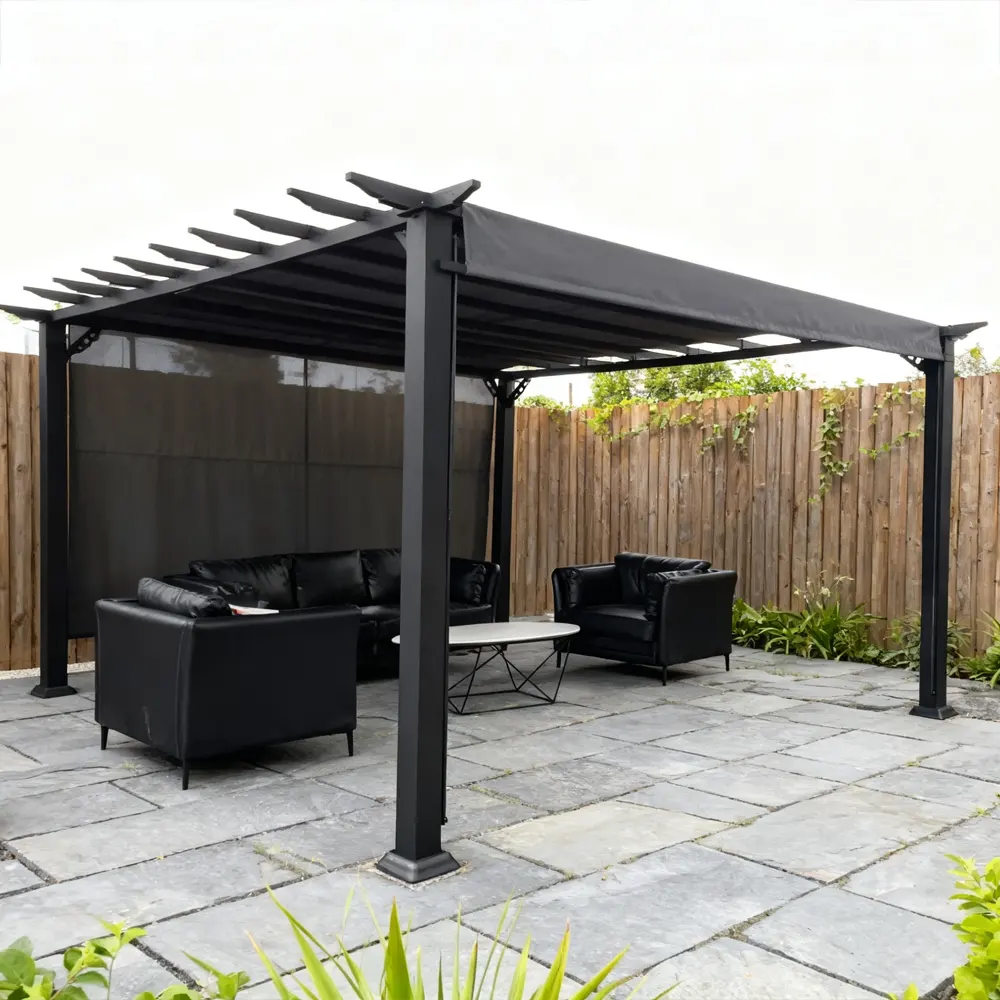
Selecting the appropriate patio umbrella size for restaurants and cafés is a critical decision that directly impacts customer comfort, space utilization, and outdoor ambiance. Commercial outdoor dining spaces require strategic shade solutions that balance functional coverage with aesthetic appeal, and understanding how to match umbrella dimensions to your specific seating layout, table configurations, and operational goals ensures that guests enjoy protected, inviting dining experiences while maximizing your establishment's outdoor revenue potential.
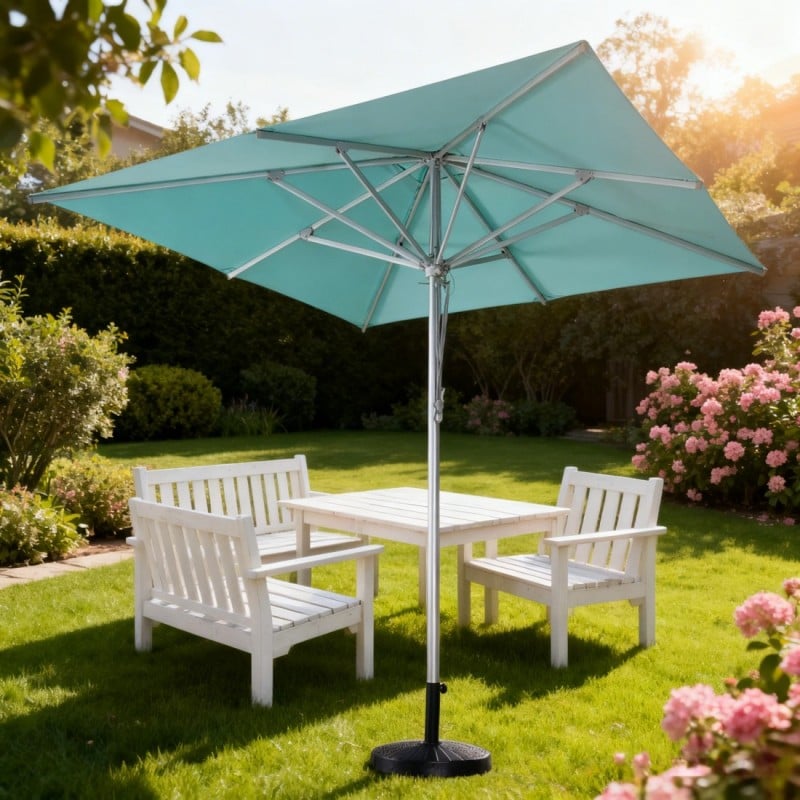
The process of determining the right patio umbrella size involves analyzing your table dimensions, accounting for shade extension requirements, considering customer flow patterns, and aligning coverage with your operational hours and sun exposure angles. Restaurant and café owners must navigate multiple technical considerations including canopy diameter measurements, pole positioning options, overlap strategies for multiple umbrellas, and seasonal adjustments that influence shade effectiveness throughout different times of day and year. This comprehensive guide walks you through the systematic approach to calculating, selecting, and optimizing patio umbrella dimensions for commercial foodservice environments.
Understanding Patio Umbrella Size Fundamentals for Commercial Settings
Standard Patio Umbrella Size Categories and Coverage Areas
Commercial patio umbrellas are manufactured in distinct size categories that correspond to typical restaurant table configurations and seating arrangements. Small commercial umbrellas typically range from six to seven and a half feet in diameter, providing approximately 28 to 44 square feet of shade coverage suitable for bistro tables or two-person dining setups. Medium-sized umbrellas span eight to nine feet in diameter, delivering 50 to 64 square feet of coverage ideal for standard four-top tables commonly found in casual dining establishments. Large commercial umbrellas measure ten to eleven feet across, offering 79 to 95 square feet of shade that accommodates six-person tables or creates comfortable coverage for rectangular dining configurations.
Extra-large commercial patio umbrella size options extend from thirteen to sixteen feet in diameter, generating 133 to 201 square feet of coverage designed for communal dining tables, bar-height arrangements, or creating unified shade zones across multiple smaller tables. These substantial canopies require reinforced structural components and appropriate base weights to maintain stability in commercial outdoor environments. Understanding these standard sizing categories helps restaurant operators quickly identify which umbrella dimensions align with their existing furniture inventory and spatial constraints before conducting detailed coverage calculations.
How Canopy Shape Influences Effective Coverage Area
The geometric configuration of umbrella canopies significantly affects how patio umbrella size translates to practical shade coverage in restaurant settings. Round canopies, the most common commercial option, provide symmetrical coverage that works efficiently with circular and square tables, creating predictable shade patterns that simplify spacing calculations when positioning multiple umbrellas across a patio. Rectangular canopies offer coverage dimensions such as six and a half by ten feet or eight by ten feet, delivering shade profiles that align naturally with elongated dining tables or booth-style outdoor seating while maximizing coverage along specific directional axes.
Square canopy designs provide balanced coverage similar to round options but with defined corner extensions that can be strategically oriented to protect adjacent walkways or service stations. Hexagonal and octagonal canopies blend the benefits of round and square designs, offering near-circular coverage with flat panel sections that reduce wind resistance and create distinctive visual aesthetics. When evaluating patio umbrella size, restaurant operators must consider how canopy shape interacts with their furniture arrangement patterns, ensuring that the coverage geometry matches the actual dining layout rather than simply focusing on advertised square footage specifications.
Measurement Standards and Size Specification Methods
Professional patio umbrella manufacturers specify dimensions using standardized measurement conventions that commercial buyers must correctly interpret to avoid sizing errors. Canopy diameter measurements for round umbrellas represent the straight-line distance across the widest point of the fully opened canopy, measured from edge to edge through the center point. This dimension differs from the radius measurement, which extends from the center pole to the canopy edge and equals half the diameter. Restaurant operators calculating coverage must use diameter specifications when comparing options, as this measurement directly correlates to the shade footprint.
Arc measurements, sometimes referenced in patio umbrella size specifications, describe the curved distance along the canopy surface from one edge to the opposite edge, following the fabric contour rather than measuring in a straight line. Arc measurements typically exceed diameter measurements by 15 to 25 percent depending on canopy pitch angle. Rectangular umbrella dimensions are specified as length by width measurements, with length typically representing the longer dimension. Commercial buyers should verify which measurement standard manufacturers use in their specifications and confirm that coverage calculations reference actual shade diameter rather than arc or radius figures to ensure accurate sizing decisions.
Calculating Required Patio Umbrella Size Based on Table Dimensions
The Overhang Rule for Optimal Shade Coverage
Industry best practices recommend that patio umbrella size should provide a minimum overhang of 18 to 24 inches beyond the table edge on all sides to ensure comfortable shade coverage that protects seated guests throughout the dining experience. This overhang dimension accounts for the natural seating positions of customers who lean back in chairs, extend arms while dining, and shift positions during extended meal periods. For a standard 36-inch square table, applying the 24-inch overhang rule requires an umbrella with a minimum 84-inch diameter, calculated by adding 24 inches to each of the four sides of the table dimension.
Round tables follow the same overhang calculation principle, with the umbrella diameter needing to exceed the table diameter by 36 to 48 inches total to provide adequate edge protection. A 48-inch round table, commonly used for four-person dining in café settings, requires a minimum seven-foot diameter umbrella when applying the conservative 18-inch overhang standard, or an eight-foot umbrella for the more comfortable 24-inch overhang. Restaurant operators in regions with intense midday sun or extended afternoon exposure should favor the larger overhang dimension, while establishments with partial natural shade or primarily morning and evening service may function adequately with the minimum overhang specification.
Adjusting Size Calculations for Rectangular and Communal Tables
Rectangular dining tables present unique challenges for patio umbrella size selection because standard round canopies may provide insufficient coverage along the table's length while offering excessive overhang on the width dimension. For rectangular tables measuring 30 by 60 inches, a round umbrella would need to accommodate the 60-inch length plus the required overhang, resulting in a minimum nine-foot diameter canopy. This configuration, while providing adequate length coverage, creates approximately 54 inches of overhang on the width dimension, potentially interfering with adjacent tables or walkways in space-constrained patios.
Rectangular canopy umbrellas solve this dimensional mismatch by providing elongated coverage that matches table proportions more efficiently. A six and a half by ten-foot rectangular umbrella delivers appropriate coverage for 30 by 60-inch tables while minimizing wasted coverage area. Communal tables and long bar-height dining surfaces often require multiple coordinated umbrellas rather than single oversized canopies, as individual umbrella structural limitations typically cap practical patio umbrella size at 16 feet diameter for wind resistance and stability reasons. Strategic positioning of overlapping medium-sized umbrellas often provides more reliable coverage and easier maintenance than attempting to span long tables with custom extra-large single canopies.
Accounting for Multiple Tables Under Single Umbrella Coverage
Restaurants seeking to maximize shade efficiency may position multiple small tables under larger umbrella canopies, reducing the total number of umbrellas required and creating unified aesthetic zones across the patio. This approach requires careful patio umbrella size calculation to ensure adequate coverage reaches all seating positions without leaving gap areas exposed to direct sun. A thirteen-foot diameter umbrella can theoretically accommodate four 24-inch bistro tables arranged in a tight cluster, providing the minimum overhang to each table while creating a cohesive dining pod.
When planning multi-table coverage under single umbrellas, operators must account for the spacing between tables required for guest comfort and server navigation, typically 18 to 30 inches between table edges. These spacing gaps expand the total coverage area needed, often necessitating larger patio umbrella size selections than simple table dimension addition suggests. A layout featuring two 36-inch square tables with 24-inch separation requires coverage spanning approximately 96 inches in one direction, demanding a minimum eleven-foot umbrella with standard overhang. Commercial operators should create scaled layout drawings that map table positions and measure the full coverage footprint before finalizing umbrella size selections for multi-table configurations.
Environmental and Operational Factors Influencing Size Selection
Sun Path Analysis and Seasonal Angle Variations
The effectiveness of any patio umbrella size depends significantly on the sun's position relative to the dining area throughout operational hours and across different seasons. Solar altitude angles vary substantially between summer and winter months, with summer sun tracking higher overhead paths that align more favorably with umbrella coverage, while winter sun travels lower arcs that create elongated shadow patterns and may require larger umbrella dimensions or strategic repositioning to maintain adequate shade. Restaurants in mid-latitude regions experience summer solar altitudes around 70 to 75 degrees at midday, creating relatively compact vertical shadows, compared to winter altitudes of 25 to 30 degrees that extend shadows two to three times the object height.
East and west-facing patio orientations experience more challenging sun angles during morning and afternoon service periods when low solar positions direct intense light beneath umbrella canopies regardless of patio umbrella size. South-facing patios in the northern hemisphere receive more consistent overhead sun that umbrella coverage blocks effectively, while north-facing spaces enjoy natural shade from adjacent structures during midday hours, potentially reducing umbrella size requirements. Commercial operators should conduct site-specific sun path analysis using available solar position calculators or smartphone applications that model seasonal shadow patterns, enabling data-driven decisions about umbrella sizing that account for actual operational sun exposure rather than relying solely on table dimension calculations.
Wind Exposure and Structural Stability Considerations
Local wind conditions impose practical limits on viable patio umbrella size options, as larger canopy surface areas generate proportionally greater wind loads that threaten structural stability and safety. Coastal restaurant locations, rooftop dining spaces, and open-plaza cafés typically experience higher sustained wind speeds and more frequent gusts that demand conservative umbrella sizing or investment in heavy-duty commercial models with reinforced pole construction and wind-resistant canopy designs. Standard commercial umbrellas function safely in wind speeds up to 20 to 25 miles per hour when properly weighted, but larger canopy dimensions require exponentially heavier base weights to maintain stability at these wind thresholds.
An eight-foot patio umbrella size typically requires a minimum base weight of 75 to 100 pounds for stable operation in moderate wind conditions, while an eleven-foot canopy demands 150 to 200 pounds of ballast, and thirteen-foot or larger umbrellas may need 250 to 400 pounds of weighted support. Restaurant operators in high-wind locations must balance the desire for generous shade coverage against the operational burden of deploying, securing, and storing massive base weights daily. Wind-rated commercial umbrellas feature vented canopy designs that allow air passage to reduce uplift forces, reinforced rib structures that flex without breaking during gusts, and quick-release mechanisms that enable rapid canopy closure when conditions deteriorate, making these features essential specifications when selecting larger patio umbrella size options for exposed locations.
Space Constraints and Pedestrian Flow Requirements
Available patio dimensions and required clearance for customer and server movement significantly influence practical patio umbrella size selections in commercial dining environments. Municipal regulations and fire codes typically mandate minimum aisle widths of 36 to 44 inches for customer walkways and 48 inches for primary access routes, limiting how far umbrella canopies can extend into circulation zones. Restaurants with narrow outdoor dining areas may find that appropriately sized umbrellas for their tables create unacceptable encroachment into required walkways, necessitating either smaller umbrella selections with reduced coverage or strategic offset positioning using side-post cantilever umbrella designs.
Cantilever and offset patio umbrella configurations allow positioning the support pole outside the dining zone, suspending the canopy over tables from an adjacent location and freeing valuable floor space. These designs accommodate larger patio umbrella size selections in constrained environments because the pole and base occupy peripheral areas rather than competing with table placement. A ten-foot cantilever umbrella can hover over a dining cluster while its support structure stands entirely outside the seating zone, effectively delivering the coverage benefits of a large canopy in the footprint constraints that would otherwise limit options to smaller center-pole designs. Space-efficient umbrella positioning requires coordination with furniture layouts during patio design phases to ensure that selected umbrella locations support optimal coverage while maintaining code-compliant circulation patterns.
Matching Umbrella Size to Business Model and Customer Experience Goals
Quick-Service and Casual Dining Coverage Strategies
Quick-service restaurants and casual dining establishments typically prioritize turnover efficiency and maximum seating density, influencing their optimal patio umbrella size strategy toward individual table coverage rather than expansive shade zones. These operations benefit from dedicating one umbrella per table or per tight table pair, using eight to nine-foot canopies that provide focused protection without creating sprawling coverage areas that reduce overall seating capacity. This one-to-one umbrella-to-table approach simplifies layout flexibility, as operators can easily reconfigure table positions to accommodate varying party sizes while maintaining consistent shade coverage.
Fast-casual concepts with abbreviated average dining durations of 30 to 45 minutes may select slightly smaller patio umbrella size options, accepting modest overhang dimensions in exchange for fitting additional tables within fixed patio footprints. The shorter dwell time reduces customer sensitivity to perfect shade coverage, as guests tolerate minor sun exposure during brief visits more readily than during extended fine-dining experiences. Conversely, casual dining restaurants targeting 60 to 90-minute table turns should invest in more generous umbrella dimensions that deliver superior comfort, encouraging customers to linger for additional beverage rounds or dessert orders that increase per-table revenue while enhancing overall dining satisfaction.
Fine Dining and Extended Experience Environments
Upscale restaurants and cafés positioning outdoor dining as a premium experience component require larger patio umbrella size selections that prioritize guest comfort and aesthetic impact over space efficiency metrics. Fine-dining establishments typically feature lower table density with more generous spacing between seats, allowing deployment of ten to thirteen-foot umbrellas that create luxurious shade zones extending well beyond minimum overhang requirements. These substantial canopies communicate quality and attention to detail while ensuring that guests enjoying multi-course meals over 90 to 120-minute periods remain comfortable regardless of shifting sun angles during extended dining sessions.
Premium outdoor dining environments often incorporate multiple shade layer strategies, combining large primary umbrellas with architectural elements such as pergolas, retractable awnings, or planted trees to create varied coverage zones that guests perceive as sophisticated outdoor rooms rather than exposed patio spaces. The layered approach allows restaurants to select patio umbrella size options based on supplemental rather than sole shade provision, potentially using medium-sized umbrellas to fill gaps in permanent shade structures rather than attempting complete coverage with umbrellas alone. This integrated strategy delivers superior environmental control while reducing wind vulnerability and operational complexity compared to umbrella-only coverage systems requiring numerous extra-large canopies.
Seasonal and Flexible Operating Models
Restaurants operating outdoor dining seasonally or transitioning between year-round and weather-dependent patio service require umbrella sizing strategies that balance peak-season coverage needs against off-season storage constraints and deployment logistics. Establishments opening patios exclusively during warm months may invest in larger patio umbrella size options that maximize the seasonal revenue opportunity, accepting that substantial storage space requirements during winter closure periods represent worthwhile operational trade-offs. These operators benefit from selecting umbrellas in the eleven to thirteen-foot range that create destination-worthy outdoor environments during operating seasons while remaining practical for trained staff to deploy and secure daily.
Year-round operations in variable climates require more adaptable umbrella strategies, often incorporating a mix of sizes that can be selectively deployed based on daily weather conditions and customer demand. A core set of medium-sized eight to nine-foot umbrellas provides reliable baseline coverage for consistently used tables, supplemented by larger ten to eleven-foot canopies reserved for peak periods when demand justifies the additional deployment effort. This tiered approach to patio umbrella size selection minimizes daily labor requirements while maintaining flexibility to scale coverage during busy services, optimizing operational efficiency across varying seasonal patterns without permanently committing to the storage and maintenance overhead of an entirely large-umbrella fleet.
Implementation Guidelines and Practical Selection Process
Creating a Patio Coverage Map and Sizing Worksheet
Systematic patio umbrella size selection begins with creating a scaled diagram of the outdoor dining area that accurately represents existing or planned table positions, required walkways, fixed architectural elements, and any natural shade sources. Restaurant operators should measure and document table dimensions, map spacing between furniture pieces, identify sun exposure patterns during key service hours, and note any operational constraints such as door swing clearances or service station locations. This comprehensive site documentation forms the foundation for calculating required coverage areas and testing potential umbrella positioning scenarios before committing to specific size purchases.
Using the coverage map, operators should create a sizing worksheet that lists each table or table group, documents the furniture dimensions, calculates the minimum umbrella diameter required using the overhang formula, and notes any special considerations such as irregular shapes or partial existing shade. This structured approach prevents oversights and ensures that selected patio umbrella size options address all coverage zones systematically rather than relying on informal estimates. The worksheet format enables easy comparison of alternative strategies, such as evaluating whether three ten-foot umbrellas or four eight-foot umbrellas better serve a particular patio section, supporting data-driven decisions that optimize both coverage quality and total investment.
Testing Mock Coverage and Refinement Strategies
Before finalizing umbrella purchases, restaurant operators should conduct physical mock-ups using temporary markers, rope, or inexpensive shade materials to simulate proposed patio umbrella size selections and verify that calculated coverage meets operational requirements. Simple techniques such as positioning a pole at the intended umbrella location and extending measuring tapes to the canopy radius provide immediate visual confirmation of how selected dimensions will interact with furniture arrangements, walkway clearances, and adjacent tables. This hands-on verification often reveals spacing issues, access obstacles, or coverage gaps that paper planning overlooks, enabling refinement before significant equipment investments.
Mock testing should occur during actual service hours under representative sun conditions, allowing operators to observe real shadow patterns, assess customer comfort in the proposed coverage zones, and identify any operational friction points such as umbrellas interfering with server traffic flow or canopy edges creating head-clearance concerns. Gathering feedback from staff members who will deploy and adjust the umbrellas daily provides valuable insights into practical size limitations, as excessively large canopies that appear optimal from a coverage perspective may prove unmanageable for the available labor pool. This iterative refinement process combining analytical sizing calculations with real-world validation ensures that final patio umbrella size selections balance theoretical coverage ideals against operational realities and budget constraints.
Phased Implementation and Optimization Approach
Restaurants uncertain about optimal patio umbrella size selections or operating with limited initial budgets benefit from phased implementation strategies that begin with core coverage zones and expand systematically based on performance observation and customer feedback. Initial deployment might focus on priority tables that receive the most intense sun exposure or generate the highest revenue, using well-sized umbrellas that definitively prove their value before extending investment to secondary areas. This measured approach allows operators to test specific size selections, evaluate different brands or styles in actual operating conditions, and refine their umbrella strategy informed by real usage data rather than theoretical projections.
As the umbrella fleet expands through subsequent phases, operators gain expertise in managing their specific coverage challenges and develop institutional knowledge about which patio umbrella size options perform optimally in their unique environment. This experiential learning often reveals that initial sizing assumptions require adjustment, such as discovering that slightly larger canopies dramatically improve customer satisfaction or finding that smaller umbrellas with greater quantity provide more flexible layout options than fewer large canopies. The phased approach transforms umbrella deployment from a single high-stakes decision into an iterative optimization process, reducing initial risk while building toward a refined coverage system tailored precisely to the establishment's operational characteristics and customer experience priorities.
FAQ
What is the standard patio umbrella size for a four-person restaurant table?
For a typical four-person restaurant table measuring 36 inches square or 42 to 48 inches in diameter, the recommended patio umbrella size ranges from eight to nine feet in diameter. This dimension provides the industry-standard 18 to 24-inch overhang beyond the table edge on all sides, ensuring that seated guests receive consistent shade coverage throughout their meal. Operators may select slightly smaller seven and a half-foot umbrellas in space-constrained environments where adjacent tables limit canopy extension, though this reduced size may compromise comfort during peak sun hours or for customers seated at table edges.
How do I calculate the right patio umbrella size for rectangular tables?
Calculate rectangular table umbrella requirements by adding the recommended overhang dimension of 18 to 24 inches to both the length and width measurements of your table. For a table measuring 30 by 60 inches, add 36 to 48 inches to the 60-inch length dimension, requiring an umbrella with a minimum 96 to 108-inch coverage span in that direction. Round umbrellas must accommodate the longest table dimension, often creating excess overhang on shorter dimensions, while rectangular canopy umbrellas match table proportions more efficiently by providing tailored length-to-width coverage ratios that minimize wasted shade area in commercial settings with multiple rectangular tables.
Can one large umbrella cover multiple restaurant tables effectively?
A single large patio umbrella can effectively cover multiple small tables when they are positioned in tight clusters with minimal spacing between them, though this approach requires careful planning to ensure adequate overhang reaches all seating positions. A thirteen-foot diameter umbrella provides approximately 133 square feet of coverage, sufficient for three to four bistro tables arranged within a compact footprint, or two standard four-top tables positioned with shared edge proximity. However, spacing requirements between tables for customer comfort and server access typically expand the total coverage area needed, often limiting practical multi-table coverage to two adjacent tables under a single eleven to thirteen-foot canopy while maintaining acceptable overhang dimensions at all seating positions.
Do I need larger umbrellas for outdoor dining spaces with high sun exposure?
Restaurants in regions with intense sun exposure or operating during peak solar hours benefit from selecting larger patio umbrella size options that provide more generous overhang beyond minimum coverage standards, as the additional shade margin accommodates sun angle variations and ensures complete protection throughout extended dining periods. Environments receiving direct overhead sun during service hours may function adequately with standard sizing calculations, while locations with lower sun angles during operational times require larger umbrellas to compensate for elongated shadow patterns that shift coverage areas as the sun travels across the sky. Combining sun path analysis with conservative overhang specifications, typically favoring the 24-inch standard rather than the minimum 18-inch dimension, ensures that high-exposure patios maintain comfortable conditions that protect customer satisfaction and encourage extended outdoor dining engagement.
Table of Contents
- Understanding Patio Umbrella Size Fundamentals for Commercial Settings
- Calculating Required Patio Umbrella Size Based on Table Dimensions
- Environmental and Operational Factors Influencing Size Selection
- Matching Umbrella Size to Business Model and Customer Experience Goals
- Implementation Guidelines and Practical Selection Process
- FAQ