
 EN
EN
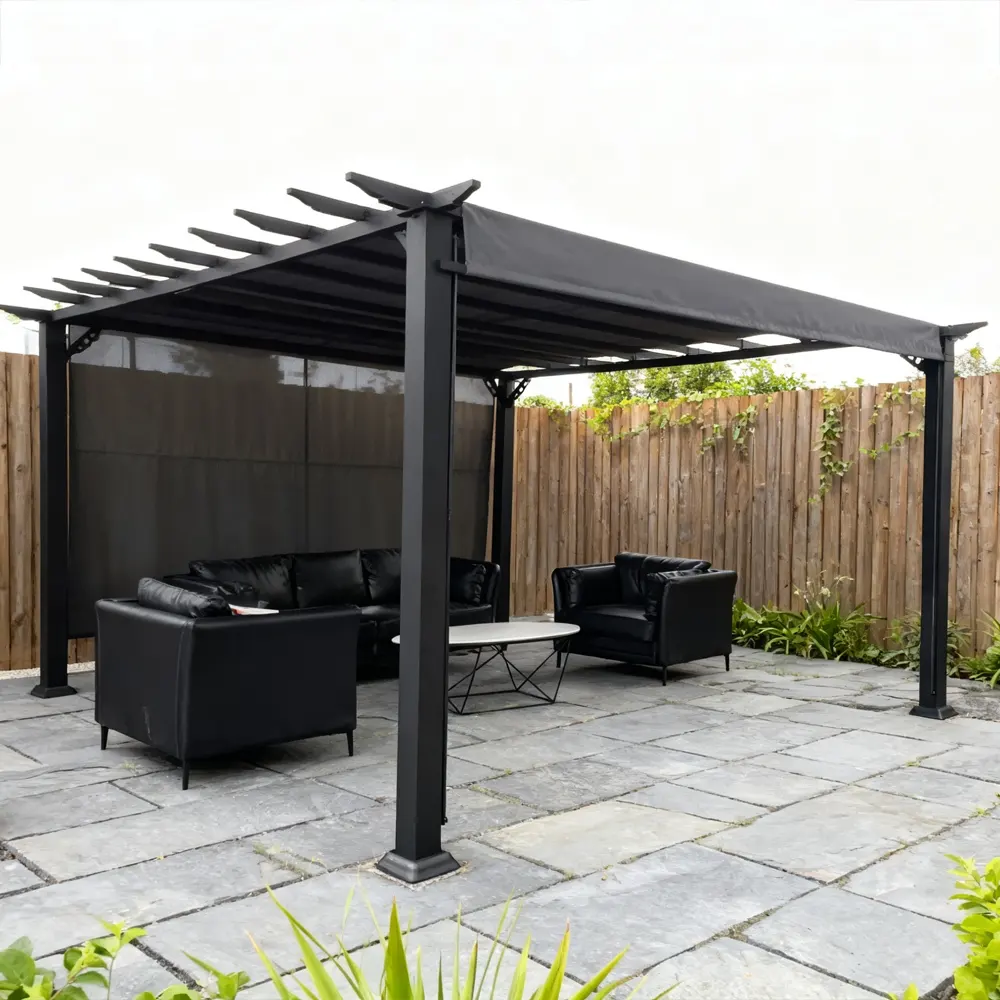
Creating an outdoor living space that balances visual appeal with functional comfort requires thoughtful planning and design execution. A well-designed pergola serves as the architectural centerpiece of any garden, transforming ordinary backyards into elegant outdoor rooms that extend your home's living area. Strategic pergola design considers multiple factors including structural proportions, material selection, spatial integration, and environmental adaptation to create a harmonious outdoor environment that enhances both the aesthetic character and practical usability of your garden space throughout the seasons.
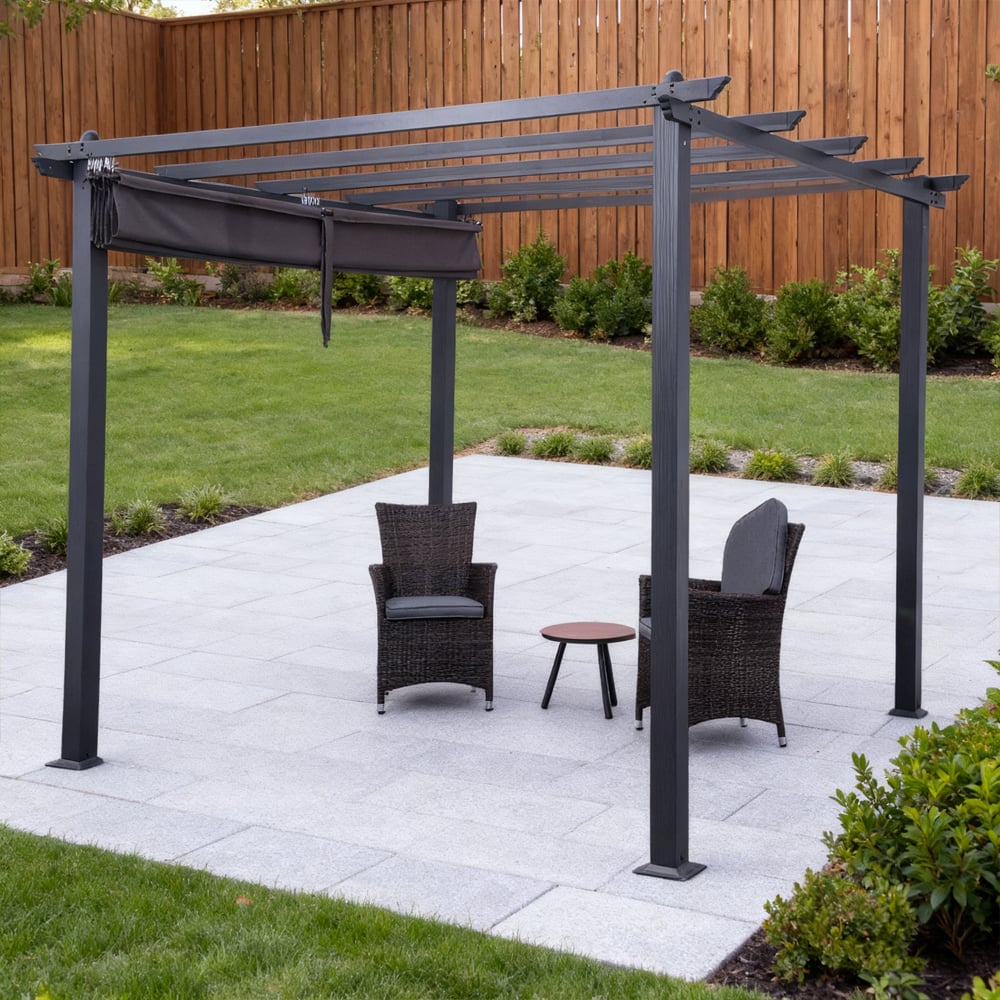
The modern garden pergola has evolved beyond its traditional role as a simple vine support structure to become a sophisticated architectural element that defines outdoor living spaces. Effective pergola design integrates considerations of scale, proportion, material durability, shade optimization, and aesthetic coherence with surrounding landscape elements. Whether you are planning a freestanding garden feature or an attached patio extension, understanding the fundamental principles of pergola design enables you to create an outdoor structure that elevates garden aesthetics while delivering year-round comfort and functionality for relaxation, entertainment, and outdoor dining.
Understanding Fundamental Principles of Effective Pergola Design
Establishing Appropriate Scale and Proportion Relationships
The foundation of successful pergola design begins with establishing correct scale relationships between the structure and its surrounding environment. A pergola must be proportioned to complement rather than overwhelm the garden space it occupies. For smaller gardens, compact pergola designs with dimensions around three meters by three meters provide adequate coverage without dominating the landscape. Larger properties can accommodate more expansive structures that create defined outdoor rooms within broader garden contexts. The height of your pergola design should typically range between 2.4 and 3 meters to allow comfortable passage while maintaining an intimate, sheltered feeling beneath the overhead beams.
Proportional balance extends beyond overall dimensions to include the spacing and sizing of structural elements. Beam spacing in pergola design directly influences both aesthetic rhythm and functional shade coverage. Closer beam spacing creates denser overhead patterns that provide more substantial shade, while wider spacing produces lighter, more open designs that allow greater sun penetration. Most effective pergola designs feature beam spacing between 30 and 60 centimeters, with the specific interval adjusted based on local climate conditions, desired shade density, and the architectural style of surrounding structures. The visual weight of beams and posts should also harmonize with the perceived mass of nearby buildings to create cohesive design unity.
Selecting Materials That Balance Durability and Visual Appeal
Material selection fundamentally shapes both the longevity and aesthetic character of your pergola design. Aluminum pergola structures offer exceptional advantages for garden applications, combining weather resistance with minimal maintenance requirements and clean contemporary lines. Powder-coated aluminum resists corrosion, eliminates the need for periodic refinishing, and maintains structural integrity through extreme temperature fluctuations and moisture exposure. The inherent strength-to-weight ratio of aluminum allows for slender profile designs that appear lighter and more elegant than comparable wood structures, while fabric roof panels integrated into aluminum frameworks provide adjustable shade control unavailable with traditional open-beam pergola designs.
When evaluating materials for pergola design, consider how surface finishes and colors interact with existing garden elements. Neutral tones such as grey powder coating create versatile backgrounds that complement diverse planting schemes and outdoor furnishing palettes. Matte finishes reduce glare and create sophisticated visual textures that enhance rather than compete with natural garden beauty. The permanence of material choice makes initial selection critical, as the pergola design will establish the visual foundation of your outdoor space for decades. Prioritize materials that age gracefully, resist weathering without significant deterioration, and require minimal intervention to maintain their appearance and structural performance over extended timeframes.
Integrating Architectural Style with Garden Character
Effective pergola design achieves visual coherence by echoing the architectural language of adjacent structures while responding to the unique character of the garden environment. Contemporary homes benefit from pergola designs featuring clean lines, minimal ornamentation, and geometric precision that reflect modern architectural principles. Traditional properties harmonize with pergola structures that incorporate classic proportions, refined detailing, and materials that reference historical building practices. The goal is not slavish imitation but rather thoughtful coordination that allows the pergola design to feel like an intentional extension of the home rather than an afterthought added to the landscape.
Garden character also influences optimal pergola design approaches. Formal gardens with structured plantings and geometric layouts call for pergola designs with symmetrical compositions and ordered arrangements. Naturalistic gardens with flowing plantings and organic forms benefit from pergola structures positioned to frame views, create destination points, and define circulation paths without imposing rigid geometry onto the informal landscape. Consider how your pergola design will interact with mature trees, existing hardscape features, and sight lines from key viewing positions both inside the home and throughout the garden. The most successful pergola designs enhance spatial experiences by creating framed views, establishing outdoor rooms, and providing comfortable destinations that invite extended use of garden spaces.
Optimizing Shade, Shelter, and Environmental Comfort
Designing Roof Configurations for Climate-Appropriate Shade
The overhead structure represents the most critical element of pergola design for controlling environmental comfort in outdoor spaces. Traditional open-beam pergola designs create dappled shade patterns that reduce direct sun exposure while maintaining open, airy qualities beneath the structure. For regions with intense summer sun, enhanced shade coverage becomes essential for comfortable daytime use. Fabric roof panels integrated into pergola design provide adjustable shade density, allowing you to optimize coverage based on seasonal sun angles, time of day, and specific activity requirements. Retractable fabric systems offer maximum flexibility, enabling full sun exposure during cooler months and complete shade protection during peak summer conditions.
Roof pitch and orientation significantly impact shade performance in pergola design. Flat roof configurations provide consistent overhead coverage throughout the day but may accumulate water during rainfall unless proper drainage provisions are incorporated. Sloped roof designs shed water more effectively and can be oriented to block low-angle morning or afternoon sun while permitting higher midday light penetration. East-west pergola orientation positions longer roof dimensions perpendicular to the sun's daily path, maximizing shade coverage during afternoon hours when outdoor spaces typically experience peak use. North-south orientation allows more direct overhead sun exposure at midday while providing shade during morning and evening periods when lower sun angles create more challenging glare conditions.
Incorporating Wind Protection and Air Circulation Balance
Effective pergola design addresses wind exposure to create comfortable microclimates that extend the usable season for outdoor spaces. Open pergola structures provide minimal wind protection, which can limit comfort during breezy conditions even when temperatures remain mild. Incorporating partial side panels or integrating the pergola design with existing walls, fences, or dense plantings creates windbreaks that reduce air movement without completely enclosing the space. Strategic placement of one or two solid sides provides shelter from prevailing winds while maintaining adequate cross-ventilation to prevent stagnant air accumulation during warm, humid conditions.
Air circulation considerations in pergola design require balancing shelter with ventilation to prevent excessive heat buildup beneath roof structures. Completely enclosed pergola designs with solid roofs and multiple walls can trap heat, creating uncomfortable conditions during summer months. Maintaining at least two open sides in your pergola design promotes natural air flow that moderates temperatures and enhances comfort. Adjustable fabric roof panels that can be partially opened provide additional ventilation control, allowing you to fine-tune air movement based on current weather conditions. The goal is creating a sheltered environment that feels comfortably protected without becoming stuffy or oppressive during warm weather periods when outdoor living spaces receive heaviest use.
Planning for Seasonal Weather Variations
Year-round pergola design functionality requires anticipating seasonal weather variations and incorporating features that maintain usability across diverse conditions. Summer design priorities focus on shade provision, heat reduction, and rain protection for sudden showers. Winter considerations shift toward maximizing solar gain, providing wind shelter, and resisting snow loads in applicable climates. Pergola designs with adjustable roof systems allow seasonal optimization, closing fabric panels during winter to create protected spaces for mild-weather outdoor use and opening during summer to increase airflow and reduce heat accumulation beneath the structure.
Drainage planning represents an often-overlooked aspect of pergola design that significantly impacts long-term comfort and structural performance. Fabric roof panels should be tensioned and sloped to direct water away from seating areas beneath the structure. Surrounding paving or deck surfaces require proper grading to prevent water accumulation around pergola posts and under covered areas. Consider how water draining from the pergola design will interact with adjacent garden plantings, either providing beneficial irrigation or requiring diversion to prevent oversaturation of sensitive plants. Well-designed drainage integration ensures that your pergola remains comfortable and functional immediately following rainfall rather than requiring extended drying periods before the space becomes usable again.
Enhancing Visual Appeal Through Design Details and Plantings
Selecting Color Palettes That Complement Garden Settings
Color selection in pergola design establishes the visual tone for the entire outdoor living area and influences how the structure integrates with surrounding landscape elements. Neutral color schemes create versatile foundations that allow seasonal plantings and outdoor furnishings to provide accent colors without visual competition. Grey powder-coated finishes offer sophisticated elegance that complements both cool and warm planting palettes while maintaining contemporary aesthetic clarity. Dark colors absorb heat and can create dramatic visual weight that grounds pergola structures within the landscape, though they may become uncomfortably warm to touch during intense sun exposure in summer months.
Light-colored pergola designs reflect heat and create brighter, more open feelings beneath covered areas, though they may show dirt and weathering more readily than darker finishes. Consider how your chosen color will appear against the sky when viewed from ground level, as pergola structures create strong visual elements against overhead backgrounds. The color should also coordinate with existing architectural finishes on nearby structures, creating visual continuity that unifies built elements within the garden. When in doubt, neutral tones provide the most flexible foundation for pergola design, allowing you to evolve the character of your outdoor space through changeable elements like cushions, plantings, and decorative accessories rather than being locked into a specific color statement by the permanent structure.
Integrating Climbing Plants and Vertical Greenery
Plant integration transforms basic pergola design from architectural structure into living garden feature, softening hard edges and creating seasonal interest through flowering cycles and foliage changes. Climbing plants trained onto pergola posts and beams provide additional shade, enhance visual appeal, and create natural connections between built structures and surrounding garden plantings. Select climbing species appropriate to your climate zone and maintenance commitment, considering growth rate, mature size, and support requirements. Vigorous growers like wisteria create dramatic displays but require regular pruning to prevent structural damage, while more restrained climbers such as clematis provide floral interest without overwhelming the pergola design.
Plant placement in relation to pergola design requires strategic planning to achieve desired effects without compromising structural integrity or usability. Position climbing plants at alternating posts rather than every support to create balanced coverage while maintaining clear access points and preserving architectural lines. Consider mature plant size when selecting species, ensuring selected climbers will complement rather than obscure the pergola design as they develop. Deciduous climbers offer the advantage of seasonal shade during summer months followed by increased light penetration during winter when outdoor spaces benefit from solar warming. Evergreen climbers provide year-round screening and visual interest but reduce seasonal flexibility in sun exposure control beneath the pergola structure.
Incorporating Lighting for Extended Evening Use
Thoughtful lighting integration extends the functional hours of your pergola design while creating enchanting evening ambiance that transforms garden spaces after dark. Multiple lighting layers create the most successful outdoor illumination schemes, combining ambient lighting that defines the overall space, task lighting for specific activities like dining or reading, and accent lighting that highlights architectural features or nearby plantings. String lights suspended from pergola beams provide casual, festive overhead illumination appropriate for entertaining areas. Recessed downlights mounted within beam structures create more refined, architectural lighting effects that complement contemporary pergola designs and provide focused illumination for functional activities.
Lighting placement should enhance rather than compete with the pergola design, using fixtures that complement the structural style and finish. Integrated lighting planned during initial construction creates the cleanest installations with concealed wiring and seamless fixture integration. Uplighting positioned at the base of pergola posts emphasizes vertical structural elements and creates dramatic shadows on overhead beams, adding depth and dimension to the space after dark. Consider using warm color temperature LED fixtures that create inviting, comfortable lighting quality similar to traditional incandescent sources while providing energy efficiency and extended lamp life. Dimming controls add flexibility, allowing you to adjust lighting intensity based on specific activities and desired ambiance levels for different occasions.
Planning Practical Layout and Functional Integration
Positioning Pergola Structures for Optimal Site Utilization
Strategic placement represents one of the most impactful decisions in pergola design, determining how effectively the structure serves its intended functions and integrates with garden circulation patterns. Attached pergola designs that extend from the home create seamless transitions between indoor and outdoor living areas, providing covered spaces directly accessible from main living rooms or kitchens. Freestanding pergola structures positioned as garden destinations create focal points that draw visitors into landscape areas, defining outdoor rooms within broader garden contexts. Consider sun angles throughout the day and across seasons when determining pergola orientation, positioning the structure to provide shade during periods of peak outdoor space usage.
Site-specific considerations including existing trees, underground utilities, drainage patterns, and sight lines from key viewing positions all influence optimal pergola design placement. Avoid positioning structures directly beneath large trees where falling branches pose hazards and debris accumulation requires constant maintenance. Ensure adequate clearance from property boundaries to comply with local setback regulations while maintaining privacy from neighboring properties. Consider how the pergola design will be approached and accessed, creating logical circulation paths that feel intuitive and comfortable rather than forcing awkward routes through garden spaces. The structure should enhance rather than obstruct views from important interior spaces, framing attractive garden vistas while screening less appealing elements.
Defining Functional Zones Within Covered Spaces
Effective pergola design creates clearly defined functional zones that support specific activities and usage patterns within the covered area. Dining zones require sufficient space for tables, chairs, and comfortable circulation around seated guests, typically necessitating minimum dimensions of 3 by 3 meters for a four-person dining setup. Lounging areas benefit from lower, more relaxed seating arrangements with adequate clearance for reclining furniture and side tables for beverages and reading materials. Combined use pergolas should allocate distinct areas for different activities, using furniture arrangement, partial dividers, or level changes to create subtle separation between dining and lounging zones without rigid compartmentalization.
Outdoor kitchen integration represents an increasingly popular enhancement to pergola design, creating fully equipped cooking and entertaining spaces that rival interior kitchen functionality. Positioning grills, refrigeration, and food preparation surfaces within or immediately adjacent to the pergola structure streamlines outdoor entertaining workflows and protects both equipment and cooks from weather exposure. Ensure adequate ventilation for cooking areas and position grills to direct smoke away from primary seating zones. Incorporate electrical outlets, lighting controls, and potentially water supplies during initial construction to support various equipment needs without requiring visible conduit runs or extension cords that detract from the refined appearance of your pergola design.
Selecting and Arranging Outdoor Furnishings
Furniture selection completes the functional transformation of pergola design from architectural structure to usable outdoor living space, providing comfort and defining how spaces will be experienced and utilized. Choose furniture scaled appropriately to the dimensions of your covered area, avoiding oversized pieces that crowd the space or diminutive items that appear lost beneath the structure. Weather-resistant materials including powder-coated aluminum, synthetic wicker, and outdoor-rated fabrics ensure furnishings maintain appearance and functionality despite continuous exposure to humidity, temperature fluctuations, and occasional rain infiltration beneath the pergola design.
Furniture arrangement should create comfortable conversation groupings that encourage social interaction while maintaining clear circulation paths through the covered area. Position seating to take advantage of attractive views while providing back support against posts or partial walls rather than leaving guests exposed in the center of open spaces. Incorporate adequate side tables for beverage placement and layered cushions for comfort and visual appeal. Consider seasonal furniture storage requirements, selecting pieces that can be easily moved to protected areas during harsh winter months in climates where year-round outdoor furniture exposure proves impractical. The pergola design itself provides some weather protection, but valuable furnishings benefit from additional shelter during extended periods of non-use to maximize their lifespan and maintain attractive appearance.
FAQ
What is the ideal size for a garden pergola?
The ideal pergola design size depends on your intended use and available garden space. For intimate seating areas, a 2.5 by 2.5 meter structure provides adequate coverage. For dining spaces that accommodate four to six people, plan for minimum dimensions of 3 by 3 meters. Larger entertaining areas may require 4 by 4 meters or greater. Ensure your pergola design maintains proportional relationships with surrounding garden spaces, avoiding structures that overwhelm small yards or appear insignificant in expansive landscapes. Always verify local building code requirements regarding maximum structure sizes that can be built without permits.
How do I maintain an aluminum pergola?
Aluminum pergola designs require minimal maintenance compared to wood alternatives. Periodic cleaning with mild soap and water removes accumulated dirt, pollen, and environmental debris that can dull powder-coated finishes. Rinse thoroughly after washing to prevent soap residue buildup. Inspect fabric roof panels seasonally for signs of wear, mildew, or tension loss, addressing issues promptly to prevent progressive damage. Check connection points annually to ensure fasteners remain tight, though quality aluminum pergola construction typically maintains structural integrity without requiring regular hardware tightening. Avoid abrasive cleaners or harsh chemicals that can damage powder coating and compromise the corrosion resistance that makes aluminum ideal for outdoor applications.
Can a pergola provide adequate rain protection?
Traditional open-beam pergola designs offer minimal rain protection, providing shelter only from light drizzle while allowing substantial water penetration during moderate to heavy rainfall. Pergola designs incorporating fabric roof panels or solid cover systems provide significantly improved rain protection, creating usable outdoor spaces during inclement weather. The effectiveness of rain protection depends on roof material selection, installation quality, and structural design details including proper slope for water drainage. While covered pergola designs greatly enhance weather protection compared to open structures, they typically do not provide the complete rain exclusion of fully enclosed structures like gazebos or screened rooms. Consider your climate and intended usage patterns when selecting roof coverage options for your pergola design.
What permits are required for pergola installation?
Permit requirements for pergola design vary significantly based on local building codes, structure size, and whether the pergola attaches to existing buildings. Many jurisdictions exempt small freestanding pergolas below specific size thresholds from permit requirements, while larger structures or attached designs typically require building permits and inspections. Setback requirements mandate minimum distances from property lines, while height restrictions limit maximum structure elevations. Some homeowners associations impose additional design restrictions beyond municipal codes. Contact your local building department before beginning pergola design planning to understand applicable regulations, required permits, and inspection schedules. Proper permitting protects you from enforcement actions and ensures your pergola design meets structural safety standards and property code compliance requirements.