 EN
EN
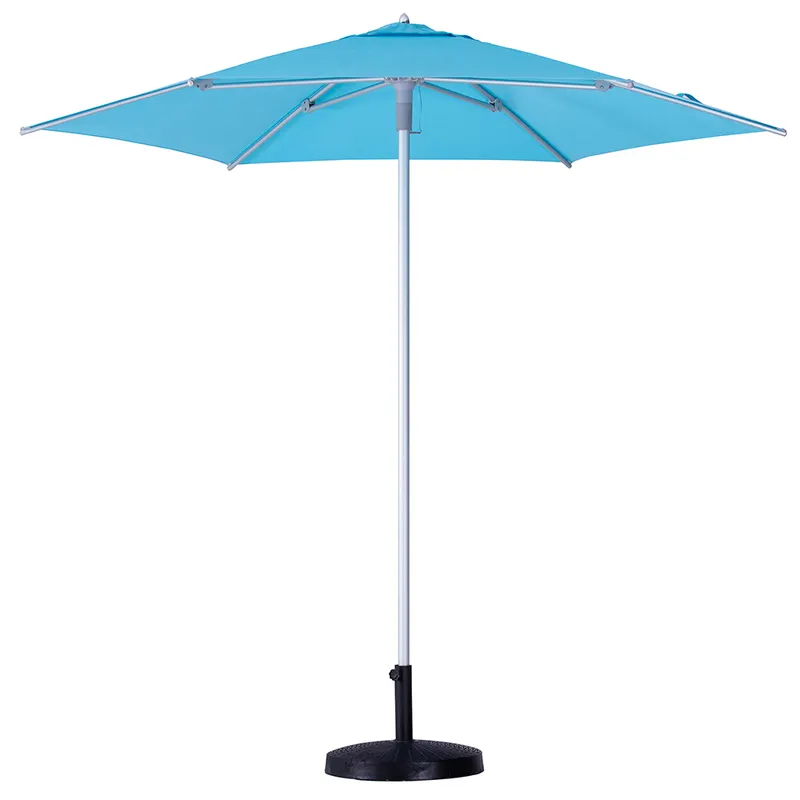
Udendørs livsområder er blevet en uundværlig udvidelse af moderne huse, og terrasseparasoller fungerer både som funktionelle skyggegivere og æstetiske fokuspunkter i disse miljøer. Dog kan selv de mest kvalitetsfulde terrasseparasoller støde på betjeningsmæssige udfordringer, konstruktionsmæssige problemer og vedligeholdelseskomplikationer, der formindsker deres ydeevne og levetid. At forstå de mest almindelige problemer med terrasseparasoller og implementere effektive løsninger gør det muligt for ejere, hotelforvaltere og erhvervsdrivende ejendomsvirksomheder at maksimere deres investering, samtidig med at de sikrer vedvarende komfort udendørs. Denne omfattende guide undersøger de typiske fejl, slidmønstre og betjeningsmæssige vanskeligheder, der opleves med terrasseparasoller i både private og kommercielle anvendelser, og giver konkrete løsninger, der forlænger produktets levetid og sikrer optimal funktionalitet.
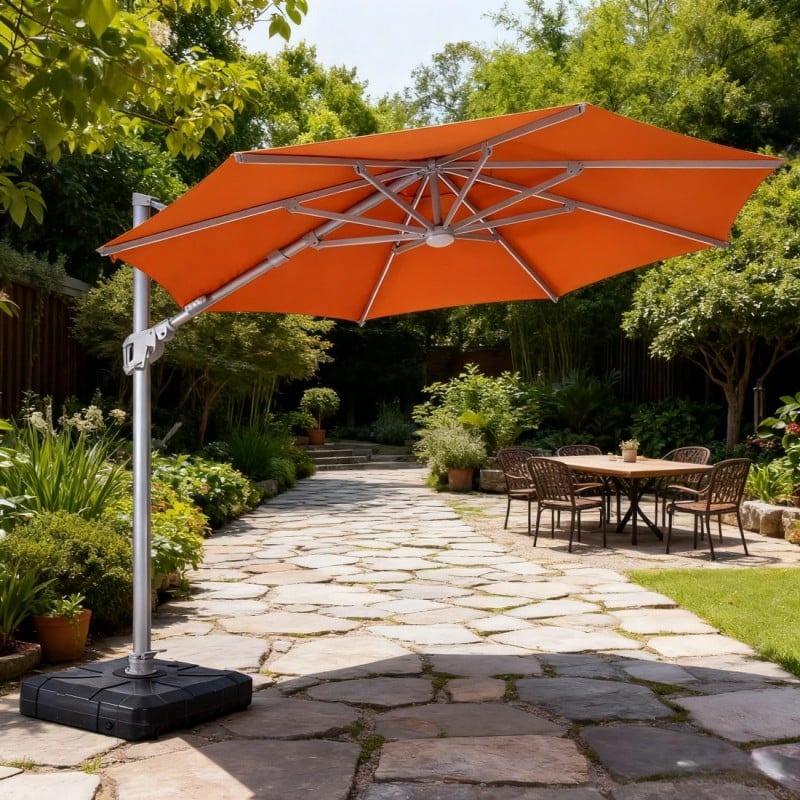
Problemerne med terrasseparaplyer strækker sig fra umiddelbare mekaniske fejl til gradvis forringelse forårsaget af miljøpåvirkning, utilstrækkelig vedligeholdelse og forkert brug. Fra udslidt stof og korroderet ramme til fejl i åbningsmekanismen og stabilitetsproblemer kan disse udfordringer betydeligt påvirke brugbarheden og sikkerheden af udendørs skyggestrukturen. Ved at identificere symptomerne på problemer tidligt og anvende målrettede løsninger kan brugere forhindre, at mindre problemer eskalerer til dyre udskiftninger, samtidig med at de opretholder både den beskyttende og dekorative funktion, som gør terrasseparaplyer uundværlige for udendørs områder. I denne artikel behandles hver større problemkategori systematisk, hvor årsagerne forklares, og praktiske løsningsstrategier præsenteres baseret på branchekompetence og felttestede fremgangsmåder.
Strukturelle og ramme-relaterede integritetsproblemer
Krummede eller knuste ribber og støtterarme
Én af de mest almindelige strukturelle problemer med terrasseparaplyer vedrører beskadigelse af ribberne og støtterarmene, der holder baldakinen stram og giver paraplyen dens karakteristiske form. Disse komponenter består typisk af aluminium, glasfiber eller stål, hvor hver materialeart har specifikke fejlmåder. Aluminiumsribber kan bukke under for store vindlaste eller stødkræfter, mens glasfiberkomponenter kan udvikle spændingsrevner ved forbindelsespunkterne. Stålrammer er sårbare over for rustbetinget svækkelse, især i kystnære områder eller miljøer med høj luftfugtighed. Symptomer på ribbeskadigelse inkluderer synlig deformation, manglende evne til at åbne eller lukke paraplyen fuldt ud, hængende sektioner af baldakinen samt usædvanlige vinkler i baldakinens profil.
For at håndtere buede ribber på terrasseparaplyer skal man først vurdere, om skaden er lokaliseret eller påvirker flere strukturelle elementer. Mindre buelser i aluminiumsribber kan nogle gange forsigtigt rettes ved hjælp af gradvis tryk med beskyttende polstring for at undgå overfladeskader, men denne fremgangsmåde virker kun ved lette deformationer uden metaltræthed. Ved mere alvorlig skade kræves udskiftning af ribben, hvilket indebærer fjernelse af paraplyens stof, udtagning af det beskadigede komponent fra dets forbindelse til navet og montering af en erstatningsdel, der passer præcist til den specifikke paraplymodel. Ved fiberglasribber med spændingsrevner kan forstærkning med epoxyharpiks og fiberglastape give midlertidig stabilitet, men udskiftning forbliver den mest pålidelige langtidsløsning. Forebyggelsesstrategier inkluderer aldrig at tvinge paraplymekanismen, at lukke terrasseparaplyer under blæstvejre og at foretage regelmæssige inspektioner for at identificere tidlige tegn på skade, inden der opstår fuldstændig svigt.
Fejl i nav- og leddemekanismer
Den centrale nav og leddemekanismerne i terrasseparaplyer udgør kritiske strukturelle forbindelsespunkter, hvor flere ribber mødes og bevægelse finder sted under åbnings- og lukkeoperationer. Disse samlinger udsættes for betydelig spændingskoncentration og er sårbare over for slid, korrosion og mekanisk nedbrydning. Almindelige navproblemer omfatter skruer med sløsede gevind, revnede navkroppe, fastlåste drejepunkter og løse forbindelser, der tillader overdreven spil i ribsystemet. Ledfejl viser sig som vanskeligheder ved betjening af paraplyen, usædvanlige lyde under justering, manglende evne til at låse tagdugen i åben position og progressiv løsning, der skaber farlig ustabilitet. Kompleksiteten af navsamlingerne betyder, at fejl i dette område ofte kræver mere teknisk indgreb end simple reparationer af ribberne.
At løse problemer med hub og leddene på terrasseparasoller begynder med grundig rengøring for at fjerne opsummeret snavs, saltrester og korrosionsprodukter, som muligvis forårsager klemning eller accelereret slid. Anvend et trængende smøremiddel på alle drejepunkter og lad det virke i tilstrækkelig tid, så produktet kan nå de fastlåste områder; derefter bevæges mekanismen forsigtigt gennem hele dens bevægelsesområde for at genoprette bevægeligheden. Ved udslidte skruer kan udskiftning med skruer af lidt større diameter eller installation af gevindindsætninger genoprette sikre forbindelser. Sprækkede hubkroppe kræver typisk fuldstændig udskiftning af hele hubmonteringen, hvilket indebærer demontering af hele ribbestrukturen – en opgave, der udføres bedst med taget fjernet for at undgå beskadigelse af stoffet. For at forhindre hubfejl bør der indføres en vedligeholdelsesplan, der omfatter kvartalsvis smøring af alle bevægelige dele, inspektion af løse fastgørelsesmidler samt beskyttende behandling af metaloverflader i korrosive miljøer. Når der købes erstatnings-terrasseparasoller, bør der gives prioritet til modeller med forstærkede hubs fremstillet af korrosionsbestandige materialer og udstyret med tætte lejer, der holder forureninger ude.
Strukturelle bekymringer ved stolper og master
Den centrale stolpe eller mast på terrasseparaplyer udgør den primære strukturelle støtte og skal kunne modstå både trykbelastninger fra paraplyens vægt samt bøjemomenter forårsaget af vindtryk. Problemer inden for dette område omfatter vægtyndning som følge af korrosion, deformeringer fra støddamage, adskillelse ved teleskopiske samlinger samt katastrofal svigt under ekstreme belastninger. Træstolper er sårbare over for råd, spaltning og skadet forårsaget af insekter, mens metalstolper udsættes for korrosionsproblemer, især i jordniveau eller i områder, hvor beskyttende overfladebehandlinger er beskadiget. Cantilever- og offset-terrasseparaplyer oplever yderligere spænding på deres støtterarme og drejemechanismer, hvilket gør disse design særligt sårbare over for strukturelle problemer, hvis de ikke vedligeholdes korrekt eller udsættes for belastninger, der overstiger deres konstruktionsmæssige specifikationer.
At løse problemer med stolper kræver forskellige tilgange, afhængigt af materialetype og skadens alvorlighed. Ved overfladekorrosion på metalstolper fjernes rust ved hjælp af trådbørste eller kemiske rustfjernere, hvorefter der påføres beskyttende belægninger såsom rusthæmmende grundmaling og udendørs maling eller pulverbelægning. Deformeringer, der kompromitterer den strukturelle integritet, kan kræve udskiftning af stolpen, især hvis de skaber spændingskoncentrationspunkter, der sandsynligvis vil udløse revner. Problemer med teleskopiske forbindelser skyldes ofte snavsophobning eller korrosion i justeringsmekanismen – disse forbindelser skal demonteres, grundigt rengøres, behandling med anti-sæt-faste-middel anvendes, og korrekt justering skal sikres ved montering. Ved træstolper med tidlig rådning kan behandling med træbeskyttelsesmidler og forsegling med marin maling standse forværrelsen, men avanceret rådning kræver fuldstændig udskiftning af stolpen. Forebyg stolpeskader ved at anvende sæsonbaserede beskyttelsesbehandlinger, bruge stolpdækker under opbevaring, sikre korrekt stabilitet i bunden for at mindske bøjningsspænding og aldrig overskride producentens angivne vindklassificering for din terrasseparaply.
Forringelse og beskadigelse af tagstof
Blegning og UV-forårsaget forringelse
Tagstof på terrasseparasoller udsættes konstant for ultraviolet stråling, hvilket forårsager gradvis farveblegnings- og molekylær nedbrydning af tekstilfibre. Denne forringelse viser sig som farvetab, især tydeligt i livlige farver, stofbristlighed, der reducerer revstyrken, og endelig fiberdegradation, der skaber tynde områder eller huller. Hastigheden af UV-skade afhænger af stoffets sammensætning, farvestoffets kvalitet, UV-beskyttende behandlinger og eksponeringsintensiteten – terrasseparasoller på højde eller på sydlig breddegrad oplever accelereret forringelse. Akrylstof med løsningsfarvning tilbyder bedre modstandsdygtighed mod blegning sammenlignet med stof med stykkefarvning, mens polyester- og olefinstof giver forskellige niveauer af UV-stabilitet afhængigt af deres specifikke sammensætning og beskyttende behandlinger.
For at håndtere udblekning af terrasseparasoller skal du først afgøre, om problemet udelukkende er kosmetisk eller om det er skredet frem til strukturel svækkelse af stoffet. Udelukkende æstetisk udblekning kan midlertidigt forbedres ved hjælp af stofgenoprettelsesprodukter, der er beregnet til udendørs tekstiler, selvom disse behandlinger kun giver en kortvarig farveforbedring. Hvis stoffet viser både udblekning og strukturel nedbrydning, er udskiftning den eneste pålidelige løsning – mål den eksisterende overdækning omhyggeligt, og notér antallet af paneler, ribbeholderkonfigurationen samt de samlede dimensioner for at sikre korrekt pasform af erstatningsstoffet. Forhindre for tidlig udblekning ved at lukke og dække terrasseparasoller, når de ikke er i brug, især i perioder med høj UV-stråling, og ved at vælge stoffer med høje UV-bestandighedsgrader. Mange producenter tilbyder i dag overdækninger af stof, der er klassificeret efter et specifikt antal år med UV-udsættelse, hvilket giver klare forventninger til ydeevnen. Overvej sæsonmæssig rotation, hvis du har flere terrasseparasoller, så stoffene kan hvile og den samlede UV-udsættelse reduceres. Når du vælger erstatningsoverdækninger, bør du prioritere løsningsfarvet akrylstof, der er godkendt til kommerciel udendørs anvendelse, da disse materialer har en betydeligt længere levetid end billigere alternativer.
Revner, riper og fysisk skade
Fysisk skade på baldakinens stof udgør et andet almindeligt problem med terrasseparasoller, forårsaget af vindpåvirkning, kontakt med skarpe genstande, støddamage og materialetræthed ved punkter med høj spænding. Revner opstår typisk ved sømme, ribbelommer eller områder, der er svækket af UV-påvirkning, og udvider sig derefter under vindpåvirkning til større fejl. Små huller fra faldende grene, værktøjer eller andre genstande kan hurtigt blive større, hvis de ikke behandles straks. Beliggenheden og størrelsen af skaden afgør, om reparation er mulig, eller om udskiftning bliver nødvendig – små revner langt fra områder med høj spænding kan måske repareres, mens skade ved sømme eller involverende flere paneler kræver normalt udskiftning af baldakinen.
Til reparation af reparerbare revner i terrasseparasoller skal du først grundigt rense det beskadigede område og lade det tørre fuldstændigt. Anvend udendørs stofklæbe eller specialiserede reparationsskiver, der er beregnet til anvendelse under UV-påvirkning, og sørg for, at skiven rækker mindst to tommer ud over skaden i alle retninger for at sikre tilstrækkelig binding. Ved revner langs sømme er håndsyning med UV-bestandig udendørs tråd den mest holdbare reparation – brug en sadelsøm, der fordeler spænding og opretholder fleksibilitet. Gennemsigtig reparationstape, der er formuleret til udendørs stoffer, giver en hurtig midlertidig løsning, mens man planlægger en permanent reparation eller udskiftning. Forebyg stofskader ved at opretholde korrekt spænding i overdækket – løst stof flapper voldsomt i vinden, hvilket skaber spændingskoncentrationer, der kan udløse revner. Luk altid terrasseparasoller under vindforhold, selv hvis producenten angiver, at de er egnet til bestemte vindhastigheder, da vindstød skaber dynamiske belastninger, der langt overstiger statiske ratings. Fjern smuds og snavs fra overdækket straks for at undgå pletter og lokal forringelse. Opbevar terrasseparasoller med beskyttelsesdække i sæsonpause for at beskytte stoffet mod miljøpåvirkning og reducere kontakt med vilddyr, som kan forårsage fysisk skade.
Skimmelsvamp-, mug- og pletproblemer
Fugtrelaterede problemer påvirker terrasseparaplyer i fugtige klimaer eller når de opbevares forkert, hvor skimmelsvamp- og mugvækst viser sig som mørke pletter, stærke, skimmelagtige lugte samt progressive pletter, der forringer både udseendet og stoffets integritet. Disse problemer er særligt alvorlige, når tagene opbevares, mens de stadig er våde, eller i dårligt ventilerede omgivelser, hvor fugten ikke kan fordampe. Pollen, træsaf, fugleafføring og industrielt nedfald skaber yderligere pletproblemer, som bliver stadig sværere at fjerne, jo længere tid de har siddet og jo mere de har bundet sig til stoffets fibre. Akrylstoffer er generelt mere modstandsdygtige mod mug end polyester- eller bomuldssammensætninger, men intet materiale er fuldstændig immune over for biologisk vækst under gunstige betingelser.
At behandle skimmelsvamp og mug på terrasseparasoller kræver hurtig indsats, inden væksten bliver dybt indgroet i stoffets fibre. Lav en rengøringsopløsning ved at blande én kop blek til én gallon vand til hvide eller farvefaste overdækninger, eller brug specialiserede stofrengøringsmidler til farvede materialer, hvor blek kan forårsage afblekning. Anvend opløsningen med en blød børste, og arbejd forsigtigt for ikke at beskadige stoffets væv; lad den virke i femten minutter, inden du skylle grundigt af med rent vand. Ved mere vedhæftende pletter kan kommercielle produkter, der specifikt er formuleret til rengøring af udendørs stof, give forbedret effekt uden at beskadige stoffet. Forebyggelse er langt mere effektiv end efterfølgende behandling: Lad altid terrasseparasoller tørre fuldstændigt, inden de foldes sammen eller opbevares, sikr god ventilation omkring opbevarede parasoller, og udfør periodisk rengøring, selv når synlig snavs er minimal. I miljøer med høj luftfugtighed bør man overveje at anvende stofbeskyttelsesmidler, der danner fugtbestandige barrierer og hæmmer biologisk vækst. Regelmæssig børstning for at fjerne pollen og organisk snavs forhindrer, at disse materialer bliver næring for skimmelsvampens etablering. Hvis man bruger altanparasoller i områder med tæt træbevoksning skal inspektions- og rengøringsfrekvensen øges for at håndtere faldende affald, inden det forårsager permanent pletning eller skaber forhold, der er gunstige for mugudvikling.
Fejl i driftsmekanismen
Fejl i taljesystemet og løfteanordningen
Traditionelle patio-paraplyer med taljebetjening bruger reb- og taljesystemer til at hejse og sænke taget, og disse mekanismer er udsat for flere almindelige fejl. Rebbet kan blive slitet og knække som følge af UV-påvirkning, slid fra friktion og spændingskoncentration ved taljerne, mens selve taljerne kan blive fastlåst på grund af korrosion eller snavsophobning. Låsestiften eller låsekraven, der sikrer taget i den hejsede position, kan blive løs, bukket eller frakoblet, hvilket får paraplyen til at kollapse uventet. Disse fejl giver både funktionelle problemer og sikkerhedsrisici, især ved større patio-paraplyer, hvor et faldende tag kan forårsage personskade eller materiel skade.
For at reparere problemer med taljesystemet på terrasseparasoller skal du starte med at inspicere hele snorbanen for slitage, især de områder, hvor snoren passerer gennem eller rundt om metaldele. Udskift slidte snore med UV-beskyttet marin kabel af passende diameter – for tykke snore forårsager klemning i taljer, mens for tynde snore svigter for tidligt under belastning. Når du udskifter snore, skal du følge den præcise rute fra den oprindelige installation for at sikre korrekt mekanisk fordel og undgå klemning. Smør taljehjulene med tørt smøremiddel eller marin fedt, der modstår støvopsamling, og kontroller, at taljerne roterer frit uden vægning eller hakken. Inspectér låsemechanismerne for korrekt indgreb – buede låsepinde skal rettes eller udskiftes, mens løse kragere muligvis kræver stramning eller udskiftning af slidte dele. For terrasseparasoller med vedvarende taljeproblemer bør du overveje at opgradere til krankdrevne mekanismer, der tilbyder større holdbarhed og nemmere betjening, især ved store overdækninger. Vedligehold taljesystemer ved at foretage månedlige inspektioner i perioder med aktiv brug, smøre bevægelige dele kvartalsvis og udskifte snore ved første tegn på udløsning i stedet for at vente på fuldstændig svigt.
Problemer med krumtovmekanisme
Terrasseparasoller med krumtovbetjening bruger tandhjulsmechanismer til at løfte og sænke overdækket med mindre anstrengelse, men disse systemer introducerer yderligere fejlmuligheder, herunder slidte tandhjul, buede krumtovhåndtag, fastlåste tandhjulsmonteringer og brudte drivaksler. Krumtovmekanismer blokerer, når de indvendige tandhjul er misjusterede, når korrosion skaber friktion eller når ribbesystemet støder på en forhindring. Symptomerne omfatter vanskeligheder ved at dreje krumtovet, ualmindelige lyde under drift, slippage, hvor krumtovet drejes uden at løfte overdækket, og fuldstændig blokering, der forhindrer al bevægelse. Disse problemer skyldes ofte utilstrækkelig vedligeholdelse, udsættelse for fugt og forureninger eller forsøg på at betjene mekanismen, når overdækket er blokeret eller fastfrosset i position.
Løsning af problemer med krumme mekanismer i terrasseparasoller begynder med at forstå den specifikke fejltype. Hvis mekanismen sidder fast eller er svær at betjene, skal krummehuset demonteres i henhold til producentens instruktioner, alle tandhjulsflader grundigt rengøres, og der skal påføres passende smøremiddel – brug let maskinolie til fine tandhjul eller tykkere fedt til robuste mekanismer. Tandhjulstænderne skal inspiceres for slid, udslidte eller beskadigede tænder, og eventuelle defekte komponenter skal udskiftes, inden mekanismen monteres igen. Krumme håndtag, der er buet, skyldes ofte overdreven kraftpåvirkning – mindre buelser kan forsigtigt rettes, mens alvorligt beskadigede håndtag skal udskiftes for at undgå yderligere skade på tandhjulene. Hvis mekanismen glider uden at gribe, skal man kontrollere tandhjulstænderne for slid, løse monteringsbeslag eller brudte drivstifter, som forhindrer overførsel af drejningsmoment. En fuldstændig udskiftning af tandhjulsmonteringen kan være nødvendig ved alvorligt beskadigede mekanismer, og denne reparation kræver typisk teknisk færdighed samt korrekt identifikation af reservedele. For at forebygge fejl i krummemechanismerne må man aldrig tvinge mekanismen, hvis der opleves modstand, holde mekanismen ren og smurt, beskytte krummehuset mod direkte vandpåvirkning og betjene den jævnt uden pludselige ryk, der belaster de indvendige komponenter. Når terrasseparasoller lukkes, skal man sikre, at parasollen falder naturligt sammen uden at blive tvunget på plads, da blokering under lukning skaber en overdreven tandhjulslast, der accelererer slid.
Problemer med trykknap- og låsemechanismer
Trykknappens kantmekanismer og højdejusteringslåse på terrasseparasoller giver komfort, men introducerer fejlpunkter, der ofte fejler. Fjederbelastede knapper kan sidde fast, ikke engagere korrekt eller miste fjederspænding med tiden. Låsestifter bliver bukket, korroderet eller går helt i stykker, hvilket forhindrer sikker positionering. Kantmekanismer sætter sig fast eller blokerer, så parasolens tag bliver fastlåst i ubehagelige vinkler. Disse problemer skyldes udsættelse for vejrforhold, opbygning af snavs og smuds, korrosion af metaldele samt slitage af engagerede overflader. Da disse mekanismer påvirker både funktionalitet og sikkerhed, er det afgørende at håndtere fejl straks for at forhindre sammenbrud af parasollen eller uventet bevægelse.
For at løse problemer med trykknap og låsemekanismer på terrasseparaplyer skal du først rengøre hele mekanismen grundigt ved hjælp af komprimeret luft for at fjerne løst snavs og en børste med gennemtrængende rengøringsmiddel til mere vedvarende forurening. Anvend gennemtrængende smøremiddel på alle bevægelige dele, og brug mekanismen gentagne gange for at fordele produktet og løsne korroderede områder. Hvis knapperne sidder fast, skal mekanismen adskilles, hvis muligt, og fjederne inspiceres for tryknedslidning eller brud – erstatningsfjedre skal svare præcis til de originale specifikationer for at sikre korrekt indgrebskraft. Bukkede låsepind kan nogle gange forsigtigt rettes, hvis materialets integritet ikke er påvirket, men udskiftning er den sikrere løsning. For kantmekanismer, der blokerer, skal drejepunktet inspiceres for skade, mekaniske forbindelser kontrolleres for korrekt justering, og det skal verificeres, at justeringsstop ikke hindrer bevægelsen. Nogle terrasseparaplyer tillader udskiftning af enkelte mekanismekomponenter, mens andre kræver udskiftning af hele samlingen – rådfør dig med producentens dokumentation for at afgøre den passende reparationstilgang. Vedligehold disse mekanismer ved at holde dem rene og tørre, anvende smøremiddel sæsonmæssigt og betjene dem regelmæssigt, selv i perioder med sjælden brug, for at forhindre fastlåsning. Beskyttelsesdæksler, der beskytter mekanismerne mod direkte vejrpåvirkning, forlænger betydeligt levetiden og reducerer vedligeholdelseskravene.
Udfordringer med stabilitet og forankring
Utilstrækkelig basevægt og tippefare
Stabilitet udgør en kritisk sikkerhedsmæssig bekymring ved terrasseparasoller, og utilstrækkelig basevægt er blandt de mest almindelige og farlige problemer. Utilstrækkelig forankring giver vinden mulighed for at vælte eller omstøde parasoller, hvilket skaber risici for kvæstelser, skade på ejendom og fuldstændig strukturel sammenbrud. Kravet til basevægt varierer afhængigt af parasollens tagstørrelse, højde og konstruktionsudformning – cantilever- og offset-terrasseparasoller kræver betydeligt mere basevægt end center-pole-modeller på grund af deres overhængende design og højere tyngdepunkt. Mange brugere vurderer forkert den nødvendige basevægt eller bruger baser, der ikke er designet til deres specifikke parasoltype, hvilket resulterer i ustabile installationer, der svigter ved moderate vindforhold.
Løsning af problemer med basevægt kræver beregning af den passende vægt til din specifikke parasol og installation. Som en generel retningslinje kræver patio-parasoller med midtpæl mindst 50 pund (ca. 22,7 kg) i basevægt for små parasoller med en diameter på op til 7 fod (ca. 2,1 m), 75 pund (ca. 34 kg) for mellemstore parasoller på 9 fod (ca. 2,7 m) og 100 pund (ca. 45,4 kg) eller mere for store parasoller med en diameter på over 10 fod (ca. 3,0 m). Cantilever-parasoller kræver basevægte fra 75 pund (ca. 34 kg) for små parasoller og over 150 pund (ca. 68 kg) for store kommercielle enheder. Vælg baser med en vægt, der passer til parasollens størrelse og design – fritstående vægtbaser, indgravede installationer, dækmonterede systemer og bordmonterede muligheder giver hver især forskellige stabilitetsegenskaber. Hvis eksisterende baser er utilstrækkelige, kan du tilføje supplerende vægt ved hjælp af sandposer, betonklodser eller kommercielle vægtplader, der er specielt udviklet til forstærkning af parasolbasen. Sørg for, at den tilføjede vægt er sikret på plads og ikke kan forskydes eller adskilles under blæst. I områder med kraftig vind bør du overveje en permanent indgravet installation med betonfundamenter, hvis størrelse er bestemt i henhold til ingeniørmæssige specifikationer, eller bruge dækmonterede systemer med flere forankringspunkter til at fordele belastningen. Undlad aldrig at stole udelukkende på bordets vægt til at stabilisere patio-parasoller – bordet skal være selvstændigt sikret, og parasollen skal have sin egen dedikerede base. Indfør driftsprotokoller, der kræver lukning af patio-parasoller under blæst, uanset hvilken basekonfiguration der anvendes, da ingen praktisk basevægt kan modstå ekstreme vindbelastninger sikkert.
Grundskade og forringelse
Parasolbasen selv er udsat for problemer som revner i beton- eller harpiksmaterialer, korrosion af metalbasen, løsning af monteringshardware og forringelse af justeringsmekanismer. Revnede baser mister deres strukturelle integritet og kan svigte katastrofalt under belastning, mens korroderede metalbasen udvikler svage områder, der er sårbare over for bøjning eller brud. Basen, der opbevares udendørs året rundt, oplever accelereret forringelse som følge af fryse-tø-forklæbninger, UV-stråling og fugtindtrængning. Rullende basemodeller støder på yderligere problemer med hjulfejl, forringelse af bremsmekanismer og håndtagsbrud, hvilket kompromitterer deres mobilitets- og stabilitetsfunktioner.
Afvejning af skade på bunden starter med en vurdering af, om reparation er mulig, eller om udskiftning er nødvendig. Små revner i beton- eller harpiksbaser kan repareres ved hjælp af epoxy udviklet specifikt til basismaterialet, men store revner eller strukturelle skader kræver udskiftning af bunden. Ved metalbaser med overfladisk rust skal korrosion fjernes mekanisk, behandlingen udføres med rustkonverter, og der påføres beskyttende belægninger for at forhindre gentagelse. Strukturel korrosion, der har reduceret vægtykkelsen betydeligt, kræver udskiftning af sikkerhedsmæssige årsager. Løse monteringskomponenter skal straks strammes, og beskadigede fastgørelsesmidler skal udskiftes med korrosionsbestandige alternativer, der er egnet til udendørs brug. Ved bunde med hjul bør hjulkuglelejer og mekanismer inspiceres regelmæssigt, og slidte komponenter skal udskiftes, inden der opstår fuldstændig svigt. Bremsemechanismer kræver rengøring og smøring for at opretholde deres effektivitet – fastlåste bremsedele skal demonteres, grundigt rengøres og genmonteres med passende smøremidler. Undgå nedbrydning af bunden ved at opbevare den på beskyttede steder i sæsonpause, når terrasseparaplyer ikke er i brug, anvende beskyttende dæksler på bunde, der forbliver udendørs, samt foretage regelmæssige inspektioner for at identificere problemer tidligt. Ved udskiftning af bunde skal der vælges erhvervsorienterede modeller med korrosionsbestandig konstruktion og vægtklasser, der overstiger kravene til din paraply, så der sikres en sikkerhedsmargin ved uventede forhold.
Monterings- og installationsproblemer
Korrekt montering og installation er afgørende for stabiliteten af terrasseparasoller, men der opstår mange problemer som følge af forkerte installationsprocedurer, upassende monteringssteder og inkompatible monteringsdele. Parasoller til bordmontering kan have huller, der ikke stemmer overens med parasolstangens diameter, hvilket giver en løs pasform, der tillader overdreven bevægelse. Ved montering på terrasser opstår der ofte problemer med utilstrækkelig størrelse på fastgørelsesmidler, utilstrækkelig indtrængning i bærende konstruktionselementer samt montering på ikke-bærende terrassebrædder, der ikke kan bære de pålagte laster. Ved indgravede installationer kan der være utilstrækkelig dybde, utilstrækkelig hærdning af betonen eller forkert udført afløb, hvilket kan føre til sætning eller frosthejning.
Korrektion af monteringsproblemer kræver, at man tager højde for den specifikke installationsart og fejltype. Ved bordmonterede terrasseparasoller med for store huller skal der bruges reducerende ærme eller tilpasningsstykke, der udfylder spalten og sikrer en stabil støtte til stangen. Sørg for, at borde, der anvendes til montering af parasoller, er konstruktionsmæssigt solide og korrekt vægtet – lette borde er uegnede til at bære mellemstore eller store parasoller. Ved dækmonterede installationer skal det verificeres, at monteringsudstyret trænger igennem til de underliggende bærende konstruktionselementer og ikke kun til overfladen på dækket, og der skal anvendes fastgørelsesmidler, der er dimensioneret til de forventede belastninger. Rustfrit ståludstyr er afgørende i udendørs miljøer for at forhindre korrosionsbetingede fejl. Ved jordmonterede installationer skal stangen række ned under frostdybden i koldere klimaer og være udstyret med afløbsmuligheder for at forhindre akkumulering af vand omkring stangen. Brug betonblanding, der er formuleret til udendørs anvendelse, og giv den korrekt udrækningsperiode, inden installationen belastes. Ved permanente installationer bør man overveje professionel design- og installationshjælp for at sikre overholdelse af lokale bygningsregler og korrekt overførsel af belastninger til underliggende jordlag. Når terrasseparasoller flyttes, skal det verificeres, at den nye placering kan bære den krævede basevægt eller monteringsbelastninger – ikke alle placeringer er egnede til installation af store parasoller. Udfør periodiske inspektioner af al monteringsudstyr, stram løse forbindelser og udskift korroderede komponenter, inden de svigter. Dokumentér installationspecifikationer og oprethold registreringer af udstyrets type og momentværdier for at lette fremtidig vedligeholdelse og sikre en konsekvent installationskvalitet på tværs af flere terrasseparasoller.
Vedligeholdelses- og langsigtet plejeløsninger
Sæsonvise vedligeholdelsesprotokoller
Implementering af omfattende sæsonbaserede vedligeholdelsesprotokoller forlænger betydeligt levetiden for terrasseparasoller og forhindrer mange almindelige problemer i at opstå. Sæsonpleje omfatter forskellige aktiviteter, der er tidsmæssigt afstemt efter miljøforholdene og brugsmønstrene – forberedelse før sæsonen, vedligeholdelse under den aktive sæson samt opbevaring eller beskyttelse uden for sæsonen. Mange parasolfailurer skyldes forsømmelse af grundlæggende vedligeholdelsesopgaver frem for indbyggede produktmangler, hvilket gør systematisk pleje til en af de mest effektive problemløsningsstrategier, der står til rådighed for brugerne.
Vedligeholdelse af terrasseparasoller før sæsonen skal udføres, inden de tages i almindelig brug hvert år. Fjern beskyttelsesdækkene og inspicer alle komponenter grundigt for skader, der er opstået under opbevaring eller som følge af miljøpåvirkning. Rengør tagstofet med passende rengøringsmidler til materialetype, og håndter eventuel mug eller pletter, der er opstået under opbevaring. Smør alle bevægelige dele, herunder nabe, led, krankmekanismer og taljesystemer, med produkter, der er egnet til udendørs brug. Inspecter og stram alle fastgørelsesdele, og udskift eventuelle korroderede eller beskadigede dele. Test funktionen gennem hele bevægelsesområdet, og ret op på eventuel klemning, ualmindelige lyde eller modstand. Undersøg rammekomponenter for korrosion, revner eller deformation, og reparer eller udskift beskadigede dele, inden almindelig brug påbegyndes. Under den aktive sæson skal der udføres månedlige hurtiginspektioner for løse fastgørelsesdele, stofskader og mekanisk funktion. Rengør stoffet regelmæssigt for at forhindre pletter og biologisk vækst, og sørg for, at parasollen er fuldstændig tør, inden den lukkes. Smør mekanismerne kvartalsvis eller hyppigere i krævende miljøer. Ved sæsonens afslutning skal der udføres en grundig rengøring af alle komponenter, de skal tørres fuldstændigt, metaldele behandles beskyttende, og terrasseparasollerne enten opbevares på beskyttede lokationer eller dækkes med højtkvalitetsbeskyttelsesdækk. Ved brug året rundt skal vedligeholdelsesfrekvensen øges, og der skal udføres omfattende inspektioner kvartalsvis i stedet for årligt. Dokumentér alle vedligeholdelsesaktiviteter for at etablere ydelsesmål og identificere gentagende problemer, der muligvis indikerer konstruktionsbegrænsninger eller brugsproblemer, der kræver operationelle ændringer.
Beskyttelsesforanstaltninger og bedste praksis ved brug
Ud over planlagt vedligeholdelse kan implementering af beskyttelsesforanstaltninger og overholdelse af bedste praksis ved brug forhindre mange problemer med terrasseparasoller i at opstå. Disse praksisser omfatter, hvordan parasoller betjenes, hvornår de åbnes eller lukkes, samt hvordan miljøforhold håndteres for at minimere spænding og udsættelse. Brugernes adfærd har en betydelig indflydelse på parasollens levetid – korrekt betjening kan fordoble eller tredoble levetiden sammenlignet med forsigtig brug, der ignorerer producentens anvisninger og almindelige forholdsregler.
Nøglebeskyttelsesforanstaltninger for terrasseparasoller omfatter altid at lukke parasollen, når den ikke er i brug, selv for korte perioder, da uventede vindstød kan opstå hurtigt og forårsage alvorlig skade. Forsøg aldrig at tvinge mekanismerne – modstand indikerer et problem, der kræver undersøgelse frem for yderligere kraftpåvirkning. Når du åbner parasollen, skal du sikre dig, at overdækket udfolder sig naturligt uden at blive fanget i rammen eller ved tilstødende genstande. Brug kantmekanismer kun, når overdækket er fuldt udfoldet, for at undgå spænding på delvist aktiverede konstruktionsdele. I blæsende vejrforhold, selv når vindhastigheden ser moderat ud, skal du lukke parasoller præventivt i stedet for at vente, indtil forholdene forværres. Placer terrasseparasoller væk fra bygninger, hegn og træer, hvor turbulent luftstrøm skaber dynamisk belastning, der overstiger parasollens kapacitet. Undgå at bruge parasoller i regn, medmindre de specifikt er designet til fugtige forhold, da vandopsamling skaber ekstra vægtbelastning og fremmer korrosion. Ryd spild og organisk snavs straks for at forhindre pletter og forringelse af materialet. Anvend stofbeskyttelsesmidler årligt for at opretholde vandafvisende egenskaber og UV-bestandighed. Brug beskyttelsesdæksler, der er specielt designet til din parasolmodel, og sikr dig, at de sidder korrekt og indeholder ventilation for at forhindre fugtophopning. Når du transporterer terrasseparasoller, skal alle komponenter fastgøres ordentligt for at forhindre bevægelse og skade ved stød, og undgå at opbevare tunge genstande ovenpå pakket parasol. Informer alle brugere om korrekte betjeningsprocedurer, især i kommercielle sammenhænge, hvor flere medarbejdere måske betjener udstyret med forskellige grad af omsorg og forståelse.
Kriterier for opgradering og udskiftning
Til sidst gør akkumulerede problemer, omkostningerne ved løbende reparationer eller ændrede krav det mere praktisk at udskifte eksisterende haveparasoller end at fortsætte med vedligeholdelsen af dem. At forstå, hvornår man skal reparere frem for udskifte, og hvilke faktorer der skal prioriteres ved opgradering, sikrer en effektiv allokering af ressourcer og at udskiftede enheder løser manglerne ved tidligere installationer. Ved udskiftning bør der tages hensyn til den samlede ejerskabsomkostning i stedet for kun den oprindelige købspris, da enheder af højere kvalitet med fremragende holdbarhed og lavere vedligeholdelseskrav ofte viser sig at være mere økonomiske over deres levetid, selvom de har højere startomkostninger.
Overvej udskiftning, når reparationens omkostninger nærmer sig eller overstiger halvdelen af erstatningsomkostningerne, når strukturel skade påvirker primære bærende komponenter, når dele ikke længere er tilgængelige til udfasende modeller, eller når driftsproblemer vedbliver trods korrekte reparationer. Vurder, om gentagne problemer indikerer utilstrækkelige specifikationer for anvendelsen – en parasol, der er godkendt til boligbrug, vil ikke yde tilfredsstillende resultater i kommercielle miljøer med høj trafik, og for små markiser eller utilstrækkelig basevægt kan ikke effektivt løses udelukkende gennem reparationer. Ved opgradering af terrasseparasoller skal du prioritere funktioner, der adresserer tidligere problemer: hvis vindskader var hyppige, vælg modeller med forstærket konstruktion og højere vindklassificering; hvis korrosion var et problem, vælg marin-kvalitetsmaterialer med omfattende beskyttende overfladebehandlinger; hvis betjeningsbesvær var et problem, opgrader til mere brugervenlige mekanismer såsom krankebetjening eller hydrauliske systemer. Overvej også kommercielle produkter, selv til boligbrug, hvis holdbarhed og levetid er prioriteter, da disse produkter indeholder bedre materialer og fremstillingsteknikker, hvilket begrundiger deres højere pris gennem en længere levetid og reducerede vedligeholdelsesomkostninger. Vurder garanti-vilkår som indikatorer på producentens tillid til produktet samt som beskyttelse mod mangler, idet længere garantiperioder generelt korrelere med højere kvalitet i konstruktionen. Vælg markiseklæder med dokumenterede UV-bestandighedsgrader og realistiske forventninger til levetid under eksponering i stedet for generiske påstande om holdbarhed. Sørg for, at erstatningsbasen opfylder eller overstiger vægtskravene for din specifikke parasolmodel og installationsforhold. Rådfør dig med leverandører eller producenter ved valg af erstatninger for at sikre kompatibilitet med eksisterende monteringssystemer samt at drage fordel af deres erfaring med at matche produkter til specifikke miljøforhold og brugsmønstre.
Ofte stillede spørgsmål
Hvorfor vælter min terrasseparaply hele tiden, selv med en vægtet base?
At en parasol vipper, skyldes typisk utilstrækkelig basevægt i forhold til overdækningens størrelse og designtype, især ved modeller med udkragning, der kræver betydeligt mere vægt end parasoller med midterstang. Vindpåvirkning forstærker stabilitetsproblemer, da selv moderate vindstød skaber væltende kræfter, der overstiger basens utilstrækkelige kapacitet. Derudover reducerer placering af basen på ujævne overflader den effektive stabilitet, og baser med beskadigede vægtkomponenter eller monteringshardware lever muligvis ikke op til deres nominelle kapacitet. For at løse dette problem skal du først kontrollere, at din basevægt opfylder producentens anbefalinger for din specifikke parasol - øg vægten om nødvendigt ved hjælp af supplerende vægte eller opgrader til en tungere base. Sørg for, at basen står på et plant, stabilt underlag, og at alt monteringshardware er stramt og ubeskadiget. Ved vedvarende problemer kan du overveje permanente monteringsløsninger såsom nedgravet installation eller dækmontering, der fordeler belastningen over større strukturelle områder. Luk altid parasoller under blæsende forhold uanset basens vægt, da ingen praktisk fritstående base kan modstå ekstreme vindkræfter sikkert.
Hvordan kan jeg forhindre mug og skimmelsvamp på stoffet til min terrasseparaply?
At forhindre vækst af skimmelsvampe og mug på markisekanvase kræver kontrol af fugtighedspåvirkning og sikring af tilstrækkelig tørring mellem brug. Lad altid markisen tørre fuldstændigt, inden den lukkes eller opbevares – fugt fanget i lukkede kanvase skaber ideelle betingelser for biologisk vækst. I fugtige klimaer eller efter regn skal markiserne stå åbne i beskyttede områder for at fremme luftcirkulation og tørring. Opbevar markiser på velventilerede steder i stedet for lukkede områder, hvor fugt ikke kan slippe ud. Anvend stofbeskyttelsesmidler, der er beregnet til udendørs tekstiler, og som danner fugtmodstandsdygtige barrierer, der hæmmer biologisk vækst. Rengør kanvase regelmæssigt, selv når der ikke er synlig snavs, da organiske rester udgør næring, der understøtter etablering af skimmelsvampe. Hvis skimmelsvampe alligevel opstår, skal de behandles straks med passende rengøringsmidler, inden væksten bliver dybt indgroet i stoffets fibre. Vælg kanvastoffer med mug-hæmmende behandlinger ved køb eller udskiftning af markiser, da disse materialer indeholder antimikrobielle stoffer, der hæmmer biologisk vækst. I ekstremt fugtige miljøer bør man overveje at fjerne kanvasene helt under sæsonopbevaring i stedet for at opbevare færdigmonterede markiser.
Hvad skal jeg gøre, hvis krummeleddet på min paraply sidder fast eller er svært at dreje?
Kardanmekanismer på terrasseparaplyer, der sidder fast eller er svære at dreje, skyldes normalt akkumulation af snavs, korrosion eller mangel på smøring i tandhjulsmonteringen, men blokering kan også indikere rammeproblemer, der forhindrer normal bevægelse af paraplyens overdækning. Start fejlfinding ved at sikre, at overdækningen selv bevæger sig frit – hvis ribberne er beskadigede eller overdækningen sidder fast i noget, vil reparation af kardanmekanismen ikke løse det underliggende problem. Ved mekanismespecifikke problemer skal kardanhousinget demonteres i henhold til producentens instruktioner, og alle tandhjulsflader skal grundigt rengøres med passende opløsningsmidler for at fjerne gammel smøring, snavs og korrosionsprodukter. Tandhjulstænderne skal inspiceres for slid eller skade, der forhindrer korrekt indgreb, og slidte komponenter skal udskiftes efter behov. Anvend ny smøring, der er egnet til mekanismens type – let maskinolie til fine tandhjul eller tykkere fedt til robuste monteringer – og gennemfør mekanismen gennem hele dets bevægeområde for at fordele smøringen jævnt i monteringen. Hvis mekanismen stadig er svær at betjene efter rengøring og smøring, kræver intern beskadigelse sandsynligvis udskiftning af komponenter eller fuldstændig udskiftning af mekanismen. Forhindre fremtidige problemer ved at beskytte kardanhousinget mod direkte vejrpåvirkning, smøre kvartalsvis under perioder med aktiv brug samt betjene mekanismen jævnt uden at bruge tvang eller pludselige rykbevægelser.
Hvornår skal jeg udskifte min terrasseparaply i stedet for at fortsætte med at reparere den?
Udskiftning bliver mere praktisk end fortsat reparation, når de samlede reparationssummer nærmer sig halvdelen af prisen for en ny parasol af tilsvarende eller bedre kvalitet, når strukturel skade påvirker primære bærende komponenter som hovedstangen eller centralhubben, eller når dele ikke længere er tilgængelige til udgåede modeller. Overvej desuden udskiftning, hvis gentagne problemer vedbliver trods korrekte reparationer, hvilket indikerer, at parasollen er utilstrækkeligt specificeret til din anvendelse eller miljøforhold. Hvis overfladen (kanvassen) kræver udskiftning, mens rammen også har brug for omfattende reparationer, viser det sig ofte mere økonomisk at udskifte hele enheden frem for at investere i begge komponenter separat. Sikkerhedshensyn bør være afgørende for øjeblikkelig udskiftning – parasoller med nedsat strukturel integritet, der kan kollapse eller svigte under brug, udgør uacceptabel risiko uanset reparationens økonomi. Ved vurdering af udskiftning bør man tage den samlede ejerskabsomkostning over den forventede levetid i betragtning frem for kun købsprisen, da højtkvalificerede terrasseparasoller med fremragende materialer og konstruktion giver bedre værdi gennem længere levetid og reducerede vedligeholdelseskrav, selvom de har højere startomkostninger. Hvis du gentagne gange reparere den samme parasol eller hvis vedligeholdelsen er blevet besværlig, vil udskiftning med en korrekt specificeret kommerciel model typisk give større tilfredshed end fortsat investering i et utilstrækkeligt produkt.
Indholdsfortegnelse
- Strukturelle og ramme-relaterede integritetsproblemer
- Forringelse og beskadigelse af tagstof
- Fejl i driftsmekanismen
- Udfordringer med stabilitet og forankring
- Vedligeholdelses- og langsigtet plejeløsninger
-
Ofte stillede spørgsmål
- Hvorfor vælter min terrasseparaply hele tiden, selv med en vægtet base?
- Hvordan kan jeg forhindre mug og skimmelsvamp på stoffet til min terrasseparaply?
- Hvad skal jeg gøre, hvis krummeleddet på min paraply sidder fast eller er svært at dreje?
- Hvornår skal jeg udskifte min terrasseparaply i stedet for at fortsætte med at reparere den?