
 EN
EN
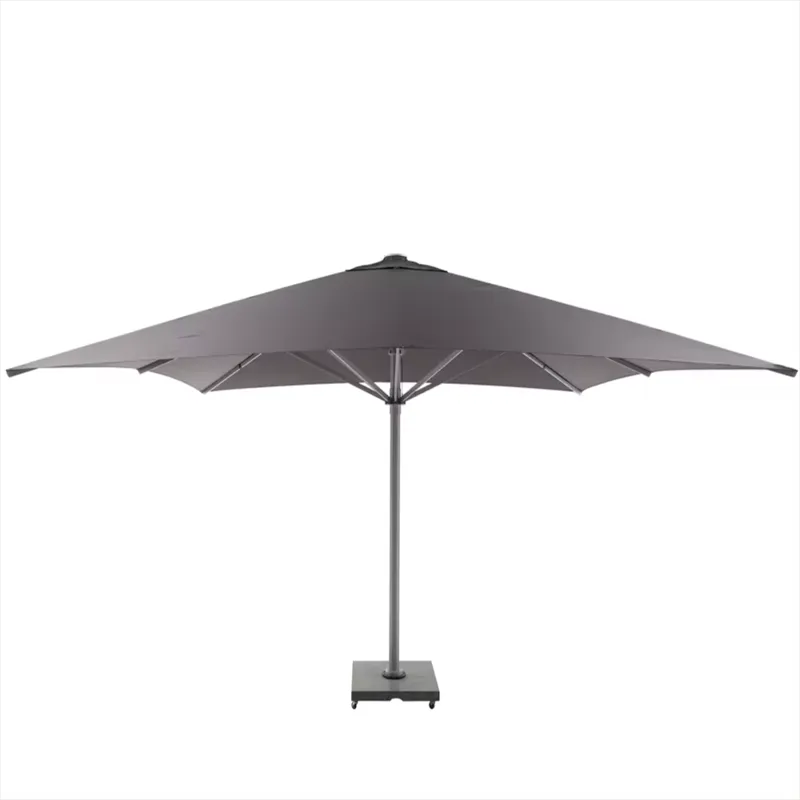
Installing a patio umbrella correctly transforms your outdoor space into a comfortable retreat while ensuring safety for everyone who gathers beneath its shade. Whether you're setting up a cantilever umbrella, a center pole model, or a swivel-mounted unit, understanding proper installation techniques prevents accidents, extends the lifespan of your investment, and maximizes functionality. This comprehensive guide walks you through every critical step of the installation process, from selecting the right location to securing your patio umbrella against wind and weather, ensuring you can enjoy your outdoor living area with confidence and peace of mind.
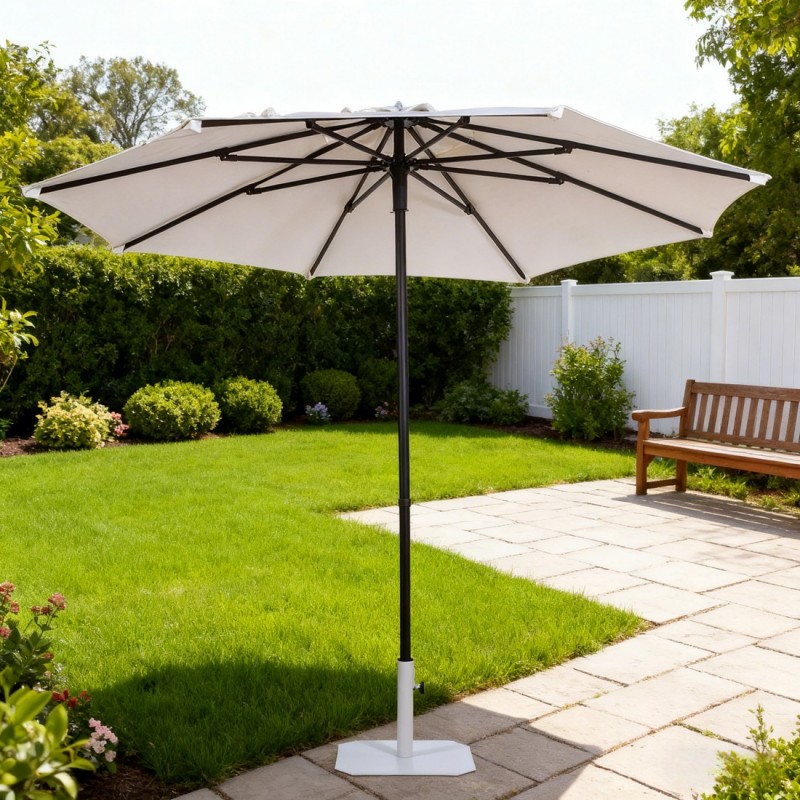
Safe patio umbrella installation requires more than simply placing the pole into a base or table hole. It demands careful attention to weight distribution, surface stability, umbrella specifications, and environmental factors that affect performance. Many homeowners underestimate the forces that wind exerts on canopy surfaces, leading to tipped umbrellas, damaged furniture, and potential injuries. By following industry-recommended installation protocols and understanding the mechanical principles behind umbrella stability, you can create a secure outdoor environment that withstands typical weather conditions while providing reliable shade throughout the season.
Preparing Your Installation Site
Assessing Surface Stability and Levelness
Before installing your patio umbrella, evaluate the surface where it will stand to ensure adequate stability. Concrete patios, composite decking, and stone pavers provide excellent foundational support, while grass, gravel, or uneven surfaces may require additional stabilization measures. Use a carpenter's level to check that your chosen location is reasonably flat, as even slight slopes can create uneven weight distribution that compromises stability. For tilted surfaces, consider using adjustable base feet or shimming techniques to achieve proper leveling before proceeding with installation.
The type of surface directly influences which base system works best for your patio umbrella. Hard surfaces allow you to use weighted bases that rely on mass for stability, while softer ground may accommodate in-ground sleeve installations that anchor the pole below the surface. If you're installing on a wooden deck, verify that the structure can support the combined weight of the umbrella, base, and wind load without causing stress to the decking boards. Distribute weight across multiple joists when possible, and avoid placing heavy bases near deck edges where structural support is weakest.
Measuring Clearance and Overhead Obstructions
Proper clearance prevents your patio umbrella from contacting structures, tree branches, electrical lines, or other obstacles during opening, closing, or swiveling. Measure the full radius of the canopy when fully extended and add at least twelve inches of clearance on all sides to account for wind movement and operational adjustments. For cantilever and offset umbrellas, consider the full sweep area as the canopy rotates through its range of motion, ensuring no contact points exist throughout the rotation arc.
Overhead clearance deserves particular attention when installing larger patio umbrella models or those with tilting mechanisms. Measure from the ground to the highest point the umbrella will reach when fully opened, including any decorative finials or mechanical components at the pole top. Low-hanging eaves, pergola beams, awning structures, and tree canopies can interfere with umbrella operation and create hazards during windy conditions when the canopy may flex upward. Mark potential conflict zones with temporary markers during the planning phase to visualize spatial relationships before committing to a final installation location.
Evaluating Wind Exposure and Weather Patterns
Understanding typical wind conditions in your area helps determine appropriate anchoring requirements for your patio umbrella installation. Locations with frequent afternoon breezes, coastal exposure, or channeling effects from nearby buildings require more robust securing methods than protected courtyard settings. Observe wind patterns during different times of day and seasons to identify whether your chosen location experiences consistent directional winds or variable gusts that might stress the umbrella structure from multiple angles.
Consider proximity to wind breaks such as walls, fences, dense hedges, or architectural features that can reduce effective wind load on your patio umbrella. These barriers can significantly decrease the force exerted on the canopy, allowing you to use lighter stabilization systems while maintaining safety. However, avoid creating turbulent wind conditions by placing the umbrella too close to structures that create downdrafts or eddy currents. A distance of at least six feet from vertical surfaces typically provides optimal balance between wind protection and airflow management around the canopy.
Selecting and Assembling the Proper Base System
Understanding Base Weight Requirements
The foundation of safe patio umbrella installation lies in selecting a base with adequate weight to resist tipping forces. Standard market umbrellas typically require bases weighing between forty and seventy-five pounds, while larger cantilever models may need bases exceeding one hundred fifty pounds. Calculate required base weight by considering canopy diameter, pole height, and expected wind conditions, with a general guideline of approximately fifty pounds of base weight per nine square feet of canopy area under normal conditions.
Different base materials offer varying advantages for patio umbrella stability. Cast iron bases provide excellent weight-to-volume ratios and resist shifting on smooth surfaces, while concrete-filled plastic bases offer more affordable solutions with comparable mass. Granite and stone bases combine aesthetic appeal with functional weight, though they typically command premium prices. For maximum flexibility, consider bases with removable weight plates that allow you to adjust total mass based on seasonal wind patterns or when storing the umbrella during calmer periods.
Installing In-Ground Sleeve Systems
In-ground sleeve installations provide the most secure anchoring method for permanent patio umbrella locations. These systems involve excavating a cylindrical hole approximately eighteen to twenty-four inches deep and slightly wider than the umbrella pole diameter, then installing a metal or heavy-duty plastic sleeve that accepts the pole. Pour concrete around the sleeve to create a permanent anchor point that distributes forces deep into the ground, effectively eliminating tipping risks even in strong wind conditions.
When installing ground sleeves for your patio umbrella, ensure the sleeve sits perfectly vertical using a post level checked on multiple sides during concrete pouring. The top of the sleeve should finish flush with or slightly above the surrounding surface to prevent water accumulation that could corrode the pole. Include a drainage hole at the sleeve bottom to allow moisture escape, and consider installing a removable cap that seals the opening when the umbrella is not in use. This installation method works particularly well for commercial settings, poolside applications, or residential locations where the umbrella remains in place throughout the season.
Securing Table-Mount Configurations
Many patio umbrellas install through center holes in outdoor dining tables, creating integrated shade solutions that conserve deck space. These installations require careful attention to pole diameter compatibility, ensuring the umbrella pole fits snugly within the table opening without excessive play that allows wobbling. Most quality patio tables include reinforced grommets or metal rings around umbrella holes that prevent wood splitting or resin cracking as the pole shifts during use.
When using table-mount configurations, the base must still provide adequate stability since the table alone rarely offers sufficient weight to resist tipping forces on larger patio umbrella models. Position a heavy base beneath the table or use a through-table base system where the base plate sits under the table with the pole extending through both the base and table hole. Secure the pole with set screws or locking collars at both the base and table level to prevent vertical movement while allowing controlled removal when needed. Never rely solely on the table weight to anchor an umbrella, as wind can easily overturn furniture that lacks proper counterweight.
Executing the Physical Installation Process
Assembling Multi-Section Poles and Ribs
Most patio umbrellas arrive with poles in multiple sections that require assembly before installation. Begin by identifying all pole segments and hardware, typically including connecting collars, set screws, and sometimes spring-loaded buttons that lock sections together. Lay segments on a clean, soft surface to prevent scratching finishes, and align connection points carefully to avoid cross-threading or misalignment that can prevent proper assembly or damage threading.
When joining pole sections for your patio umbrella, ensure each connection seats completely before tightening set screws. Incomplete insertion creates weak points where the pole can bend or separate under stress. Apply light lubrication to threaded connections using silicone spray or graphite powder to ease assembly and future disassembly, avoiding petroleum-based products that might degrade seals or coatings. Tighten all set screws firmly using appropriate hex keys, but avoid overtightening which can strip threads or deform softer aluminum poles.
Installing the Canopy and Rib Assembly
Attaching the canopy to the rib framework requires patience and attention to alignment to ensure proper fit and function. Most patio umbrella canopies attach via sleeves at each rib end, with Velcro straps, ties, or snap fasteners securing the fabric in place. Begin at one rib and work progressively around the umbrella, ensuring even tension distribution that prevents wrinkles or stress points. Loose attachment points allow excessive fabric movement that accelerates wear, while overtightened connections can tear fabric or bend ribs.
For umbrellas with separate canopy and frame components, lay the canopy flat and identify the top center point, which typically features a cap or hole that fits over the finial assembly. Slide each rib tip into its corresponding pocket, working from opposite sides to maintain balance. Check that the canopy orientation matches the frame design, particularly for models with valances or decorative elements that should face specific directions. Once all ribs are inserted, adjust the fabric to eliminate slack pockets where wind can catch, and verify that the canopy sits symmetrically around the pole.
Raising and Securing the Patio Umbrella
The initial raising of your patio umbrella requires smooth, controlled motion to prevent binding or damage to the lifting mechanism. For crank-operated models, turn the handle steadily in the opening direction while observing the canopy for any catching or uneven deployment. If resistance increases suddenly, stop immediately and inspect for tangled fabric, misaligned ribs, or obstructions in the lifting assembly. Never force a stuck mechanism, as this typically indicates a correctable alignment issue rather than a need for greater force.
Push-up patio umbrellas require a different approach, with steady upward pressure applied to the runner or hub assembly while supporting the pole to prevent tipping. Position yourself to push straight upward rather than at an angle, which can bind the mechanism or create lateral forces that stress the base connection. Once the canopy reaches full extension, engage the locking pin or mechanism that holds the umbrella open, ensuring it seats completely in the designated notch or hole. Test the lock by gently pulling downward on the canopy edge to confirm secure engagement before walking away from the newly installed umbrella.
Implementing Wind Safety and Securing Measures
Adding Supplemental Weight and Anchoring
Even properly sized bases benefit from supplemental securing methods in high-wind areas or with particularly large patio umbrella installations. Weight plates that stack onto base poles provide easily adjustable mass that you can increase during windy seasons and reduce when conditions moderate. These plates typically feature center holes matching standard pole diameters and flat surfaces that stack securely without specialized fasteners.
For maximum security, consider adding tie-down straps or cables that connect the umbrella pole or base to fixed anchor points such as deck posts, railing systems, or ground anchors. Use weather-resistant strapping rated for outdoor exposure, with adjustable tensioning systems that allow you to maintain proper tightness as materials expand and contract with temperature changes. Position tie-downs at angles that resist the primary wind direction in your location, creating a triangulated anchor system when using multiple attachment points. This approach proves particularly valuable for commercial installations or patio umbrella models with swivel bases that might rotate during wind events.
Installing Wind Vents and Pressure Relief Features
Many modern patio umbrellas incorporate wind vents at the canopy peak that allow air pressure to escape rather than building force against the fabric surface. If your umbrella includes vents, ensure they remain unobstructed during installation and do not accidentally close vent flaps with tie wraps or fasteners. These openings significantly reduce wind load by preventing the canopy from acting as a solid surface that catches wind, instead allowing controlled airflow through the top that maintains shade while reducing tipping forces.
For patio umbrella models without factory vents, consider whether aftermarket modifications make sense for your wind exposure. Some fabric specialists can retrofit vents into existing canopies, though this requires careful planning to maintain structural integrity and waterproofing. Alternatively, simply tilting the umbrella slightly during windy periods can reduce wind load by allowing air to flow under rather than directly against the canopy. Most tilt mechanisms allow you to angle the umbrella away from prevailing winds, effectively reducing the sail area exposed to wind forces.
Establishing Wind Speed Protocols
Safe patio umbrella operation requires establishing clear protocols for when to close the canopy based on wind conditions. Most manufacturers specify maximum safe wind speeds, typically ranging from twenty to thirty miles per hour for standard models. Install an outdoor anemometer or weather station that provides real-time wind speed data, allowing you to make informed decisions about umbrella security rather than relying on subjective assessment of conditions.
Develop a habit of closing your patio umbrella whenever you leave the area unattended or when weather forecasts predict gusty conditions. Even brief wind gusts can generate tremendous forces on an open canopy, potentially causing tipping, pole bending, or rib failure in seconds. For extended periods away from home, remove the canopy entirely or take down the complete umbrella assembly to eliminate any risk of wind damage. The few minutes required to close or secure the umbrella properly far outweigh the cost and inconvenience of repairing wind damage or replacing a destroyed unit.
Maintaining Stability Throughout the Season
Regular Inspection and Tightening Procedures
Ongoing safety with your patio umbrella installation requires periodic inspection and maintenance of all connection points and securing systems. Establish a weekly routine during the usage season to check base weight security, pole connection tightness, and fabric attachment integrity. Vibration from wind exposure gradually loosens set screws and fasteners even on properly installed umbrellas, creating play in connections that reduces stability and accelerates wear on mechanical components.
Focus inspection attention on the pole-to-base connection, as this junction bears the greatest stress during wind events. Verify that locking collars, set screws, or pin mechanisms remain fully engaged and show no signs of loosening or wear. For weighted bases, confirm that weight plates remain securely positioned and that the base itself has not shifted from its original placement. Rock the closed patio umbrella gently in multiple directions to detect any looseness that indicates needed attention, addressing any movement immediately before allowing the umbrella to be opened for use.
Adjusting for Seasonal Weather Changes
As seasons progress, weather patterns shift and the surrounding environment changes in ways that affect patio umbrella stability. Spring growth of nearby trees may create new overhead obstacles or wind channeling effects that were not present during initial installation. Summer heat can cause ground settlement that affects base levelness, while autumn winds typically increase in frequency and intensity, requiring enhanced securing measures for safe continued use.
Monitor how seasonal changes impact your specific installation location and adjust securing methods accordingly. Add supplemental weight to bases as autumn approaches, increase inspection frequency during stormy seasons, and consider earlier daily closing times when temperature drops create stronger evening winds. For coastal locations, salt air exposure accelerates corrosion of metal components, making more frequent inspection and maintenance essential. Apply protective coatings to exposed metal surfaces and consider upgrading to stainless steel or powder-coated hardware for components showing corrosion signs on your patio umbrella installation.
Preparing for Storage and Off-Season Protection
When the outdoor season ends, proper storage preparation protects your patio umbrella investment and simplifies reinstallation for the following year. Begin by thoroughly cleaning all components, removing dirt, pollen, and organic material that could promote mold growth or attract pests during storage. Allow fabric canopies to dry completely before folding to prevent mildew formation, and clean pole and rib surfaces with appropriate cleaners for their material composition.
Disassemble the patio umbrella carefully, keeping all hardware organized in labeled containers or bags attached to major components. Store poles horizontally on padded supports that prevent bending, and fold canopies loosely rather than in tight creases that can create permanent wrinkles or weak points in fabric. Keep stored umbrellas in dry, temperature-controlled environments when possible, avoiding damp basements or uninsulated sheds where humidity and temperature extremes can damage materials. For bases remaining outdoors, drain any water accumulation, cover openings to prevent debris entry, and position covers or tarps to shield from direct weather exposure until reinstallation time arrives.
FAQ
What size base do I need for my patio umbrella?
Base weight requirements depend on canopy diameter and wind exposure, with a general guideline of fifty pounds per nine square feet of canopy area. Standard nine-foot patio umbrellas typically require bases weighing forty-five to seventy-five pounds, while larger eleven-foot models need seventy-five to one hundred pounds. Cantilever and offset designs require heavier bases due to their extended reach, often needing one hundred fifty pounds or more. Always check manufacturer specifications for your specific model, and increase base weight by twenty-five to fifty percent if your location experiences frequent winds or the umbrella will remain unattended for extended periods.
Can I install a patio umbrella on a wooden deck safely?
Yes, you can safely install a patio umbrella on wooden decking provided the structure can support the combined weight of the umbrella, base, and wind loads. Distribute base weight across multiple deck joists rather than concentrating it on surface boards alone, and avoid placing heavy bases near deck edges where structural support is weakest. For permanent installations, consider through-deck mounting systems that anchor to the underlying frame structure. Always verify your deck's load capacity, particularly for older structures or composite materials with lower weight ratings, and use base pads or protective mats to prevent indentation marks or moisture damage to deck surfaces beneath the base.
How often should I close my patio umbrella?
Close your patio umbrella whenever wind speeds exceed twenty miles per hour, when leaving the area unattended for more than brief periods, and always overnight regardless of weather conditions. Many damage incidents occur during unexpected wind gusts when homeowners assumed calm conditions would persist, making it essential to develop conservative closing habits rather than leaving umbrellas open continuously. For commercial settings or public spaces, establish clear protocols that staff close umbrellas at predetermined wind thresholds or times of day. The minor inconvenience of reopening an umbrella far outweighs the risk of wind damage, tipping hazards, or the replacement cost of a destroyed unit.
What should I do if my patio umbrella keeps tipping over?
Persistent tipping indicates inadequate base weight, unstable surface conditions, or improper installation that requires immediate correction. First, verify that your base meets manufacturer weight recommendations for your specific canopy size and increase base mass if needed through additional weight plates or a larger base system. Check surface levelness and stability, addressing any slope or loose substrate that prevents proper base seating. Inspect all connection points between pole and base for looseness or wear, tightening set screws and replacing damaged components. Consider supplemental anchoring methods such as tie-down straps to fixed points or upgrading to an in-ground sleeve system for permanent installations. Never continue using a patio umbrella that repeatedly tips, as this creates serious safety hazards and indicates a fundamental stability problem requiring resolution before further use.