 EN
EN
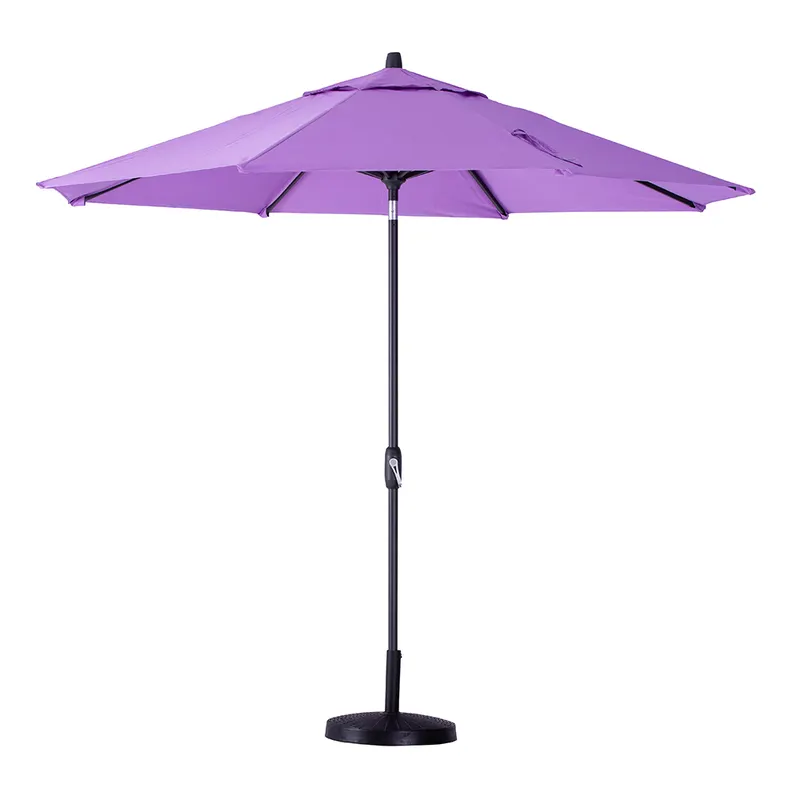
Selecting the right materials for garden umbrellas is a critical decision that directly impacts durability, weather resistance, and overall value for money. Whether you're furnishing a residential patio, a commercial outdoor dining area, or a hospitality venue, understanding the properties of canopy fabrics, frame materials, and structural components helps ensure your investment withstands years of sun exposure, wind stress, and seasonal weather variations. High-quality garden umbrellas combine engineered materials that balance strength, fade resistance, and ease of maintenance, making material selection the foundation of long-term outdoor shading performance.
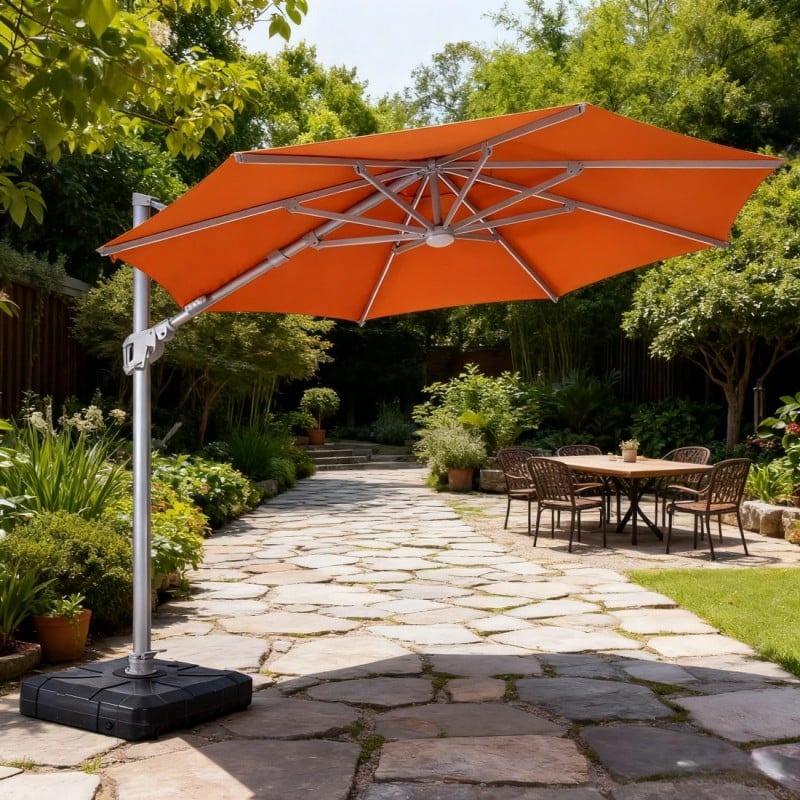
The best materials for durable garden umbrellas must address multiple performance criteria simultaneously. Canopy fabrics need to resist ultraviolet degradation while maintaining color vibrancy, frame structures must endure mechanical stress from wind gusts and operational cycles, and all components should tolerate moisture exposure without corrosion or structural failure. This comprehensive analysis examines the leading material choices across canopy textiles, frame alloys, and hardware components, providing decision-makers with practical insights into how material properties translate into real-world durability and functional longevity for outdoor shading solutions.
Canopy Fabric Materials for Weather Resistance
Solution-Dyed Acrylic Fabrics
Solution-dyed acrylic represents the premium standard for garden umbrellas requiring maximum fade resistance and water repellency. Unlike piece-dyed fabrics where color is applied to finished fibers, solution-dyed acrylic integrates pigment into the polymer solution before fiber extrusion, creating colorfastness that penetrates the entire fiber structure. This manufacturing process enables garden umbrellas to maintain vivid color integrity even after years of continuous sun exposure, with typical fade resistance ratings exceeding 1,500 hours under accelerated weathering tests. The closed fiber structure also provides inherent water repellency, allowing rain to bead and shed rather than saturating the canopy.
The durability advantages of solution-dyed acrylic extend beyond color retention to include exceptional resistance to mildew growth and environmental pollutants. The synthetic fiber composition resists organic decomposition, preventing the unsightly staining and structural weakening that affects natural fiber canopies in humid climates. For commercial installations where appearance maintenance is critical, solution-dyed acrylic garden umbrellas typically require only periodic cleaning with mild soap solutions to restore original appearance, significantly reducing long-term maintenance labor compared to cotton or blended fabrics that demand frequent deep cleaning or replacement cycles.
Polyester with UV-Protective Coatings
Polyester fabrics treated with specialized ultraviolet-inhibiting coatings offer an economical alternative for garden umbrellas in moderate climate applications. Modern polyester canopy materials incorporate titanium dioxide or organic UV absorbers into coating formulations, creating a protective barrier that intercepts harmful radiation before it degrades the base fiber structure. Quality polyester garden umbrellas can achieve UPF ratings between 30 and 50, providing substantial sun protection while maintaining reasonable colorfastness for three to five seasons under typical residential use patterns. The synthetic fiber base resists moisture absorption, enabling quick drying after rain events.
Performance durability in polyester garden umbrellas depends heavily on coating quality and application consistency. Premium manufacturers apply multiple coating layers using controlled processes that ensure uniform coverage and proper adhesion to fiber surfaces. However, mechanical abrasion from wind-induced fabric movement or physical contact can gradually wear protective coatings, exposing underlying fibers to accelerated photodegradation. For applications requiring maximum longevity, polyester works best in partially shaded environments or regions with moderate solar intensity, where the coating protection extends functional lifespan to match acrylic alternatives while offering cost advantages for budget-conscious projects.
Olefin Fiber Technology
Olefin fabrics have emerged as a specialized material choice for garden umbrellas in coastal or high-humidity environments where moisture resistance is paramount. The polypropylene-based fiber composition exhibits extremely low moisture absorption, preventing mildew colonization and eliminating the musty odors that plague natural fiber canopies in damp conditions. Olefin's inherent hydrophobic properties mean garden umbrellas made from this material dry rapidly after rain exposure, reducing the risk of water pooling that can stress frame components or create breeding grounds for mold. The fiber's chemical stability also provides excellent resistance to chlorine exposure, making olefin ideal for poolside installations.
While olefin delivers outstanding moisture and chemical resistance, its ultraviolet stability requires careful formulation with stabilizing additives. Untreated polypropylene degrades relatively quickly under direct sunlight, but modern olefin fabrics incorporate hindered amine light stabilizers and antioxidant packages that significantly extend outdoor lifespan. Quality olefin garden umbrellas can achieve five to seven years of service in coastal applications where salt spray and constant humidity would compromise acrylic or polyester alternatives. The material's lighter weight compared to solution-dyed acrylic also reduces stress on mechanical opening systems, potentially extending the operational lifespan of frame components and hardware assemblies.
Frame Material Engineering for Structural Longevity
Marine-Grade Aluminum Alloys
Marine-grade aluminum alloys, particularly 6061-T6 and 6063-T5 specifications, represent the optimal frame material for garden umbrellas requiring corrosion resistance and high strength-to-weight ratios. These precipitation-hardened alloys combine excellent mechanical properties with superior resistance to atmospheric corrosion, making them ideal for coastal installations or environments with high humidity and salt exposure. The natural oxide layer that forms on aluminum surfaces provides passive corrosion protection without requiring additional surface treatments, though many manufacturers enhance this protection through anodizing processes that increase surface hardness and aesthetic consistency across frame components.
The structural advantages of aluminum frames extend to operational longevity and ease of use. Garden umbrellas constructed from marine-grade aluminum typically weigh 30-40% less than equivalent steel frames while maintaining comparable or superior bending strength, reducing the physical effort required for repositioning or adjustment. The material's elastic properties allow frames to flex under wind stress without permanent deformation, returning to original geometry after loading events that would bend or crack inferior materials. For commercial applications requiring frequent opening and closing cycles, aluminum frames demonstrate exceptional fatigue resistance, commonly exceeding 10,000 operational cycles without mechanical failure when properly engineered.
Powder-Coated Steel Structures
High-carbon steel frames with professional-grade powder coating offer maximum structural rigidity for large-span garden umbrellas where wind resistance is the primary design concern. Steel's superior tensile strength enables the use of smaller cross-sectional dimensions while maintaining structural integrity under high wind loads, creating sleeker visual profiles compared to aluminum alternatives of equivalent strength. The material choice proves particularly advantageous for cantilever garden umbrellas and large square configurations where lateral forces create significant bending moments that demand maximum material stiffness to prevent deflection or permanent deformation.
Durability performance in steel-framed garden umbrellas depends critically on coating quality and application thoroughness. Premium powder coating processes involve comprehensive surface preparation including phosphate conversion coating followed by electrostatic powder application and high-temperature curing. This multi-stage process creates a chemically bonded protective layer that resists chipping, scratching, and moisture penetration far more effectively than liquid paint systems. However, any coating breach that exposes base metal to moisture initiates corrosion that can rapidly compromise structural integrity. For this reason, steel garden umbrellas require regular inspection of coating integrity and immediate touch-up of any damage to maintain long-term durability in outdoor environments.
Fiberglass Composite Ribs
Fiberglass composite ribs have revolutionized the durability of garden umbrellas by introducing flexible strength that prevents catastrophic failure during unexpected wind events. Unlike rigid metal ribs that bend permanently or snap when overloaded, fiberglass composites flex significantly under wind stress before returning to their original shape once loading subsides. This elastic behavior allows garden umbrellas to survive wind gusts that would destroy conventional designs, making fiberglass rib technology particularly valuable in exposed locations or for installations that cannot be closed during every weather event. The material's corrosion immunity eliminates a major failure mode that affects metal components in coastal or high-humidity environments.
The manufacturing process for fiberglass ribs involves pultrusion or filament winding techniques that orient glass fibers along primary load paths, maximizing strength efficiency while minimizing weight. Quality fiberglass components in garden umbrellas incorporate UV-resistant resin matrices that prevent photodegradation of the polymer binder, ensuring mechanical properties remain stable throughout the product's service life. The material combination creates components that maintain flexibility across wide temperature ranges, unlike some plastics that become brittle in cold conditions or excessively soft in high heat. For garden umbrellas subjected to variable seasonal conditions, fiberglass ribs provide consistent performance year-round without the thermal expansion issues that can affect metal alternatives.
Hardware and Connection Component Durability
Stainless Steel Fasteners and Pivots
Stainless steel hardware represents a non-negotiable requirement for durable garden umbrellas, particularly in the critical pivot points, fasteners, and articulation mechanisms that experience both mechanical wear and environmental exposure. Type 304 and 316 stainless steel grades provide excellent corrosion resistance through their chromium-nickel composition, with 316 grade offering superior performance in marine environments due to added molybdenum content. These alloys maintain structural integrity and smooth operation even after years of exposure to moisture, salt spray, and temperature cycling that would cause carbon steel components to rust and seize.
The mechanical durability of stainless steel hardware in garden umbrellas extends beyond corrosion resistance to include excellent wear characteristics under repeated operational cycles. Pivot pins, hinge assemblies, and adjustment mechanisms manufactured from stainless steel maintain precise tolerances and smooth movement through thousands of opening and closing cycles, whereas softer metals or plated alternatives develop play and binding as surface treatments wear away. For commercial garden umbrellas that may cycle multiple times daily, stainless hardware significantly extends service intervals between maintenance and reduces the likelihood of sudden mechanical failure that creates safety hazards or requires emergency replacement.
Bronze and Brass Decorative Elements
Bronze and brass components serve dual functions in premium garden umbrellas, providing both aesthetic appeal and exceptional durability in decorative finials, hub covers, and adjustment collars. These copper-based alloys develop natural patina over time that many designers value for its authentic weathered appearance, while the underlying metal retains full structural integrity. The inherent antimicrobial properties of copper alloys also resist biological colonization that can affect other materials in humid environments, keeping decorative elements cleaner with less maintenance intervention than plated alternatives that lose their finish over time.
The selection between bronze and brass for garden umbrellas hardware depends primarily on desired aesthetic outcomes and specific environmental exposures. Bronze alloys containing higher tin percentages develop rich brown patinas and offer slightly superior corrosion resistance in marine environments, making them ideal for coastal installations. Brass alternatives maintain brighter golden tones initially and polish more easily if owners prefer maintained luster, though they will eventually develop characteristic green verdigris in outdoor exposure. Both materials provide excellent mechanical properties for structural components, with tensile strengths sufficient for hub assemblies, pulley systems, and adjustment mechanisms that must withstand significant operational forces throughout the garden umbrella's service life.
Protective Treatments and Surface Finishes
Anodizing Processes for Aluminum Components
Anodizing transforms aluminum garden umbrellas frames from merely corrosion-resistant to virtually maintenance-free through an electrochemical process that grows a controlled oxide layer directly from the base metal. Unlike applied coatings that can chip or peel, anodized surfaces integrate molecularly with the aluminum substrate, creating a protective layer that cannot separate from the underlying material. This hard ceramic-like surface increases scratch resistance, enhances corrosion protection, and provides a uniform appearance that resists fading and discoloration. Type II anodizing creates layers approximately 0.0002 to 0.001 inches thick suitable for most garden umbrellas, while Type III hard anodizing produces even thicker, more wear-resistant surfaces for commercial applications.
The color stability and aesthetic consistency of anodized garden umbrellas frames surpass organic coatings in outdoor applications. The anodizing process can incorporate dyes into the porous oxide structure before sealing, creating colors that penetrate the protective layer rather than sitting on the surface. This integration means colors cannot scratch off or wear away through handling and environmental exposure. Clear anodizing preserves aluminum's natural metallic appearance while providing all protective benefits, creating a modern aesthetic that complements contemporary outdoor furniture collections. For facilities requiring brand color consistency across multiple garden umbrellas or matching existing architectural elements, anodizing offers superior long-term color fidelity compared to painted alternatives.
Water-Repellent and Stain-Resistant Treatments
Advanced fluoropolymer treatments applied to garden umbrellas canopies create hydrophobic surfaces that dramatically improve cleaning ease and stain resistance. These molecular-level treatments modify fabric surface energy, causing water and oil-based contaminants to bead rather than penetrate fiber structures. The practical benefit appears in reduced cleaning frequency and improved appearance retention, as common soiling agents like pollen, bird droppings, and atmospheric pollutants rinse away during rain events rather than bonding to fabric surfaces. Quality treatments penetrate individual fibers rather than merely coating fabric surfaces, ensuring durability through multiple cleaning cycles without treatment degradation.
The application timing of water-repellent treatments significantly impacts their longevity in garden umbrellas. Factory-applied treatments integrated during fabric manufacturing provide more durable protection than aftermarket spray applications, as industrial processes ensure complete fiber penetration and proper curing conditions. Some premium garden umbrellas incorporate renewable treatment technologies where periodic reapplication through simple spray products restores original water-shedding performance after several seasons of use. For hospitality and commercial applications where appearance maintenance directly impacts customer experience, treated fabrics reduce labor costs associated with spot cleaning and extend intervals between full canopy replacement, improving total cost of ownership despite higher initial material investment.
UV-Stabilizing Additives
Ultraviolet stabilizing additives incorporated into both fabric fibers and frame coatings represent invisible but critical contributors to garden umbrellas longevity. These chemical compounds interrupt photodegradation mechanisms by absorbing harmful UV radiation before it breaks molecular bonds in polymers, or by neutralizing free radicals generated during initial UV exposure. Hindered amine light stabilizers, benzotriazoles, and benzophenones each offer distinct protective mechanisms, with premium garden umbrellas often incorporating multiple stabilizer types to address different wavelengths and degradation pathways simultaneously.
The concentration and distribution of UV stabilizers directly correlates with the functional lifespan of garden umbrellas in high-exposure environments. Fiber manufacturers typically add stabilizer packages at 2-5% concentration by weight, with higher loadings justified for canopies destined for tropical or high-altitude installations where solar intensity exceeds temperate-zone baselines. In frame coatings and plastic components, UV stabilizers prevent the chalking, color shift, and mechanical property loss that characterizes photodegraded materials. Quality garden umbrellas from reputable manufacturers include stabilizer systems engineered for minimum five-year performance in full sun exposure, though actual lifespan varies with geographic location, orientation, and total annual UV dose received by individual installations.
FAQ
What canopy material offers the best fade resistance for garden umbrellas?
Solution-dyed acrylic fabric delivers superior fade resistance for garden umbrellas, with color integrated throughout the fiber structure rather than applied as surface dye. This construction method enables the material to maintain color vibrancy for five to seven years even under continuous sun exposure, significantly outperforming piece-dyed alternatives. The manufacturing process creates inherent UV stability that prevents the color shifting and chalking common in surface-treated fabrics, making solution-dyed acrylic the preferred choice for commercial installations where appearance consistency directly impacts brand image and customer experience.
How does aluminum compare to steel for garden umbrellas frame durability?
Marine-grade aluminum offers superior corrosion resistance and lighter weight compared to steel frames, making it ideal for coastal environments and applications requiring frequent repositioning. Steel frames provide greater structural rigidity for large-span garden umbrellas but require comprehensive powder coating to prevent rust formation. Aluminum naturally forms a protective oxide layer that self-heals minor scratches, while any coating breach on steel frames initiates corrosion that can rapidly compromise structural integrity. For maximum longevity with minimal maintenance, aluminum proves more durable in most outdoor environments, though properly coated steel excels in applications where maximum wind resistance is the primary design criterion.
Do garden umbrellas require special maintenance to maximize material lifespan?
Regular maintenance significantly extends the functional life of garden umbrellas regardless of material quality. Canopy fabrics benefit from monthly cleaning with mild soap solutions to remove accumulated pollutants that can degrade protective treatments and cause premature aging. Frame components require periodic inspection of connection points and hardware, with stainless steel fasteners occasionally needing lubrication to maintain smooth operation. Storing garden umbrellas in closed positions during extended non-use periods and applying fabric protectant treatments every two to three seasons helps maintain water repellency and UV protection. These simple maintenance practices often double the effective service life compared to neglected installations using identical materials.
Can mixed material construction improve overall garden umbrellas durability?
Strategic material combinations often produce more durable garden umbrellas than single-material designs by leveraging the specific advantages of different materials in appropriate applications. Aluminum center poles paired with fiberglass ribs combine corrosion resistance with flexible strength, creating structures that survive wind events while resisting environmental degradation. Solution-dyed acrylic canopies matched with stainless steel hardware deliver maximum weather resistance across all components. However, material compatibility requires careful engineering to prevent galvanic corrosion where dissimilar metals contact each other, and thermal expansion differentials between materials must be accommodated through proper joint design. Premium garden umbrellas typically employ three to four different materials optimized for specific functional requirements, with proper isolation and transition detailing ensuring all components achieve their full durability potential.
Table of Contents
- Canopy Fabric Materials for Weather Resistance
- Frame Material Engineering for Structural Longevity
- Hardware and Connection Component Durability
- Protective Treatments and Surface Finishes
-
FAQ
- What canopy material offers the best fade resistance for garden umbrellas?
- How does aluminum compare to steel for garden umbrellas frame durability?
- Do garden umbrellas require special maintenance to maximize material lifespan?
- Can mixed material construction improve overall garden umbrellas durability?