
 EN
EN
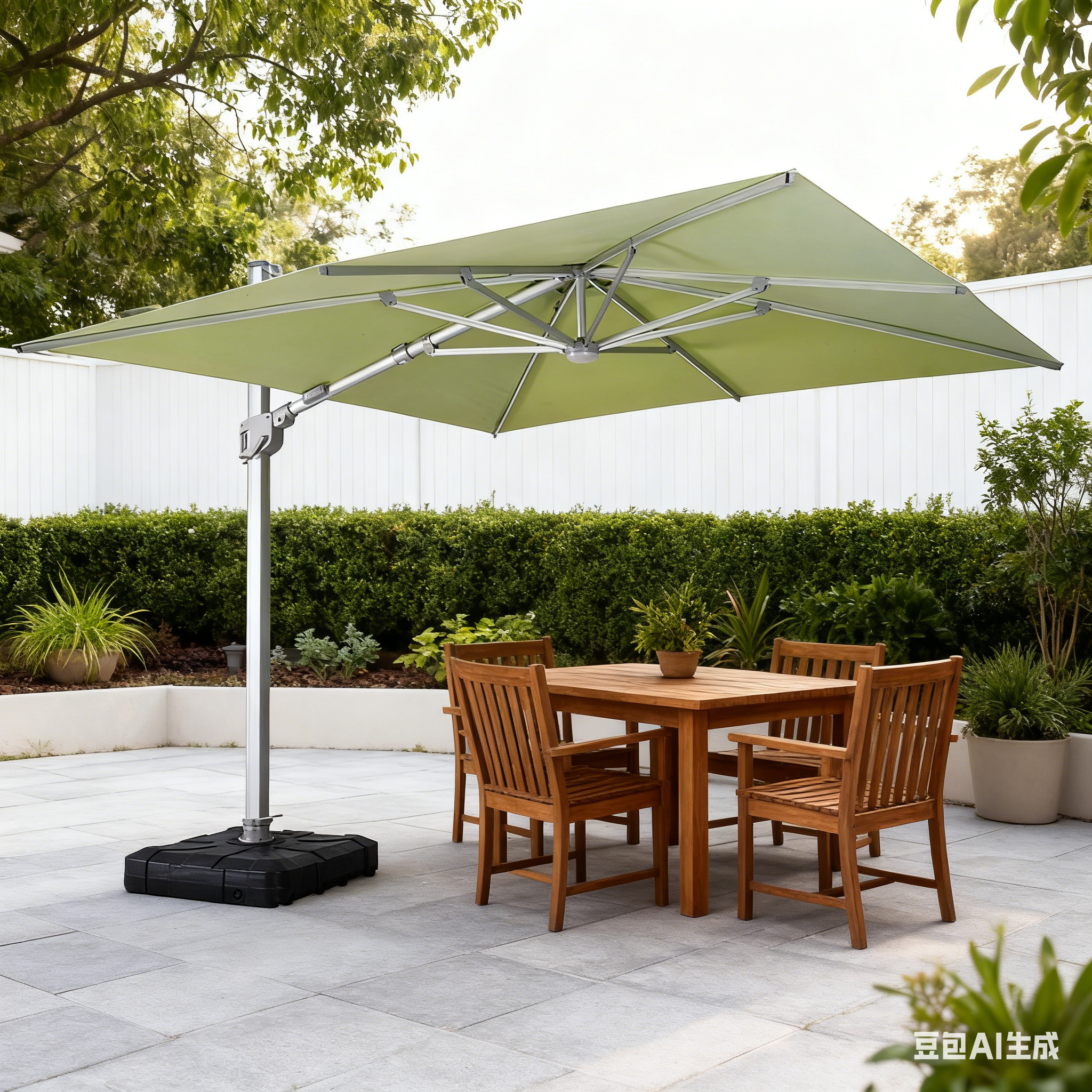
The outdoor hospitality and recreation industry is undergoing a significant transformation in how it approaches energy infrastructure. Resorts and parks that once relied entirely on grid-powered lighting are now discovering the operational, financial, and environmental benefits of switching to a smart solar light system. These advanced lighting solutions go far beyond simple solar panels with a bulb attached — they integrate sensors, automated controls, energy storage, and connectivity into a cohesive system that actively responds to the environment and usage patterns.
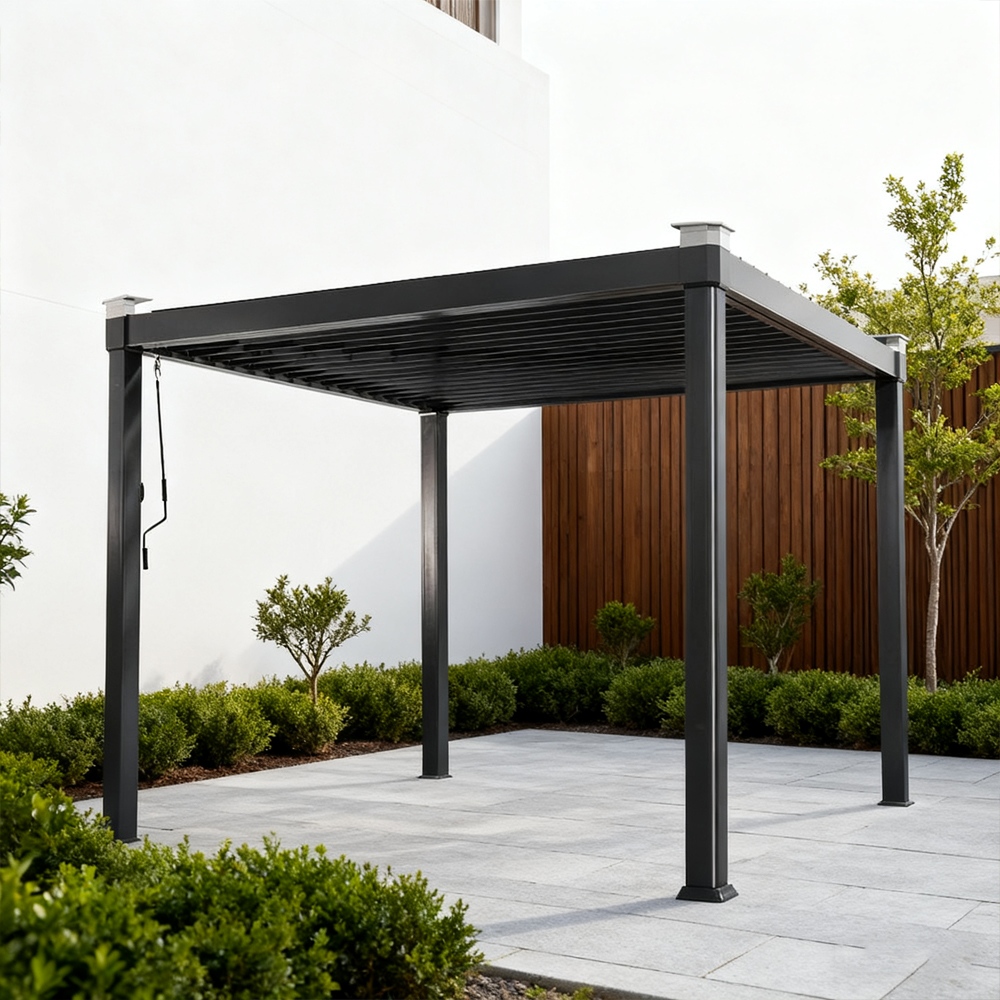
Understanding why an upgrade to smart solar light technology makes strategic sense requires looking at the pressure points that resorts and parks face today. Rising utility costs, increasing guest expectations for sustainability, the need for low-maintenance infrastructure in remote outdoor settings, and the global push toward carbon-neutral operations are all converging at once. When these factors are examined together, the case for upgrading becomes not just compelling but genuinely urgent for any property manager or park authority that wants to remain competitive and responsible.
The Real Cost of Conventional Outdoor Lighting in Resorts and Parks
Grid Dependency and Escalating Utility Bills
Traditional outdoor lighting in resorts and parks draws consistently from the electrical grid, making these facilities among the highest per-square-meter energy consumers in the hospitality sector. Pathways, gardens, pergola areas, water features, and parking lots all demand illumination throughout the night, often for extended hours. This continuous load translates directly into utility bills that can represent a significant fraction of a resort's annual operational budget.
Beyond the direct cost of electricity, grid-connected systems require underground cabling, transformer infrastructure, and licensed electrical contractors for any modifications or expansions. When a resort wants to add lighting to a new garden pavilion or extend trail coverage in a park, the project often becomes an expensive, time-consuming civil works undertaking. Smart solar light systems eliminate this dependency by generating, storing, and distributing power independently at each installation point.
The financial relief that comes from decoupling outdoor lighting from the grid is measurable from the first billing cycle after installation. Over a multi-year horizon, the savings become transformative — funds that were previously allocated to electricity procurement can be redirected toward guest experience improvements, maintenance programs, or sustainability certifications that attract premium clientele.
Hidden Maintenance Burdens of Legacy Systems
Conventional outdoor lighting systems in resorts and parks often carry a deceptively high maintenance overhead. Bulb replacements, wiring inspections, corrosion management in humid or coastal environments, and periodic electrical testing all require skilled labor and scheduled downtime. In a resort setting where guest experience is paramount, a dark pathway or malfunctioning feature light is not just a technical problem — it is a visible failure that affects reviews, brand perception, and safety.
A smart solar light installation dramatically reduces this burden. Modern systems use LED technology with lifespans that far exceed traditional bulbs, while the intelligent energy management built into each unit ensures that power is allocated efficiently to avoid premature battery depletion. Remote monitoring capabilities allow facility managers to identify performance issues before they result in failures visible to guests, enabling proactive rather than reactive maintenance.
For park authorities managing large natural areas, the practical advantages are even more pronounced. The ability to install smart solar light units without trenching or cabling means that lighting can be deployed along trails, in picnic areas, and around recreational facilities quickly and without disrupting the natural environment. Maintenance visits are less frequent, and the work involved is simpler, reducing both labor costs and the environmental footprint of ongoing operations.
How Smart Solar Light Systems Deliver Superior Performance Outdoors
Intelligent Energy Management and Adaptive Illumination
What separates a smart solar light system from a basic solar lamp is the intelligence embedded in its control architecture. These systems use real-time data from light sensors, motion detectors, and battery management circuits to continuously optimize how energy is harvested, stored, and consumed. During peak daylight hours, photovoltaic panels charge high-capacity lithium or LiFePO4 battery banks. As evening approaches, the system transitions automatically to illumination mode without any manual intervention.
Adaptive dimming is a particularly valuable feature for resorts and parks. Rather than burning at full intensity throughout the night regardless of activity levels, a smart solar light system can reduce output during low-traffic hours and brighten automatically when motion is detected. This not only extends battery runtime to ensure coverage through long winter nights but also creates a more dynamic and atmospheric lighting experience — one that guests frequently describe as more natural and appealing than flat, constant artificial light.
Programmable schedules allow resort managers to synchronize lighting behavior with events, seasonal changes, and operational hours. A smart solar light controlling a pergola seating area can be set to provide warm, inviting illumination during dinner service and then transition to a soft ambient mode later in the evening. This level of control was previously only possible with complex wired dimming systems, but smart solar technology delivers it wirelessly and without grid dependency.
Structural Integration with Outdoor Architecture
Modern smart solar light solutions are increasingly designed to integrate seamlessly with outdoor structures rather than appearing as afterthoughts bolted onto existing architecture. Pergolas, shade structures, and canopy systems are particularly well-suited to this integration because their roof panels provide an ideal mounting surface for solar collectors while their columns and beams offer natural pathways for internal wiring. The result is an aesthetically coherent installation that enhances the visual character of the space rather than cluttering it with visible infrastructure.
For resorts and parks that prioritize design quality, this architectural compatibility is a decisive advantage. A smart solar light integrated into a premium aluminum pergola structure creates a cohesive outdoor environment that communicates sophistication and sustainability simultaneously. Guests perceive the thoughtful integration of technology and nature as a mark of quality, and this perception reinforces the premium positioning of the property.
The durability requirements for outdoor hospitality settings are also addressed by purpose-built smart solar light systems. High-grade aluminum housings, corrosion-resistant coatings, tempered solar glass panels, and IP-rated sealed electrical components ensure that these systems maintain performance across years of exposure to rain, UV radiation, temperature cycling, and coastal salt air. Unlike retrofit lighting solutions, purpose-designed smart solar light units are engineered from the ground up for the demanding conditions that resorts and parks routinely experience.
Environmental and Brand Value Drivers Behind the Upgrade Decision
Measurable Sustainability Impact
Sustainability has moved from a marketing afterthought to a core procurement criterion for a growing segment of resort guests and park visitors. Travelers who actively seek out eco-certified properties, low-carbon experiences, and evidence of genuine environmental stewardship now represent a commercially significant demographic that rewards responsible businesses with loyalty and positive advocacy. Upgrading to smart solar light infrastructure is one of the most visible and quantifiable sustainability actions a resort or park can take.
Unlike internal operational improvements that guests never see, outdoor smart solar light installations are physically present in the spaces where guests spend their time. Visitors notice the solar panels, observe the clean aesthetic of wire-free pathways, and often ask about the technology. This creates organic opportunities for the property to communicate its environmental commitment through authentic experience rather than marketing claims. The story tells itself through the infrastructure.
From a reporting and certification perspective, the carbon reduction attributable to smart solar light adoption is straightforward to quantify. The kilowatt-hours of grid electricity displaced by solar generation translate directly into avoided carbon emissions that can be documented for sustainability reports, green certification applications, and ESG disclosures. For resorts seeking recognition from environmental rating bodies, this measurable impact carries substantial weight in the evaluation process.
Competitive Differentiation in a Demanding Market
The resort and park sector is intensely competitive, and the factors that drive guest selection decisions continue to evolve. In the current market, smart solar light infrastructure contributes to competitive differentiation in several distinct ways. First, the aesthetic quality of well-integrated solar lighting elevates the visual experience of outdoor spaces, making photography-worthy environments that drive social media sharing and organic reach. Second, the demonstration of technological sophistication signals to guests that the property is invested in forward-thinking management.
Third, and perhaps most practically, the reliability advantages of smart solar light systems translate into consistently high-quality guest experiences. Grid outages, which can plunge resort pathways and outdoor amenities into darkness, are rendered irrelevant when each lighting unit carries its own independent energy storage. Parks in remote locations that would otherwise be prohibitively expensive to connect to grid infrastructure can now offer well-lit trails, restroom facilities, and picnic areas thanks to the energy autonomy that smart solar light technology provides.
Properties that have completed smart solar light upgrades frequently report that the investment becomes a talking point in marketing materials, press coverage, and award submissions. The tangible, visible nature of the technology makes it a more compelling sustainability story than abstract internal energy efficiency measures, and this narrative value compounds the financial and operational benefits of the upgrade over time.
Practical Considerations for Upgrading Resort and Park Lighting Infrastructure
Site Assessment and System Sizing
A successful smart solar light upgrade begins with a thorough site assessment that maps the solar resource available across different zones of the property. Shading from trees, buildings, and topography can significantly affect the energy yield of solar panels, and this variation needs to be accounted for in system design. A well-executed assessment identifies the optimal placement for solar collectors at each installation point and specifies battery capacity based on the expected daily energy demand and the number of consecutive cloudy days the system must bridge without full recharging.
The illumination requirements of different zones within a resort or park also inform system design. A main entrance or event pergola area requires different light levels and color temperatures than a nature trail or garden pathway. Smart solar light systems are modular by nature, meaning that each installation can be configured independently to match its specific function and aesthetic context without requiring a one-size-fits-all approach across the entire property.
Engaging with experienced smart solar light suppliers during the site assessment phase ensures that technical specifications are matched to real-world conditions rather than theoretical assumptions. Understanding local sun hours, seasonal variation in solar irradiance, and the operational hours required for each lighting zone allows suppliers to recommend appropriate panel wattage, battery capacity, and LED fixture specifications that will deliver reliable performance across all seasons and weather conditions.
Installation, Integration, and Long-Term Management
One of the most practical advantages of smart solar light technology for resorts and parks is the simplicity of installation compared to grid-connected systems. Without the need to route electrical cables through conduit buried in landscaped grounds or under paved surfaces, installations can often be completed in a fraction of the time required for conventional wired systems. This minimizes disruption to ongoing resort operations and reduces the risk of damage to existing landscaping or hardscape during installation.
Integration with existing outdoor structures such as pergolas, arbors, and shade sails can be engineered to appear factory-original rather than retrofitted. When solar panels are incorporated into the roof structure of a pergola and LED fixtures are mounted within the beams, the smart solar light system becomes an intrinsic part of the architecture rather than a visible add-on. This integration approach preserves the design integrity of premium outdoor spaces while delivering full solar lighting functionality.
Long-term management of smart solar light installations is facilitated by the monitoring and diagnostic capabilities built into modern systems. Many units transmit performance data wirelessly to a central management platform, allowing facility managers to track energy generation, battery state-of-charge, and usage patterns across all installed units from a single dashboard. Anomalies that might indicate a failing component, shading event, or battery degradation are flagged automatically, enabling targeted maintenance responses before any guest-facing impact occurs.
FAQ
How long do smart solar light systems typically last in outdoor resort environments?
High-quality smart solar light systems are engineered for long service life in demanding outdoor conditions. The LED light sources typically maintain useful output for 50,000 hours or more, while solar panels are generally rated for 20 to 25 years of performance at or above 80% of their original output. Battery systems using LiFePO4 chemistry commonly deliver 2,000 to 3,000 charge cycles before requiring replacement. In a resort or park environment with appropriate component specifications and periodic maintenance, a smart solar light installation can be expected to deliver reliable service for well over a decade.
Can smart solar light systems perform reliably in regions with limited winter sunlight?
Yes, smart solar light systems can be designed to maintain reliable performance in regions with reduced winter solar irradiance through careful system sizing. Oversizing the solar panel capacity and specifying higher-capacity battery banks allows the system to store sufficient energy during shorter winter days to meet nighttime lighting requirements. The adaptive dimming and motion-responsive features built into smart solar light technology also reduce average energy consumption during low-traffic periods, further extending the operational runtime available from each full charge. A professional site assessment that accounts for local seasonal sun hour data is essential for accurate system sizing in high-latitude or cloud-prone locations.
What maintenance is required for smart solar light installations in parks and resorts?
Maintenance requirements for smart solar light systems are substantially lower than for conventional grid-connected outdoor lighting. The primary routine tasks involve periodic cleaning of solar panel surfaces to remove dust, pollen, bird droppings, and debris that can reduce energy harvesting efficiency. LED fixtures benefit from occasional inspection to ensure housings remain sealed and optical elements are clear. Battery health monitoring, facilitated by the system's built-in diagnostics, allows degradation to be tracked over time so that battery replacement can be planned proactively rather than handled as an emergency. Most resort and park maintenance teams can manage these tasks without specialized electrical certification.
Is the initial investment in smart solar light systems justified compared to conventional lighting upgrades?
The financial justification for smart solar light investment becomes clear when the total cost of ownership is evaluated rather than just the upfront installation cost. While the initial outlay for a smart solar light system typically exceeds that of a basic wired fixture, the absence of ongoing electricity costs, the elimination of underground cabling infrastructure, reduced maintenance frequency, and the extended lifespan of LED and solar components combine to produce a favorable total cost comparison over a 5 to 10 year horizon. For properties in remote or infrastructure-limited locations where grid connection costs are high, the financial advantage of smart solar light technology is even more pronounced, often achieving payback within 2 to 4 years depending on local electricity pricing and system scale.
Table of Contents
- The Real Cost of Conventional Outdoor Lighting in Resorts and Parks
- How Smart Solar Light Systems Deliver Superior Performance Outdoors
- Environmental and Brand Value Drivers Behind the Upgrade Decision
- Practical Considerations for Upgrading Resort and Park Lighting Infrastructure
-
FAQ
- How long do smart solar light systems typically last in outdoor resort environments?
- Can smart solar light systems perform reliably in regions with limited winter sunlight?
- What maintenance is required for smart solar light installations in parks and resorts?
- Is the initial investment in smart solar light systems justified compared to conventional lighting upgrades?