
 EN
EN
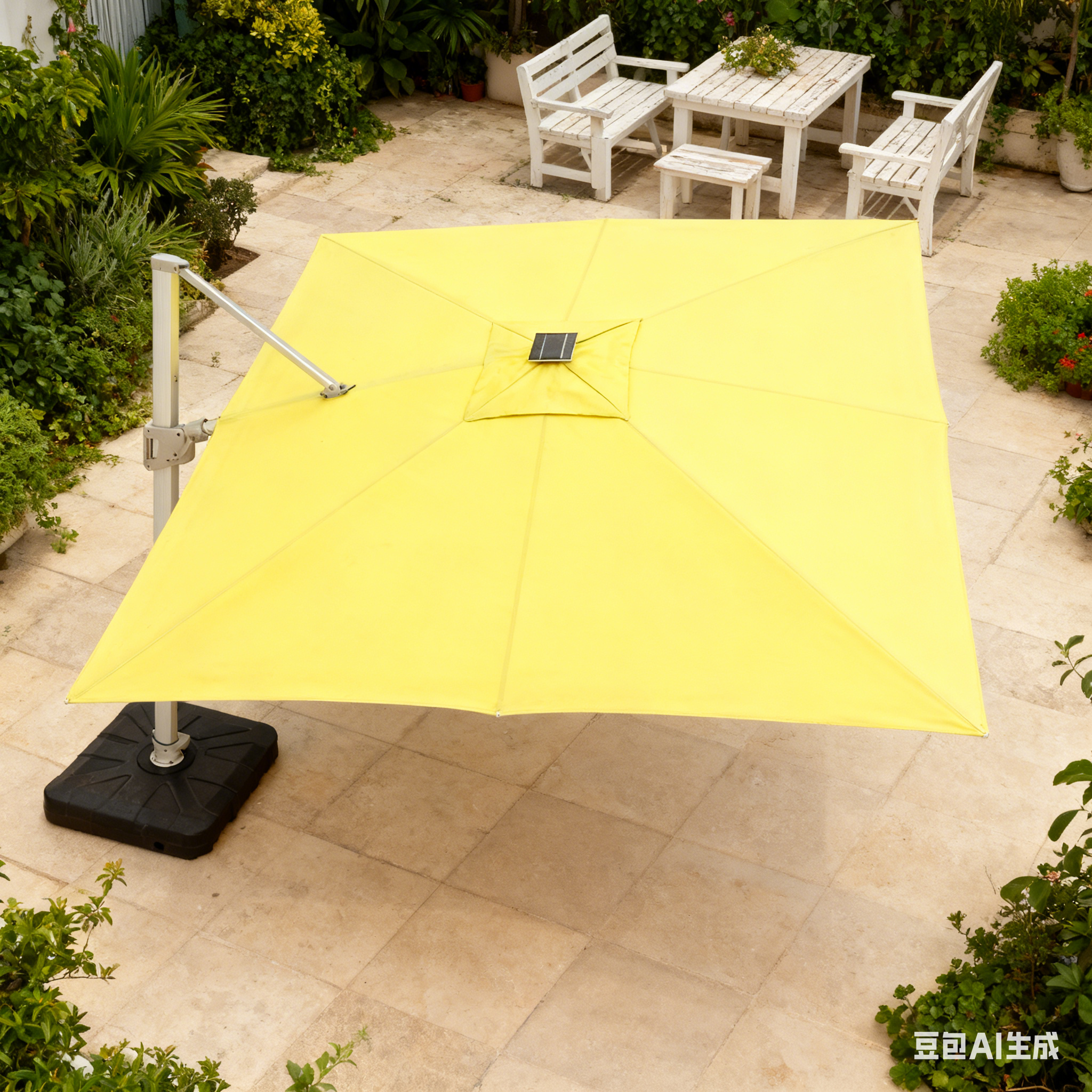
When hospitality venues undergo renovation, every square foot of outdoor and semi-outdoor space becomes a strategic asset. Designers and property managers are increasingly turning to cantilever umbrellas as a core element of their space planning toolkit, and for good reason. Unlike traditional center-pole shading solutions, cantilever umbrellas offer a fundamentally different structural logic — one that opens up the floor plan beneath the canopy and gives designers far greater freedom to arrange seating, circulation paths, and service zones without obstruction.
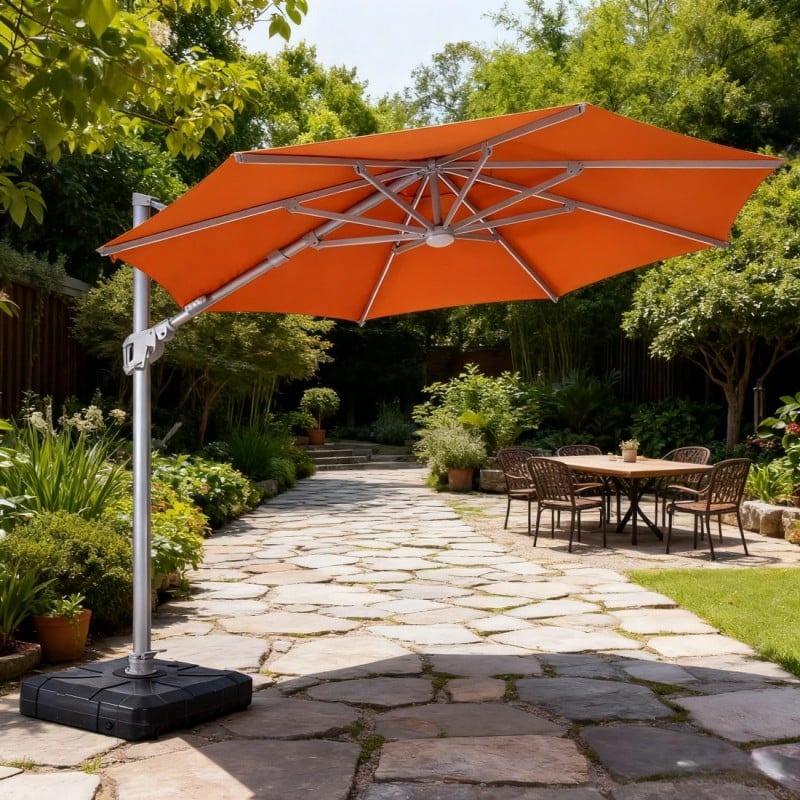
Hospitality renovations present a unique set of spatial challenges. Existing structures, fixed service points, and the need to maximize revenue-generating covers all compete within a constrained footprint. Cantilever umbrellas address these challenges directly by decoupling the shade structure from the usable floor area below. This article explores how cantilever umbrellas can be integrated into hospitality renovation planning to improve layout efficiency, guest comfort, operational flow, and the overall aesthetic coherence of outdoor dining and lounge environments.
The Structural Advantage of Cantilever Umbrellas in Renovation Contexts
How the Offset Pole Design Changes Space Utilization
The defining feature of cantilever umbrellas is the offset or side-mounted support pole, which positions the structural base outside the shaded zone. In a renovation context, this is transformative. Traditional umbrellas require a central pole that cuts through the middle of a table arrangement, limiting seating configurations and forcing designers to work around an immovable vertical obstruction. Cantilever umbrellas eliminate this constraint entirely.
With the pole anchored to the perimeter — whether to a wall, a weighted base, or a fixed floor mount — the entire area beneath the canopy becomes unobstructed usable space. This allows renovation planners to place larger tables, configure lounge seating, or create flexible multi-use zones that can shift between dining, event, and casual service formats throughout the day. The spatial yield per square meter increases meaningfully when the structural element is moved to the edge.
For venues working with irregular footprints, narrow terraces, or awkward transitions between indoor and outdoor zones, cantilever umbrellas offer a level of placement flexibility that fixed pergolas and center-pole solutions simply cannot match. The base can be positioned against a wall or railing, preserving the interior of the space for guest use.
Compatibility with Existing Architectural Features
Renovation projects rarely start with a blank canvas. Existing paving, drainage channels, structural columns, and service runs all impose constraints on where new elements can be installed. Cantilever umbrellas are particularly well-suited to these conditions because their footprint is concentrated at a single base point rather than distributed across a central pole and surrounding table arrangement.
This concentrated base footprint means that cantilever umbrellas can often be positioned to avoid existing underground services or surface features that would make center-pole installation impractical. In courtyard renovations, rooftop bar upgrades, and poolside redesigns, this compatibility with existing infrastructure reduces both installation complexity and cost.
Additionally, many cantilever umbrellas are designed with rotating or tilting canopy mechanisms, which allows a single unit to cover different areas at different times of day as the sun moves. This dynamic coverage capability means fewer units are needed to shade a given area, which further reduces the number of base installations required and simplifies the overall renovation scope.
Improving Guest Experience Through Thoughtful Shade Placement
Creating Comfortable Microclimates in Outdoor Dining Areas
Guest comfort in outdoor hospitality settings is directly tied to thermal comfort, and shade is the primary lever available to designers. Cantilever umbrellas allow shade to be positioned precisely where guests are seated, rather than where a structural pole can be accommodated. This distinction matters enormously in practice. A well-placed cantilever umbrella can shade a four-top table from mid-morning through early afternoon without casting shadow on adjacent service paths or neighboring tables that prefer sun exposure.
In renovation planning, this precision allows designers to create differentiated zones within a single outdoor area — shaded dining sections for guests who prefer shelter, sun-exposed areas for those who want warmth, and transitional zones that can be adjusted based on time of day or season. Cantilever umbrellas with tilting canopies are especially effective for this kind of dynamic zoning because they can be repositioned without moving furniture or disrupting service.
The psychological effect of well-managed shade should not be underestimated. Guests who are comfortable stay longer, order more, and return more frequently. For hospitality operators, investing in quality cantilever umbrellas during a renovation is not simply an aesthetic decision — it is a direct investment in dwell time and revenue per cover.
Reducing Glare and Heat Without Enclosing the Space
One of the persistent tensions in outdoor hospitality design is the trade-off between shelter and openness. Permanent structures like pergolas and awnings provide reliable shade but can make outdoor spaces feel enclosed and reduce the sense of connection to the surrounding environment. Cantilever umbrellas resolve this tension by providing effective shade while maintaining the open, airy character that makes outdoor dining appealing in the first place.
The canopy of a cantilever umbrella intercepts direct solar radiation and reduces surface temperatures beneath it significantly, without creating the enclosed microclimate that solid roofing structures produce. Air continues to circulate freely, which is particularly important in warm climates where trapped heat under a solid canopy can make conditions worse rather than better. Guests benefit from shade without feeling confined.
For renovation projects where planning permissions or heritage constraints limit the installation of permanent overhead structures, cantilever umbrellas offer a compliant and reversible alternative that still delivers meaningful improvements to guest comfort. Their non-permanent status often places them outside the scope of structural planning approvals, simplifying the renovation process considerably.
Space Planning Applications Across Different Hospitality Venue Types
Outdoor Dining Terraces and Restaurant Patios
Restaurant terraces are among the most common settings where cantilever umbrellas deliver measurable space planning benefits. In a typical terrace renovation, the goal is to maximize the number of covers while maintaining comfortable spacing between tables and clear circulation paths for service staff. Cantilever umbrellas support this goal by allowing shade to be provided without consuming table space or creating obstacles in service aisles.
A single large cantilever umbrella can shade multiple tables simultaneously, reducing the number of individual shade units required and simplifying the visual composition of the terrace. This consolidation of shade infrastructure also reduces the number of base installations, which is particularly valuable when working with existing paving that is expensive to break up and reinstate.
The aesthetic versatility of cantilever umbrellas also contributes to terrace renovation outcomes. Available in a wide range of canopy shapes, frame finishes, and fabric colors, they can be specified to complement the venue's brand identity and interior design language, creating a coherent visual experience from inside to outside. This design continuity is increasingly important to hospitality operators who understand that the outdoor environment is an extension of the brand.
Hotel Pool Decks and Resort Lounge Areas
Pool deck renovations present a distinct set of space planning challenges. The pool itself is a fixed element around which all other features must be organized. Loungers, service stations, towel points, and food and beverage outlets all compete for the available deck space, and shade must be provided without obstructing sightlines to the water or creating hazards for guests moving between the pool and the deck.
Cantilever umbrellas are ideally suited to pool deck environments because their offset pole design allows them to be positioned at the perimeter of the deck, shading loungers without placing any structural element in the primary circulation zone. Multiple cantilever umbrellas can be arranged along the deck edge to create a continuous shaded zone that follows the pool perimeter, providing consistent coverage without the visual heaviness of a permanent pergola structure.
In resort lounge areas, cantilever umbrellas can define distinct seating clusters within a larger open space, creating an informal sense of enclosure and intimacy without physical barriers. This zoning effect is valuable for venues that want to offer both social and private seating options within the same outdoor area, and it can be reconfigured as the venue's programming needs evolve over time.
Rooftop Bars and Urban Terrace Venues
Rooftop venues face some of the most demanding space planning conditions in hospitality. Wind loads are higher, structural weight limits are more restrictive, and the premium on usable floor area is intense. Cantilever umbrellas address all three of these constraints more effectively than most alternative shading solutions.
High-quality cantilever umbrellas designed for exposed locations incorporate wind-resistant canopy systems and robust base anchoring options that allow them to perform reliably in rooftop conditions. Their concentrated base footprint minimizes the structural load imposed on the roof deck, and their relatively low weight compared to permanent shade structures makes them compatible with the load limits of most commercial rooftop environments.
The ability to retract or close cantilever umbrellas when not in use is also particularly valuable on rooftop venues, where sudden weather changes require rapid response. A retracted cantilever umbrella presents minimal wind resistance and can be secured quickly, protecting both the unit and the guests below. This operational flexibility supports the kind of dynamic, weather-responsive service that rooftop venues require.
Integration with Renovation Design Workflows
Specifying Cantilever Umbrellas Early in the Design Process
One of the most common mistakes in hospitality renovation projects is treating shade as an afterthought — something to be addressed after the primary layout has been fixed. When cantilever umbrellas are introduced late in the design process, the opportunities to optimize their placement and integrate their base requirements into the overall floor plan are significantly reduced. Specifying cantilever umbrellas early, as part of the initial space planning exercise, produces substantially better outcomes.
Early specification allows the design team to coordinate base anchor positions with the structural engineer, ensuring that fixings are properly integrated into the floor construction rather than surface-mounted as an afterthought. It also allows the landscape architect or interior designer to develop the furniture layout in full awareness of the shade coverage provided by each cantilever umbrella, optimizing table placement and circulation paths accordingly.
When cantilever umbrellas are treated as primary design elements rather than accessories, they can also inform decisions about paving materials, drainage gradients, and lighting placement. The result is a more coherent and functional outdoor environment that performs better for both guests and operators from the day it opens.
Coordinating Shade Coverage with Furniture Layout
Effective space planning with cantilever umbrellas requires a clear understanding of the shade coverage each unit provides at different times of day and across different seasons. Most manufacturers provide coverage diagrams that show the effective shaded area at various sun angles, and these should be used as active planning tools during the renovation design process rather than simply filed as product documentation.
By overlaying shade coverage diagrams onto the proposed furniture layout, designers can identify gaps in coverage, areas of overlap, and opportunities to reposition tables or umbrellas to improve the overall shading efficiency of the space. This analytical approach to shade planning is particularly valuable in venues where the outdoor area is used across a long service window, from breakfast through late evening, and where the sun angle changes significantly over that period.
Cantilever umbrellas with 360-degree rotation capability offer additional flexibility in this regard, as a single unit can be repositioned to track the sun throughout the day without moving the furniture beneath it. This dynamic capability should be factored into the space planning analysis, as it can reduce the number of units required to achieve consistent coverage across the full service window.
Operational and Maintenance Considerations for Hospitality Settings
Durability Requirements for High-Traffic Environments
Hospitality environments place demanding requirements on outdoor furniture and shade structures. Cantilever umbrellas in these settings must withstand daily operation by multiple staff members, exposure to food and beverage spills, cleaning chemicals, and the cumulative wear of continuous commercial use. Specifying cantilever umbrellas with commercial-grade frames, UV-stable canopy fabrics, and corrosion-resistant hardware is essential for achieving acceptable service life in these conditions.
Aluminum frames with powder-coat finishes are the standard choice for commercial cantilever umbrellas because they combine structural strength with low maintenance requirements and good resistance to the moisture and chemical exposure typical of hospitality environments. Stainless steel hardware at pivot points and adjustment mechanisms extends service life by resisting the corrosion that can compromise the smooth operation of opening and closing mechanisms over time.
Canopy fabrics for commercial cantilever umbrellas should be specified with solution-dyed acrylic or high-performance polyester materials that resist fading, mold, and moisture absorption. These fabrics maintain their appearance and structural integrity over multiple seasons of commercial use, reducing the frequency of canopy replacement and the associated maintenance costs.
Staff Training and Daily Operation Protocols
The operational benefits of cantilever umbrellas are only realized when staff understand how to use them correctly. Opening, closing, rotating, and tilting mechanisms vary between models, and staff who are unfamiliar with the correct procedure can damage mechanisms or create safety hazards. Including cantilever umbrella operation in staff training programs is a straightforward step that protects the investment and ensures consistent guest experience.
Daily operation protocols should specify when cantilever umbrellas are to be opened and closed based on weather conditions, wind speed thresholds, and service hours. Clear protocols reduce the risk of damage from unexpected wind events and ensure that the umbrellas are consistently positioned to provide optimal shade coverage during peak service periods. These protocols should be reviewed and updated seasonally as sun angles and prevailing weather patterns change.
End-of-season storage and maintenance procedures are equally important for maximizing the service life of cantilever umbrellas in hospitality settings. Canopies should be cleaned and dried before storage, and mechanical components should be inspected and lubricated according to the manufacturer's recommendations. A structured maintenance program reduces the likelihood of unexpected failures during the operating season and extends the overall lifespan of the investment.
FAQ
How many cantilever umbrellas are typically needed to shade a standard restaurant terrace?
The number of cantilever umbrellas required depends on the size of the terrace, the canopy dimensions of the selected model, and the desired coverage density. As a general planning guide, a large cantilever umbrella with a 3-meter or 4-meter canopy can shade two to four standard dining tables depending on their size and arrangement. A detailed shade coverage analysis using the manufacturer's coverage diagrams and the proposed furniture layout will give the most accurate answer for a specific project.
Can cantilever umbrellas be permanently fixed to a concrete deck during a renovation?
Yes, most commercial cantilever umbrellas offer permanent base anchoring options that allow the support pole to be fixed directly into a concrete deck using core-drilled anchor bolts or cast-in base plates. Permanent fixing provides the highest level of stability and wind resistance, and it is the preferred installation method for high-traffic or exposed locations. The base anchor position should be coordinated with the structural engineer during the renovation design phase to ensure the fixing is properly integrated into the deck construction.
What wind speed ratings should cantilever umbrellas meet for rooftop hospitality venues?
For rooftop venues, cantilever umbrellas should be specified with wind resistance ratings appropriate for the local wind climate and the exposure category of the building. Commercial-grade cantilever umbrellas are typically rated for wind speeds in the range of 40 to 60 kilometers per hour in the open position, with higher resistance when closed and secured. The specific rating required for a given project should be determined in consultation with the structural engineer based on the site's wind load data and the umbrella manufacturer's technical specifications.
How do cantilever umbrellas compare to pergolas for hospitality renovation projects?
Cantilever umbrellas and pergolas serve different roles in hospitality space planning. Pergolas provide permanent, fixed overhead coverage and can support additional features such as lighting, heating, and climbing plants, but they require structural planning approval, significant installation investment, and cannot be repositioned or removed easily. Cantilever umbrellas offer flexible, repositionable shade coverage with lower installation cost and complexity, and they are typically outside the scope of structural planning approvals. For renovations where flexibility, budget efficiency, and planning simplicity are priorities, cantilever umbrellas are often the more practical choice.
Table of Contents
- The Structural Advantage of Cantilever Umbrellas in Renovation Contexts
- Improving Guest Experience Through Thoughtful Shade Placement
- Space Planning Applications Across Different Hospitality Venue Types
- Integration with Renovation Design Workflows
- Operational and Maintenance Considerations for Hospitality Settings
-
FAQ
- How many cantilever umbrellas are typically needed to shade a standard restaurant terrace?
- Can cantilever umbrellas be permanently fixed to a concrete deck during a renovation?
- What wind speed ratings should cantilever umbrellas meet for rooftop hospitality venues?
- How do cantilever umbrellas compare to pergolas for hospitality renovation projects?