
 EN
EN
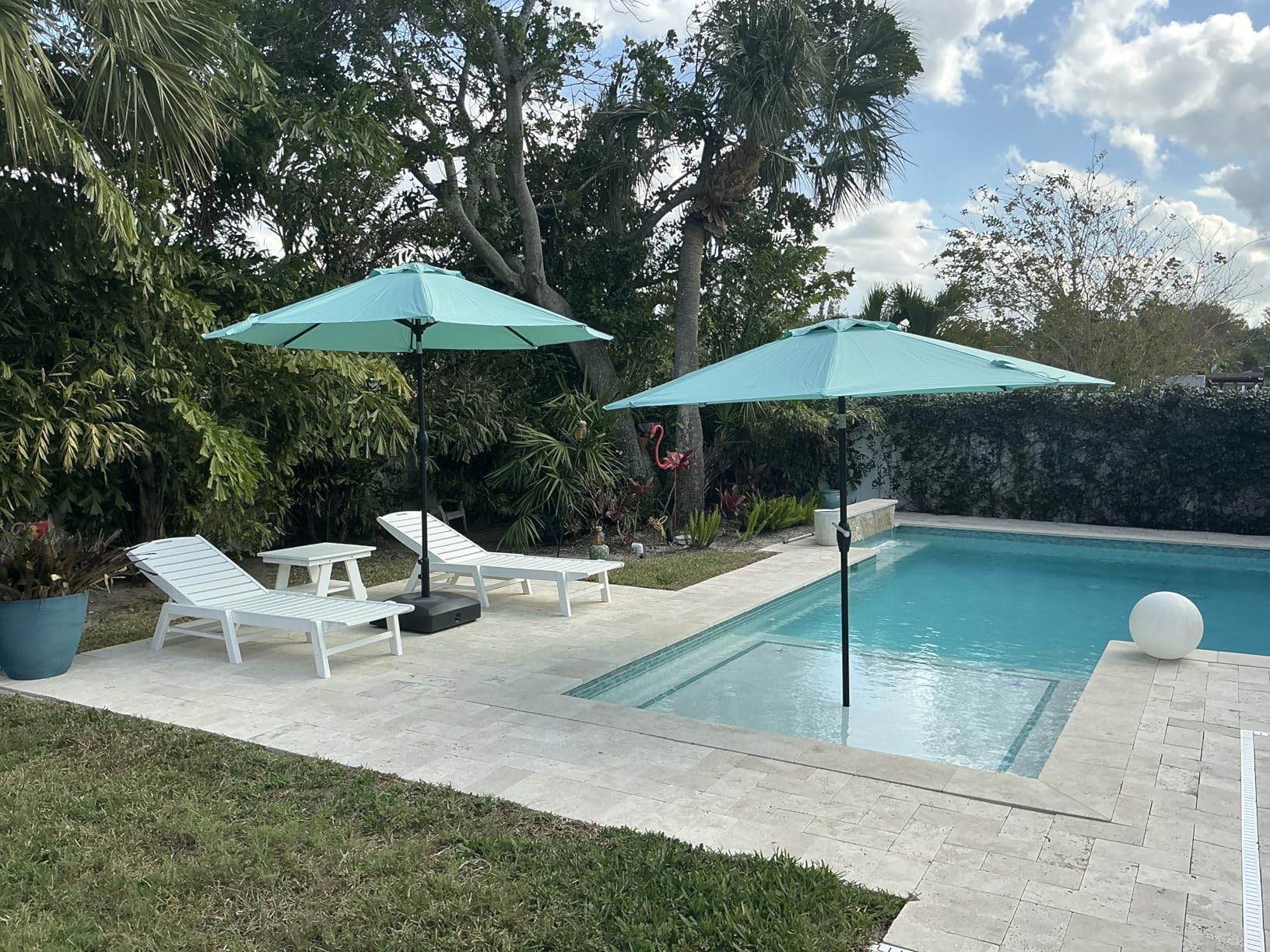
Weather protection has evolved significantly in outdoor design, with modern parasols offering unprecedented durability and resistance to harsh environmental conditions. The selection of appropriate materials determines not only the aesthetic appeal but also the longevity and performance of outdoor shade solutions. Understanding the properties of different fabrics, frame materials, and protective coatings enables consumers to make informed decisions when investing in premium outdoor umbrellas that withstand seasonal challenges and maintain their functionality over extended periods.
Advanced Fabric Technologies for Superior Weather Resistance
High-Performance Synthetic Fabrics
Solution-dyed acrylic fabrics represent the pinnacle of outdoor textile engineering, offering exceptional color retention and resistance to ultraviolet degradation. These materials undergo a specialized dyeing process where color pigments are integrated during fiber production, creating inherent resistance to fading that surpasses traditional surface-dyed alternatives. The molecular structure of solution-dyed acrylics provides natural water repellency while maintaining breathability, preventing the accumulation of moisture that could lead to mold or mildew formation.
Polyester fabrics enhanced with specialized coatings deliver remarkable durability at competitive price points, making them increasingly popular for commercial and residential applications. Modern polyester formulations incorporate UV stabilizers and water-repellent treatments that extend fabric life significantly compared to untreated materials. The dimensional stability of quality polyester prevents stretching and sagging, ensuring that parasols maintain their intended shape and appearance throughout multiple seasons of exposure to wind, rain, and temperature fluctuations.
Natural Fiber Innovations
Canvas materials treated with contemporary weatherproofing technologies combine traditional aesthetics with modern performance characteristics. Premium cotton canvas receives specialized treatments that enhance water resistance while preserving the material's natural breathability and classic appearance. These treatments penetrate deep into the fiber structure, creating a protective barrier that resists moisture penetration without compromising the fabric's tactile qualities or visual appeal.
Hemp-based fabrics emerge as sustainable alternatives that offer impressive natural resistance to environmental factors. The inherent properties of hemp fibers include natural antimicrobial characteristics and exceptional tensile strength, making them ideal for outdoor applications where longevity and environmental responsibility are priorities. When properly processed and treated, hemp fabrics develop improved water resistance while maintaining their eco-friendly credentials and distinctive texture.
Frame Construction Materials and Engineering Excellence
Aluminum Alloy Innovations
Marine-grade aluminum alloys provide the optimal balance of strength, weight, and corrosion resistance for parasol frame construction. These specialized alloys incorporate elements such as magnesium and silicon that enhance structural integrity while maintaining lightweight characteristics essential for easy operation and positioning. The powder coating processes applied to aluminum frames create additional layers of protection against oxidation and color fading, ensuring that frames retain their appearance and functionality even in coastal environments with high salt content.
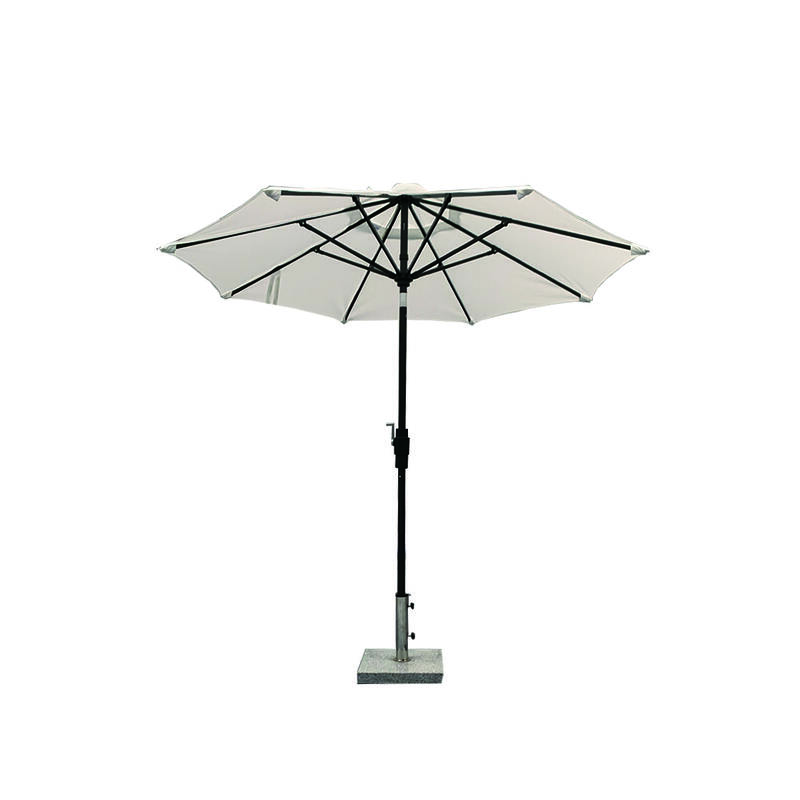
Advanced aluminum extrusion techniques enable the creation of complex frame geometries that optimize wind resistance while minimizing material usage. Modern cantilever umbrella designs incorporate sophisticated joint systems and reinforcement strategies that distribute stress evenly throughout the frame structure. These engineering innovations result in frames capable of withstanding significant wind loads while maintaining smooth operation of opening and closing mechanisms over extended service periods.
Steel Frame Advantages
Hot-dip galvanized steel frames offer superior strength characteristics for large-scale parasol applications where maximum stability is required. The galvanization process creates a metallurgical bond between zinc coating and steel substrate, providing comprehensive protection against corrosion that extends frame life significantly beyond that of painted steel alternatives. This treatment method ensures uniform coverage of complex frame geometries, including joints and crevices where moisture accumulation typically occurs.
Stainless steel components in critical stress points enhance overall frame reliability while maintaining aesthetic appeal. Strategic placement of stainless steel elements in pivot points, adjustment mechanisms, and connection hardware prevents corrosion-related failure in areas subject to the highest operational stresses. This hybrid approach combines the cost-effectiveness of treated steel with the premium performance of stainless steel in applications where durability justifies the additional investment.
Protective Coatings and Surface Treatments
Fabric Treatment Technologies
Fluorocarbon-based treatments create molecular-level barriers that repel both water and oil-based stains while maintaining fabric breathability and appearance. These advanced treatments penetrate fiber structures without altering the material's tactile properties or visual characteristics, providing invisible protection that extends fabric life and reduces maintenance requirements. The longevity of fluorocarbon treatments surpasses traditional waterproofing methods, maintaining effectiveness through multiple cleaning cycles and extended outdoor exposure.
Nanotechnology applications in fabric protection represent cutting-edge developments that enhance performance while reducing environmental impact. Nano-scale particles create self-cleaning surfaces that resist dirt accumulation and simplify maintenance procedures, while photocatalytic treatments break down organic contaminants when exposed to sunlight. These innovations address both performance and sustainability concerns, offering enhanced functionality with reduced reliance on chemical cleaning agents.
Frame Protection Systems
Multi-layer powder coating systems provide comprehensive protection for metal frames through carefully engineered application processes that ensure adhesion and durability. Base coat formulations create strong bonds with substrate materials, while topcoat layers incorporate UV stabilizers and color retention additives that maintain appearance under prolonged sun exposure. The curing processes used in powder coating create cross-linked polymer structures that resist chipping, scratching, and weathering more effectively than liquid paint alternatives.
Anodizing treatments for aluminum components create oxide layers that become integral parts of the metal surface, providing permanent protection against corrosion and wear. This electrochemical process can be customized to achieve specific colors and surface finishes while enhancing the material's natural corrosion resistance. Anodized surfaces maintain their protective properties indefinitely under normal outdoor conditions, eliminating the need for periodic recoating that characterizes other protection methods.
Environmental Performance Considerations
UV Resistance and Color Stability
Ultraviolet radiation represents one of the most significant challenges for outdoor fabric performance, causing polymer degradation and color fading that compromises both appearance and structural integrity. Modern fabric technologies incorporate UV absorbers and stabilizers that interrupt the photochemical processes responsible for material deterioration. These additives work at the molecular level to convert harmful UV energy into harmless heat, preventing the chain reactions that lead to fiber weakening and color loss.
Lightfastness testing standards provide quantitative measures of fabric performance under accelerated aging conditions that simulate years of outdoor exposure in compressed timeframes. Premium parasol fabrics typically achieve ratings of four or five on the industry-standard eight-point scale, indicating excellent resistance to color change under intense UV exposure. These ratings guide consumers toward materials that maintain their aesthetic appeal and protective properties throughout extended service lives.
Water Management and Drainage
Effective water management systems prevent moisture accumulation that could lead to fabric damage, frame corrosion, or structural compromise during storms or extended wet weather periods. Modern parasol designs incorporate strategically placed drainage features and fabric tensioning systems that promote rapid water runoff while preventing pooling in low areas. These engineering solutions ensure that water loads do not exceed design limits while minimizing the potential for moisture-related deterioration.
Breathable fabric constructions allow air circulation that prevents condensation buildup and reduces humidity levels beneath parasol canopies. This ventilation capability becomes particularly important in humid climates where trapped moisture could create uncomfortable conditions for users while promoting the growth of mold and mildew that damages fabric integrity. Advanced weaving techniques create micro-porous structures that permit air movement while maintaining effective protection against rain and wind-driven precipitation.
Maintenance and Longevity Optimization
Cleaning and Care Protocols
Proper maintenance procedures significantly extend the service life of weather-resistant parasols while preserving their appearance and functionality. Regular cleaning schedules prevent the accumulation of organic matter and pollutants that could compromise protective treatments or create conditions favorable to biological growth. Mild detergent solutions and soft-bristled brushes effectively remove surface contamination without damaging fabric treatments or frame finishes, while thorough rinsing eliminates cleaning residues that could attract dirt or interfere with water repellency.
Seasonal preparation and storage practices protect parasols during extreme weather events and off-season periods when extended exposure could cause unnecessary wear. Frame lubrication schedules ensure smooth operation of mechanical components, while proper fabric tensioning prevents stress concentrations that could lead to premature failure. Storage in dry, ventilated environments prevents moisture-related deterioration while protecting materials from temperature extremes that could affect dimensional stability or material properties.
Inspection and Replacement Strategies
Regular inspection protocols identify potential issues before they progress to failure points that could compromise safety or require extensive repairs. Visual examinations of fabric surfaces reveal early signs of UV damage, wear patterns, or treatment degradation that indicate the need for preventive maintenance or replacement planning. Frame assessments focus on joint integrity, coating condition, and mechanical operation to ensure continued reliability and safety under normal operating conditions.
Component replacement strategies optimize long-term value by addressing wear items before they affect overall system performance. Modular design approaches enable selective replacement of fabrics, hardware, or frame sections without complete system replacement, reducing lifecycle costs while maintaining optimal performance standards. Quality documentation and warranty programs provide guidelines for replacement timing and ensure access to compatible components that maintain design integrity and performance characteristics.
FAQ
What fabric materials offer the best combination of durability and weather resistance for outdoor parasols
Solution-dyed acrylic fabrics provide the optimal balance of durability, weather resistance, and aesthetic appeal for most outdoor parasol applications. These materials offer superior UV resistance, excellent water repellency, and exceptional color retention compared to alternative fabric options. High-quality polyester fabrics with specialized coatings represent cost-effective alternatives that deliver reliable performance in less demanding environments, while treated natural fibers like canvas provide traditional aesthetics with enhanced weather protection through modern treatment technologies.
How do different frame materials compare in terms of longevity and maintenance requirements
Marine-grade aluminum alloys offer the best combination of strength, corrosion resistance, and low maintenance requirements for most parasol applications. These materials provide excellent durability with minimal ongoing care beyond periodic cleaning and lubrication. Hot-dip galvanized steel frames deliver superior strength for large installations but require more vigilant maintenance to preserve protective coatings. Stainless steel components offer premium corrosion resistance but represent higher initial investments that may be justified in coastal or high-corrosion environments.
What protective treatments and coatings provide the longest-lasting weather resistance
Fluorocarbon-based fabric treatments and multi-layer powder coating systems for frames provide the most durable protection against environmental factors. These advanced treatments penetrate material surfaces to create long-lasting barriers against water, UV radiation, and contaminants while maintaining material properties and appearance. Nanotechnology applications represent emerging technologies that offer enhanced self-cleaning properties and extended treatment longevity, though they typically require higher initial investments compared to conventional protection methods.
How can proper maintenance extend the service life of weather-resistant parasols
Regular cleaning with appropriate detergents, proper seasonal storage, and systematic inspection of fabric and frame components can extend parasol service life by 50% or more compared to neglected installations. Prompt attention to minor issues prevents their progression to major problems that could require expensive repairs or premature replacement. Following manufacturer maintenance guidelines and documenting care activities helps optimize performance while preserving warranty coverage and ensuring safe operation throughout the product's intended service life.
Table of Contents
- Advanced Fabric Technologies for Superior Weather Resistance
- Frame Construction Materials and Engineering Excellence
- Protective Coatings and Surface Treatments
- Environmental Performance Considerations
- Maintenance and Longevity Optimization
-
FAQ
- What fabric materials offer the best combination of durability and weather resistance for outdoor parasols
- How do different frame materials compare in terms of longevity and maintenance requirements
- What protective treatments and coatings provide the longest-lasting weather resistance
- How can proper maintenance extend the service life of weather-resistant parasols