
 EN
EN
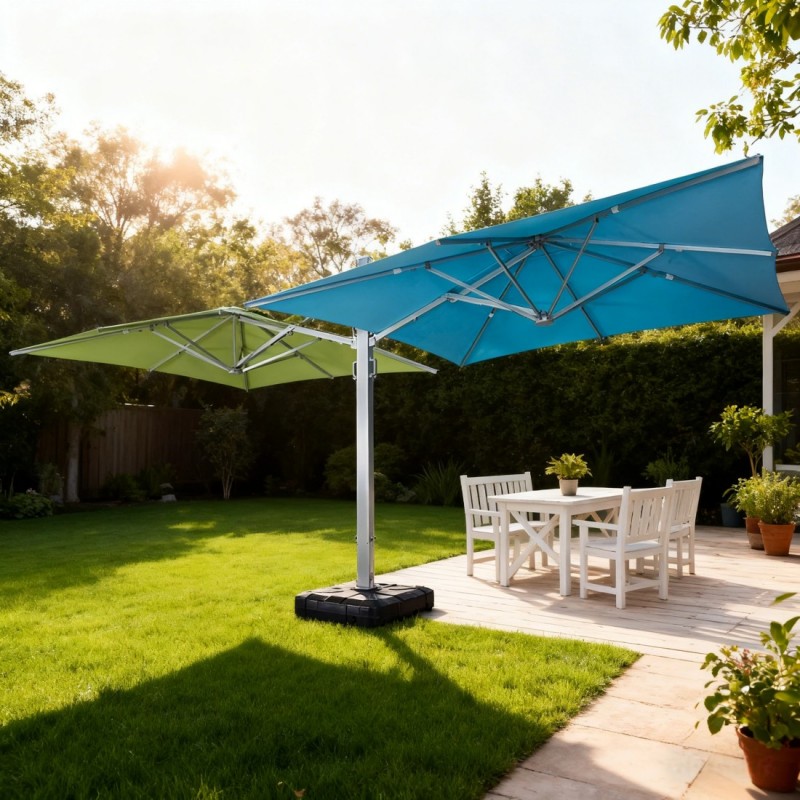
Outdoor entertaining and relaxation spaces have become increasingly popular, with homeowners investing in quality shade solutions to create comfortable environments during sunny and windy weather conditions. A cantilever umbrella serves as an excellent centerpiece for patios, decks, and garden areas, providing essential protection from harmful UV rays while maintaining an elegant aesthetic. Understanding proper safety protocols ensures that your outdoor shade investment remains both functional and secure throughout various weather conditions, protecting both property and people who gather beneath its canopy.
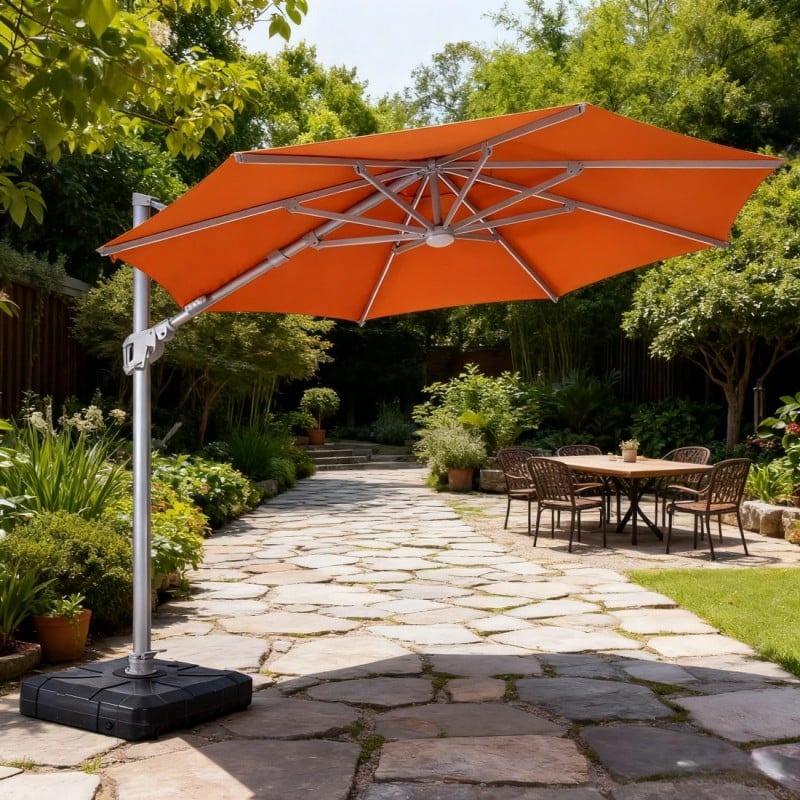
Understanding Wind Resistance and Stability Factors
Base Weight Requirements and Ground Anchoring
Proper stabilization represents the most critical aspect of cantilever umbrella safety, particularly during windy conditions. The base weight should correspond directly to the canopy size, with larger umbrellas requiring proportionally heavier foundations. Industry standards recommend minimum base weights of 150-200 pounds for standard 10-foot canopies, while larger installations may require 300 pounds or more. Cross-base designs distribute weight more effectively than circular bases, providing superior stability against directional wind forces.
Ground anchoring systems offer additional security for permanent installations, utilizing deep-set concrete footings or specialized anchor bolts. These systems prove particularly valuable in coastal areas or regions prone to sudden weather changes. Professional installation ensures proper depth and concrete curing, creating foundations capable of withstanding sustained wind loads. Regular inspection of anchoring hardware prevents loosening that could compromise stability over time.
Wind Speed Monitoring and Response Protocols
Establishing clear wind speed thresholds helps determine when to close or secure outdoor umbrellas. Most residential cantilever umbrellas should be closed when sustained winds exceed 15-20 mph, though specific manufacturer guidelines may vary. Digital weather stations or smartphone applications provide real-time wind speed monitoring, enabling proactive responses to changing conditions. Creating written protocols ensures consistent safety practices among family members and guests.
Emergency response procedures should include rapid canopy closure techniques and securing loose components. Pre-positioned tie-down straps or bungee cords facilitate quick stabilization when unexpected gusts arise. Designated storage areas protect closed umbrellas from prolonged wind exposure, preventing fabric stress and frame damage. Regular practice of emergency procedures ensures smooth execution during actual weather events.
Canopy Positioning and Orientation Strategies
Optimal Angle Adjustment for Wind Management
Strategic canopy positioning significantly reduces wind resistance while maintaining effective shade coverage. Tilting the canopy at slight angles allows air to flow more smoothly across the surface, reducing uplift forces that could destabilize the entire structure. Most quality cantilever umbrellas feature multiple tilt positions, enabling users to adjust orientation based on prevailing wind direction and intensity.
Vertical positioning works best during calm conditions, maximizing shade area and aesthetic appeal. However, angling the canopy 15-30 degrees from vertical creates a more aerodynamic profile during breezy conditions. This positioning technique proves particularly effective when combined with proper base weighting and ground anchoring systems. Regular adjustment throughout the day accommodates changing wind patterns and sun angles.
Clearance Requirements and Obstacle Avoidance
Maintaining adequate clearance from buildings, trees, and other structures prevents dangerous interactions during windy periods. Cantilever umbrella installations should maintain minimum distances of 8-10 feet from walls, overhangs, and large trees to prevent collision damage. This clearance also reduces wind turbulence created by nearby obstacles, promoting smoother airflow patterns around the canopy.
Overhead clearance considerations include power lines, building eaves, and tree branches that could interfere with canopy operation or create hazardous conditions. Professional site evaluation identifies potential conflicts before installation, preventing costly modifications or safety compromises. Regular vegetation management keeps growing branches from encroaching on established clearance zones.
Material Selection and Maintenance Protocols
Fabric Durability and Weather Resistance
High-quality canopy fabrics incorporate UV-resistant treatments and water-repellent coatings that extend service life while maintaining safety performance. Solution-dyed acrylic fabrics offer superior color retention and fade resistance compared to printed alternatives. Fabric weight and weave density directly impact wind resistance, with heavier materials generally providing better durability but requiring stronger support structures.
Regular fabric inspection identifies early signs of wear, including loose stitching, small tears, or fabric thinning that could lead to catastrophic failure during windy conditions. Prompt repair of minor damage prevents progression to major structural problems. Professional cleaning services remove accumulated dirt and debris that can compromise fabric integrity and appearance over time.
Frame Construction and Hardware Inspection
Aluminum and steel frame materials offer different advantages for cantilever umbrella construction, with aluminum providing corrosion resistance and lighter weight, while steel delivers superior strength and rigidity. Powder coating protects metal surfaces from environmental damage while maintaining attractive appearance. Regular inspection of frame joints, pivot points, and hardware connections identifies potential failure points before they compromise safety.
Lubrication of moving parts ensures smooth operation and prevents premature wear that could lead to mechanical failure. Marine-grade lubricants resist moisture and salt air exposure in coastal environments. Replacement of worn hardware components should use manufacturer-approved parts to maintain structural integrity and warranty coverage.
Seasonal Storage and Protection Methods
Proper Disassembly and Storage Techniques
Seasonal storage protects cantilever umbrellas from winter weather damage while extending overall service life. Complete disassembly allows thorough cleaning and inspection of all components before storage. Fabric canopies should be completely dry before folding to prevent mold and mildew formation during storage periods. Protective covers or storage bags shield components from dust and moisture in storage areas.
Climate-controlled storage environments provide optimal conditions for fabric and hardware preservation. Unheated garages or sheds may experience temperature and humidity fluctuations that accelerate material degradation. Proper ventilation prevents condensation buildup that could damage metal components or promote fabric deterioration.
Off-Season Maintenance and Preparation
Winter maintenance activities include thorough cleaning, lubrication, and component inspection while umbrellas remain in storage. This timing allows for repair or replacement of worn parts before the next usage season begins. Inventory management ensures availability of spare parts and replacement components when reassembly occurs.
Spring preparation involves systematic reassembly, safety testing, and calibration of adjustment mechanisms. Base weight verification and anchor point inspection confirm stability systems remain properly configured. Test deployment under controlled conditions identifies any operational issues that require attention before regular use begins.
FAQ
What wind speeds require closing a cantilever umbrella
Most residential cantilever umbrellas should be closed when sustained winds reach 15-20 mph, though manufacturer specifications may vary. Commercial-grade units may handle slightly higher winds, but safety should always take precedence over convenience. Monitor local weather conditions and err on the side of caution when wind speeds approach recommended limits.
How often should umbrella hardware be inspected for safety
Monthly visual inspections during active use seasons help identify potential problems early. More thorough mechanical inspections should occur at the beginning and end of each season, examining all joints, pivot points, and adjustment mechanisms. Professional inspection may be warranted annually for heavily used commercial installations or umbrellas in harsh environmental conditions.
What base weight is needed for different umbrella sizes
Standard 9-foot cantilever umbrellas typically require 150-200 pounds of base weight, while 11-foot models need 200-250 pounds minimum. Larger 13-foot units may require 300 pounds or more for adequate stability. Wind exposure, installation location, and local climate conditions may necessitate heavier bases than minimum recommendations suggest.
Can cantilever umbrellas be left open overnight during calm weather
While some high-quality cantilever umbrellas can withstand calm overnight conditions, closing them provides the best protection against unexpected weather changes. Sudden wind gusts, storms, or temperature fluctuations can occur without warning, potentially damaging open umbrellas. Developing a routine of closing umbrellas each evening extends their lifespan and prevents weather-related accidents.