 EN
EN
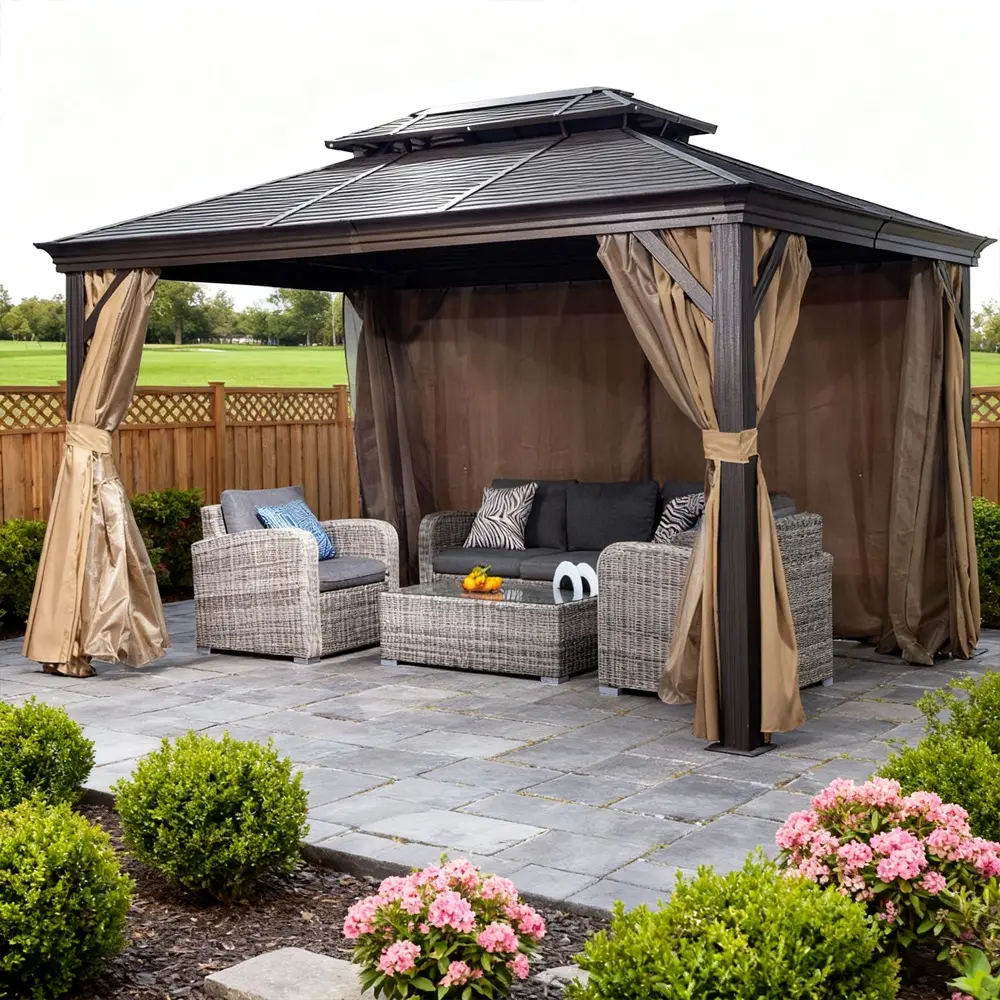
Transforming your outdoor space into a functional and aesthetically pleasing retreat requires careful consideration of various elements, with a backyard gazebo serving as one of the most impactful additions. These versatile structures provide shelter, define outdoor living areas, and create focal points that enhance your property's overall appeal. Whether you're hosting summer gatherings, seeking a quiet reading nook, or simply wanting to maximize your outdoor enjoyment, selecting the right backyard gazebo involves evaluating multiple factors that align with your specific needs and environmental conditions.
Understanding Gazebo Types and Construction Materials
Wood Gazebos for Natural Integration
Wood remains the most popular choice for backyard gazebo construction due to its natural beauty and versatility in design applications. Cedar and redwood offer exceptional weather resistance and natural insect-repelling properties, making them ideal for long-term outdoor installations. These materials develop attractive weathered patinas over time while maintaining structural integrity when properly maintained. Pine and fir options provide cost-effective alternatives, though they require regular treatment with protective stains or sealers to prevent moisture damage and extend their lifespan.
The construction quality of wooden structures varies significantly based on joinery methods and hardware selection. Premium gazebos feature mortise-and-tenon joints, galvanized steel brackets, and weatherproof fasteners that ensure stability during severe weather conditions. Consider the maintenance requirements associated with wooden gazebos, including annual cleaning, periodic staining, and potential repairs to weathered components. While initial costs may be moderate, long-term maintenance expenses should factor into your overall budget calculations.
Metal Framework Solutions
Steel and aluminum frameworks offer durability advantages that appeal to homeowners seeking low-maintenance outdoor structures. Powder-coated steel provides exceptional strength and weather resistance, supporting heavy snow loads and withstanding high winds that might damage lighter materials. Aluminum alternatives offer corrosion resistance and lighter weight characteristics, simplifying installation processes while maintaining adequate structural support for most residential applications.
Modern metal gazebos incorporate sophisticated design elements that complement contemporary architectural styles. Powder coating technologies provide extensive color options and protective finishes that resist fading, chipping, and corrosion for extended periods. Consider the thermal properties of metal frameworks, as they can become uncomfortably hot during peak summer temperatures without adequate shading or ventilation features.
Sizing and Spatial Considerations
Determining Optimal Dimensions
Selecting appropriate dimensions for your backyard gazebo requires careful assessment of available space, intended usage, and proportion relationships with existing landscape features. Standard residential gazebos range from compact 8x8 foot models suitable for intimate seating areas to expansive 16x20 foot structures that accommodate large gatherings and multiple furniture arrangements. Consider both current needs and potential future applications when determining size requirements, as expanding or relocating gazebos involves significant expense and effort.
Clearance requirements extend beyond the gazebo's footprint to include surrounding access areas, maintenance zones, and visual buffer spaces. Local building codes may specify minimum setback distances from property lines, septic systems, and overhead utilities. Factor in seasonal vegetation growth that might encroach on the structure over time, potentially requiring ongoing landscape management to maintain proper clearances and aesthetic appeal.
Integration with Existing Landscape
Successful backyard gazebo placement considers natural traffic patterns, privacy requirements, and visual sight lines from interior living spaces. Position structures to take advantage of prevailing breezes for natural ventilation while providing shelter from dominant wind directions during inclement weather. Consider solar orientation to optimize seasonal sun exposure, providing welcome shade during hot summer months while allowing warming sunlight during cooler periods.
Evaluate drainage patterns and soil conditions in potential installation areas to prevent water accumulation and foundation settling issues. Slightly elevated locations offer improved drainage and enhanced views while creating natural focal points within the overall landscape design. Consider utility access for electrical service, lighting installations, and potential water features that enhance the gazebo's functionality and ambiance.
Roofing Systems and Weather Protection
Traditional Solid Roofing Options
Solid roofing systems provide comprehensive weather protection and create defined covered spaces suitable for year-round enjoyment. Asphalt shingles offer cost-effective solutions with extensive color and style options that coordinate with existing home architecture. Metal roofing alternatives provide superior durability and weather resistance, efficiently shedding snow and ice while maintaining attractive appearances through decades of service. Consider the acoustic properties of different roofing materials, as metal surfaces can amplify rain noise while composite materials provide better sound dampening.
Proper ventilation becomes crucial with solid roofing systems to prevent heat buildup and moisture accumulation during warm weather periods. Ridge vents, soffit openings, and cupola features facilitate air circulation while maintaining weather protection. Guttering systems may be necessary to manage roof runoff and protect surrounding landscape areas from erosion or water damage.
Fabric and Retractable Canopy Systems
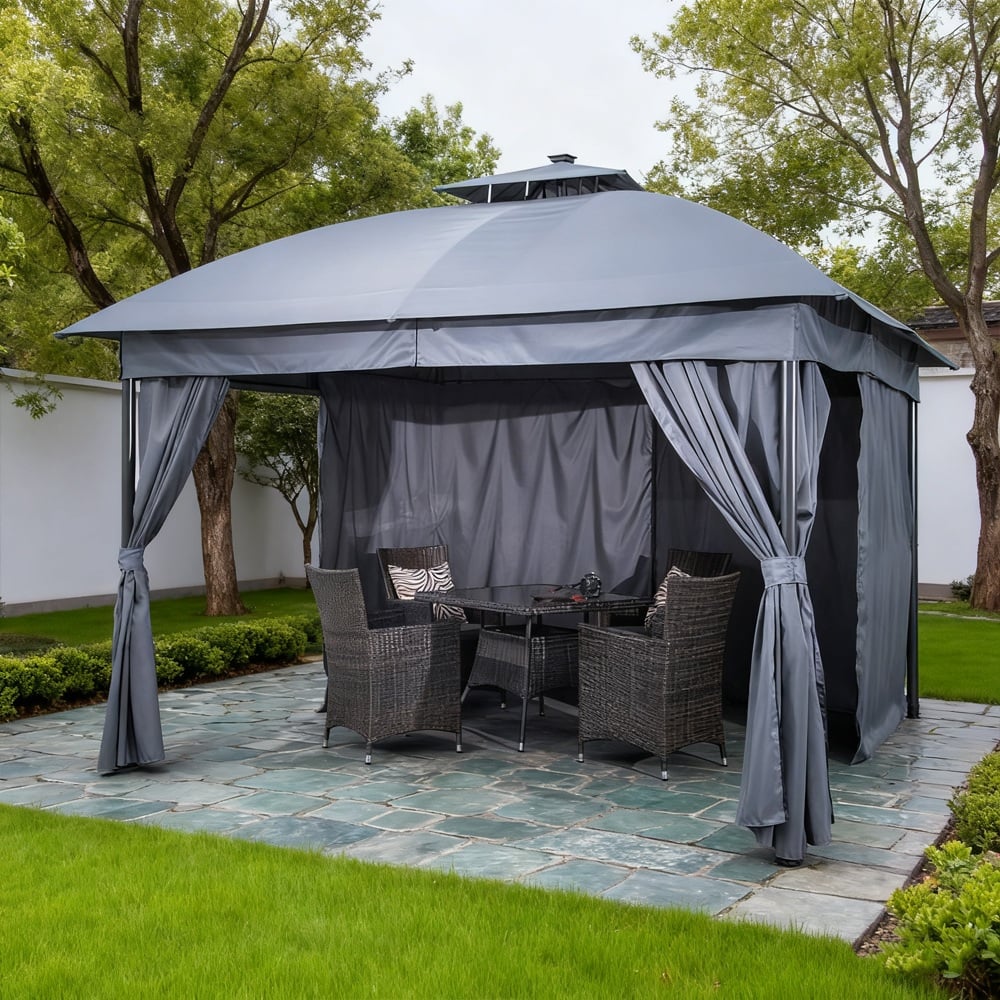
Modern fabric canopy systems offer flexibility and seasonal adaptability that appeals to homeowners seeking versatile outdoor coverage options. High-performance fabrics incorporate UV-resistant treatments, water-repellent coatings, and fade-resistant colorants that maintain appearance and functionality through extended outdoor exposure. Retractable mechanisms allow customization of coverage based on weather conditions and seasonal preferences, maximizing the structure's utility throughout the year.
Consider the maintenance requirements associated with fabric systems, including periodic cleaning, proper seasonal storage, and eventual replacement as materials degrade over time. Quality fabric systems incorporate reinforced stress points, corrosion-resistant hardware, and user-friendly operation mechanisms that ensure reliable performance. Wind resistance ratings help determine appropriate usage conditions and necessary precautions during severe weather events.
Foundation and Installation Requirements
Site Preparation and Base Construction
Proper foundation preparation ensures long-term stability and prevents structural issues that compromise safety and appearance. Level sites simplify installation processes, while sloped locations require grading, retaining structures, or stepped foundation systems to achieve stable platforms. Excavation depth requirements vary based on local frost lines, soil conditions, and structural load requirements specified by manufacturers and local building codes.
Concrete pad foundations provide maximum stability and permanence for substantial gazebo installations. Proper reinforcement, adequate thickness, and appropriate concrete mixtures ensure foundations withstand freeze-thaw cycles and settling forces without cracking or displacement. Alternative foundation systems include concrete pier installations, gravel pad preparations, and modular base systems that offer varying degrees of permanence and installation complexity.
Professional versus DIY Installation
Installation complexity varies significantly based on gazebo design, site conditions, and local building code requirements. Simple prefabricated models may accommodate competent DIY installation with basic tools and moderate construction experience. Complex custom designs, challenging site conditions, or structures requiring electrical connections typically benefit from professional installation services that ensure proper construction and code compliance.
Consider permit requirements and inspection processes that may apply to backyard gazebo installations in your jurisdiction. Professional contractors understand local requirements and can navigate approval processes efficiently while ensuring installations meet safety standards and structural requirements. Factor installation costs into overall project budgets, as professional services may represent significant portions of total project expenses.
Budget Planning and Cost Considerations
Initial Purchase and Installation Costs
Gazebo pricing varies dramatically based on size, materials, construction quality, and design complexity. Basic metal frame models with fabric canopies may cost several hundred dollars, while premium wooden structures with solid roofing systems can exceed several thousand dollars before installation expenses. Custom designs and high-end materials further increase costs but provide unique aesthetic solutions that perfectly complement specific landscape designs and architectural styles.
Installation costs depend on site conditions, foundation requirements, and structural complexity. Simple assembly on prepared level surfaces may require only basic labor costs, while complex installations involving excavation, concrete work, and utility connections can double or triple overall project expenses. Obtain detailed quotes that specify all components, labor requirements, and potential additional costs to avoid budget surprises during project execution.
Long-term Maintenance and Operating Expenses
Ongoing maintenance requirements vary significantly based on material selections and environmental exposure conditions. Wooden structures require periodic cleaning, staining, and minor repairs to maintain appearance and structural integrity. Metal frameworks need occasional cleaning and touch-up painting to address scratches and prevent corrosion. Fabric systems require regular cleaning, proper storage, and eventual replacement as materials degrade.
Factor utility costs for electrical service, lighting systems, and potential heating or cooling equipment that enhance gazebo functionality during extended seasons. Insurance implications may apply to substantial structures, potentially affecting homeowner policy premiums and coverage requirements. Consider the long-term value addition to property values when evaluating overall investment returns from quality gazebo installations.
FAQ
What permits are typically required for backyard gazebo installation
Permit requirements vary by jurisdiction but generally depend on structure size, permanence, and proximity to property lines. Many areas exempt small temporary structures under specific square footage limits, while permanent installations exceeding certain dimensions require building permits and inspections. Contact local building departments early in the planning process to understand specific requirements, setback restrictions, and approval timelines that may affect project scheduling.
How do I maintain my gazebo during winter months
Winter maintenance strategies depend on construction materials and local climate conditions. Remove fabric canopies and store them in dry locations to prevent damage from snow loads and ice formation. Clear accumulated snow from solid roofs to prevent excessive loading and potential structural damage. Inspect and tighten hardware connections that may loosen due to thermal expansion and contraction cycles throughout the season.
Can I install electrical service in my backyard gazebo
Electrical installation in gazebos is possible but requires compliance with local electrical codes and professional installation by licensed electricians. Plan electrical service during initial construction phases to minimize costs and structural modifications. Consider GFCI protection requirements, proper grounding systems, and weatherproof outlet installations that ensure safe operation in outdoor environments. Consult electrical contractors to understand permitting requirements and installation costs for your specific situation.
What accessories enhance gazebo functionality and enjoyment
Popular accessories include mosquito netting systems, privacy curtains, lighting fixtures, and ceiling fans that expand usage seasons and comfort levels. Built-in seating, storage compartments, and decorative elements can be integrated during construction or added later as needs evolve. Consider weather-resistant furniture, outdoor heating solutions, and sound systems that create complete outdoor entertainment environments within your gazebo space.