 EN
EN
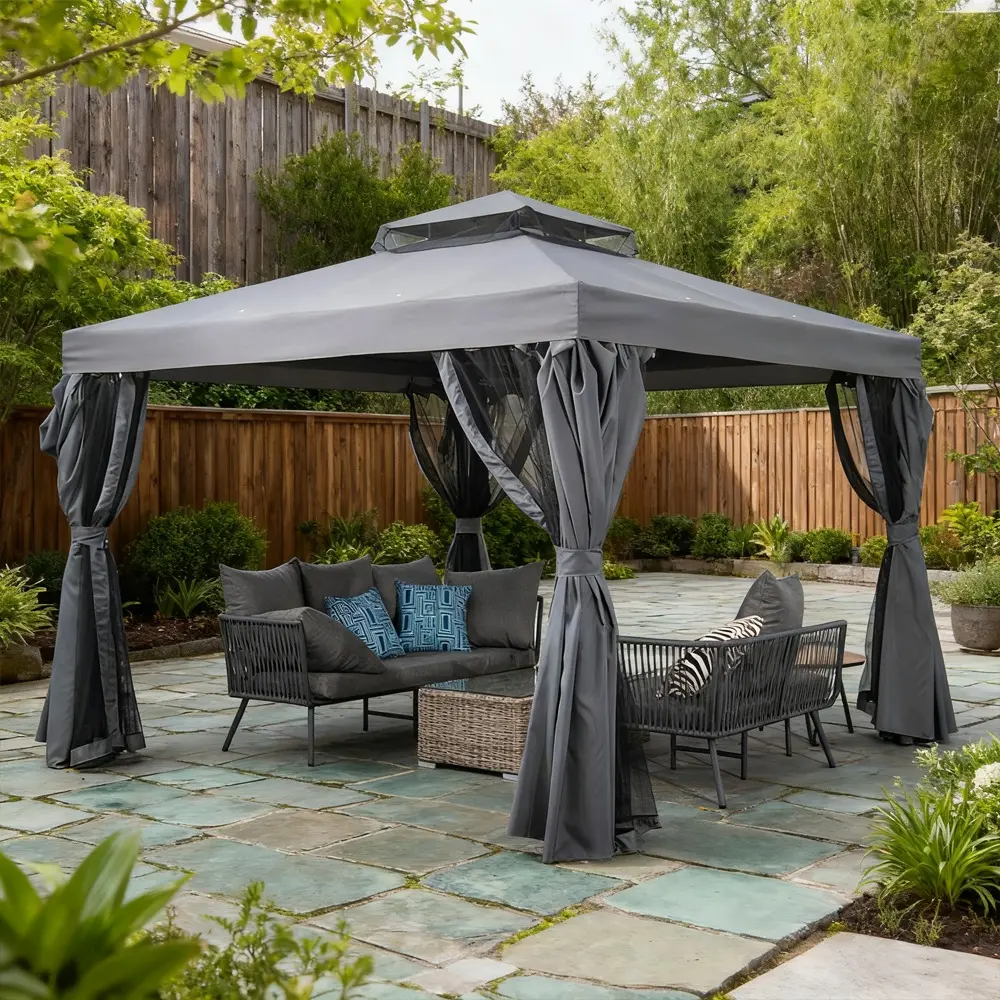
Selecting the right material for your outdoor structure significantly impacts both aesthetics and longevity. When comparing gazebo materials, homeowners often find themselves weighing the benefits of aluminum versus wood construction. Each material brings distinct advantages and considerations that influence durability, maintenance requirements, and overall investment value. Understanding these differences helps property owners make informed decisions that align with their specific needs and environmental conditions.
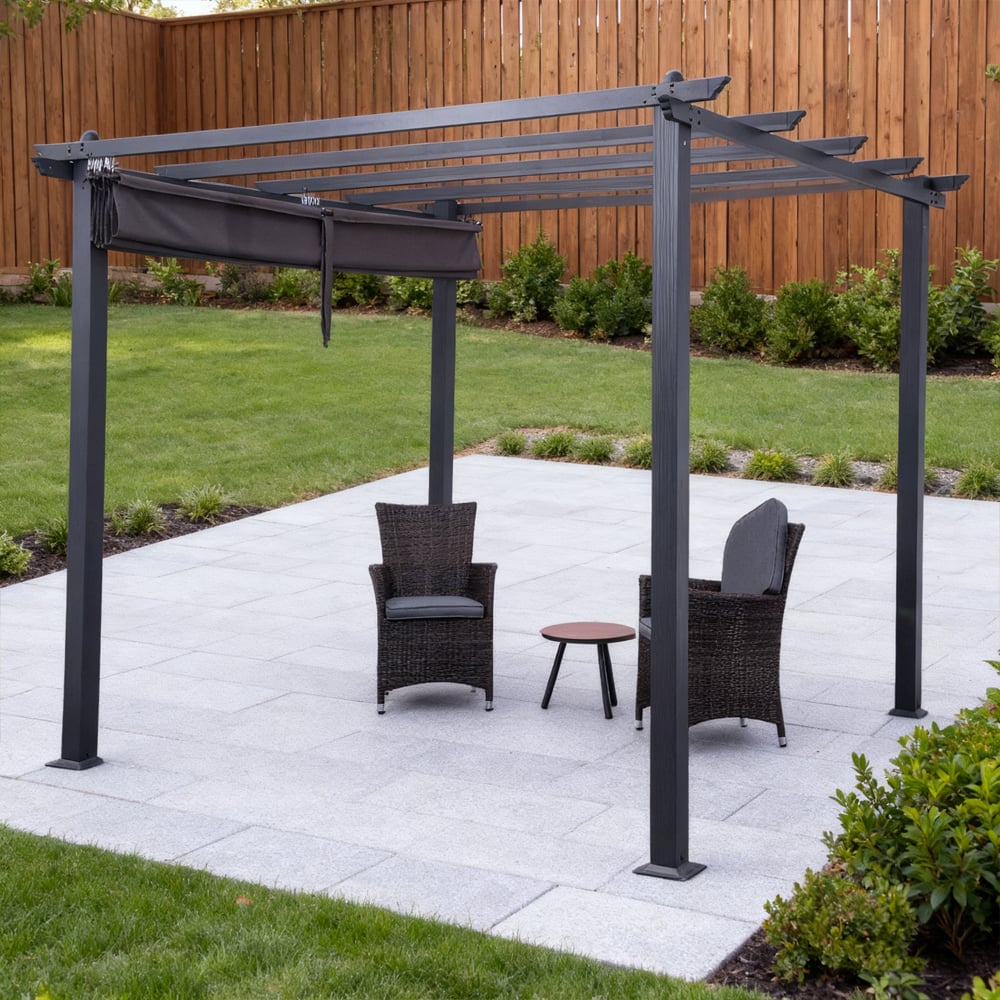
Modern outdoor living spaces demand materials that withstand various weather conditions while maintaining visual appeal. The choice between aluminum and wood construction affects not only initial costs but also long-term maintenance expenses and structural performance. Professional contractors and landscape designers frequently encounter this decision when planning pergolas, gazebos, and similar outdoor structures for residential and commercial applications.
Aluminum Construction Benefits
Durability and Weather Resistance
Aluminum structures excel in harsh weather environments due to their inherent corrosion resistance. Unlike materials that require protective coatings, aluminum naturally forms an oxide layer that prevents rust and deterioration. This characteristic makes it particularly suitable for coastal areas where salt air accelerates corrosion in other metals. The material maintains structural integrity through temperature fluctuations, expansion cycles, and moisture exposure without compromising safety or appearance.
Professional installations demonstrate aluminum's superior performance in regions experiencing extreme weather patterns. Snow loads, high winds, and heavy rainfall pose minimal threats to properly designed aluminum frameworks. The material's strength-to-weight ratio allows for spanning larger distances with fewer support posts, creating more open and usable spaces beneath the structure. This engineering advantage translates to both aesthetic and functional benefits in outdoor design applications.
Maintenance Requirements
Aluminum structures require minimal ongoing maintenance compared to traditional materials. Regular cleaning with mild soap and water typically suffices to maintain appearance and prevent buildup of environmental contaminants. The powder-coated finishes commonly applied to aluminum pergola systems resist fading, chalking, and weathering for decades with proper application. This low-maintenance characteristic appeals to busy homeowners seeking attractive outdoor spaces without intensive upkeep schedules.
Cost savings from reduced maintenance often offset higher initial material expenses over the structure's lifetime. Property owners avoid recurring expenses for staining, sealing, or replacing damaged components that characterize wood maintenance programs. Professional property managers frequently specify aluminum construction for commercial applications where maintenance staff availability and budget constraints make low-maintenance materials essential for operational efficiency.
Wood Construction Characteristics
Natural Aesthetics and Customization
Wood construction offers unmatched natural beauty and customization possibilities that appeal to traditional design preferences. Cedar, redwood, and pressure-treated lumber provide distinct grain patterns, colors, and textures that complement various architectural styles. The material's workability allows for intricate details, custom joints, and decorative elements that enhance visual interest and architectural integration with existing structures.
Skilled craftsmen can create unique design features using traditional woodworking techniques that showcase natural material characteristics. The ability to stain, paint, or apply various finishes provides flexibility in achieving desired color schemes and protection levels. Wood structures often develop attractive weathered patinas over time, creating rustic charm that many homeowners find appealing in garden and patio settings.
Environmental and Cost Considerations
Sustainably harvested wood represents a renewable resource with lower embodied energy compared to manufactured materials. Local lumber sources reduce transportation costs and environmental impact while supporting regional forestry industries. Initial material costs for wood construction typically run lower than aluminum alternatives, making it attractive for budget-conscious projects or temporary installations.
However, long-term environmental impact includes maintenance product requirements and eventual replacement cycles. Wood preservatives, stains, and sealers contain chemicals that require proper disposal and may affect surrounding vegetation. The lifespan of wood structures depends heavily on climate conditions, species selection, and maintenance consistency, factors that influence total environmental impact over the structure's service life.
Performance Comparison Analysis
Structural Integrity and Load Capacity
Engineering considerations reveal significant differences in structural performance between aluminum and wood construction. Aluminum's consistent material properties allow for precise load calculations and predictable performance under various conditions. The material's high strength-to-weight ratio enables designs with fewer support columns and greater clear spans, maximizing usable space beneath the structure.
Wood properties vary significantly based on species, grade, moisture content, and natural defects that affect load-bearing capacity. Engineered lumber products provide more consistent performance but at higher costs than dimensional lumber. Both materials require proper engineering analysis to ensure safety under expected loads including dead loads, live loads, wind forces, and seismic considerations where applicable.
Climate Adaptation and Longevity
Regional climate conditions significantly influence material selection for outdoor structures. Aluminum performs consistently across diverse climate zones without degradation from moisture, temperature extremes, or UV exposure. The material's thermal expansion characteristics require accommodation in design but remain predictable and manageable through proper detailing and fastening systems.
Wood performance varies dramatically with climate conditions, moisture levels, and exposure to insects or decay organisms. Tropical and humid climates accelerate wood degradation despite preservative treatments, while arid conditions may cause checking, splitting, and dimensional instability. Cold climates with freeze-thaw cycles stress wood joints and connections, potentially compromising structural integrity over time without proper maintenance.
Installation and Design Flexibility
Construction Methods and Labor Requirements
Aluminum pergola systems often feature pre-engineered components with standardized connections that streamline installation processes. Manufacturers provide detailed assembly instructions and technical support that reduce installation time and potential errors. The material's light weight facilitates handling and positioning during construction, potentially reducing labor costs and equipment requirements for most residential projects.
Wood construction relies heavily on traditional carpentry skills and experience with material characteristics. Complex joints, custom cuts, and field modifications require skilled craftsmen familiar with wood properties and joinery techniques. Installation time varies significantly based on design complexity, weather conditions, and wood moisture content that affects dimensional stability during construction.
Architectural Integration Options
Design flexibility differs substantially between materials, with each offering unique advantages for specific applications. Aluminum systems excel in contemporary and modern architectural styles where clean lines, minimal profiles, and consistent finishes complement building aesthetics. The material's ability to accommodate integrated lighting, heating elements, and retractable canopies enhances functionality for year-round outdoor living.
Wood construction harmonizes naturally with traditional, craftsman, and rustic architectural styles where material warmth and texture enhance visual appeal. Custom millwork, decorative brackets, and traditional joinery techniques create distinctive design elements that reflect regional building traditions and personal preferences. The material's paintability allows color coordination with existing structures and landscape elements.
Cost Analysis and Investment Considerations
Initial Investment Comparison
Material costs represent only one component of total project investment, with installation, engineering, and permitting adding significant expenses. Aluminum systems typically command higher material costs but may reduce installation time and labor expenses through standardized components and simplified assembly processes. The material's consistency eliminates concerns about defects, warping, or dimensional variations that can complicate wood construction.
Wood material costs vary widely based on species selection, grade requirements, and regional availability. Premium species like cedar and redwood carry substantial price premiums over pressure-treated lumber but offer superior natural resistance to decay and insects. Local lumber availability and transportation costs significantly influence regional pricing, making wood more competitive in forested areas with established sawmill infrastructure.
Long-term Value Assessment
Total cost of ownership calculations must consider maintenance expenses, replacement intervals, and property value impact over the structure's expected lifespan. Aluminum structures typically provide 20-30 years of service with minimal maintenance, while wood structures may require major renovation or replacement every 10-15 years depending on climate and maintenance consistency.
Property value considerations vary by market preferences and architectural compatibility with existing structures. High-quality aluminum installations often appeal to buyers seeking low-maintenance outdoor living spaces, while well-maintained wood structures may enhance perceived value in markets preferring natural materials and traditional craftsmanship. Professional appraisers consider both material quality and maintenance condition when evaluating outdoor structure contributions to property value.
FAQ
Which material performs better in coastal environments
Aluminum significantly outperforms wood in coastal environments due to its natural corrosion resistance and immunity to salt air damage. While wood structures require frequent maintenance and protective coatings to prevent deterioration from salt exposure, aluminum maintains structural integrity and appearance with minimal care. The material's resistance to moisture and chemical exposure makes it the preferred choice for oceanfront properties where traditional materials face accelerated weathering and decay.
How do maintenance costs compare between aluminum and wood structures
Aluminum structures require approximately 80% less maintenance than comparable wood installations over their service life. Wood requires regular staining, sealing, and component replacement every 2-3 years to maintain appearance and structural integrity. Aluminum needs only periodic cleaning and occasional hardware inspection, resulting in significantly lower long-term maintenance expenses that often offset higher initial material costs within 5-7 years of installation.
Can aluminum pergolas support the same loads as wood structures
Properly engineered aluminum pergolas can support equivalent or greater loads than wood structures while using less material mass. Aluminum's superior strength-to-weight ratio allows for designs with larger spans and fewer support posts without compromising load capacity. However, both materials require professional engineering analysis to ensure adequate performance under local wind, snow, and seismic loads as specified by building codes.
Which material offers better design flexibility for custom projects
Wood provides greater design flexibility for highly customized projects requiring intricate details, curved elements, or traditional joinery techniques. Aluminum systems excel in contemporary designs with clean lines and integrated features like lighting or retractable elements. The choice depends on architectural style preferences, with wood favoring traditional aesthetics and aluminum supporting modern, minimalist designs with enhanced functionality features.