
 EN
EN
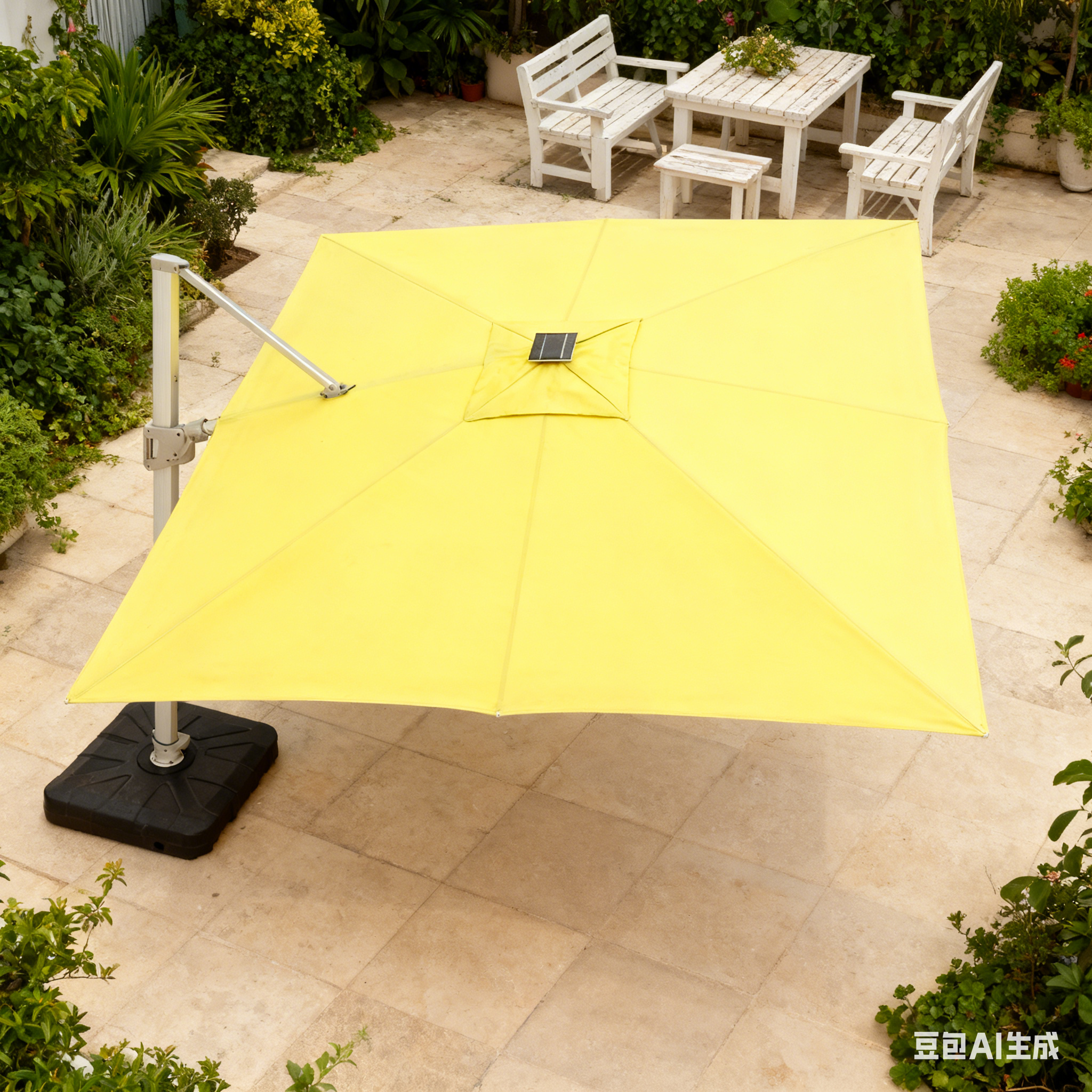
Selecting the appropriate garden light brightness for parks and resorts requires careful consideration of multiple factors that directly impact visitor experience, safety, and energy efficiency. Whether you manage a sprawling resort property or oversee public park illumination, understanding how to balance ambient lighting with functional visibility determines whether your outdoor spaces feel welcoming or overwhelming. The right garden light brightness creates pathways that feel secure without introducing harsh glare, highlights landscape features without washing out natural beauty, and maintains nighttime ambiance while meeting regulatory safety standards. This comprehensive guide explores the technical parameters, environmental considerations, and practical decision-making frameworks that professional landscape designers and facility managers use when specifying outdoor lighting systems for commercial hospitality and public recreational environments.
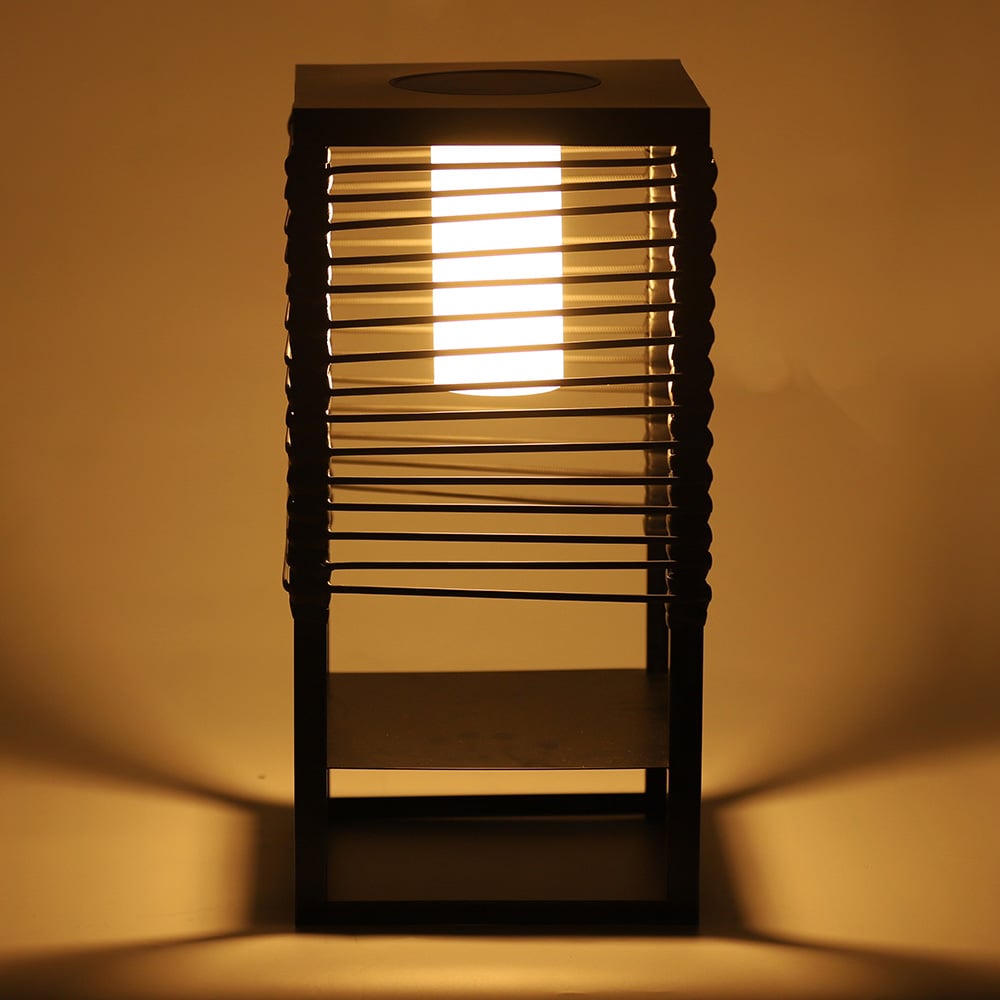
Professional lighting design for outdoor commercial spaces differs substantially from residential applications because parks and resorts must accommodate diverse user groups, comply with accessibility regulations, and maintain consistent illumination across expansive areas. Garden light brightness selection impacts everything from guest satisfaction scores to liability exposure, making it a critical infrastructure decision rather than merely an aesthetic choice. Throughout this article, we examine the measurement standards that define brightness levels, the relationship between lumens and practical visibility, the contextual factors that modify brightness requirements, and the strategic approaches that help you match lighting intensity to specific functional zones within your property. By understanding these interconnected elements, you can develop a lighting specification that enhances safety, supports your brand identity, and optimizes operational costs over the system's lifecycle.
Understanding Garden Light Brightness Measurement Standards
Lumens Versus Lux in Outdoor Applications
When evaluating garden light brightness, distinguishing between lumens and lux provides the foundation for accurate specification. Lumens measure the total quantity of visible light emitted by a source, representing the raw output capacity of the fixture itself. A garden light rated at 800 lumens produces that total light energy regardless of where you install it or how the light disperses. Lux, by contrast, measures illuminance—the amount of light actually reaching a surface per square meter. A single 800-lumen fixture might deliver 50 lux at ground level when mounted at standard height, but only 12 lux if positioned twice as high. For parks and resorts, lux measurements matter more than lumen ratings because they quantify the actual brightness experience along pathways and within activity zones.
Professional landscape lighting specifications typically reference lux levels for different functional areas rather than simply listing fixture lumen outputs. Pedestrian pathways in public parks generally require between 5 and 20 lux for safe navigation, while resort entrance areas may demand 50 to 100 lux to create welcoming brilliance. Understanding this relationship helps you translate manufacturer lumen ratings into real-world performance. When evaluating garden light brightness options, calculate the expected lux output by considering mounting height, beam angle, and light distribution patterns rather than relying solely on lumen specifications.
Color Temperature and Perceived Brightness
Garden light brightness perception depends significantly on color temperature, measured in Kelvin, which affects how the human eye interprets illumination intensity. Warm white light between 2700K and 3000K appears softer and less intrusive in natural settings, making it ideal for resort gardens where relaxation and ambiance take priority. Neutral white around 4000K provides clearer color rendering and sharper contrast, suitable for parks where activity identification and security matter more than atmospheric mood. Cool white above 5000K maximizes visibility and alertness but often feels institutional in recreational environments. Two fixtures with identical lumen outputs can create dramatically different brightness experiences based solely on color temperature selection.
This phenomenon occurs because human scotopic vision—our low-light visual system—responds differently to various wavelengths. Cooler color temperatures contain more blue spectrum energy, which activates our peripheral vision more effectively in dim conditions, creating a subjective sense of greater brightness even when lux measurements remain constant. For park designers balancing safety with environmental sensitivity, selecting 3500K to 4000K neutral white often provides the optimal compromise, delivering adequate garden light brightness for navigation while avoiding the harsh institutional character of cooler temperatures. Resort properties focused on evening entertainment might specify 2700K to 3000K throughout social zones, accepting slightly reduced visibility in exchange for enhanced atmospheric quality.
Brightness Uniformity and Ratio Standards
Beyond absolute garden light brightness levels, uniformity ratios determine whether your lighting system creates safe, comfortable environments. The uniformity ratio compares the brightest and darkest areas within a defined zone, typically expressed as the ratio between minimum and average illuminance. Professional outdoor lighting standards recommend uniformity ratios no greater than 4:1 for pedestrian areas, meaning the darkest spots should receive at least 25% of the average brightness level. Poor uniformity creates visual adaptation challenges as eyes constantly adjust between bright and dark zones, increasing trip hazards and reducing perceived security.
In practice, achieving proper uniformity requires strategic fixture spacing and overlapping light patterns rather than simply increasing individual garden light brightness. Parks and resorts often fail uniformity standards not because fixtures lack sufficient lumens, but because spacing intervals create dark gaps between pools of light. A pathway illuminated to an average of 15 lux with 6:1 uniformity feels less safe than a 10-lux pathway with 3:1 uniformity, even though the first delivers higher average brightness. When specifying garden light brightness, calculate both average lux targets and uniformity requirements, then position fixtures to eliminate dark pockets rather than creating isolated bright spots surrounded by inadequate illumination.
Functional Zone Classification and Brightness Requirements
Primary Circulation Routes and Main Pathways
Main pathways serving as primary circulation routes in parks and resorts require higher garden light brightness than secondary trails because they accommodate greater pedestrian volumes, faster movement speeds, and more diverse user abilities. These routes typically demand 15 to 30 lux average horizontal illuminance with uniformity ratios better than 4:1. The upper end of this range applies to busy resort walkways connecting hotels to amenities, where guests carry luggage, push strollers, or navigate while distracted by phones. The lower end suits park main trails during evening hours when visitor density decreases and leisurely walking predominates.
Vertical illuminance also matters on primary routes, particularly at decision points where wayfinding signage must remain visible. Adequate garden light brightness at eye level—typically 5 to 10 lux on vertical surfaces—ensures directional signs, safety notices, and architectural features remain legible without requiring separately illuminated signs. For resort properties, this vertical component supports brand presentation by properly revealing landscaping and architectural details that reinforce the property's visual identity. When calculating brightness requirements for main pathways, consider both horizontal surface illumination for safe footing and vertical illumination for wayfinding and aesthetic presentation.
Secondary Trails and Ambient Garden Areas
Secondary pathways and ambient garden areas within parks and resorts typically function with lower garden light brightness levels, ranging from 3 to 10 lux, because they serve exploratory movement rather than primary circulation. These zones benefit from subtler illumination that maintains visibility without overwhelming natural nocturnal ambiance. Visitors choose these paths specifically to experience quieter, more intimate outdoor environments, making excessive brightness counterproductive to the intended experience. Resorts particularly benefit from this graduated brightness approach, using higher illumination along active social zones while allowing garden retreat areas to feel genuinely separate from the bustling property core.
However, even low-brightness secondary areas must maintain adequate uniformity to prevent safety hazards. A romantic garden pathway illuminated to just 5 lux average still requires uniformity better than 5:1 to ensure no section drops below 1 lux where trip hazards become invisible. Achieving appropriate garden light brightness in these contexts often involves closely spaced low-output fixtures rather than widely spaced bright sources. This distribution strategy creates gentle illumination continuity that guides movement without announcing the lighting system's presence. For parks, this approach also minimizes light pollution impact on nocturnal wildlife while maintaining sufficient brightness for occasional evening visitors.
Activity Zones and Social Gathering Spaces
Outdoor activity areas such as playground peripheries, picnic zones, and resort poolside spaces require carefully calibrated garden light brightness that supports specific functions without creating glare for participants. Playground observation areas need 30 to 50 lux to enable adults to supervise children's activities at dusk, while the play equipment itself receives only 10 to 20 lux to avoid excessive brightness that might interfere with bedtime routines. Resort dining terraces typically specify 50 to 100 lux for table surfaces to facilitate menu reading and food presentation, with 20 to 40 lux ambient illumination defining circulation paths between tables.
These activity-specific garden light brightness requirements create layered lighting systems where different functional zones within the same space receive different illumination intensities. The key lies in smooth transitions between brightness levels rather than abrupt boundaries that create uncomfortable adaptation demands. A resort pool deck might implement 70 lux around the pool perimeter for safety, transitioning through 40 lux in lounge areas, then 15 lux along perimeter pathways leading into darker garden zones. This graduated approach maintains appropriate brightness for each activity while preserving visual comfort. Park designers apply similar logic around sports courts, dog parks, and event lawns, matching garden light brightness to expected activities while avoiding spillover that degrades adjacent natural areas.
Environmental and Contextual Brightness Modifiers
Ambient Light Pollution and Sky Glow Conditions
The surrounding light environment dramatically affects required garden light brightness because human eyes adapt to prevailing conditions. Parks located in urban centers with significant ambient light pollution require higher illumination levels—often 20 to 40 lux—to achieve the same perceived brightness and safety that 10 to 15 lux provides in darker rural settings. This phenomenon occurs because the eye's pupil constricts in response to overall environmental brightness, reducing sensitivity to lower illumination levels. A pathway that feels adequately lit in a dark rural resort might seem dangerously dim in an urban park where building lighting, street lamps, and advertising signage maintain constant background illumination.
Conversely, properties committed to dark sky preservation or located in areas with strict light pollution ordinances must achieve safety objectives with reduced garden light brightness. This challenge requires more sophisticated lighting design, including full-cutoff fixtures that eliminate upward light, strategic shielding that directs illumination only where needed, and potentially closer fixture spacing to maintain uniformity with lower individual outputs. Some resort properties in environmentally sensitive locations successfully implement 5 to 8 lux pathway lighting by using warm color temperatures, excellent uniformity, and adaptive controls that increase brightness during peak traffic periods while dimming during quiet hours. Understanding your site's ambient light context ensures you specify neither excessive brightness that wastes energy nor inadequate illumination that compromises safety.
Surface Reflectance and Material Characteristics
The reflective properties of pathway surfaces and surrounding landscape elements significantly influence effective garden light brightness because they determine how much incident light reaches users' eyes. Light-colored concrete pathways with reflectance values around 40% to 50% require less fixture output to achieve target lux levels than dark asphalt surfaces with reflectance below 10%. A pathway surfaced in light decomposed granite might need only 400 lumens per fixture to achieve 12 lux average illumination, while an identical path in dark brown mulch might require 700 lumens per fixture for the same perceived brightness.
This material relationship extends to vertical surfaces as well, affecting how garden light brightness interacts with landscape features. Dark foliage absorbs most incident light, creating visual holes that make surrounding areas feel dimmer by contrast. Properties with extensive dark evergreen plantings often require 20% to 30% higher pathway illumination than gardens featuring lighter deciduous plants and flowering groundcovers that reflect available light. When specifying garden light brightness, survey pathway materials and adjacent landscape palettes during the design phase, adjusting lumen requirements to compensate for low-reflectance surfaces. Some designers deliberately choose lighter pathway materials specifically to reduce required illumination levels, achieving energy savings while maintaining target brightness perception.
Seasonal Variations and Deciduous Canopy Impact
Seasonal changes in vegetation density affect garden light brightness distribution throughout the year, creating a challenge for permanent installations in temperate climates. Pathways beneath deciduous trees receive dramatically different illumination depending on whether the canopy is bare or fully leafed. A fixture that provides adequate 15-lux illumination in winter might deliver only 8 lux in summer when dense foliage intercepts 40% to 60% of the light output. Parks and resorts in regions with distinct seasons must either specify higher garden light brightness to maintain adequate summer illumination—accepting winter over-illumination—or implement adaptive controls that increase output during growing seasons.
The canopy effect also influences uniformity, as leaf patterns create dappled shadows that increase brightness variation across pathway surfaces. This natural variation generally proves acceptable in park settings where visitors expect some environmental irregularity, but resort properties with manicured landscape presentations might find the inconsistency problematic. Strategic fixture placement that positions primary illumination between tree trunks rather than directly beneath canopies helps minimize seasonal variation. Additionally, specifying garden light brightness based on summer canopy conditions, then implementing dimming during winter months, provides the most energy-efficient approach while maintaining consistent perceived illumination throughout the year. Properties in evergreen-dominated landscapes avoid this complication but must account for consistent light interception when initially calculating required lumen outputs.
Advanced Selection Strategies for Optimal Performance
Layered Lighting Hierarchy Systems
Professional landscape lighting for parks and resorts implements layered hierarchy systems where different fixture types provide distinct garden light brightness levels for specific purposes. Base ambient lighting establishes minimum safety illumination across all circulation areas, typically using bollards or low post fixtures that deliver 5 to 10 lux at ground level. Task lighting layers add brightness to specific features requiring enhanced visibility—steps, grade changes, signage locations—bringing these zones to 20 to 40 lux. Accent lighting provides the highest intensity, highlighting architectural features, specimen plants, or branded elements with 50 to 150 lux that creates visual interest and wayfinding landmarks.
This hierarchical approach allows each fixture type to operate at optimal efficiency for its purpose rather than forcing a single fixture specification to serve all needs. A resort pathway might use 600-lumen bollards for ambient safety lighting, 1200-lumen step lights at grade transitions, and 2000-lumen uplights for gateway signage, creating a functional brightness gradient that guides movement and enhances spatial understanding. When selecting garden light brightness within this framework, specify each layer independently based on its functional requirement, then verify that the combined effect maintains appropriate contrast ratios. Excessive accent lighting can make ambient pathway illumination seem inadequate by comparison, while insufficient accent brightness fails to create the visual hierarchy that helps visitors orient themselves within complex resort or park layouts.
Adaptive and Programmable Brightness Control
Modern lighting control systems enable dynamic garden light brightness adjustment based on time, occupancy, and environmental conditions, offering substantial advantages over static illumination levels. Parks might program pathway lighting to operate at 20 lux during evening peak hours, then reduce to 8 lux after midnight when visitor traffic decreases. Resorts commonly implement scene-based control where arrival areas maintain 60 lux during check-in hours, then dim to 30 lux late evening to reduce energy consumption while maintaining adequate security illumination. These adaptive strategies reduce operational costs by 30% to 50% compared to fixed full-brightness operation while preserving appropriate illumination when and where it matters most.
Occupancy-based control provides even greater sophistication, using passive infrared or microwave sensors to increase garden light brightness only when motion is detected. A nature trail through a park might maintain 3 lux baseline illumination, then boost to 12 lux when sensors detect approaching visitors, returning to low output after a preset delay. This approach minimizes light pollution and energy waste while ensuring adequate brightness for actual users. When implementing adaptive brightness control, program minimum output levels that maintain essential safety illumination even during dimmed periods, and ensure transition timing feels natural rather than abrupt. Properties that invest in programmable systems gain flexibility to adjust garden light brightness as usage patterns evolve, accommodating seasonal programming changes or special event requirements without replacing fixtures.
Photometric Testing and Validation Protocols
Specifying garden light brightness based on manufacturer data provides only theoretical performance predictions; actual installed results require field verification through photometric testing. Professional installations measure illuminance using calibrated lux meters at multiple points within each functional zone, comparing results to design targets. This validation process typically occurs after initial installation but before final acceptance, allowing contractors to adjust fixture positions, add supplemental units, or modify aiming angles to achieve specified brightness levels. Parks and resorts that skip this verification step often discover inadequate illumination or poor uniformity only after visitors complain, necessitating expensive retrofits.
The testing protocol should measure both horizontal illuminance at pathway surface level and vertical illuminance at 1.5 meters height to assess wayfinding visibility. Measurements should occur at regular intervals—typically every 5 to 10 meters along pathways—with additional readings at brightness transition zones and beneath canopy coverage. Record results in a photometric survey report that documents achieved garden light brightness, uniformity ratios, and any areas requiring adjustment. For large resort properties or municipal parks, conducting preliminary testing on a representative pathway section before completing the full installation allows design refinements that prevent system-wide performance issues. Properties that implement rigorous photometric validation consistently achieve superior lighting quality compared to those relying solely on calculated predictions.
FAQ
What is the minimum garden light brightness required for safe pathway navigation in parks?
The minimum garden light brightness for safe pathway navigation in public parks is generally 5 lux average horizontal illuminance with uniformity better than 6:1, though many designers specify 8 to 10 lux to provide a comfortable safety margin. This level allows pedestrians to identify surface irregularities, recognize approaching individuals from reasonable distances, and navigate grade changes without excessive visual strain. Urban parks with higher ambient light pollution may require 12 to 15 lux minimum to achieve equivalent perceived brightness and safety. Always verify that minimum illuminance in the darkest pathway sections exceeds 1 lux to prevent dangerous visibility gaps.
How does mounting height affect the required lumen output for achieving target garden light brightness?
Mounting height dramatically impacts required lumen output because light intensity decreases according to the inverse square law—doubling the mounting height reduces ground-level illuminance to one-quarter of the original value. A fixture mounted at 1 meter height might need only 400 lumens to achieve 15 lux at ground level, while the same fixture at 3 meters height would require approximately 3600 lumens to deliver equivalent brightness. When selecting garden light brightness specifications, always consider mounting height in relation to desired lux levels, recognizing that lower fixtures deliver light more efficiently but create more frequent visual interruptions in the landscape, while taller fixtures provide broader coverage with higher energy requirements per unit.
Should resort properties use the same garden light brightness standards as public parks?
Resort properties typically require 20% to 50% higher garden light brightness than public parks in equivalent functional zones because guest expectations differ from public park visitor experiences. Resort guests expect premium presentation, enhanced security visibility, and architectural illumination that reinforces the property's brand identity, often necessitating 20 to 40 lux on main pathways compared to 10 to 15 lux in parks. However, resort garden retreat areas might intentionally use lower brightness than park standards—sometimes just 3 to 5 lux—to create intimate, exclusive atmospheric experiences. The key difference lies in intentional brightness variation that creates distinct spatial experiences rather than uniform illumination across all zones.
How frequently should garden light brightness levels be reassessed after initial installation?
Garden light brightness should be formally reassessed annually during the first three years after installation, then every two to three years thereafter, because lamp depreciation, fixture soiling, and landscape growth all reduce delivered illumination over time. LED fixtures typically experience 10% to 20% lumen depreciation over their first 20,000 operating hours, while accumulated dust and organic debris can reduce light output by an additional 15% to 25% between cleanings. Landscape maturation, particularly in new resort developments, can reduce pathway illumination by 30% to 60% as trees and shrubs reach full size. Regular photometric surveys identify degradation before brightness falls below safety minimums, allowing proactive maintenance that preserves lighting quality rather than reactive emergency repairs after illumination becomes inadequate.
Table of Contents
- Understanding Garden Light Brightness Measurement Standards
- Functional Zone Classification and Brightness Requirements
- Environmental and Contextual Brightness Modifiers
- Advanced Selection Strategies for Optimal Performance
-
FAQ
- What is the minimum garden light brightness required for safe pathway navigation in parks?
- How does mounting height affect the required lumen output for achieving target garden light brightness?
- Should resort properties use the same garden light brightness standards as public parks?
- How frequently should garden light brightness levels be reassessed after initial installation?