
 EN
EN
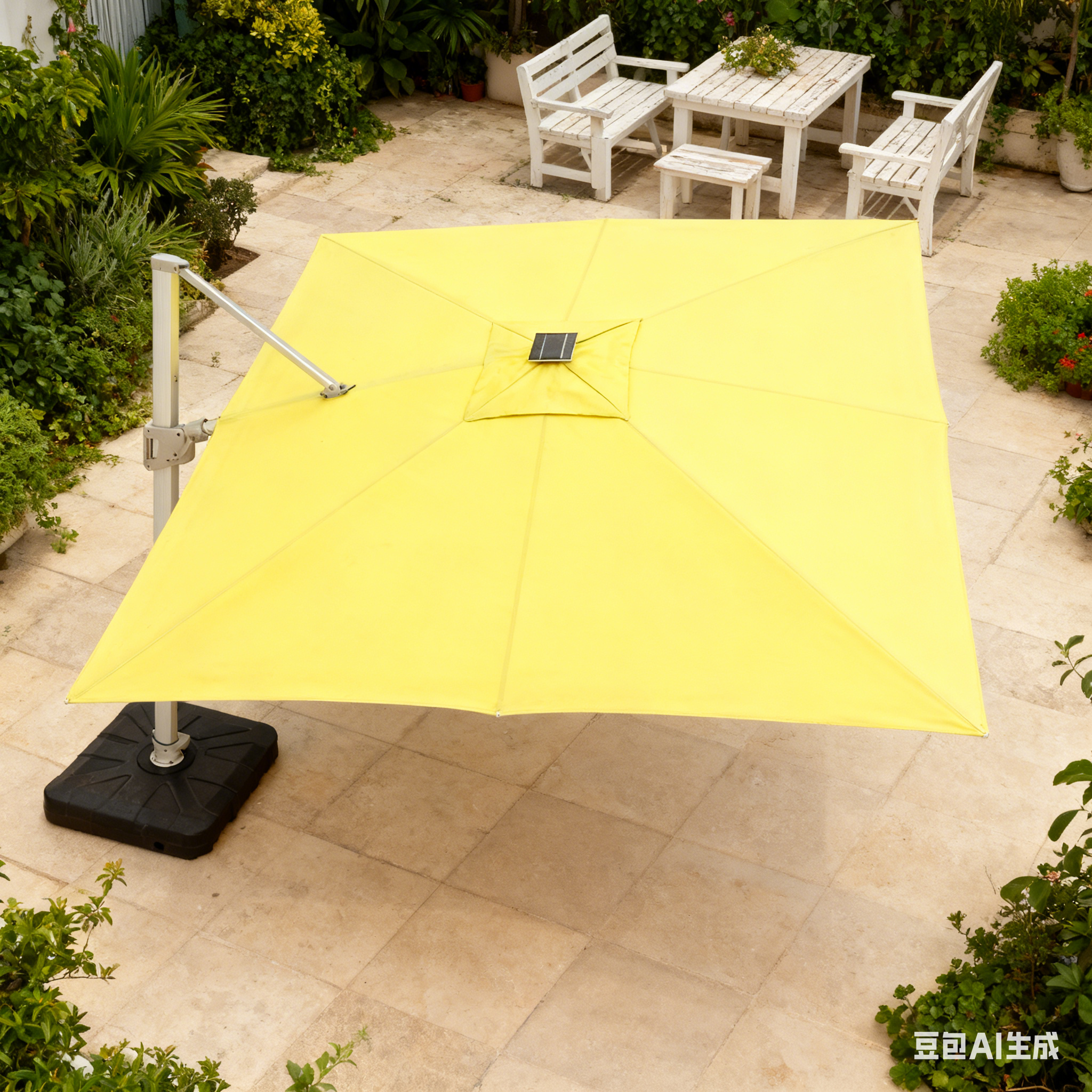
Commercial landscaping projects demand lighting systems that balance visual impact, operational efficiency, and long-term cost management. High-efficiency garden light solutions have emerged as transformative tools for landscape architects, facility managers, and property developers seeking to enhance outdoor environments while controlling energy expenditure. These advanced lighting technologies deliver superior illumination quality, extended operational lifespans, and reduced environmental footprints compared to conventional alternatives. Understanding how these systems improve commercial landscapes requires examining their technical advantages, installation flexibility, aesthetic contributions, and measurable return on investment across diverse commercial settings.
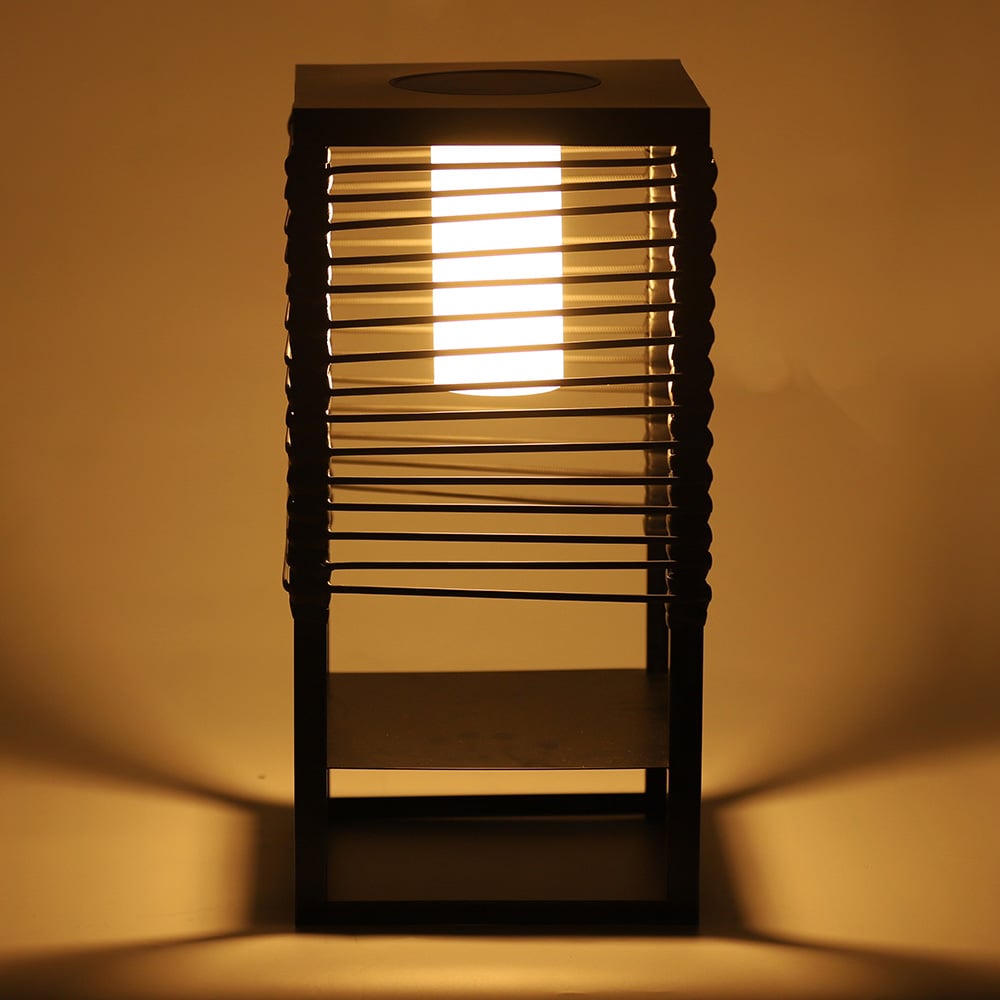
The implementation of high-efficiency garden light solutions in commercial landscaping projects directly addresses multiple operational challenges simultaneously. Property managers responsible for retail complexes, corporate campuses, hospitality venues, and municipal parks face mounting pressure to reduce utility costs while maintaining attractive, safe outdoor spaces that support business objectives. Modern high-efficiency lighting technologies integrate photovoltaic cells, LED arrays, intelligent control systems, and durable construction materials to create self-sustaining illumination networks that require minimal maintenance intervention. These systems fundamentally alter the economics of landscape lighting by eliminating trenching costs, reducing electrical infrastructure requirements, and providing predictable performance across seasonal variations and weather conditions.
Energy Performance and Operational Cost Reduction
Quantifiable Energy Savings Through Advanced Technology
High-efficiency garden light solutions achieve energy consumption reductions of 60-80% compared to traditional halogen or metal halide landscape lighting systems. This dramatic decrease stems from LED technology's superior luminous efficacy, which converts electrical input into visible light with minimal heat waste. Commercial properties implementing these systems typically observe monthly utility bill reductions ranging from $200 to $2,000 depending on installation scale and previous lighting infrastructure. The energy efficiency extends beyond the light source itself, as integrated solar charging systems eliminate grid dependency entirely for pathway lighting, accent illumination, and decorative landscape features.
The operational cost advantages compound over the system lifespan, which typically exceeds 50,000 hours of active illumination for quality LED components. This extended operational period translates to 15-20 years of service life under typical commercial usage patterns, compared to 2,000-5,000 hours for incandescent alternatives. Maintenance teams spend significantly less time replacing failed components, reducing labor costs and service disruptions. High-efficiency garden light solutions equipped with intelligent dimming capabilities further optimize energy consumption by adjusting output levels based on ambient light conditions, time schedules, and occupancy detection, creating adaptive lighting environments that match actual usage requirements rather than providing constant maximum illumination.
Infrastructure Cost Avoidance and Installation Efficiency
Commercial landscaping projects incorporating solar-powered high-efficiency garden light solutions eliminate substantial electrical infrastructure expenses that burden traditional lighting installations. Underground conduit runs, transformer installations, electrical panel expansions, and permit fees associated with conventional systems can represent 40-60% of total project costs. Self-contained solar lighting units install in hours rather than days, requiring only stable mounting surfaces and unobstructed solar exposure. This installation simplicity proves particularly valuable in retrofit scenarios where established landscapes contain irrigation systems, root structures, and hardscape elements that complicate trenching operations.
The infrastructure independence of high-efficiency garden light solutions provides strategic advantages for phased development projects and temporary installations. Commercial properties undergoing expansion can implement lighting immediately without coordinating with electrical contractors or waiting for power service extensions. Seasonal venues, outdoor event spaces, and construction site staging areas benefit from portable lighting configurations that relocate without infrastructure abandonment. The elimination of ongoing electrical service charges for landscape lighting represents a permanent operational expense reduction that improves property-level financial performance throughout the asset holding period.
Aesthetic Enhancement and Design Flexibility
Precise Light Distribution for Visual Impact
Modern high-efficiency garden light solutions deliver superior color rendering and beam control compared to legacy technologies, enabling landscape designers to create dramatic visual effects that enhance property appeal. LED systems with color temperatures ranging from warm 2700K to cool 5000K allow precise matching to architectural lighting schemes and brand identity requirements. The directional nature of LED emission patterns eliminates wasted uplight and glare while focusing illumination exactly where visual impact matters most. Commercial properties utilize these characteristics to highlight architectural features, accent specimen plantings, define circulation paths, and create inviting outdoor environments that extend usable space beyond daylight hours.
The design flexibility of contemporary high-efficiency garden light solutions extends to form factor diversity and aesthetic integration. Manufacturers now produce fixtures in architectural styles ranging from minimalist contemporary designs to traditional heritage aesthetics, ensuring compatibility with diverse landscape themes. Compact fixture profiles allow discreet placement that emphasizes illuminated subjects rather than light sources themselves. Color-changing RGB LED options enable seasonal programming and special event lighting without fixture replacement. This aesthetic versatility empowers landscape architects to implement comprehensive lighting strategies that reinforce overall design intent while maintaining energy efficiency standards.
Creating Safe and Welcoming Commercial Environments
High-efficiency garden light solutions contribute directly to pedestrian safety and security objectives that govern commercial landscape design. Properly illuminated pathways, stairways, and transition zones reduce liability exposure by minimizing trip hazards and improving wayfinding clarity during evening hours. Studies consistently demonstrate that well-lit commercial exteriors deter criminal activity and increase patron comfort levels, directly supporting retail performance and tenant satisfaction metrics. The reliable operation of solar-powered systems ensures consistent illumination even during power outages, maintaining safety continuity when conventional grid-dependent lighting fails.
The psychological impact of thoughtfully implemented landscape lighting extends beyond basic visibility requirements. High-efficiency garden light solutions create ambient environments that encourage extended property engagement, supporting outdoor dining programs, evening retail hours, and after-dark recreational activities. Hospitality properties report increased guest satisfaction scores when exterior spaces receive adequate illumination that balances visibility with atmospheric quality. Corporate campuses utilizing comprehensive landscape lighting observe improved employee utilization of outdoor break areas and walking paths. These behavioral responses translate to measurable business benefits that justify lighting investments beyond simple energy cost recovery calculations.
Environmental Sustainability and Regulatory Compliance
Carbon Footprint Reduction and Green Building Certifications
Commercial properties pursuing LEED certification, SITES accreditation, or other sustainability frameworks find that high-efficiency garden light solutions contribute valuable points toward qualification thresholds. Solar-powered landscape lighting eliminates Scope 2 carbon emissions associated with grid electricity consumption, directly supporting corporate environmental commitments and ESG reporting requirements. The manufacturing processes for quality LED components have matured to include recyclable materials and reduced hazardous substance content, addressing lifecycle environmental impacts beyond operational energy consumption.
Many jurisdictions now mandate energy efficiency standards for commercial landscape lighting through building codes and zoning ordinances. High-efficiency garden light solutions provide straightforward compliance pathways that avoid variance applications and design modifications. Dark sky ordinances restricting upward light emission and light trespass find natural alignment with the directional emission patterns of LED technology. Properties demonstrating environmental leadership through sustainable landscape lighting practices often receive favorable treatment in permitting processes, expedited approvals for expansion projects, and positive recognition from municipal sustainability programs that enhance community relationships.
Long-Term Material Durability and Waste Reduction
The extended operational lifespan of high-efficiency garden light solutions dramatically reduces fixture replacement frequency and associated material waste streams. Commercial properties that previously replaced landscape lighting components every 18-24 months now maintain stable systems for a decade or longer. This durability stems from solid-state LED technology that contains no fragile filaments, combined with weather-resistant housings engineered for outdoor exposure. Reduced replacement cycles translate to lower procurement volumes, decreased transportation impacts, and minimized packaging waste.
Quality high-efficiency garden light solutions incorporate modular design principles that enable selective component replacement rather than complete fixture disposal. When battery capacity eventually degrades after 5-7 years of solar charging cycles, technicians can install replacement cells without discarding the entire lighting assembly. This serviceability extends effective product lifespans well beyond initial component ratings while supporting circular economy principles. Some manufacturers now offer take-back programs that recover end-of-life fixtures for material reclamation, closing the loop on landscape lighting product lifecycles and supporting corporate waste diversion goals.
Performance Optimization Through Intelligent Control Systems
Adaptive Lighting Based on Usage Patterns
Advanced high-efficiency garden light solutions integrate motion sensors, ambient light detectors, and programmable controllers that optimize illumination delivery based on actual site conditions. Commercial landscapes experience highly variable occupancy patterns, with peak pedestrian traffic during commuting hours and minimal activity during overnight periods. Intelligent systems maintain low-level ambient lighting during quiet hours, then automatically increase output when motion detection indicates pedestrian presence. This adaptive approach extends battery capacity in solar installations while reducing light pollution during periods when full illumination provides no functional benefit.
Centralized control platforms enable facility managers to adjust lighting schedules, intensity levels, and operational zones from desktop interfaces or mobile applications. Seasonal adjustments that previously required individual fixture visits now execute through software commands that modify hundreds of units simultaneously. Sophisticated systems log operational data that reveals actual usage patterns, enabling evidence-based refinements to lighting strategies over time. The operational intelligence generated by connected high-efficiency garden light solutions transforms landscape lighting from passive infrastructure into actively managed systems that continuously improve performance and cost efficiency.
Integration With Broader Property Management Systems
Leading high-efficiency garden light solutions now support communication protocols that enable integration with building automation systems, security platforms, and energy management dashboards. This interoperability allows landscape lighting to respond to broader property conditions such as security alerts, special events, or demand response programs. A retail complex can automatically increase parking lot illumination when security cameras detect unusual activity, or reduce landscape lighting during utility peak demand periods to avoid demand charges.
The data generated by connected lighting systems provides facility managers with visibility into landscape zone utilization patterns that inform broader operational decisions. Pathways experiencing heavy evening traffic may warrant expanded lighting coverage, while underutilized areas might receive reduced illumination that redirects energy budgets to higher-value locations. The performance monitoring capabilities of intelligent high-efficiency garden light solutions enable proactive maintenance scheduling based on actual runtime hours rather than arbitrary calendar intervals, optimizing maintenance resource allocation and preventing unexpected failures during critical operational periods.
Strategic Implementation Considerations for Commercial Projects
Site Assessment and System Sizing Methodology
Successful deployment of high-efficiency garden light solutions requires careful site analysis that considers solar exposure patterns, seasonal shading variations, and illumination level requirements. Commercial properties should conduct detailed shade studies that account for building shadows, tree canopy coverage, and adjacent structure impacts throughout the year. Solar charging efficiency varies significantly between locations receiving six hours of unobstructed exposure versus sites with partial shading that reduces energy capture. System specifications must match realistic solar resource availability to ensure reliable year-round operation without battery depletion during winter months or extended cloudy periods.
Illumination level requirements vary substantially across commercial landscape applications, with pedestrian pathways typically requiring 0.5-2.0 foot-candles, parking areas needing 1.0-5.0 foot-candles, and decorative accent lighting operating at 0.2-1.0 foot-candles depending on subject distance and desired visual impact. High-efficiency garden light solutions must deliver adequate light output for intended purposes while maintaining energy efficiency objectives. Facility managers should work with lighting designers who understand both photometric requirements and solar system performance characteristics to specify appropriately sized components that balance performance expectations with cost constraints.
Vendor Selection and Quality Assurance Criteria
The commercial market for high-efficiency garden light solutions includes diverse manufacturers offering products at vastly different quality and price points. Property managers should evaluate potential vendors based on component specifications, warranty coverage, technical support availability, and documented installation performance. Quality LED chips from recognized manufacturers typically specify luminous flux maintenance of L70 or better at 50,000 hours, meaning the light output remains at 70% of initial levels after extended operation. Budget alternatives often utilize inferior LED components that experience rapid degradation and color shift, undermining the long-term value proposition of efficient lighting investments.
Battery technology represents another critical quality differentiator among high-efficiency garden light solutions. Lithium iron phosphate batteries deliver superior cycle life and temperature tolerance compared to conventional lead-acid or nickel-metal hydride alternatives, justifying higher initial costs through extended service intervals. Solar panel efficiency ratings indicate energy capture capability, with monocrystalline cells offering superior performance in limited space applications compared to polycrystalline alternatives. Commercial buyers should require detailed specifications, third-party testing certifications, and verifiable installation references before committing to large-scale deployments that will influence property operations for decades.
FAQ
What maintenance requirements do high-efficiency garden light solutions have in commercial settings?
High-efficiency garden light solutions require minimal maintenance compared to traditional landscape lighting systems. The primary maintenance tasks include periodic cleaning of solar panels to remove dust, pollen, and debris that reduce charging efficiency, typically performed quarterly in most climates. Battery replacement becomes necessary after 5-7 years depending on cycling patterns and temperature exposure. LED components rarely require replacement during the first 15-20 years of operation. Most commercial properties schedule annual inspections to verify mounting stability, clean fixtures, and test operational performance. The absence of bulb replacements and wiring repairs that burden conventional systems reduces maintenance labor costs by 70-80% over the system lifespan.
How do high-efficiency garden light solutions perform during winter months with limited sunlight?
Quality high-efficiency garden light solutions incorporate battery capacity and solar panel sizing that accounts for seasonal solar resource variations. Systems designed for northern latitudes typically include 20-30% excess capacity beyond summer requirements to ensure adequate charging during short winter days. Advanced battery chemistry maintains performance in cold temperatures that degrade conventional batteries. Many commercial installations implement intelligent dimming during winter months that reduces output levels by 20-30% to extend operational hours while maintaining adequate visibility. Properties in extreme northern locations or heavily shaded sites may require supplemental charging through small photovoltaic arrays positioned in optimal solar exposure locations with wired connections to landscape fixtures.
Can high-efficiency garden light solutions integrate with existing landscape lighting controls?
Modern high-efficiency garden light solutions offer diverse control integration options depending on system sophistication. Self-contained solar fixtures typically include internal programmable controllers and motion sensors that operate independently. Wired LED systems can connect to existing low-voltage transformers and lighting controls through standard protocols. Advanced networked systems support integration with building automation platforms through wireless mesh networks, allowing centralized control alongside conventional landscape lighting zones. Property managers undertaking phased lighting upgrades often implement standalone solar solutions in areas lacking electrical infrastructure while maintaining existing control systems for wired zones. Complete system integration becomes most practical during comprehensive landscape renovations that establish new control architecture across the entire property.
What return on investment can commercial properties expect from high-efficiency garden light solutions?
Commercial properties typically achieve full return on investment for high-efficiency garden light solutions within 3-7 years depending on electricity rates, installation scale, and replaced technology type. Projects replacing high-wattage metal halide systems with solar LED alternatives in high-rate utility territories often recover costs within 36-48 months through eliminated electricity charges and reduced maintenance expenses. New construction projects that avoid electrical infrastructure costs achieve immediate positive returns by eliminating trenching, conduit, and electrical service expenses. The financial analysis should include avoided replacement costs over the comparison period, as conventional systems require multiple fixture replacements during the 20-year operational life of quality LED alternatives. Properties valuing sustainability credentials and green building certifications realize additional intangible returns through enhanced marketability and tenant appeal that extend beyond direct cost recovery calculations.
Table of Contents
- Energy Performance and Operational Cost Reduction
- Aesthetic Enhancement and Design Flexibility
- Environmental Sustainability and Regulatory Compliance
- Performance Optimization Through Intelligent Control Systems
- Strategic Implementation Considerations for Commercial Projects
-
FAQ
- What maintenance requirements do high-efficiency garden light solutions have in commercial settings?
- How do high-efficiency garden light solutions perform during winter months with limited sunlight?
- Can high-efficiency garden light solutions integrate with existing landscape lighting controls?
- What return on investment can commercial properties expect from high-efficiency garden light solutions?