 EN
EN
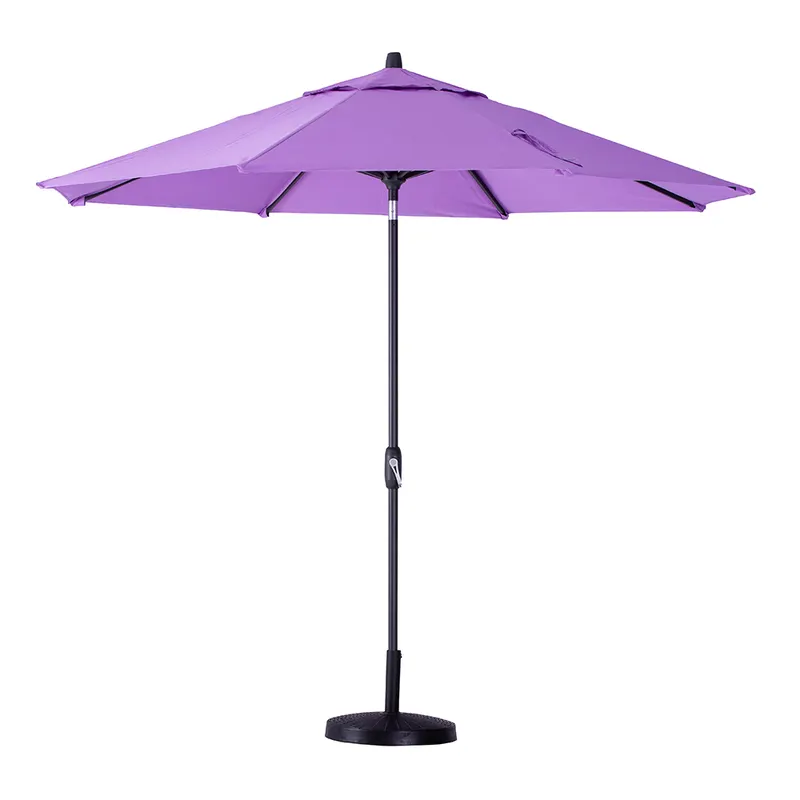
In high-traffic venues such as hotels, resorts, restaurants, and commercial outdoor spaces, the selection of a garden umbrella extends far beyond aesthetic considerations. The functional demands of these environments require careful evaluation of specific features that directly impact durability, operational efficiency, guest safety, and long-term cost-effectiveness. Understanding how individual garden umbrella features translate into real-world performance helps facility managers and procurement professionals make informed decisions that align with their operational requirements and budget constraints.
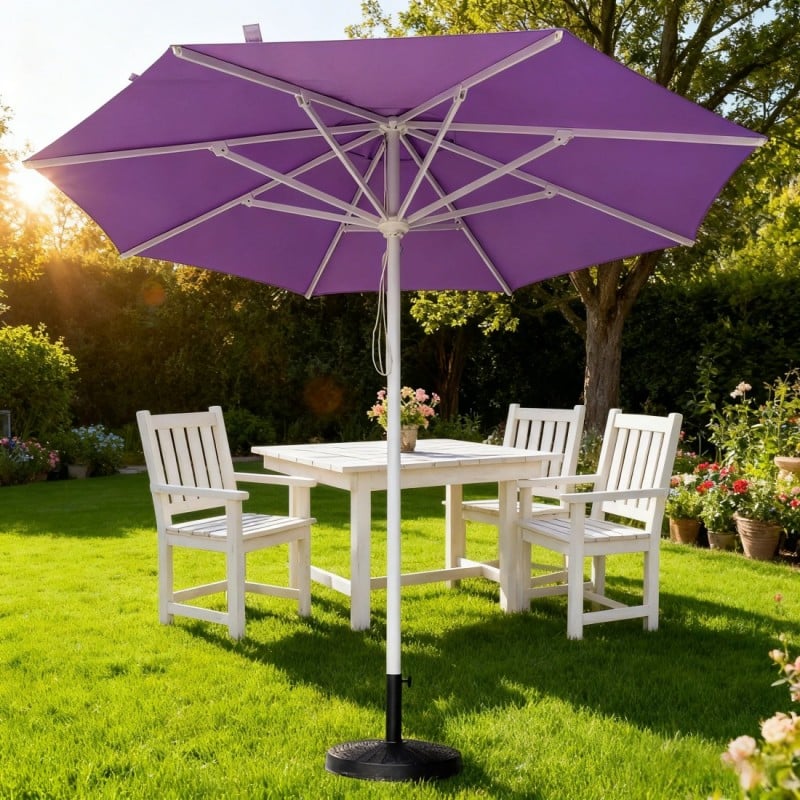
The relationship between garden umbrella features and functionality becomes particularly critical when dealing with daily operational demands that include frequent opening and closing cycles, exposure to diverse weather conditions, constant guest interaction, and the need for minimal maintenance intervention. Each design element—from frame construction and opening mechanisms to canopy materials and anchoring systems—plays a distinct role in determining whether the umbrella will perform reliably under sustained commercial use or become a source of ongoing operational challenges and safety concerns.
Frame Construction and Material Selection Impact on Durability
Structural Integrity Under Constant Use
The frame material of a garden umbrella fundamentally determines its ability to withstand the mechanical stresses inherent in high-traffic environments. Commercial-grade aluminum frames with wall thicknesses between 1.5mm and 2.0mm provide the necessary rigidity to resist bending and deformation when subjected to repeated opening and closing cycles throughout the business day. Unlike residential garden umbrella models that may experience intermittent use, commercial installations face continuous stress that quickly exposes weaknesses in frame geometry and material quality.
Powder-coated aluminum finishes serve a dual function in high-traffic venues by protecting against corrosion while maintaining aesthetic appeal despite frequent contact. The coating thickness and curing process directly affect the frame's resistance to scratching, chipping, and UV degradation. In coastal or pool-side installations where chlorine and salt exposure accelerates material deterioration, the quality of surface treatment becomes a critical determinant of whether a garden umbrella maintains structural integrity beyond the initial warranty period.
The dimensional specifications of frame components correlate directly with wind resistance capabilities and overall stability. Central pole diameters ranging from 48mm to 76mm provide varying levels of rigidity, with larger profiles offering superior resistance to lateral forces but requiring more robust mounting solutions. Rib thickness and cross-sectional profiles influence canopy tension distribution, affecting how the garden umbrella responds to wind loading and whether the canopy maintains proper shape under varying weather conditions.
Joint Design and Connection Reliability
Connection points represent potential failure zones in any garden umbrella system, particularly under the cyclic loading conditions typical of commercial use. Welded joints eliminate the mechanical play inherent in bolted connections, reducing the likelihood of progressive loosening that leads to structural instability. However, the welding quality and post-weld treatment determine whether these joints maintain strength over time or become stress concentration points that initiate fatigue cracks.
Reinforced hub assemblies distribute canopy tension loads across multiple ribs while providing secure attachment points for runner mechanisms. The hub design affects how smoothly a garden umbrella opens and closes, with precision-machined components offering consistent performance compared to cast assemblies that may develop play or binding over time. In venues where staff members with varying levels of training operate umbrellas throughout the day, hub robustness directly impacts operational reliability and maintenance frequency.
Rib-to-stretcher connections must accommodate the angular changes that occur during opening and closing while maintaining structural continuity under wind loads. Stainless steel fasteners at these joints prevent galvanic corrosion when connecting dissimilar metals, extending service life in humid or chemically aggressive environments. The ease of disassembly for component replacement also factors into long-term functionality, as venues requiring seasonal storage or periodic canopy replacement benefit from modular joint designs that facilitate maintenance without specialized tools.
Opening Mechanism Engineering and Operational Efficiency
Manual Operation Systems and Staff Interaction
The opening mechanism directly determines how easily venue staff can deploy and retract a garden umbrella in response to weather changes or service schedules. Pulley-based systems with reduction ratios between two-to-one and four-to-one reduce the force required to lift larger canopies, making operation accessible to staff members with varying physical capabilities. This mechanical advantage becomes particularly important for commercial garden umbrella installations exceeding three meters in diameter, where canopy weight and wind resistance create substantial lifting requirements.
Locking mechanisms must balance ease of engagement with security against accidental closure. Spring-loaded pin systems provide positive locking at defined height positions but require deliberate action to release, preventing unwanted retraction during service periods. The number and spacing of locking positions affect how precisely staff can adjust canopy height to accommodate sun angles or wind conditions, with graduated adjustment capabilities offering superior operational flexibility compared to single-position designs.
Rope and cable durability influences maintenance intervals and operational reliability. Marine-grade stainless steel cables resist corrosion and maintain consistent performance characteristics despite exposure to moisture and UV radiation. UV-stabilized synthetic ropes offer comparable strength at reduced weight but require periodic inspection for wear and replacement at intervals determined by usage intensity. The accessibility of these components for inspection and replacement affects total cost of ownership, as systems requiring complete disassembly for service cable replacement incur higher labor costs.
Crank Mechanism Precision and Longevity
Gear-driven crank systems eliminate the physical lifting requirements of pulley mechanisms while providing controlled deployment speed that reduces stress on frame components. The gear ratio determines how many crank rotations are required for full deployment, with higher ratios offering easier operation at the expense of increased deployment time. In high-traffic venues where rapid setup is essential, balancing mechanical advantage against operational speed requires careful consideration of staff capabilities and service timing requirements.
Sealed gear housings protect internal components from environmental contamination that causes premature wear. Venues located near beaches, pools, or industrial areas face elevated exposure to particulate matter and corrosive atmospheres that rapidly degrade unprotected mechanisms. The quality of sealing systems and the interval between required lubrication maintenance directly impact whether a garden umbrella continues to operate smoothly or develops binding and noise issues that signal impending failure.
Handle ergonomics and rotation resistance affect user fatigue and operation consistency. Rotating handles with comfortable grip diameters reduce the effort required for repetitive deployment cycles, particularly important in venues where multiple garden umbrella units require simultaneous adjustment. The inclusion of overload protection mechanisms prevents damage from excessive force application, protecting gear teeth and cable systems when staff members encounter resistance from binding or obstruction.
Canopy Materials and Performance Characteristics
Fabric Composition and UV Stability
Canopy fabric selection determines the functional lifespan of a garden umbrella under continuous UV exposure and weather cycling. Solution-dyed acrylic fabrics maintain colorfastness for extended periods because pigmentation occurs at the molecular level during fiber production rather than through surface treatment. This inherent UV stability translates to longer replacement intervals in high-traffic venues where faded or deteriorated canopies create negative impressions on guests and require premature replacement to maintain brand standards.
Fabric weight and weave density influence both durability and light transmission characteristics. Commercial-grade materials ranging from 280 to 350 grams per square meter provide the tear resistance necessary to withstand the mechanical stresses of daily deployment while offering UPF ratings that meet health and safety standards for sun protection. The weave tightness affects rain drainage and wind permeability, with tighter weaves providing better rain protection but potentially increasing wind loading on the frame structure.
Water repellency treatments extend functional performance by enabling rapid drying and preventing mildew growth in humid climates. Fluorocarbon-based treatments penetrate fabric fibers to create hydrophobic surfaces that shed water without compromising breathability. The durability of these treatments under repeated wet-dry cycles and cleaning operations determines whether the garden umbrella maintains protective performance or develops water-staining issues that detract from appearance and guest comfort.
Venting Configuration and Wind Management
Canopy venting systems serve critical functions in reducing wind loading while facilitating heat dissipation from beneath the garden umbrella. Cross-flow vent designs positioned at the canopy apex allow heated air to escape while permitting controlled airflow that reduces pressure differential across the canopy surface. The vent sizing and positioning affect how effectively the system reduces frame stress during wind events without compromising rain protection or creating uncomfortable drafts for seated guests.
Double-canopy construction separates structural and aesthetic layers, with the upper canopy incorporating larger vent openings that reduce wind resistance while the lower layer maintains complete coverage and visual continuity. This layered approach allows commercial garden umbrella installations to remain deployed in wind conditions that would require single-layer canopies to be closed, extending usable service hours and reducing operational disruption. The complexity of this construction does introduce additional manufacturing cost and potential maintenance considerations that must factor into procurement decisions.
Reinforced vent surrounds distribute stress concentrations away from fabric openings, preventing tear propagation during high-wind events. The quality of vent edge finishing and reinforcement stitching determines whether these openings remain dimensionally stable or develop progressive enlargement that compromises wind management effectiveness. In venues exposed to frequent wind conditions, the long-term stability of vent construction directly affects whether the garden umbrella maintains design performance throughout its service life.
Base and Anchoring Systems for Stability
Weight-Based Stabilization Requirements
Freestanding garden umbrella installations depend entirely on base weight to resist overturning moments generated by wind loading on the canopy surface. Engineering calculations based on canopy area, height above the base, and local wind conditions determine minimum base weights required for safe operation. Commercial installations typically require base weights ranging from 75 to 150 kilograms per umbrella, with larger canopies and exposed locations necessitating proportionally greater stabilization mass.
Base material selection affects handling requirements and long-term durability. Cast concrete bases provide maximum weight density at minimal cost but require equipment assistance for positioning and adjustment. Steel plate bases offer modularity through stackable designs but may require corrosion protection in humid environments. The inclusion of integrated wheels or transport mechanisms reduces repositioning effort but introduces mechanical components that require periodic inspection and maintenance to ensure continued functionality.
Pole diameter compatibility and securing mechanisms determine how securely the garden umbrella mounts to the base structure. Collar systems with multiple adjustment screws distribute clamping forces evenly around the pole circumference, preventing deformation while enabling height adjustment. The vertical adjustment range affects how precisely operators can level the canopy or adapt to sloped surfaces, with greater adjustment capability offering enhanced flexibility at the cost of additional mechanical complexity.
Permanent Mounting Solutions
In-ground mounting systems provide superior stability for permanent garden umbrella installations by transferring wind loads directly into the ground substrate. Steel sleeves set in concrete footings allow pole removal for off-season storage while maintaining precise positioning for seasonal reinstallation. The footing depth and diameter must account for local frost depth, soil bearing capacity, and anticipated wind loads, with engineering specifications varying significantly based on geographic location and site conditions.
Deck-mounted flanges enable garden umbrella installation on structural surfaces without ground penetration, distributing loads across multiple anchor points. The flange bolt pattern and surface area determine load transfer effectiveness, with larger flanges better suited to high-wind environments. The compatibility of mounting systems with various decking materials—wood, composite, concrete, or stone—affects installation complexity and long-term reliability, as thermal expansion and material degradation can compromise anchor integrity over time.
Quick-release mounting systems facilitate seasonal removal and storage while maintaining precise repositioning for reinstallation. Spring-loaded collar mechanisms or bayonet-style connections enable tool-free installation and removal, reducing labor requirements for seasonal transitions. The durability of these quick-connect systems under repeated cycling and exposure to environmental contamination determines whether they maintain ease of operation or develop binding issues that negate their convenience advantages.
Maintenance Accessibility and Long-Term Cost Implications
Component Modularity and Replacement Strategy
The design philosophy underlying garden umbrella construction significantly impacts long-term maintenance costs and operational continuity. Modular designs that allow individual component replacement extend functional service life by enabling targeted repairs rather than complete unit replacement when isolated failures occur. Canopy attachment systems using hook-and-loop fasteners or zipper enclosures facilitate fabric replacement without specialized skills, reducing labor costs and minimizing downtime during refurbishment cycles.
Standardized component specifications across product lines reduce inventory requirements for venues operating multiple garden umbrella units. When replacement parts such as finials, runners, or rib assemblies share common dimensions and attachment methods across different umbrella sizes, facility managers can maintain smaller parts inventories while ensuring rapid repair capability. This standardization becomes particularly valuable for hospitality chains or venue operators managing multiple properties with consistent equipment specifications.
Manufacturer support infrastructure influences the practical feasibility of long-term maintenance strategies. Vendors offering comprehensive parts catalogs with clear identification systems and reliable availability enable proactive maintenance approaches where components can be replaced on scheduled intervals rather than emergency basis. The availability of technical documentation including exploded-view diagrams and assembly instructions empowers in-house maintenance staff to perform repairs without requiring specialized contractor support, reducing both cost and downtime.
Cleaning Requirements and Surface Maintenance
Canopy cleaning requirements vary significantly based on fabric selection and venue environment. Solution-dyed acrylic fabrics typically require only periodic washing with mild detergent solutions to remove accumulated dirt and organic matter, with cleaning intervals ranging from monthly to quarterly based on exposure conditions. The resistance of fabric to staining from food, beverages, and environmental contaminants affects both cleaning frequency and the harshness of cleaning agents required, with superior stain resistance reducing labor requirements and extending fabric life.
Frame cleaning and inspection protocols maintain both appearance and structural integrity. Powder-coated aluminum frames benefit from regular washing to remove corrosive deposits before they compromise the protective coating. The accessibility of frame joints and internal components for inspection determines how effectively maintenance staff can identify developing issues before they result in operational failures. Garden umbrella designs incorporating removable end caps or inspection ports facilitate thorough examination without requiring complete disassembly.
Lubrication requirements for moving components must balance friction reduction against contamination attraction. Opening mechanisms benefit from periodic application of appropriate lubricants to maintain smooth operation and prevent wear, but excessive lubrication attracts dust and debris that can accelerate component degradation. The specification of appropriate lubricant types for different mechanisms and environmental conditions, along with clear guidance on application frequency, enables maintenance personnel to optimize performance without introducing unintended problems.
FAQ
What frame thickness is appropriate for garden umbrella installations in coastal commercial venues?
Coastal environments demand garden umbrella frames with wall thicknesses of at least 1.8mm to 2.0mm in aluminum construction, combined with marine-grade powder coating or anodized finishes that resist salt-induced corrosion. The combination of higher wind exposure typical of coastal locations and accelerated corrosion from salt aerosols requires more robust construction than inland installations. Additionally, stainless steel hardware at all connection points prevents galvanic corrosion and maintains structural integrity under continuous salt exposure.
How does canopy size affect the operational requirements for garden umbrella deployment in restaurants?
Larger garden umbrella canopies exceeding 3.5 meters in diameter typically require mechanical advantage systems such as pulley mechanisms or crank operations to enable single-person deployment. The weight of commercial-grade canopy fabric combined with wind resistance during deployment creates lifting forces that exceed comfortable manual operation for most staff members. Restaurant operators should consider the physical capabilities of their service staff and the frequency of deployment cycles when selecting umbrella sizes, as canopies requiring two-person operation introduce scheduling complexity and reduce operational flexibility during rapid weather transitions.
What maintenance schedule is recommended for garden umbrella installations in high-traffic hotel pool areas?
Pool-side garden umbrella installations benefit from monthly frame washing to remove chlorine residue and weekly visual inspections of fabric condition and mechanical operation. The combination of chemical exposure from pool treatments and elevated moisture levels accelerates both corrosion and fabric degradation compared to standard outdoor installations. Quarterly detailed inspections should examine all mechanical components including opening mechanisms, locking systems, and mounting hardware to identify developing wear before operational failures occur. Annual professional servicing including complete disassembly, cleaning, lubrication, and component replacement extends service life and maintains safety standards.
Can garden umbrella installations remain deployed overnight in commercial venues or should they be closed daily?
The decision to leave garden umbrella units deployed overnight depends on local wind patterns, security considerations, and manufacturer specifications for continuous deployment. Many commercial-grade systems are engineered for extended deployment under normal weather conditions, but should be closed when wind forecasts exceed specified operational limits, typically 30 to 40 kilometers per hour for most designs. Venues with overnight security personnel capable of monitoring weather conditions and closing umbrellas when necessary can safely maintain deployment, while unmonitored locations should implement daily closing protocols to prevent weather-related damage and extend equipment lifespan. The inclusion of wind sensors or automated closing systems represents an alternative approach for venues requiring overnight coverage without continuous staff presence.
Table of Contents
- Frame Construction and Material Selection Impact on Durability
- Opening Mechanism Engineering and Operational Efficiency
- Canopy Materials and Performance Characteristics
- Base and Anchoring Systems for Stability
- Maintenance Accessibility and Long-Term Cost Implications
-
FAQ
- What frame thickness is appropriate for garden umbrella installations in coastal commercial venues?
- How does canopy size affect the operational requirements for garden umbrella deployment in restaurants?
- What maintenance schedule is recommended for garden umbrella installations in high-traffic hotel pool areas?
- Can garden umbrella installations remain deployed overnight in commercial venues or should they be closed daily?