 EN
EN
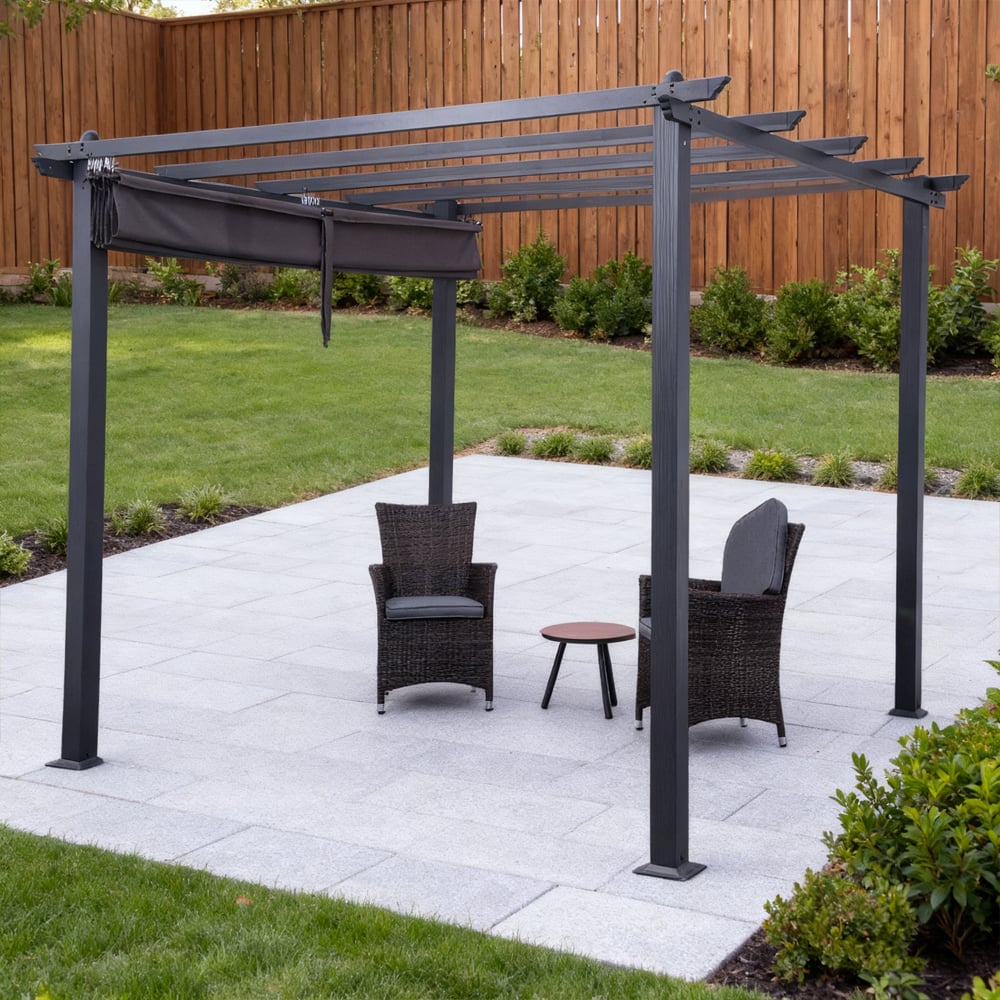
יצירת אזור חוץ מושלם לשיזוף ובידור דורשת התחשבות זהירה בחומרים, בעיצוב ובטכניקות הבנייה. פרגולה מאלומיניום מהווה אחת הפתרונות המעשיים והעמידים ביותר לבעלי בתים שמעוניינים לשפר את שטח החיים החיצוני שלהם. מבנה רב-תכליתי זה משלב יופי חזותי עם יתרונות תפקודיים, מספק צל, מגדיר אזורים חיצוניים ומעלה את ערך הנכס. כאשר נבנית כראוי, פרגולה מאלומיניום מספקת עשרות שנים של שירות מהימן תוך דרישה למינימום תחזוקה בהשוואה לחלופות העץ המסורתית.
תכנון הפרסגולה מאלומיניום פרגולה פרויקט
אומדן האתר ונושאי העיצוב
לפני שתחילה את בניית הפרסולה האלומיניאלית, אומדן תחנה מקיף מהווה את היסוד להצלחת הפרויקט. בדקו את המיקום המתוכנן מבחינת ניקוז מתאים, הרכב האדמה והקרבה למבנים או תשתיות קיימים. קחו בחשבון את דפוסי השמש לאורך היום ואת השינויים העונתיים שעלולים להשפיע על פעילות הפרסולה ועל הנוחות שלכם. הפרסולה האלומיניאלית מציעה גמישות בעיצוב, ומאפשרת התאמה אישית בהתאם לתנאי האתר הספציפיים שלכם ולהעדפות האסתטיות שלכם.
קחו בחשבון את תקנות הבנייה המקומיות ואת דרישות הרישיונות, כיוון שרבים מהרשויות המקומיות דורשות רישיונות לבניינים חיצוניים קבועים. העיצוב המודולרי של הפרסולה האלומיניאלית מפשט לעתים קרובות את תהליך האישור בהשוואה לפרויקטים מורכבים יותר בבנייה. מדדו בזהירות את השטח הזמין, תוך שילוב התחשבות במיקום הפריטים הרהוטיים, בזרימת התנועה ובתוכניות נוף עתידיות שיכולות לשפר את הסביבה החיצונית הכוללת.
בחירת חומרים ותקני איכות
התכונות המצוינות של האלומיניום הופכות אותו לבחירה יוצאת דופן לבניית פרגולה. בניגוד לעץ, שדורש צביעה וסגירה חוזרות, פרגולת אלומיניום שומרת על מראהה ועל שלמותה המבנית עם תחזוקה מינימלית. סגסוגות אלומיניום איכותיות עמידות בפני קורוזיה, עיוותים ופגיעות חרקים, ובנוסף מספקות יחס מצוין בין חוזק למשקל, מה שמאפשר התקנה קלה יותר ויציבות ארוכת טווח.
בעת בחירת החומרים, יש לתת עדיפות לרכיבי אלומיניום עם כיסוי אבקה שמספקים עמידות משופרת ושימור צבע. תהליך הכיסוי באבקה יוצר שכבת הגנה נגד גורמי מזג האוויר, ומספק אפשרויות מראה מושכות שמתאימות לעיצוב החיצוני של הבית שלכם. מערכות פרגולות אלומיניום מתקדמות כוללות לעיתים קרובות אחריות שמביאה לידי ביטוי את אמון היצרן באורך החיים ובתקנים הביצועיים של המוצר.
דרישות יסוד ומבניות
הכנה של הקרקע והעמדת עמודי התמיכה
הקמת יסוד איתן מבטיחה שהפרגולת האלומיניום שלך תישאר יציבה ומאוזנת לאורך כל תקופת השימוש שלה. התחל על ידי סימון התחום שתחזוק הפרגולת בהתאם לדרישות העיצוב שלך, תוך שימוש בעמודים ובחוטים כדי לשמור על דיוק. חפור את החורים לתמיכות לעומק הנדרש, בדרך כלל מתחת לקו הקיפאון באקלימים קרים יותר כדי למנוע הרמה עקב קיפאון, אשר עלולה לפגוע בשלמות המבנית.
יסודות בטון מספקים את מערכת התמיכה האמינה ביותר להתקנת פרגולת אלומיניום. ערבב את הבטון בהתאם לדרישות היצרן והנח לו ליבוש מספיק לפני שתמשיך בהרכבת המסגרת. המאסה הקלה של האלומיניום מפחיתה את המתח על היסודות בהשוואה לחומרים כבדים יותר, אך התקנת היסודות הנכונה נותרת קריטית לייציבות ובטיחות ארוכות טווח.
שיטות הרכבת מסגרות
מערכות פרגולה מאלומיניום מודרניות מאופיינות ברכיבים מעוצבים بدقة שמאפשרים הרכבה פשוטה באמצעות כלים בסיסיים וחלקי חיבור. התחל את בניית המסגרת על ידי חיבור עמודי התמיכה העיקריים לעוגני היסודות, תוך ודאות שהעמודים ניצבים בזווית מושלמת באמצעות מפלס ותומכות זמניות.
התקן קרשים צולבים וקצרות לפי הסדר שצוין על ידי היצרן, תוך שמירה על ריווח אחיד ויישור תקין לאורך כל התהליך. תכונות עמידות הקורוזיה של חלקי החיבור מאלומיניום מבטיחות חיבורים אמנים שיכלו לעמוד במתחים סביבתיים ללא ה afslach או ירידה באיכותם עם הזמן. הקפד על פרטי המפגשים ואמצעי הגנת מזג האוויר שמניעים חדירת מים ומשמרים את הביצועים המבניים.
אפשרויות גג והגנה מפני מזג אוויר
שילוב מחסה מבד
הוספת קנים מבד לפסל האלומיניום שלכם משפרת את הגנת המזג האוויר תוך שמירה על התחושה של חלל פתוח, אשר היא הסיבה לעליונות של מבנים אלו. פרגולה אלומיניום המסגרת תומכת בשיטות שונות להתקנת הקנים, החל מערכות מתנפצות ועד להתקנות קבועות שמספקות כיסוי עקבי.
שקלו את משקל הבד ואת התנגדותו לרוח בעת בחירת חומרי הקנים להתקנת הפסל האלומיניום שלכם. בדים כבדים מציעים עמידות והגנה נגד מזג אוויר יוצאת דופן, אך עלולים לדרוש שינויים נוספים במבנה התמיכה. בדים קלים מספקים צל מספיק לאקלימים מתונים, ובכך מפחיתים את המתח על מסגרת האלומיניום בתנאי רוח חזקה.
פתרונות חלופיים לגג
מעבר למחסות בד, מבנים של פרגולות אלומיניום יכולים להכיל מגוון חומרי גג שמשפרים את הפונקציונליות והמראה האסתטי. לוחות פוליקרבונט מספקים כיסוי שקוף או חלול שמאפשר את חדירת האור הטבעי תוך כדי הגנה ממטאר. הלוחות הקלים הללו מתמזגים באופן חלק למערכות הפרסגולות האלומיניומיות ללא צורך בשינויים מבניים נרחבים.
מערכות גג עם דלתות נשלטות (לוורס) מייצגות אפשרות חדשנית נוספת להתקנת פרגולות אלומיניום, ומספקות כיסוי ניתן להתאמה בהתאם לתנאי מזג האוויר המשתנים. מערכות לוורס ממונעות מספקות תפעול נוח באמצעות שליטה מרחוק, המאפשרת למשתמשים לאזן את הצלילה והשדרוג באוויר בצורה מינימלית. התכונות הנוגדות קורוזיה של האלומיניום מבטיחות תאימות עם מגוון חומרי גג ללא חשש מקורוזיה גלוונית.
הנחיות מומלצות להתקנה וביטחון
כלים נדרשים והכנה
התקנת סוכך אלומיניום מוצלחת דורשת כלים וציוד מסוימים שמבטיחים דיוק ובטיחות לאורך תהליך הבנייה. כלים חיוניים כוללים מפלס, מקדחה עם קצות מתאימים, מפתחות להרכבת חומרת הבנייה, וכלים למדידה לצורך מיקום מדויק של הרכיבים. המבנה הקל של רכיבי הסוכך האלומיניומי מפחית את הצורך בציוד להרמת משאות כבדים, מה שהופך את ההתקנה לאפשרית גם עבור חובבי DIY מיומנים.
ציוד בטיחות נשאר קריטי במהלך בניית הסוכך האלומיניומי, כולל הגנה לעיניים, כפפות עבודה וסולמות יציבים לעבודה בגובה. תנאי מזג האוויר משפיעים באופן משמעותי על הבטיחות והאיכות של ההתקנה, ולכן יש לתכנן את הבנייה לתקופות שקטות ויבשות שמאפשרות הרכבה מדויקת ותפעול תקין של החומרים. יש לארגן מראש את הרכיבים וחומרת הבנייה כדי לזרז את תהליך ההתקנה ולמזער את זמן הבנייה.
היבטים להתחשב בהםbij התקנת מקצוענים
למרות שמערכות פרגולות מאלומיניום רבות תומכות בהתקנה עצמית, אתרים מורכבים או מבנים גדולים עשויים להרוויח מהתקנה מקצועית. קבלנים מוכשרים מביאים כלים מיוחדים, ביטוח וידע מקצועי שמבטיח התקנה תקינה ומזדקרת בעיות אפשריות. מתקינים מקצועיים מכירים את תקנות הבנייה המקומיות ואת דרישות הרישיונות שעלולות להשפיע על פרויקט הפרסגולה האלומיניומית שלכם.
העריכו את רמת הכישורים שלכם, את הזמן הזמין לכם ואת מורכבות הפרויקט בעת קבלת החלטה בין התקנה עצמית להתקנה מקצועית. התקנות פשוטות של פרסגולות אלומיניום על אדמה שטוחה עם מידות סטנדרטיות מתאימות לרוב לבנאים בעלי ניסיון בהתקנה עצמית, בעוד שאתרים מורכבים עם שיפועים, מחסומים או התאמות מותאמות אישית דורשים בדרך כלל מומחיות מקצועית לתוצאות אופטימליות.
תחזוקה ואורך חיים
דרישות תחזוקה שגרתיות
אחת היתרונות העיקריים של בחירת פרגולה מאלומיניום היא דרישות תחזוקה מינימליות בהשוואה לחלופות מעץ או פלדה. ניקוי רגיל בסבון עדין ומים מסיר אבק ופסולת שצברו עם הזמן, ומשמר את איכות הסגנון והמראה. השכבה המפורקת באבק (powder-coated) עמידה לכתמים ולתהליך קורוזיה, ודורשת רק ניקוי מחזורי כדי לשמור על מראה חדש.
בדקו מדי שנה את חיבורי החומרה כדי להבטיח את שלמותה המבנית הרצופה של הפרסה האלומיניומית שלכם. אם כי האלומיניום עמיד לקורוזיה, רכיבי החומרה עשויים לדרוש הדקיקה או החלפה מזדמנית בהתאם לתנאי הסביבה ודפוסי השימוש. עבדו על כל צרכים של תחזוקת הבד של הצללת פרגולה לפי ההנחיות של היצרן כדי למקסם את משך החיים והביצועים.
שיקולים עונתיים
שינויי מזג האוויר העונתיים עלולים להשפיע על היבטים מסוימים של תחזוקת ותפעול פרגולה מאלומיניום. עומסים של שלג באקלים חורפי דורשים הערכה של היכולת המבנית והטלות הסרה אפשריות כדי למנוע מתח יתר על השלד. עמידות האלומיניום הקלה מספקת יכולת מעולה לספיגת עומס שלג, אך הצטברויות קיצוניות עשויות לדרוש הסרה פעילה לצורך ביטחון.
הניקוי האביבי מהווה זמן אידיאלי לבדיקה ותחזוקה מקיפה של פרגולת אלומיניום. בדקו את נקודות החיבור של הכנף, נקו שאריות מצטברות מחלקים וסדקים, ובחנו את מצב כל הרכיבים. התנגדות האלומיניום לקורוזיה מבטיחה דעיכה מינימלית כתוצאה מחשיפה לעונות השנה, מה שתרומתו לערך ארוך טווח ולסיפוק.
שאלות נפוצות
כמה זמן פרגולת אלומיניום נמשכת בדרך כלל
פרגולת אלומיניום איכותית יכולה לשרוד 25–30 שנה או יותר, בתנאי שהותקנה כראוי ודורשת תחזוקה מינימלית. התכונות הנוגדות קורוזיה של האלומיניום, בשילוב עם שכבת כיסוי באבקה, מספקות עמידות יוצאת דופן בהשוואה למבנים מעץ שעשויים להידרש להחלפה כל 10–15 שנה. ניקיון רגיל וביקורת מחזורית על הרכיבים המטאלים עוזרים למקסם את משך החיים הפעילי של הפרסום על הכסף שלכם בפרגולת אלומיניום.
מה היתרונות העיקריים של פרגולות אלומיניום לעומת פרגולות עץ
פרגולות אלומיניום מציעות עמידות גבוהה יותר, דרישות תחזוקה נמוכות יותר ועמידות טובה יותר בפני מזג אוויר, חרקים ורקבון בהשוואה לחלופות מעץ. הן שומרות על שלמותן המבנית והמראה החיצוני שלהן ללא צורך בצבעה מחזורית, איטום או צביעה. בנוסף, מערכות פרגולות אלומיניום נוטות לכלול עיצוב מודולרי שפישט את ההתקנה ומאפשר התאמות עתידיות או העברות למקום אחר.
האם אפשר להתקין פרגולת אלומיניום בעצמי, או שדרוש עזרה מקצועית
מערכות פרגולה מאלומיניום רבות מעוצבות להתקנה עצמית על ידי בעלי בתים עם כישורים בסיסיים בבנייה ועם כלים פשוטים. הרכיבים הקלים והעיצובים המוקדמים מפשטים את ההרכבה בהשוואה לשיטות בנייה מסורתיות. עם זאת, אתרים מורכבים, מבנים גדולים או דרישות רישיון מקומיות עשויות ליהנות מהתקנה מקצועית כדי להבטיח השלמה תקינה התאמה לקוד הבנייה.
אילו מימדים של פרגולה מאלומיניום מתאימים ביותר למרחב החוץ שלי
המימדים האידיאליים של פרגולה מאלומיניום תלויים בשטח הזמין, בשימוש המתוכנן ובשקולות התקציב. יש לקחת בחשבון את מיקום הרהיטים, את זרימת התנועה ואת היחס הפרופורציונלי לבית ולנוף בעת קביעת הממדים. גודלים נפוצים נעים מיחידות קטנות של 8x8 רגל לאיזורים אינטימיים לישיבה ועד מבנים מרחבים של 12x16 רגל לאיזורי אוכל חיצוני ולבידור.