 EN
EN
হোটেল ও রিসর্টগুলিতে সঠিক প্যাটিও ছত্র উপকরণ নির্বাচন করা হল একটি গুরুত্বপূর্ণ বিনিয়োগ সিদ্ধান্ত, যা সরাসরি অতিথি সন্তুষ্টি, রক্ষণাবেক্ষণ বাজেট এবং সম্পত্তির দৃশ্যমান আকর্ষণীয়তা—এই তিনটিই একাধিক মৌসুম ধরে প্রভাবিত করে। বাণিজ্যিক আতিথেয়তা পরিবেশগুলি বাসাবাড়ির প্রয়োগের তুলনায় উচ্চতর টেকসইতা দাবি করে, কারণ বহিরঙ্গন ফার্নিচার সূর্যের আলো, বৃষ্টি, বাতাসের চাপ এবং ঘন ঘন ব্যবহারের মতো বিভিন্ন পরিস্থিতির মুখোমুখি হয়। ছায়া প্রদানকারী এই সমাধানগুলির ক্যানোপি কাপড় এবং গঠনমূলক ফ্রেমওয়ার্ক—উভয়ের উপাদান গঠনই নির্ধারণ করে যে, এগুলি কতদিন ধরে তাদের কার্যকরী অখণ্ডতা এবং দৃশ্যমান আকর্ষণীয়তা বজায় রাখতে পারবে, না কি ক্রমাগত প্রতিস্থাপনের প্রয়োজন হবে যা কার্যক্রমে বিঘ্ন ঘটায় এবং খরচ বৃদ্ধি করে।
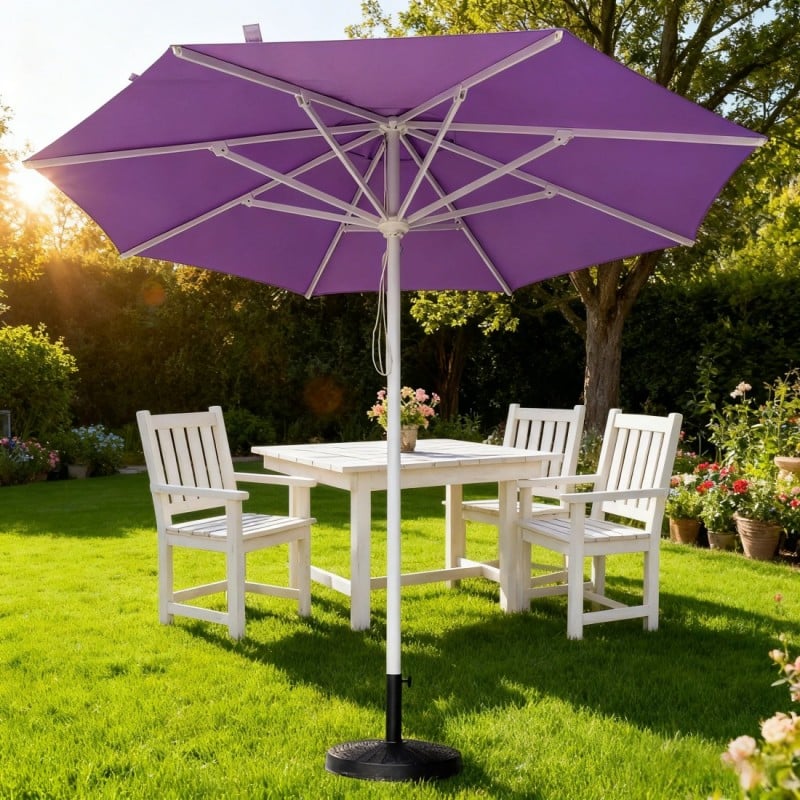
বিভিন্ন প্যাটিও ছাতার উপকরণগুলি পরিবেশগত চাপ, ব্যবহারের তীব্রতা এবং রক্ষণাবেক্ষণ প্রোটোকলের প্রতি কীভাবে প্রতিক্রিয়া জানায়—এই বোঝাপড়া হোটেল ও অতিথি সেবা ব্যবস্থাপকদের প্রাথমিক বিনিয়োগ এবং মোট মালিকানা খরচের মধ্যে ভারসাম্য রেখে তথ্যপূর্ণ ক্রয় সিদ্ধান্ত গ্রহণ করতে সাহায্য করে। ক্যানোপি কাপড়ের কার্যকারিতা, ফ্রেমের গঠনগত বৈশিষ্ট্য এবং সাইট-নির্দিষ্ট জলবায়ু অবস্থার মধ্যে যে পারস্পরিক ক্রিয়া ঘটে, তা একটি জটিল সমীকরণ তৈরি করে যেখানে উপকরণ নির্বাচন হয়ে ওঠে প্রাথমিক পরিবর্তনশীল রাশি, যা নির্ধারণ করে যে বহিরঙ্গন ছায়া ব্যবস্থাগুলি তিন বছর না পনেরো বছর ধরে নির্ভরযোগ্য সেবা প্রদান করবে। এই ব্যাপক বিশ্লেষণটি বাণিজ্যিক হোটেল ও অতিথি সেবা পরিবেশে দীর্ঘস্থায়িত্বকে নিয়ন্ত্রণ করা উপকরণ-ভিত্তিক নির্দিষ্ট কারণগুলি পরীক্ষা করে এবং সুবিধা ব্যবস্থাপকদের হোটেল ও রিসর্ট অপারেশনের অনন্য চাহিদা সহ্য করতে সক্ষম ছাতা ব্যবস্থা নির্দিষ্ট করার জন্য প্রয়োজনীয় প্রযুক্তিগত জ্ঞান প্রদান করে।
ক্যানোপি কাপড়ের কার্যকারিতায় উপাদান গঠনের প্রভাব
আলট্রাভায়োলেট রশ্মির প্রভাবে সিনথেটিক ফাইবারের টিকে থাকার ক্ষমতা
হোটেল ও রিসর্ট পরিবেশে ক্যানোপির দীর্ঘস্থায়িত্বের প্রধান হুমকি হল সঞ্চিত অতিবেগুনি (ইউভি) বিকিরণের ক্ষতি, যা ফ্যাব্রিক তন্তুর মধ্যে পলিমার শৃঙ্খলগুলিকে ক্ষয় করে এবং ধীরে ধীরে শক্তি হ্রাস, রং ম্লান হওয়া এবং শেষ পর্যন্ত উপাদানের ব্যর্থতা ঘটায়। কমার্শিয়াল প্যাটিও ছাতার জন্য সমাধান-ডাইড অ্যাক্রিলিক ফ্যাব্রিকগুলি শিল্প মানদণ্ড হিসেবে বিবেচিত হয়, কারণ রং দেওয়ার প্রক্রিয়ায় রংযুক্ত পদার্থগুলি শুধুমাত্র পৃষ্ঠের উপর নয়, বরং তন্তুর সমগ্র গঠনের মধ্যে সমানভাবে মিশ্রিত হয়, ফলে রং ম্লান হওয়ার প্রতি প্রতিরোধ সৃষ্টি হয় যা ১৫০০ থেকে ২০০০ ঘণ্টা সরাসরি সূর্যের আলোর সংস্পর্শে থাকার পরেও দৃশ্যমান রং পরিবর্তন ঘটায় না। এই কার্যকারিতা স্তরটি মাঝারি জলবায়ুতে স্থাপন করা ছাতাগুলির জন্য প্রায় পাঁচ থেকে সাত বছর সেবা জীবনের সমতুল্য, যেখানে ছাতাগুলি সূর্যের সর্বোচ্চ তীব্রতার সময় আংশিক ছায়া পায়।
পলিএস্টার-ভিত্তিক ছায়াচ্ছদ উপকরণগুলি অ্যাক্রিলিক বিকল্পগুলির তুলনায় উৎকৃষ্ট টান সহনশীলতা এবং ঘর্ষণ প্রতিরোধ প্রদান করে, যা যান্ত্রিক চাপ ব্যর্থতার মোড প্রোফাইলকে প্রভাবিত করে এমন উচ্চ-বাতাসযুক্ত উপকূলীয় রিসোর্ট অবস্থানগুলিতে এদের ব্যবহারের জন্য উপযুক্ত করে তোলে। তবে, বিশেষায়িত স্থিতিকারক যোজক দ্বারা চিকিত্সা না করা হলে স্ট্যান্ডার্ড পলিএস্টার কাপড়গুলি আরও দ্রুত ইউভি বিঘটনের শিকার হয়, যা ক্ষতিকারক তরঙ্গদৈর্ঘ্যগুলিকে শোষণ বা প্রতিফলিত করে। প্রিমিয়াম মেরিন-গ্রেড পলিএস্টার ফর্মুলেশনগুলিতে বেঞ্জোফেনোন বা হিন্ডার্ড অ্যামিন স্থিতিকারক অন্তর্ভুক্ত থাকে, যা ব্যবহারিক সেবা আয়ুকে বাড়িয়ে অ্যাক্রিলিকের কার্যকারিতার সমান বা তার চেয়ে বেশি করে, যদিও এটি উল্লেখযোগ্যভাবে উচ্চতর উপকরণ খরচ সৃষ্টি করে যা ছায়াচ্ছদ প্রতিস্থাপনের খরচকে দ্বিগুণ করতে পারে।
জলরোধী প্রযুক্তি এবং আর্দ্রতা ব্যবস্থাপনা
ক্যানোপি কাপড়ের গঠনে আর্দ্রতা জমা হওয়া মাইল্ডিউ গ্রোথ, সিম ব্যর্থতা এবং তন্তু ফুলে যাওয়া—যা মাত্রিক স্থিতিশীলতা ক্ষুণ্ন করে—সহ একাধিক প্রক্রিয়ার মাধ্যমে ক্ষয়কে ত্বরান্বিত করে। কাপড় উৎপাদনের সময় যে জলরোধী পদ্ধতি ব্যবহার করা হয়, তা মৌলিকভাবে নির্ধারণ করে যে প্যাটিও ছাতার উপকরণগুলি উষ্ণ-আবহাওয়াযুক্ত রিসোর্ট পরিবেশে বৃষ্টি ও আর্দ্রতার সংস্পর্শে কীভাবে প্রতিক্রিয়া জানায়। সলিউশন-ডাইড অ্যাক্রিলিকের উপর ফ্লুওরোপলিমার কোটিং প্রয়োগ করলে টিকে থাকা জল-বিকর্ষক পৃষ্ঠ তৈরি হয়, যা শতাধিক বৃষ্টি চক্রের মধ্যে দিয়েও তার কার্যকারিতা বজায় রাখে; অন্যদিকে, কম ব্যয়বহুল সিলিকন-ভিত্তিক চিকিৎসা দুই থেকে তিন মৌসুমের মধ্যেই ক্ষয় হয়ে যায় এবং আর্দ্রতা বিকর্ষণের ক্ষমতা বজায় রাখতে পুনরায় প্রয়োগ করা আবশ্যক হয়।
উন্নত ক্যানোপি নির্মাণ কৌশলে শ্বাসপ্রশ্বাসযোগ্য মেমব্রেন ল্যামিনেট ব্যবহার করা হয়, যা তরল জলের প্রবেশ রোধ করে কিন্তু জলীয় বাষ্পের চলাচল অনুমোদন করে। এর ফলে অভেদ্য প্রলেপযুক্ত কাপড়ের নিচে যে ঘনীভবন ঘটে, তা দূর হয়। এই আর্দ্রতা ব্যবস্থাপনার ক্ষমতা বিশেষত আর্দ্র উপকূলীয় হোটেলগুলিতে অত্যন্ত মূল্যবান প্রমাণিত হয়, যেখানে প্রচলিত জলরোধী কাপড় ক্যানোপির স্তরগুলির মধ্যে আর্দ্রতা আটকে রাখে। এটি ছত্রাক জন্মানো এবং কাপড়ে দাগ পড়ার জন্য আদর্শ পরিস্থিতি তৈরি করে, যা পরিচ্ছন্নতা ও রক্ষণাবেক্ষণের মান সম্পর্কে অতিথিদের ধারণাকে ক্ষুণ্ণ করে। প্যাটিও ছাতার উপকরণে উপযুক্ত জলরোধী প্রযুক্তির নির্বাচন এর দীর্ঘমেয়াদী বাহ্যিক সৌন্দর্য বজায় রাখা এবং কাঠামোগত ব্যর্থতার পরিবর্তে নান্দনিক কারণে অকাল ক্যানোপি প্রতিস্থাপনের হারের সাথে সরাসরি সম্পর্কিত।
কাপড়ের ওজন এবং সূতার ঘনত্ব বিবেচনা
ছাতের কাপড়ের প্রতি একক ক্ষেত্রফলে ভর এবং থ্রেড গণনা বাণিজ্যিক আতিথেয়তা অ্যাপ্লিকেশনের জন্য টেকসইতা এবং কার্যকরী বৈশিষ্ট্যগুলির মৌলিক কর্মক্ষমতা পরামিতি নির্ধারণ করে। ৩০০ থেকে ৪০০ গ্রাম প্রতি বর্গমিটার পরিসরের ভারী ওজনের কাপড়গুলি হালকা বাসায় ব্যবহৃত শ্রেণির উপকরণের তুলনায় উচ্চতর বাতাস প্রতিরোধ ক্ষমতা এবং মাত্রিক স্থিতিশীলতা প্রদান করে, যা সেমগুলি এবং আটকানোর বিন্দুগুলিতে ক্লান্তি-সৃষ্টিকারী চাপ সৃষ্টি করে এমন উড়ে যাওয়ার গতিকে কমিয়ে দেয়। তবে, কাপড়ের ঘনত্ব বৃদ্ধি পেলে ফ্রেম উপাদান এবং ভিত্তি ব্যবস্থার উপর স্থিতিশীল ভারও বৃদ্ধি পায়, যার ফলে শক্তিশালী গঠনমূলক বিশেষকরণের প্রয়োজন হয় যা সমগ্র ব্যবস্থার খরচ এবং জটিলতা বৃদ্ধি করে।
প্যাটিও ছাতার উপকরণগুলির ছিদ্রযুক্ততা এবং ভেন্টিলেশন বৈশিষ্ট্যকে সরাসরি প্রভাবিত করে প্রতি বর্গ ইঞ্চিতে থ্রেডের ঘনত্ব, যেখানে ঘন বোনা বৃষ্টির রক্ষা প্রদান করে ভালোভাবে, কিন্তু বাতাসের সময় উচ্চতর উত্থান বল সৃষ্টি করে। হারিকেন-প্রবণ অঞ্চলে রিসর্ট ইনস্টলেশনগুলি মাঝারি ঘনত্বের কাপড় থেকে উপকৃত হয় যা ছাতার কাঠামোর মধ্য দিয়ে নিয়ন্ত্রিত বায়ু প্রবাহকে অনুমতি দেয়, যার ফলে শীর্ষ বাতাসের লোড কমে যায় এবং একইসাথে যথেষ্ট ছায়া আবরণ এবং অতিথিদের আরাম বজায় থাকে। হোটেল প্রয়োগের জন্য অপটিমাল কাপড়ের ওজন স্পেসিফিকেশন সাধারণত ২৮০ থেকে ৩২০ গ্রাম প্রতি বর্গ মিটারের মধ্যে থাকে, যা দীর্ঘমেয়াদী সেবা সময়কালে বিভিন্ন আবহাওয়াগত অবস্থায় স্থিতিশীল কার্যকারিতা নিশ্চিত করার জন্য টেকসইতার প্রয়োজনীয়তা এবং কাঠামোগত লোডিং বাধাগুলির মধ্যে ভারসাম্য বজায় রাখে।
কাঠামোগত ফ্রেম উপাদানের বৈশিষ্ট্য এবং দীর্ঘস্থায়িত্বের কারকগুলি
করোশন প্রতিরোধের জন্য অ্যালুমিনিয়াম মিশ্র ধাতুর স্পেসিফিকেশন
হোটেল এবং রিসর্ট পরিবেশে কাজ করা বাণিজ্যিক প্যাটিও ছাতার ফ্রেম উপাদান নির্বাচন বছরের পর বছর ধরে বহিরঙ্গন রপ্তানির মধ্যে কাঠামোগত অখণ্ডতা বজায় রাখার উপর নির্ভর করে, যেখানে উচ্চ-কর্মক্ষমতা স্থাপনের ক্ষেত্রে অ্যালুমিনিয়াম মিশ্র ধাতুগুলি তাদের অনুকূল শক্তি-সংকোচন অনুপাত এবং সহজাত ক্ষয় প্রতিরোধের কারণে প্রভাবশালী হয়। সামুদ্রিক-মানের ৬০৬১-টি৬ অ্যালুমিনিয়াম লবণ স্প্রে এবং উচ্চ আর্দ্রতা যুক্ত উপকূলীয় পরিবেশে অসাধারণ টেকসইতা প্রদান করে, যেখানে অক্সিডেশন প্রক্রিয়াগুলি ত্বরান্বিত হয় এবং কার্বন স্টিলের বিকল্পগুলি দ্রুত ক্ষয় হয়। টি৬ তাপ চিকিৎসা চিহ্নিতকরণটি একটি নির্দিষ্ট শক্তিকরণ প্রক্রিয়াকে নির্দেশ করে যা প্রায় ২৪০ এমপিএ-এ ন্যূনতম শক্তি সর্বাধিক করে, যদিও প্রভাব লোডিং বা চরম বাতাসের অবস্থায় ভঙ্গুর ভাঙন রোধ করার জন্য যথেষ্ট তন্যতা বজায় রাখে।
অ্যালুমিনিয়াম ফ্রেম উপাদানগুলিতে প্রয়োগ করা অ্যানোডাইজড পৃষ্ঠ চিকিত্সাগুলি সুরক্ষামূলক অক্সাইড স্তর তৈরি করে, যা পাউডার-কোটেড বা পেইন্ট করা ফিনিশের তুলনায় আক্রমণাত্মক পরিবেশে ব্যবহারের আয়ু উল্লেখযোগ্যভাবে বৃদ্ধি করে—যেহেতু এই ফিনিশগুলি সময়ের সাথে সাথে চিপ হয়ে যায় এবং ভিত্তি ধাতুকে বায়ুমণ্ডলীয় আক্রমণের সম্মুখীন করে। টাইপ II অ্যানোডাইজিং ১০ থেকে ২৫ মাইক্রন পুরুত্বের কোটিং তৈরি করে যা মধ্যম প্রকারের পরিবেশে ভালো সুরক্ষা প্রদান করে, অন্যদিকে টাইপ III হার্ড অ্যানোডাইজিং ৫০ থেকে ১০০ মাইক্রন পুরু স্তর তৈরি করে যা সমুদ্র তীরের রিসর্ট ইনস্টলেশনের মতো কঠিন সামুদ্রিক পরিবেশের জন্য উপযুক্ত। উপযুক্ত অ্যালুমিনিয়াম মিশ্র ধাতু শ্রেণী এবং পৃষ্ঠ চিকিত্সা পদ্ধতির নির্দিষ্টকরণ যথাযথভাবে প্যাটিও ছাতার উপকরণ সরাসরি নির্ধারণ করে যে ফ্রেম উপাদানগুলি কি এক দশক ধরে কাঠামোগত ও দৃশ্যগত অখণ্ডতা বজায় রাখবে না হলে কর্মদক্ষতা হ্রাস বা দৃশ্যগত অবক্ষয়ের কারণে তিন থেকে পাঁচ বছরের মধ্যে প্রতিস্থাপনের প্রয়োজন হবে।
সামুদ্রিক পরিবেশে স্টেইনলেস স্টিল উপাদানের কার্যকারিতা
স্টেইনলেস স্টিলের হার্ডওয়্যার, ফাস্টেনার এবং জয়েন্ট কম্পোনেন্টগুলি প্যাটিও ছাতার উপকরণ সিস্টেমের মধ্যে গুরুত্বপূর্ণ উপাদানগুলি প্রতিনিধিত্ব করে, কারণ এই সংযোগ বিন্দুগুলি ঘনীভূত চাপ এবং সরাসরি আর্দ্রতা সংস্পর্শের সম্মুখীন হয়—যা অপ্রাসঙ্গিক অ্যালয় গ্রেড নির্বাচন করলে বিপর্যয়কর ব্যর্থতা শুরু করতে পারে। টাইপ ৩০৪ স্টেইনলেস স্টিল মাঝারি আর্দ্রতা স্তরের সাথে অভ্যন্তরীণ হোটেল অ্যাপ্লিকেশনের জন্য যথেষ্ট ক্ষয় প্রতিরোধ ক্ষমতা প্রদান করে, কিন্তু উপকূলীয় রিসর্ট পরিবেশে এটি ব্যবহার করলে—যেখানে ক্লোরাইড আয়নের ঘনত্ব প্যাসিভ ফিল্মের স্থিতিশীলতা সীমা অতিক্রম করে—এটি পিটিং এবং ক্রিভিস করোশনের শিকার হয়। হ্যালাইড আক্রমণের প্রতি প্রতিরোধ বৃদ্ধির জন্য মলিবডেনাম যুক্ত করা হয়েছে এমন টাইপ ৩১৬ স্টেইনলেস স্টিলে আপগ্রেড করা লবণাক্ত জল-সংস্পৃষ্ট ইনস্টলেশনে বিশ্বস্ত দীর্ঘমেয়াদী কার্যকারিতা নিশ্চিত করতে অপরিহার্য।
ফ্রেম অ্যাসেম্বলিতে ব্যবহৃত অসদৃশ ধাতুগুলির মধ্যে গ্যালভানিক সামঞ্জস্যতা উপকরণ নির্দিষ্টকরণের সময় সতর্কতার সাথে বিবেচনা করা আবশ্যিক, কারণ অ্যালুমিনিয়াম কাঠামোগত সদস্য এবং স্টেইনলেস স্টিল ফাস্টেনারগুলির সরাসরি যোগাযোগে ইলেকট্রোকেমিক্যাল সেল সৃষ্টি হয় যা যোগস্থলের সংযোগ পৃষ্ঠে স্থানীয় ক্ষয়কে ত্বরান্বিত করে। সঠিক প্রকৌশল অনুশীলনের প্রয়োজন হয় অ-পরিবাহী পলিমার দ্বারা তৈরি বিচ্ছেদকারী ওয়াশার বা গ্যাসকেট অন্তর্ভুক্ত করা, যা অসদৃশ ধাতুর পৃষ্ঠগুলির মধ্যে বৈদ্যুতিক সংযোগ প্রতিরোধ করে। রিসর্ট ইনস্টলেশনের জন্য প্যাটিও ছাতার উপকরণ মূল্যায়ন করছেন এমন সুবিধা ব্যবস্থাপকদের যাচাই করতে হবে যে সমস্ত হার্ডওয়্যার নির্দিষ্টকরণে উপযুক্ত মেরিন-গ্রেড স্টেইনলেস স্টিল নামকরণ এবং গ্যালভানিক বিচ্ছেদ ব্যবস্থা অন্তর্ভুক্ত রয়েছে, কারণ এই ছোট উপাদানগুলির প্রারম্ভিক ব্যর্থতা প্রায়শই সম্পূর্ণ সিস্টেম প্রতিস্থাপনকে আবশ্যিক করে তোলে যখন বিশেষাধিকারপ্রাপ্ত যোগস্থল ডিজাইনগুলি সরাসরি ক্ষেত্রে সহজ মেরামতকে অসম্ভব করে তোলে।
ফাইবারগ্লাস রিনফোর্সড পলিমারের সুবিধা এবং সীমাবদ্ধতা
পলিমার ম্যাট্রিক্স সিস্টেমের মধ্যে ফাইবারগ্লাস রিনফোর্সমেন্ট অন্তর্ভুক্ত করে তৈরি কম্পোজিট উপকরণগুলি বাণিজ্যিক প্যাটিও ছত্রের প্রয়োগের ক্ষেত্রে বিশেষ চ্যালেঞ্জগুলির সমাধান করে, বিশেষ করে যেসব রিব এবং সাপোর্ট স্ট্রাকচার পুনরাবৃত্তিমূলক ফ্লেকচারাল সাইক্লিং-এর মুখোমুখি হয়। ফাইবারগ্লাস কম্পোজিট উপাদানগুলির আন্তরিক নমনীয়তা বাতাসের ঝোড়ো হাওয়ার সময় উল্লেখযোগ্য বিকৃতি ঘটায়, কিন্তু একই সময়ে স্থায়ী বিকৃতি বা ক্লান্তি ব্যর্থতা ঘটায় না—যা হাজার হাজার লোড সাইকেলের পরে ধাতব বিকল্পগুলিকে দুর্বল করে দেয়। এই স্থিতিস্থাপক প্রতিক্রিয়ার ক্ষমতা ক্যানোপি আটকানোর বিন্দুগুলিতে পীড়ন কেন্দ্রীভূত হওয়া কমিয়ে দেয় এবং সিম বিচ্ছেদ ও ফাটল বিস্তারের কারণ হওয়া শীর্ষ টান বলগুলি কমিয়ে ফ্যাব্রিকের সেবা আয়ু বৃদ্ধি করে।
তবে, প্যাটিও ছাতার উপকরণে ব্যবহৃত ফাইবারগ্লাস রিনফোর্সড পলিমার উপাদানগুলি অপ্যাক জেল কোট বা রংযুক্ত রেজিন ফর্মুলেশন দ্বারা সুরক্ষিত না হলে অতিবেগুনি বিঘ্ননের প্রতি সংবেদনশীল হয়, যা ক্ষতিকারক তরঙ্গদৈর্ঘ্যগুলিকে ফাইবার-ম্যাট্রিক্স ইন্টারফেসে প্রবেশ করতে বাধা দেয়। উষ্ণ অঞ্চলের রিসর্ট পরিবেশে তিন থেকে পাঁচ বছর ধরে অরক্ষিত সূর্যের আলোর সংস্পর্শে থাকলে পৃষ্ঠে ফাটল ধরা এবং গঠনগত অখণ্ডতা হারানো স্পষ্ট হয়ে ওঠে, যার ফলে শুধুমাত্র পুনরায় ফিনিশ করা নয়, বরং সম্পূর্ণ উপাদান প্রতিস্থাপন করা আবশ্যক হয়। যৌগিক গঠনমূলক উপাদান অন্তর্ভুক্ত করার সিদ্ধান্ত নেওয়ার সময় নির্দিষ্ট লোডিং অবস্থা, রক্ষণাবেক্ষণের ক্ষমতা এবং প্রত্যাশিত সেবা ব্যবধানগুলির সাবধানতার সাথে মূল্যায়ন করা আবশ্যক, কারণ এই উপাদানগুলি বাতাসের বিরুদ্ধে উৎকৃষ্ট কার্যকারিতা প্রদান করে কিন্তু ধাতব বিকল্পগুলির তুলনায় অতিবেগুনি সুরক্ষা ব্যবস্থা আরও কঠোর প্রয়োজন করে—যেগুলি পৃষ্ঠের অক্সিডেশন সত্ত্বেও শক্তি ধরে রাখে।
উপাদান বিঘ্ননের হারকে প্রভাবিত করে এমন পরিবেশগত চাপ উত্তেজনা কারক
তাপমাত্রা চক্র এবং তাপীয় প্রসারণের প্রভাব
হোটেল ও রিসর্টের পরিবেশে বাইরের প্যাটিও ছাতার উপকরণগুলি যে দৈনিক ও মৌসুমি তাপমাত্রা পরিবর্তনের সম্মুখীন হয়, তা চক্রীয় তাপীয় প্রসারণ ও সংকোচন সৃষ্টি করে যা ধীরে ধীরে যান্ত্রিক ফাস্টেনারগুলিকে ঢিলা করে, চাপ কেন্দ্রীভূত বিন্দুগুলিতে ক্লান্তি ফাটল সৃষ্টি করে এবং অপারেশনাল মেকানিজমের ভিতরে বেয়ারিং পৃষ্ঠগুলিতে ক্ষয়কে ত্বরান্বিত করে। মরুভূমি রিসর্ট অবস্থানগুলিতে ছাতা সিস্টেমগুলি দিনের মধ্যে সর্বোচ্চ তাপমাত্রা ও রাতের শীতলীকরণের মধ্যে ৪০ ডিগ্রি সেলসিয়াসের বেশি তাপমাত্রা পার্থক্যের সম্মুখীন হয়, অন্যদিকে উষ্ণ উপকূলীয় সম্পত্তিগুলিতে পরম পরিসর কম হলেও বছরজুড়ে রাসায়নিক বিঘটন প্রক্রিয়াগুলিকে ত্বরান্বিত হারে বজায় রাখে এমন উচ্চ ভিত্তি তাপমাত্রা বজায় থাকে।
অ্যালুমিনিয়াম ফ্রেমের উপাদানগুলির তাপীয় প্রসারণ গুণাঙ্ক স্টেইনলেস স্টিলের হার্ডওয়্যারের তুলনায় প্রায় দ্বিগুণ, যা যোগস্থলে ভিন্ন প্রসারণের সৃষ্টি করে এবং সংযুক্ত স্থানে স্ক্রু-সংযুক্তিগুলিকে ঢিলা করে দেয় এবং ঘর্ষণজনিত ক্ষয় (fretting wear) সৃষ্টি করে, যা গঠনগত অখণ্ডতাকে ক্ষতিগ্রস্ত করে। প্রকৌশলগত সমাধানগুলির মধ্যে রয়েছে লক ওয়াশার, থ্রেড-লকিং যৌগ এবং তাপীয় চক্রের প্রভাব প্রতিহত করার জন্য নির্দিষ্ট সময় পরপর পুনরায় টর্ক করার রক্ষণাবেক্ষণ প্রোটোকলের ব্যবহার। ফ্যাব্রিক ক্যানোপির উপাদানগুলিতে আরও বেশি প্রকট তাপীয় প্রভাব দেখা যায়, যেখানে গাঢ় রঙের পৃষ্ঠতল সরাসরি সূর্যের আলোয় পরিবেশের তাপমাত্রা থেকে ২০ থেকে ৩০ ডিগ্রি উচ্চতর তাপমাত্রায় পৌঁছায়, ফলে ইউভি ক্ষয়ের হার বৃদ্ধি পায় এবং মাত্রাগত পরিবর্তন ঘটে যা সিম নির্মাণকে চাপে রাখে এবং সমর্থন কাঠামো জুড়ে ফ্যাব্রিকের টান বণ্টনকে পরিবর্তন করে।
বাতাসের চাপের প্যাটার্ন এবং ক্লান্তি আয়ু বিবেচনা
প্যাটিও ছাতার উপকরণের গঠনগত দীর্ঘস্থায়িত্ব নির্ধারণে প্রধান যান্ত্রিক লোডিং হল স্থায়ী এবং ঝাঁকুনি বাতাসের অবস্থা, যা প্রকাশ্য হোটেল ও রিসর্ট অবস্থানে ব্যবহৃত হয়। উপকূলীয় সম্পত্তিগুলিতে প্রায়শই ১৫ মিটার প্রতি সেকেন্ডের বেশি বেগের বাতাস প্রবাহিত হয়, যা কাপড়ের কম্পন ও ফ্রেমের বাঁকন ঘটানোর জন্য যথেষ্ট উত্থান বল সৃষ্টি করে; এই প্রক্রিয়ায় বহু-বছর ধরে লক্ষ লক্ষ পরিমাণ পীড়ন চক্র সৃষ্টি হয়, যা শেষ পর্যন্ত অত্যধিক লোডযুক্ত সংযোগ বিন্দুগুলিতে ক্লান্তি ব্যর্থতা ঘটায়। ছাতার ক্যানোপির আদর্শ বায়ুগতিক বিন্যাস জটিল ত্রিমাত্রিক লোডিং প্যাটার্ন সৃষ্টি করে, যা উত্থান বলের সাথে পার্শ্বীয় শিয়ার ও টর্সনাল মোমেন্টকে একত্রিত করে, এবং এই সমস্ত লোড মাস্ট-টু-রিব যোগস্থল ও ক্যানোপি-টু-রিব সংযোগ স্থানে কেন্দ্রীভূত হয়।
বাণিজ্যিক আতিথেয়তা প্রয়োগের জন্য উপকরণ নির্বাচনের মাপদণ্ডগুলি ব্যর্থতার মোডগুলিকে প্রভাবিত করে এমন সঞ্চিত ক্লান্তি ক্ষতির যান্ত্রিক প্রক্রিয়াগুলির দিকে মনোযোগ দিতে হবে, যা একক অতি-লোড ঘটনার সাথে সম্পর্কিত চূড়ান্ত শক্তির বিশেষকরণগুলির উপর কেবল ফোকাস করা যাবে না। অ্যালুমিনিয়াম মিশ্র ধাতুগুলির একটি সুস্পষ্টভাবে সংজ্ঞায়িত ক্লান্তি সহনশীলতা সীমা রয়েছে, যার নীচে অসীম চক্র জীবন অর্জন করা যায়, অন্যদিকে তন্তু ভাঙন এবং ম্যাট্রিক্স ক্ষয় মাধ্যমে তন্তু উপকরণগুলি প্রয়োগ করা পীড়নের মাত্রা নির্বিশেষে ক্রমাগত ক্ষতি সঞ্চয় করে। এই ব্যবহারিক প্রভাবের ফলে প্যাটিও ছাতার উপকরণের বিশেষকরণে চক্রীয় লোডিংয়ের বিরুদ্ধে যথেষ্ট নিরাপত্তা ফ্যাক্টর অন্তর্ভুক্ত করা আবশ্যিক হয়, যেখানে গঠনমূলক উপাদানগুলি চূড়ান্ত শক্তির ৪০ শতাংশের নীচে চূড়ান্ত পীড়ন বজায় রাখার জন্য নকশা করা হয় এবং ছাতার ক্যানোপিতে বাতাসের প্রবাহ নিশ্চিত করার জন্য উপযুক্ত ভেন্টিলেশন ব্যবস্থা এবং তন্তু টান নিয়ন্ত্রণ ব্যবস্থা ব্যবহার করে ফ্লাটার পরিমাপ কমানোর জন্য উপযুক্ত তন্তু নির্বাচন করা হয়।
অধঃক্ষেপণ রসায়ন এবং অ্যাসিড বৃষ্টির প্রভাব
শহুরে হোটেল পরিবেশে বাইরের প্যাটিও ছাতার উপকরণের উপর পড়া বৃষ্টিজলের রাসায়নিক গঠনে প্রায়শই দ্রবীভূত সালফার ও নাইট্রোজেন যৌগ অন্তর্ভুক্ত থাকে, যা pH মাত্রা নিরপেক্ষ ৭.০-এর নীচে নামিয়ে আনে এবং ধাতব উপাদানগুলির ক্ষয়সাধন ত্বরান্বিত করে এবং জৈব কাপড়ের মতো উপকরণগুলির গুণগত মান হ্রাস করে এমন মৃদু অম্লীয় অবস্থা সৃষ্টি করে। শিল্পাঞ্চলের শহুরে অবস্থানগুলিতে দূষণ ঘটনার সময় বৃষ্টিজলের pH মাত্রা ৪.৫ পর্যন্ত কমে যেতে পারে, যা অরক্ষিত ইস্পাত হার্ডওয়্যারের উপর ক্ষয়ের হারকে পরিষ্কার বায়ুমণ্ডলের সংস্পর্শের তুলনায় তিন থেকে পাঁচ গুণ বেশি করে। এমনকি অ্যালুমিনিয়াম ফ্রেমের সদস্যগুলিও দীর্ঘস্থায়ী অম্লীয় সংস্পর্শের অধীনে ত্বরিত অক্সাইড স্তর দ্রবীভূত হয়, যদিও অ্যানোডাইজড পৃষ্ঠের সুরক্ষামূলক বৈশিষ্ট্যগুলি অম্লীয় আর্দ্রতার সংস্পর্শে দ্রুত ক্ষয় হওয়া পেইন্ট করা সমাপ্তির তুলনায় উল্লেখযোগ্যভাবে ভালো প্রতিরোধ ক্ষমতা প্রদান করে।
কাপড়ের ছাতার উপকরণগুলিও অম্লীয় বৃষ্টিপাতের প্রতি নেতিবাচকভাবে প্রতিক্রিয়া জানায়, যেখানে দ্রবণ-রঞ্জিত অ্যাক্রিলিকে ব্যবহৃত সিনথেটিক রঞ্জকগুলি pH ৫.০-এর নিচে দীর্ঘ সময় ধরে এক্সপোজারের পর পরিমাপযোগ্য রং-পরিবর্তন দেখায় এবং জলরোধী কোটিংগুলি ত্বরান্বিত ক্ষয়ের শিকার হয় যা জল নিষ্কাশনের কার্যকারিতা হ্রাস করে। যেসব অঞ্চলে অম্লীয় বৃষ্টির প্রমাণিত অবস্থা রয়েছে, সেখানে অবস্থিত রিসর্ট সম্পত্তিগুলির ধাতব ফ্রেম উপাদানগুলির জন্য উন্নত পৃষ্ঠ সুরক্ষা ব্যবস্থা নির্দিষ্ট করতে হবে এবং দীর্ঘমেয়াদী কার্যকারিতা অর্জনের জন্য প্রমাণিত অম্ল-প্রতিরোধী ছাতা কাপড় নির্বাচন করতে হবে। বৃষ্টিপাতের রাসায়নিক গঠন ও প্যাটিও ছাতার উপকরণের মধ্যে যে মিথস্ক্রিয়া ঘটে, তা একটি স্থান-নির্দিষ্ট ক্ষয় ব্যবস্থা যা সুবিধা ব্যবস্থাপকদের নির্দিষ্টকরণ প্রক্রিয়ার সময় মূল্যায়ন করতে হবে; কারণ স্থানীয় পরিবেশগত অবস্থা বিবেচনা না করলে সিস্টেমের আগামীকালের প্রতিস্থাপন এবং অপ্রত্যাশিত মূলধন ব্যয়ের প্রয়োজনীয়তা দেখা দেয়।
রক্ষণাবেক্ষণ প্রোটোকলের প্রভাব উপাদানের সেবা আয়ুর উপর
পৃষ্ঠের ফিনিশের সাথে পরিষ্কারকরণ পদ্ধতির সামঞ্জস্যতা
হোটেল ও রিসর্টের রক্ষণাবেক্ষণ কর্মীদের দ্বারা প্রয়োগ করা পরিষ্কারকরণ পদ্ধতিগুলি প্যাটিও ছাতার উপকরণে প্রয়োগ করা পৃষ্ঠের সুরক্ষামূলক চিকিত্সাগুলির সংরক্ষণে সরাসরি প্রভাব ফেলে, যেখানে অনুপযুক্ত রাসায়নিক নির্বাচন বা যান্ত্রিক পদ্ধতি প্রাথমিক উপকরণ বৈশিষ্ট্যগুলি ভালো হওয়া সত্ত্বেও বিঘ্নের হার বৃদ্ধি করতে পারে। বাণিজ্যিক পরিষ্কারকরণ কার্যক্রমে সাধারণত ব্যবহৃত কঠোর ক্ষারীয় ডিটারজেন্টগুলি অ্যানোডাইজড অ্যালুমিনিয়াম ফিনিশগুলিকে আক্রমণ করতে পারে এবং ক্যানোপি কাপড়ের ফ্লুরোপলিমার জলরোধী চিকিত্সাগুলি সরিয়ে ফেলতে পারে, যা বাইরের পরিবেশে দীর্ঘমেয়াদী টেকসইতার জন্য সুরক্ষামূলক বাধা প্রদান করে। অন্যদিকে, অপর্যাপ্ত পরিষ্কারকরণ পরিচালনার ফলে বায়ুমণ্ডলীয় দূষণকারী পদার্থ—যেমন সড়ক লবণের অবশিষ্টাংশ, শিল্প কারখানা থেকে পতিত ধূলিকণা এবং জৈবিক বৃদ্ধি—এর জমাট বাঁধে, যা স্থানীয়ভাবে আক্রমণাত্মক পরিস্থিতি তৈরি করে এবং উপকরণের দ্রুত ক্ষয় ঘটায়।
বাণিজ্যিক প্যাটিও ছাতার উপকরণগুলির জন্য অপটিমাল রক্ষণাবেক্ষণ প্রোটোকলগুলি নির্দেশ করে যে, সূক্ষ্ম নিরপেক্ষ-pH-এর পরিষ্কারক দ্রবণ নরম ব্রাশ বা নিম্ন-চাপের স্প্রে পদ্ধতির মাধ্যমে প্রয়োগ করতে হবে, যাতে পৃষ্ঠের দূষণ অপসারণ করা যায় কিন্তু সুরক্ষামূলক আবরণগুলির যান্ত্রিক ঘষণা এড়ানো যায়। অধিকাংশ অভ্যন্তরীণ হোটেল ইনস্টলেশনের জন্য ত্রৈমাসিক পরিষ্কারের ব্যবধান যথেষ্ট প্রমাণিত হয়েছে, অন্যদিকে উপকূলীয় রিসোর্ট পরিবেশে মাসিক পরিষ্কার আবশ্যক হয়, যেখানে লবণ জমার হার ক্লোরাইড জমার প্রতিরোধে ফাটলযুক্ত স্থানগুলিতে আরও ঘন ঘন হস্তক্ষেপ চায়। অনুমোদিত উপকরণ ও পদ্ধতি নির্দিষ্টকারী নথিভুক্ত পরিষ্কার প্রক্রিয়া প্রতিষ্ঠা করা গুণগত ছাতা সিস্টেমে বিনিয়োগের রিটার্ন সর্বাধিক করার একটি অপরিহার্য উপাদান, কারণ এমনকি প্রিমিয়াম-গ্রেড উপাদানগুলিও অসামঞ্জস্যপূর্ণ রক্ষণাবেক্ষণ পদ্ধতির শিকার হলে তাদের প্রকৌশলীভাবে ডিজাইনকৃত সুরক্ষা ব্যবস্থার ক্ষতি হয় এবং প্রাথমিক ব্যর্থতার শিকার হয়।
মৌসুমি সংরক্ষণের প্রয়োজনীয়তা এবং অফ-সিজন সুরক্ষা
যেসব হোটেল ও রিসর্ট স্পষ্ট মৌসুমি ব্যবহার প্যাটার্নযুক্ত জলবায়ুতে কাজ করে, তাদের প্যাটিও ছাতার উপকরণের কার্যকরী সেবা আয়ু উল্লেখযোগ্যভাবে বাড়ানো সম্ভব সঠিক অফ-সিজন স্টোরেজ প্রোটোকল প্রয়োগের মাধ্যমে—যা ছায়া প্রদানের কোনো অতিথি মূল্য না থাকলে পরিবেশগত চাপের সংস্পর্শে এই উপকরণগুলিকে সর্বনিম্ন স্তরে রাখে। সম্পূর্ণ বিচ্ছিন্নকরণ ও অভ্যন্তরীণ সংরক্ষণ শীতকালীন আবহাওয়াজনিত ক্ষতি (যেমন: বরফের চাপ, দীর্ঘস্থায়ী আর্দ্রতা এবং পুনরাবৃত্ত হিমায়ন-বিগলন চক্র) একেবারেই নিষ্ক্রিয় করে দেয়, যা ক্রমাগত কাপড় ও গঠনমূলক উপাদান উভয়কেই ক্ষয় করে। তবে, বিস্তৃত সুইমিং পুল ডেক ও টেরাস এলাকায় বিস্তৃতভাবে স্থাপিত দশকগুলি ছাতা ইউনিটের জন্য বাণিজ্যিক ইনস্টলেশনে মৌসুমি অপসারণ ও পুনঃস্থাপনের সাথে যুক্ত শ্রম খরচ প্রায়শই অতিরিক্ত দীর্ঘায়ন সুবিধার চেয়ে বেশি হয়ে যায়।
ছাতের অংশিক অপসারণ সহ আংশিক সুরক্ষা ব্যবস্থা—যেখানে ফ্রেম গঠনগুলি স্থানেই রেখে দেওয়া হয়—এটি একটি ব্যবহারিক সমঝোতা যা মৌসুমের বাইরে আবহাওয়ার থেকে সবচেয়ে ভালোভাবে ক্ষতিগ্রস্ত হওয়া এবং সবচেয়ে ব্যয়বহুল ফ্যাব্রিক উপাদানগুলিকে রক্ষা করে, অথচ সম্পূর্ণ সিস্টেম সংরক্ষণের যান্ত্রিক জটিলতা এড়িয়ে যায়। এই পদ্ধতিটি বিশেষভাবে কার্যকর হয় তখন, যখন তুষারপাত-প্রবণ পাহাড়ি রিসোর্টগুলিতে শীতকালীন বৃষ্টিপাতের জমাটবদ্ধতা কাঠামোগত অতিরিক্ত চাপের ঝুঁকি সৃষ্টি করে, কিন্তু হিমায়িত তাপমাত্রা এবং কম UV তীব্রতা বন্ধ মৌসুমে ফ্রেমের ক্ষয়ক্ষতি কমিয়ে দেয়। মৌসুমিক সংরক্ষণ প্রোটোকলের অর্থনৈতিক বিশ্লেষণে সরাসরি শ্রম খরচ এবং প্রতিস্থাপন ঘটনা হ্রাসের সুবিধাগুলি উভয়কেই বিবেচনায় আনতে হয়; সাধারণত ব্রেক-ইভেন গণনা সেইসব সম্পত্তির জন্য আংশিক সুরক্ষা ব্যবস্থাকে প্রাধান্য দেয় যেখানে ত্রিশ বা তার বেশি ছাতা একক পরিচালিত হয়, যেখানে পরিমাণগত আকার প্রশিক্ষিত রক্ষণাবেক্ষণ কর্মীদের দ্বারা দক্ষ ও পদ্ধতিগত প্রক্রিয়াকরণকে সক্ষম করে।
যান্ত্রিক উপাদানের স্নেহকায়ন এবং সামঞ্জস্য সূচি
বাণিজ্যিক প্যাটিও ছত্রের সিস্টেমগুলিতে ক্যানোপি বিস্তার, উচ্চতা সামঞ্জস্য এবং টিল্ট অবস্থান নির্ধারণের কার্যকরী ব্যবস্থাগুলি নিয়মিত লুব্রিকেশন এবং যান্ত্রিক সামঞ্জস্যের প্রয়োজন হয় যাতে সুষ্ঠু কার্যকারিতা বজায় রাখা যায় এবং দীর্ঘমেয়াদী বিশ্বস্ততা কমিয়ে দেওয়া হয় এমন ত্বরিত ক্ষয়কে প্রতিরোধ করা যায়। লোডের অধীনে প্রায়শই কাজ করা পুলি অ্যাসেম্বলি, ক্র্যাঙ্ক গিয়ার এবং টিল্ট পিভট বেয়ারিংগুলির ক্ষেত্রে ক্রমশ ঘর্ষণ বৃদ্ধি পায়, কারণ কারখানায় প্রয়োগকৃত লুব্রিক্যান্টগুলি জারিত হয় এবং বায়ুমণ্ডলীয় ধূলিকণা বেয়ারিং পৃষ্ঠগুলিকে দূষিত করে। সুষ্ঠু ও প্রয়াসমুক্ত কার্যকারিতা থেকে আটকে যাওয়া ব্যবস্থায় অতিরিক্ত বলের প্রয়োজন হওয়া পর্যন্ত এই প্রক্রিয়াটি শুধুমাত্র অতিথিদের অভিজ্ঞতা কমায় না, বরং এটি এমন একটি সংকেন্দ্রিত চাপ তৈরি করে যা ঢালাই উপাদানগুলিকে ভাঙতে পারে অথবা গিয়ার দাঁতগুলিকে ছিঁড়ে ফেলতে পারে, ফলে ব্যয়বহুল মেরামত বা সম্পূর্ণ ব্যবস্থার প্রতিস্থাপনের প্রয়োজন হয়।
হোটেল ও রিসর্ট ইনস্টলেশনগুলির প্রতিরোধমূলক রক্ষণাবেক্ষণ পরিকল্পনায় প্যাটিও ছাতার উপকরণ সিস্টেমের সমস্ত গতিশীল উপাদানের ত্রৈমাসিক পরীক্ষা ও স্নেহন অন্তর্ভুক্ত করা উচিত, যেখানে সমুদ্র-মানের গ্রিজ ব্যবহার করা হবে যা আর্দ্রতা দ্বারা ধুয়ে যাওয়ার বিরুদ্ধে প্রতিরোধী এবং বাইরের পরিবেশে ঘটিত তাপমাত্রা পরিসরে এর কার্যকারিতা বজায় রাখে। কেবল টান সামঞ্জস্য, লকিং মেকানিজমের সংযোগ এবং গঠনমূলক বোল্টের টর্ক সামঞ্জস্য করা হলে ধীরে ধীরে ঢিলে হওয়া এবং বিচ্যুতি রোধ করা যায়, যা ক্ষয়কে ত্বরান্বিত করে এবং অসুরক্ষিত অপারেটিং অবস্থা সৃষ্টি করে। যেসব প্রোপার্টিতে ছায়া সিস্টেমের যান্ত্রিক উপাদানগুলির জন্য নথিভুক্ত প্রতিরোধমূলক রক্ষণাবেক্ষণ প্রোগ্রাম বাস্তবায়িত হয়, সাধারণত সেগুলির কার্যকরী সেবা আয়ু শুধুমাত্র প্রতিক্রিয়াশীল মেরামতের উপর নির্ভরশীল তুলনামূলক ইনস্টলেশনগুলির তুলনায় পঞ্চাশ থেকে একশো শতাংশ বেশি হয়; এবং নির্ধারিত রক্ষণাবেক্ষণের খরচ প্রতিরোধযোগ্য যান্ত্রিক ব্যর্থতা থেকে এড়ানো যাওয়া প্রতিস্থাপন ব্যয়ের একটি ছোট্ট অংশ মাত্র।
উপকরণ বিনিয়োগ সংক্রান্ত সিদ্ধান্তের অর্থনৈতিক বিশ্লেষণ
সেবা জীবন জুড়ে মোট মালিকানা খরচ গণনা
হোটেল এবং রিসর্ট স্থাপনের জন্য প্যাটিও ছাতা উপকরণের বিকল্পগুলি মূল্যায়ন করছেন এমন সুবিধা ব্যবস্থাপকদের প্রাথমিক ক্রয় ব্যয়, রক্ষণাবেক্ষণের জন্য শ্রম প্রয়োজনীয়তা, প্রতিস্থাপনের ফ্রিক uencyেন্সি এবং কার্যক্রমের বিঘ্ননের প্রভাব—এই সমস্ত দিক বিবেচনা করে ব্যাপক জীবনচক্র খরচ বিশ্লেষণ সম্পাদন করতে হবে, যা শুধুমাত্র প্রাথমিক ক্রয়মূল্যের উপর ফোকাস করে না। মেরিন-গ্রেড অ্যালুমিনিয়াম ফ্রেম, সলিউশন-ডাইড অ্যাক্রিলিক ক্যানোপিস এবং টাইপ ৩১৬ স্টেইনলেস স্টিল হার্ডওয়্যার সমন্বিত উচ্চমানের উপকরণ স্পেসিফিকেশনগুলি সাধারণত পেইন্ট করা স্টিল কাঠামো, পৃষ্ঠে প্রয়োগকৃত কোটিংসহ পলিস্টার ফ্যাব্রিক এবং স্ট্যান্ডার্ড স্টেইনলেস ফাস্টেনার ব্যবহারকারী বাজেট-বান্ধব বিকল্পগুলির তুলনায় অর্জন ব্যয়ে ত্রিশ থেকে পঞ্চাশ শতাংশ বেশি দাম দাবি করে। তবে, উচ্চমানের উপকরণগুলির শ্রেষ্ঠ টেকসইতা বৈশিষ্ট্যগুলি প্রায়শই সেবা আয়ুকে একশো শতাংশের বেশি বৃদ্ধি করে, যা দশ থেকে পনেরো বছরের পরিকল্পনা সময়সীমার মধ্যে গড়িয়ে দেওয়া হলে মোট খরচের সমীকরণকে মৌলিকভাবে পরিবর্তন করে।
অতিরিক্ত অর্থনৈতিক ফ্যাক্টরগুলির মধ্যে অর্থনীতি-মানের সিস্টেমগুলির জন্য আরও ঘন ঘন প্রতিস্থাপন চক্রের সাথে যুক্ত শ্রম খরচ, নিম্নমানের উপকরণের দৃশ্যমান ক্ষয়ক্ষতির ফলে অতিথি অভিজ্ঞতা হ্রাস এবং প্রাথমিক ব্যর্থতার ফলে চরম ব্যস্ততার সময় জরুরি মেরামতের প্রয়োজন হওয়ায় কার্যক্রমে বাধা অন্তর্ভুক্ত। ১০০-ইউনিট রিসর্ট পুল ডেক ইনস্টলেশনের জন্য প্রিমিয়াম এবং অর্থনীতি-মানের প্যাটিও ছাতার উপকরণের বিশেষকরণ তুলনা করে একটি প্রতিনিধিত্বমূলক বিশ্লেষণে প্রাথমিক খরচের পার্থক্য $১৫,০০০ থেকে $২৫,০০০ হতে পারে, কিন্তু প্রিমিয়াম উপকরণগুলি গড় সেবা আয়ু চার বছর থেকে নয় বছরে বৃদ্ধি করে এবং উৎকৃষ্ট কর্মশীল প্রতিরোধ ও যান্ত্রিক নির্ভরযোগ্যতার কারণে বার্ষিক রক্ষণাবেক্ষণ ঘণ্টা ৩০% কমিয়ে দেয়, যার ফলে প্রসারিত প্রতিস্থাপন ব্যবধান এবং হ্রাসকৃত রক্ষণাবেক্ষণ শ্রমের মাধ্যমে $৪০,০০০ এর বেশি জীবনচক্র সঞ্চয় তৈরি হয়।
ঝুঁকি ব্যবস্থাপনা এবং ওয়ারেন্টি কভারেজ বিবেচনা
বাণিজ্যিক প্যাটিও ছাতার ইনস্টলেশনের জন্য নির্বাচিত উপাদানের গুণগত মানের বিশেষকরণগুলি সরাসরি নির্মাতাদের দ্বারা প্রদান করা ওয়ারেন্টি কভারেজ এবং হোটেল ও রিসর্টগুলির জন্য গেস্টদের আহত হওয়া বা সম্পত্তির ক্ষতি ঘটাতে পারে এমন গঠনগত ব্যর্থতার ক্ষেত্রে দায়িত্ব ঝুঁকি নির্ধারণ করে। সার্টিফাইড মেরিন-গ্রেড উপাদান থেকে তৈরি কম্পোনেন্ট অফার করে এমন প্রিমিয়াম নির্মাতারা সাধারণত গঠনগত ত্রুটি এবং উপাদানের ক্ষয়ক্ষতি কভার করে এমন পাঁচ থেকে দশ বছরের সীমিত ওয়ারেন্টি প্রদান করেন, অন্যদিকে অর্থনোমি সরবরাহকারীরা সাধারণত তাদের নিম্ন-মানের উপাদান নির্বাচনের দীর্ঘমেয়াদী কার্যকারিতার প্রতি কম আস্থা প্রদর্শন করে এক বা দুই বছরের মধ্যে কভারেজ সীমিত রাখেন। উচ্চমানের উপাদান বিশেষকরণের সাথে যুক্ত দীর্ঘমেয়াদী ওয়ারেন্টি সময়কালগুলি অপ্রত্যাশিত প্রতিস্থাপন খরচের বিরুদ্ধে মূল্যবান আর্থিক সুরক্ষা প্রদান করে এবং একইসাথে প্রকৃত কার্যকারিতা ক্ষমতার বিশ্বস্ত সূচক হিসেবে কাজ করে।
দায়িত্ব ঝুঁকি হ্রাস করা একটি সমানভাবে গুরুত্বপূর্ণ বিবেচনা, কারণ ক্ষয়ীভূত ফ্রেম বা বাতাস-ক্ষতিগ্রস্ত উপাদানের কারণে গঠিত গাঠনিক ব্যর্থতা অতিথিদের আহত হওয়ার সম্ভাব্য পরিস্থিতি সৃষ্টি করে, যা সম্পত্তিগুলিকে উল্লেখযোগ্য আইনি ও প্রতিষ্ঠানগত পরিণামের মুখোমুখি করে। সাইট-বিশেষ পরিবেশগত অবস্থার সাথে মানানসই নিরাপত্তা ফ্যাক্টর নিয়ে তৈরি করা প্যাটিও ছাতার উপকরণের বিবরণ দেওয়া হলে অবহেলা দাবির বিরুদ্ধে প্রতিরোধ করার জন্য প্রয়োজনীয় যথাযথ যত্নের মান প্রদর্শিত হয়, আবার নির্মাতার সুপারিশ অনুযায়ী রক্ষণাবেক্ষণের নথিভুক্ত রেকর্ডগুলি প্রমাণ করে যে দায়িত্ব পূর্ণ যত্ন (due diligence) বজায় রাখা হয়েছে, যা অনুকূল দায়িত্ব ফলাফলের জন্য আবশ্যক। আতিথেয়তা সম্পত্তির ঝুঁকি ব্যবস্থাপনা প্রোটোকলে উচ্চ-বাতাসযুক্ত উপকূলীয় অবস্থান বা অন্যান্য চ্যালেঞ্জিং পরিবেশগত অবস্থায় ইনস্টলেশনের জন্য যোগ্য প্রকৌশলীদের দ্বারা উপকরণ বিবরণ পর্যালোচনা অন্তর্ভুক্ত করা উচিত, যেখানে স্ট্যান্ডার্ড বাসাবাড়ি-মানের পণ্যগুলি বাণিজ্যিক সেবা প্রয়োজনীয়তা পূরণে অপর্যাপ্ত হয়ে পড়ে।
টেকসইতা প্রভাব এবং পরিবেশগত দায়িত্ব
আতিথেয়তা শিল্পের মধ্যে পরিবেশগত দায়িত্ব পালনের প্রতি বৃদ্ধি পাওয়া গুরুত্ব প্যাটিও ছাতার উপকরণ নির্বাচনের সিদ্ধান্তগুলিকে আরও গুরুত্বপূর্ণ করে তোলে, যা উন্নত টেকসইতা, পুনর্ব্যবহারযোগ্যতা এবং দায়িত্বশীল উৎস নির্বাচনের মাধ্যমে জীবনচক্র জড়িত পরিবেশগত প্রভাব কমায়। অ্যালুমিনিয়াম ফ্রেম উপাদানগুলি চমৎকার শেষ-জীবন পুনর্ব্যবহারযোগ্যতা প্রদান করে, যার জন্য প্রতিষ্ঠিত সংগ্রহ ও পুনঃপ্রক্রিয়াকরণ অবকাঠামো রয়েছে যা উপাদানের মূল্যের নব্বই শতাংশের বেশি পুনরুদ্ধার করতে সক্ষম; অন্যদিকে, ফাইবারগ্লাস কম্পোজিট গঠনগুলি সাধারণত পলিমার ম্যাট্রিক্স উপকরণ থেকে শক্তিসম্পন্ন তন্তুগুলিকে পৃথক করার কারিগরি জটিলতার কারণে ল্যান্ডফিল নিষ্পত্তির প্রবাহে প্রবেশ করে। উচ্চমানের উপকরণ বিশেষকরণের মাধ্যমে সম্পাদিত দীর্ঘ সেবা জীবন সরাসরি পরিবেশগত চাপ কমায়, কারণ এটি প্রতি বছর কার্যকরী সেবা প্রদানের জন্য প্রয়োজনীয় উৎপাদন শক্তি এবং কাঁচামাল ভোগ হ্রাস করে।
সলিউশন-ডাইড অ্যাক্রিলিক ফ্যাব্রিকগুলি জল-ঘটিত রঞ্জন প্রক্রিয়া এবং সংশ্লিষ্ট রাসায়নিক বর্জ্য নিষ্কাশনের সমস্যা বাদ দেওয়ার কারণে পিস-ডাইড বিকল্পগুলির তুলনায় উৎকৃষ্ট পরিবেশগত প্রোফাইল প্রদর্শন করে, যেখানে দীর্ঘস্থায়ী ফেড-প্রতিরোধ ক্ষমতা প্রতিস্থাপনের পৌনঃপুনিকতা কমিয়ে দেয় এবং সম্মিলিত সম্পদ ব্যবহার হ্রাস করে। লিড (LEED) সার্টিফিকেশন বা অন্যান্য টেকসই উন্নয়ন স্বীকৃতি কর্মসূচি অর্জনের লক্ষ্যে হোটেল ও রিসর্টগুলি তাদের ছায়া ব্যবস্থা ক্রয় সিদ্ধান্তে টেকসই উপকরণের পরিচয় দেওয়ার সময় এই পরিবেশগত সুবিধাগুলি নথিভুক্ত করা উচিত, যার মাধ্যমে অর্থনৈতিক বিকল্পগুলির তুলনায় এড়ানো যাওয়া বর্জ্য উৎপাদন এবং হ্রাসকৃত অন্তর্নিহিত শক্তি পরিমাপ করা যায়—যেগুলি প্রায়শই পুনরায় প্রতিস্থাপনের প্রয়োজন হয়। প্যাটিও ছাতার উপকরণ নির্বাচনের সাথে সংস্থার বৃহত্তর টেকসই উন্নয়ন লক্ষ্যগুলির সামঞ্জস্য স্থাপন করলে পরিবেশগত সুবিধা এবং বাজারজাতকরণ মূল্য উভয়ই তৈরি হয়, যেখানে প্রতিষ্ঠানগুলি তাদের দায়িত্বশীল সম্পদ ব্যবস্থাপনার প্রতি প্রতিশ্রুতি সম্পর্কে ক্রমবর্ধমানভাবে পরিবেশ-সচেতন অতিথিদের কাছে যথাযথ যোগাযোগ করে।
প্রশ্নোত্তর
রিসোর্ট পরিবেশে বাণিজ্যিক প্যাটিও ছত্রের ক্যানোপিগুলির সাধারণত প্রতিস্থাপনের সময়সীমা কত?
সমাধান-রঞ্জিত অ্যাক্রিলিক থেকে তৈরি বাণিজ্যিক মানের ক্যানোপি কাপড়, যার উপর উপযুক্ত জলরোধী চিকিৎসা করা হয়েছে, সাধারণত মাঝারি জলবায়ুযুক্ত রিসোর্ট স্থাপনগুলিতে—যেখানে আংশিক ছায়া কভারেজ রয়েছে—পাঁচ থেকে সাত বছর পর প্রতিস্থাপনের প্রয়োজন হয়; অন্যদিকে, কঠোর সূর্যালোকযুক্ত উষ্ণ অঞ্চল বা মরুভূমির অবস্থানগুলিতে চার থেকে পাঁচ বছর পর প্রতিস্থাপন করা প্রয়োজন হতে পারে। প্রিমিয়াম মেরিন-গ্রেড পলিএস্টার ফর্মুলেশনগুলি এই সময়সীমা এক থেকে দুই বছর পর্যন্ত বাড়াতে পারে, অন্যদিকে অর্থনৈতিক মানের কাপড়গুলি প্রায়শই তিন বছরের মধ্যেই উল্লেখযোগ্য রং ম্লান হওয়া এবং ক্ষয় শুরু হওয়ার সমস্যার সম্মুখীন হয়। নির্দিষ্ট প্রতিস্থাপনের সময় নির্ভর করে দৃষ্টিনন্দন মানদণ্ডের উপর; প্রিমিয়াম অবস্থান বজায় রাখা সম্পত্তিগুলি সাধারণত ক্যানোপির রং ম্লান হওয়া লক্ষ্য করা মাত্রই প্রতিস্থাপন করে, কাঠামোগত কাপড়ের ব্যর্থতা ঘটার অপেক্ষা করে না।
উপকূলীয় লবণযুক্ত স্প্রের অবস্থা অভ্যন্তরীণ স্থাপনের তুলনায় অ্যালুমিনিয়াম ফ্রেমের আয়ু কীভাবে প্রভাবিত করে?
সৈকত অঞ্চলের রিসর্ট পরিবেশ, যেখানে সরাসরি লবণাক্ত স্প্রে সংস্পর্শে আসার সম্ভাবনা থাকে, তাতে অ্যালুমিনিয়ামের ক্ষয় হার অভ্যন্তরীণ এলাকার হোটেল ইনস্টলেশনের তুলনায় তিন থেকে পাঁচ গুণ বৃদ্ধি পায়; ফলে গ্রহণযোগ্য সেবা জীবন অর্জনের জন্য সামুদ্রিক-মানের ৬০৬১-টি৬ অ্যালয় এবং টাইপ II বা টাইপ III অ্যানোডাইজিং নির্দিষ্ট করা অপরিহার্য। সৈকত অঞ্চলে অরক্ষিত বা পাউডার-কোটেড অ্যালুমিনিয়াম ফ্রেমগুলি সাধারণত দুই থেকে তিন বছরের মধ্যে দৃশ্যমান পিটিং এবং গঠনগত ক্ষয় প্রদর্শন করে, অন্যদিকে সঠিকভাবে অ্যানোডাইজড সামুদ্রিক-মানের উপাদানগুলি উপযুক্ত রক্ষণাবেক্ষণের সাথে দশ থেকে পনেরো বছর ধরে তাদের অখণ্ডতা বজায় রাখে। লবণাক্ত জলের নিকটতা ফ্রেম উপাদানের কার্যকারিতা প্রভাবিত করে এমন পরিবেশগত কারকের মধ্যে এককভাবে সবচেয়ে গুরুত্বপূর্ণ; সমুদ্র তীর থেকে ৫০০ মিটারের মধ্যে অবস্থিত সম্পত্তিগুলির জন্য সর্বোচ্চ সুরক্ষা বিদ্যমান নির্দিষ্টকরণ প্রয়োজন।
প্যাটিও ছাতার উপকরণগুলি কি মূল নির্দিষ্টকরণের চেয়ে দীর্ঘতর সেবা জীবন অর্জনের জন্য আপগ্রেড করা বা পুনর্নির্মাণ করা যেতে পারে?
ফ্রেম উপাদানগুলি প্রায়শই পেশাদার পুনরায় অ্যানোডাইজিং সেবা বা ক্ষয় রোধক অপসারণ এবং পৃষ্ঠ প্রোফাইলিং সহ গভীর পৃষ্ঠ প্রস্তুতির পরে পাউডার কোটিং প্রয়োগের মাধ্যমে পুনরুদ্ধার করা যায়, যা নতুন ফ্রেম প্রতিস্থাপনের খরচের চল্লিশ থেকে ষাট শতাংশ খরচে সেবা আয়ুকে তিন থেকে পাঁচ বছর আরও বাড়াতে পারে। যখন ইউভি ক্ষয় বা জলরোধী ব্যর্থতা ঘটে, তখন ক্যানোপির কাপড়গুলি কার্যকরভাবে পুনরুদ্ধার করা সম্ভব হয় না, এবং কার্যকারিতা গ্রহণযোগ্য মানের নীচে নেমে গেলে সম্পূর্ণ প্রতিস্থাপন আবশ্যক হয়। পুলি, ক্র্যাঙ্ক এবং পিভট অ্যাসেম্বলি সহ যান্ত্রিক কার্যকরী উপাদানগুলি পৃথকভাবে পুনর্নির্মাণ বা প্রতিস্থাপন করা যায়, যা উচ্চ-মানের গঠনমূলক ফ্রেম সহ ছাতার সিস্টেম রক্ষণাবেক্ষণের জন্য একটি খরচ-কার্যকর কৌশল—যেখানে ফ্রেমের গঠনগত অখণ্ডতা খরচযোগ্য কাপড় ও যান্ত্রিক উপাদানগুলির সেবা আয়ুর পরেও অক্ষুণ্ণ থাকে।
হারিকেন-প্রবণ রিসোর্ট অঞ্চলগুলিতে বাতাস প্রতিরোধের জন্য কোন উপাদানের বিশেষাকার বৈশিষ্ট্যগুলি সবচেয়ে গুরুত্বপূর্ণ?
ঘূর্ণিঝড়-প্রতিরোধী প্যাটিও ছাতা স্থাপনের জন্য ভারী-দরজা অ্যালুমিনিয়াম ফ্রেম ব্যবহার করা আবশ্যিক, যার টিউবিংয়ের দেয়ালের পুরুত্ব কমপক্ষে ৩ মিমি হতে হবে; কর্ণভাবে সংযুক্ত শক্তিশালী পাঁজর গঠন; এবং বাতাস নির্গমনকারী ক্যানোপি ডিজাইন—যা উত্থান বল কমাতে নিয়ন্ত্রিত বায়ু প্রবাহের অনুমতি দেয়। কাপড়ের ওজন বিশেষকরণগুলি শক্তি ও অত্যধিক বাতাসের চাপের মধ্যে ভারসাম্য রেখে ২৮০ থেকে ৩০০ গ্রাম প্রতি বর্গমিটার পরিসরের মাঝারি ঘনত্বের উপকরণকে প্রাধান্য দেবে, এবং এমন অত্যন্ত টানটান বোনা এড়াতে হবে যা বাতাস আটকে রাখে এবং সর্বোচ্চ উত্থান বল সৃষ্টি করে। ভিত্তি ব্যবস্থাও সমানভাবে গুরুত্বপূর্ণ—যার জন্য চলমান বেসের পরিবর্তে স্থায়ী মাটিতে প্রোথিত স্থাপন ও কংক্রিট ফুটিং প্রয়োজন, এবং ঘূর্ণিঝড় সতর্কতা জারি হলে সম্পত্তির অবস্থানে দ্রুত ক্যানোপি বা সম্পূর্ণ ইউনিট অপসারণের জন্য দ্রুত-মুক্তি ব্যবস্থা অন্তর্ভুক্ত করতে হবে।
বিষয়সূচি
- ক্যানোপি কাপড়ের কার্যকারিতায় উপাদান গঠনের প্রভাব
- কাঠামোগত ফ্রেম উপাদানের বৈশিষ্ট্য এবং দীর্ঘস্থায়িত্বের কারকগুলি
- উপাদান বিঘ্ননের হারকে প্রভাবিত করে এমন পরিবেশগত চাপ উত্তেজনা কারক
- রক্ষণাবেক্ষণ প্রোটোকলের প্রভাব উপাদানের সেবা আয়ুর উপর
- উপকরণ বিনিয়োগ সংক্রান্ত সিদ্ধান্তের অর্থনৈতিক বিশ্লেষণ
-
প্রশ্নোত্তর
- রিসোর্ট পরিবেশে বাণিজ্যিক প্যাটিও ছত্রের ক্যানোপিগুলির সাধারণত প্রতিস্থাপনের সময়সীমা কত?
- উপকূলীয় লবণযুক্ত স্প্রের অবস্থা অভ্যন্তরীণ স্থাপনের তুলনায় অ্যালুমিনিয়াম ফ্রেমের আয়ু কীভাবে প্রভাবিত করে?
- প্যাটিও ছাতার উপকরণগুলি কি মূল নির্দিষ্টকরণের চেয়ে দীর্ঘতর সেবা জীবন অর্জনের জন্য আপগ্রেড করা বা পুনর্নির্মাণ করা যেতে পারে?
- হারিকেন-প্রবণ রিসোর্ট অঞ্চলগুলিতে বাতাস প্রতিরোধের জন্য কোন উপাদানের বিশেষাকার বৈশিষ্ট্যগুলি সবচেয়ে গুরুত্বপূর্ণ?