
 EN
EN
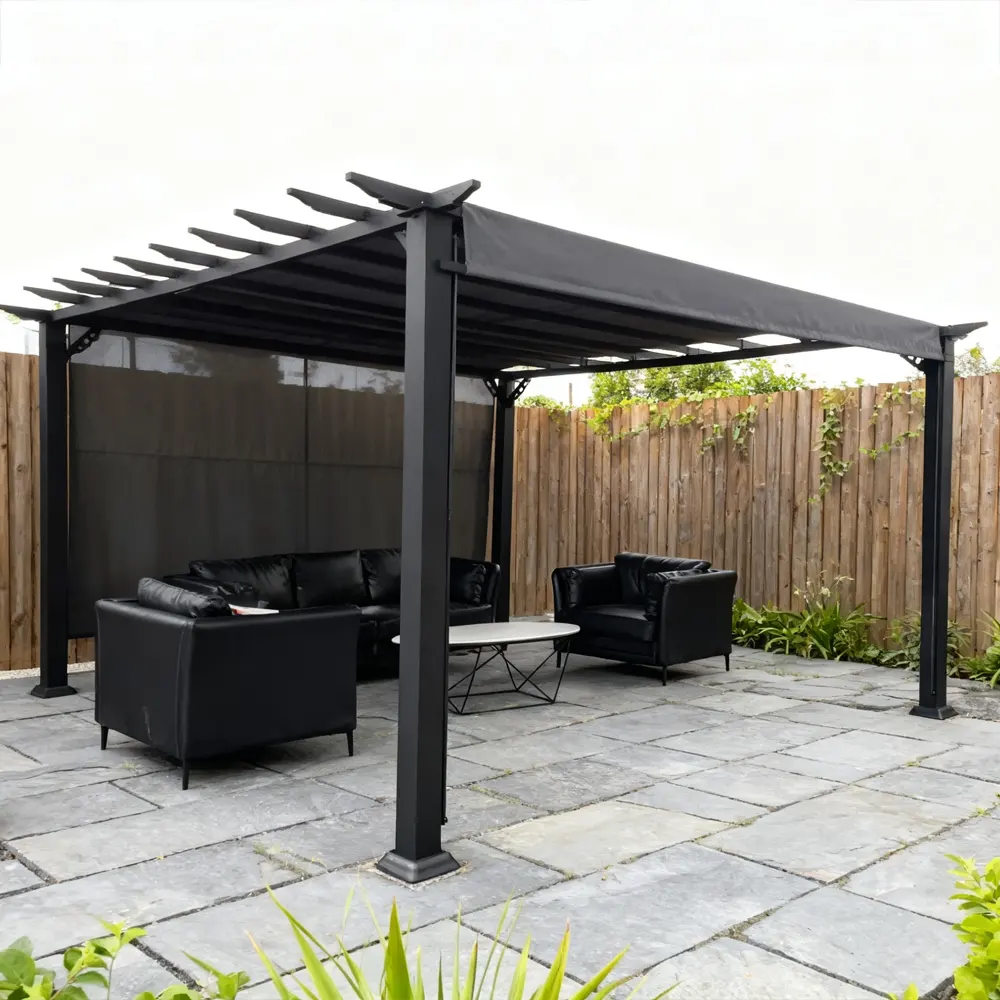
Purchasing aluminum pergolas is a significant investment for any homeowner or commercial property developer. Before committing to a purchase, understanding the safety standards that apply to aluminum pergolas is essential for ensuring structural integrity, occupant safety, and long-term durability. Many buyers focus primarily on aesthetics and price, yet overlooking compliance requirements can lead to costly repairs, liability issues, or even structural failure. Knowing what to check in advance protects your investment and gives you confidence in every outdoor space you create with aluminum pergolas.
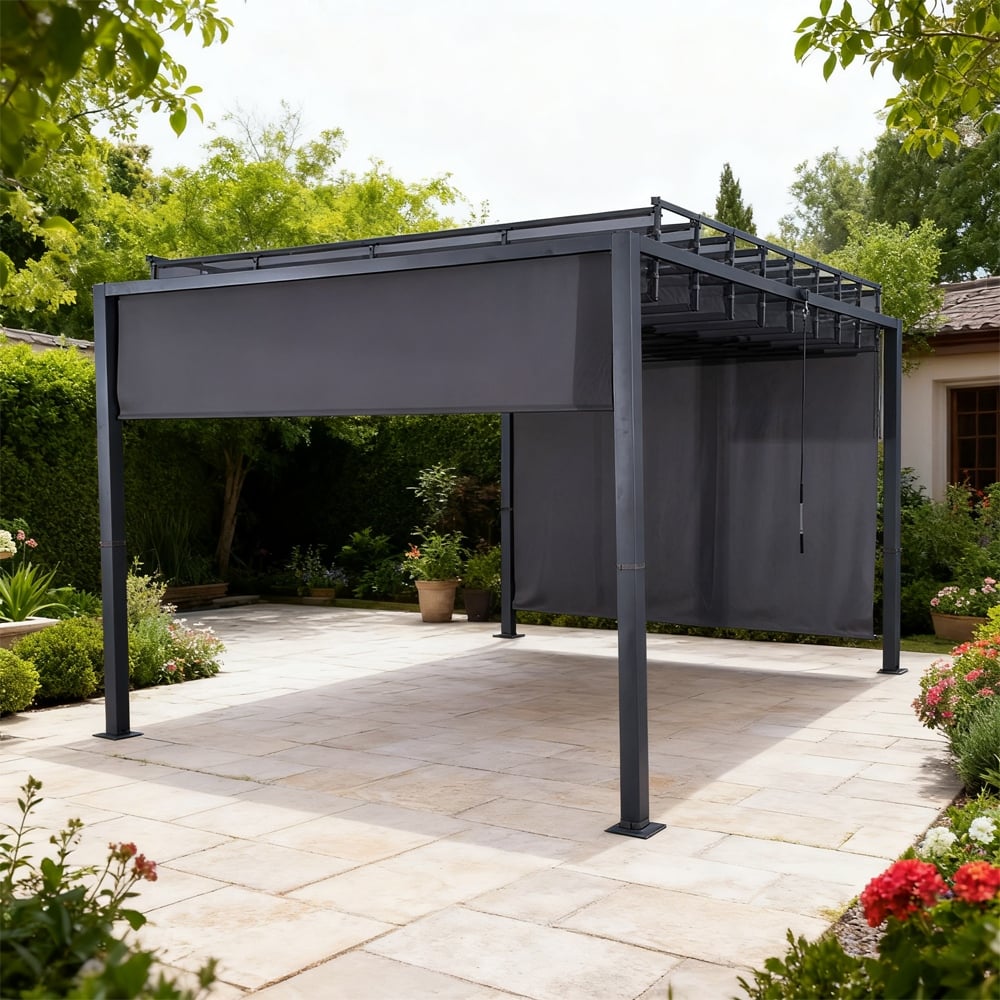
Aluminum pergolas are widely used in residential patios, commercial hospitality venues, and public recreational spaces. Because they are exposed to wind, rain, snow, and UV radiation year-round, the safety standards governing aluminum pergolas address a broad range of structural and material concerns. This article walks through the critical compliance areas buyers should verify before finalizing any purchase of aluminum pergolas, helping you make a well-informed and safety-conscious decision.
Structural Load and Wind Resistance Standards
Understanding Load Rating Requirements for Aluminum Pergolas
One of the most critical safety checks for aluminum pergolas involves structural load ratings. Load ratings define how much weight aluminum pergolas can safely support, including snow accumulation, hanging fixtures, roof panels, and any accessories attached to the frame. Buyers should request documentation confirming that aluminum pergolas have been tested for both dead loads, which are static permanent weights, and live loads, which are dynamic or temporary forces. Certified aluminum pergolas typically carry engineering reports verifying these capacities according to recognized building codes such as those outlined by the International Building Code or local municipal regulations.
When reviewing load ratings for aluminum pergolas, it is equally important to consider the connection points between posts, beams, and brackets. Aluminum pergolas with inadequate joint engineering may pass basic visual inspection but fail under combined stress. Always request third-party load test certificates for aluminum pergolas, especially if they will be installed in regions prone to heavy snowfall or frequent storm activity.
Wind Resistance Certification for Aluminum Pergolas
Wind resistance is another fundamental safety standard that must be verified before purchasing aluminum pergolas. Aluminum pergolas installed in coastal areas, open terraces, or elevated locations are exposed to significantly higher wind forces than those in sheltered urban environments. Reputable manufacturers of aluminum pergolas will provide wind load ratings, expressed in miles per hour or meters per second, that reflect the maximum wind speed the structure can withstand without deformation or collapse. These ratings for aluminum pergolas are typically derived from wind tunnel testing or computational fluid dynamics analysis conducted by certified engineering laboratories.
Buyers should match the wind resistance rating of aluminum pergolas against the historical wind speed data for their specific installation location. Local building authorities often have wind zone maps that categorize regions by risk level. Selecting aluminum pergolas with a wind resistance rating that exceeds the local requirement adds a meaningful safety margin and reduces the risk of damage during severe weather events.
Material Compliance and Corrosion Protection Standards
Aluminum Alloy Grade and Quality Certification
The material quality of aluminum pergolas directly affects their structural reliability and longevity. Aluminum pergolas are typically manufactured using 6005-T5 or 6063-T5 aluminum alloys, both of which offer an excellent balance of strength, weight, and corrosion resistance. Buyers should request material certification documents confirming that aluminum pergolas are constructed from specific verified alloy grades rather than lower-grade recycled aluminum blends that may have inconsistent mechanical properties. Material certifications for aluminum pergolas are issued by accredited metallurgical laboratories and should include tensile strength, yield strength, and elongation data.
Beyond alloy grade, the wall thickness of the extrusions used in aluminum pergolas is a direct indicator of structural strength. Aluminum pergolas with thicker wall profiles perform better under load and resist bending or twisting during high-stress conditions. Minimum wall thickness requirements for aluminum pergolas may be specified by local building codes or engineering standards, so buyers should compare manufacturer specifications against those benchmarks carefully.
Surface Treatment and Anti-Corrosion Standards for Aluminum Pergolas
Aluminum pergolas used outdoors require reliable surface treatment to resist corrosion, UV degradation, and weathering. The most common surface treatments for aluminum pergolas include powder coating and anodizing. Powder-coated aluminum pergolas should comply with standards such as AAMA 2604 or AAMA 2605, which define minimum performance requirements for outdoor coating durability, including resistance to chalking, fading, and adhesion loss over time. Anodized aluminum pergolas should meet AAMA 611 standards for anodic coating quality and thickness.
Buyers purchasing aluminum pergolas for coastal or high-humidity environments should pay particular attention to coating thickness and salt-spray test results. Aluminum pergolas with certified salt-spray resistance ratings, typically measured in hours of exposure without corrosion, are far more suitable for demanding outdoor environments than uncertified alternatives. Always ask suppliers of aluminum pergolas to provide surface treatment compliance documents before finalizing your order.
Installation Compliance and Local Building Permit Requirements
Foundation Anchoring Standards for Aluminum Pergolas
Even the best-engineered aluminum pergolas can become a safety hazard if installed incorrectly. Foundation anchoring is one of the most important installation safety elements for aluminum pergolas. Posts supporting aluminum pergolas must be anchored to concrete footings or existing slab surfaces using load-rated hardware that meets the structural engineer's specifications. The depth and diameter of concrete footings for aluminum pergolas are typically determined by local frost line depth, soil conditions, and the wind and snow loads applicable to the site.
Reputable suppliers of aluminum pergolas should be able to provide installation manuals that include detailed anchoring specifications and hardware requirements. Buyers should verify that the anchoring system supplied with aluminum pergolas meets or exceeds the minimum requirements outlined by local building codes. Substituting lower-rated hardware to reduce costs is a common but dangerous shortcut that compromises the overall safety performance of aluminum pergolas.
Permit and Inspection Requirements Before Installing Aluminum Pergolas
In many jurisdictions, aluminum pergolas above a certain size or with enclosed roofing systems require building permits and post-installation inspections. Buyers should consult their local building authority before purchasing aluminum pergolas to determine whether permits are required. Installing aluminum pergolas without necessary permits can result in fines, forced removal, or complications during property resale. Confirmed compliance with permit requirements also provides buyers with official documentation proving that aluminum pergolas were installed to code, which is valuable for insurance purposes.
FAQ
What safety certifications should I request when buying aluminum pergolas?
You should request structural load test reports, wind resistance certifications, material alloy grade certificates, and surface treatment compliance documents such as AAMA 2604 or AAMA 2605 for powder-coated aluminum pergolas. These documents confirm that the aluminum pergolas you are purchasing meet recognized safety and performance benchmarks.
Do aluminum pergolas need building permits before installation?
This depends on your local jurisdiction, the size of the aluminum pergolas, and whether they include a solid roof. Many municipalities require permits for aluminum pergolas above a specified footprint or height. Always check with your local building authority before purchasing aluminum pergolas to avoid compliance issues after installation.
How do I verify that aluminum pergolas are wind-rated for my location?
Ask the supplier for the wind load rating of the aluminum pergolas and compare it against the wind zone designation for your installation location. Local building codes or municipal planning offices can provide wind zone maps. Selecting aluminum pergolas with a wind resistance rating that exceeds the local minimum is the safest approach for long-term structural security.