 EN
EN
Installing an aluminum pergola transforms outdoor spaces into functional and aesthetically pleasing areas that enhance property value and lifestyle quality. Modern homeowners increasingly choose aluminum pergola structures for their durability, low maintenance requirements, and versatile design options. The installation process requires careful planning, proper tools, and attention to detail to ensure a successful outcome that will provide years of enjoyment and weather protection.
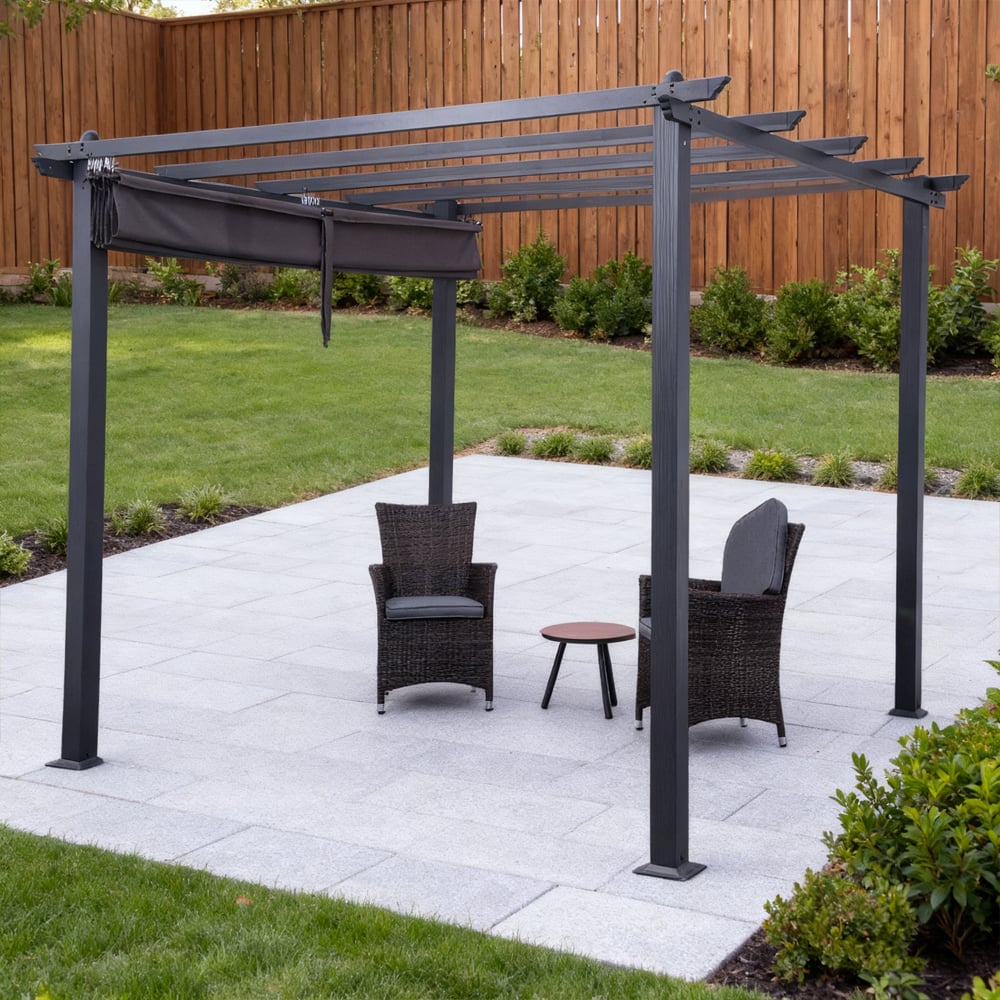
The popularity of aluminum pergola installations has grown significantly as property owners recognize the benefits of these versatile outdoor structures. Unlike traditional wood pergolas that require frequent staining and maintenance, aluminum pergola systems offer superior longevity with minimal upkeep. Professional installation ensures optimal performance and structural integrity, making the investment worthwhile for long-term outdoor enjoyment.
Pre-Installation Planning and Site Assessment
Location Selection and Measurements
Choosing the optimal location for your aluminum pergola installation requires careful consideration of multiple factors including sun exposure, wind patterns, and existing landscape features. The selected area should provide adequate clearance from property lines, utility lines, and existing structures while maximizing the functional benefits of the pergola. Accurate measurements ensure proper fit and prevent costly adjustments during installation.
Site preparation involves evaluating ground conditions, drainage patterns, and accessibility for construction equipment and materials. Level ground simplifies the aluminum pergola installation process, while sloped areas may require additional grading or foundation adjustments. Professional installers conduct thorough site assessments to identify potential challenges before beginning the installation process.
Permit Requirements and Code Compliance
Most municipalities require building permits for permanent aluminum pergola installations, particularly when structures exceed certain size thresholds or include electrical components. Local building codes dictate setback requirements, height restrictions, and structural specifications that must be followed during installation. Obtaining proper permits protects homeowners from potential legal issues and ensures compliance with safety standards.
Building code requirements vary by location but typically address foundation specifications, wind load calculations, and attachment methods for aluminum pergola structures. Professional installers understand local regulations and can navigate the permit process efficiently while ensuring all work meets or exceeds code requirements for safety and durability.
Foundation Preparation and Base Installation
Concrete Footings and Anchor Systems
Proper foundation preparation forms the cornerstone of successful aluminum pergola installation projects. Concrete footings provide the necessary stability and load distribution required to support the structure against wind loads and vertical forces. The depth and size of footings depend on local frost lines, soil conditions, and the specific aluminum pergola design specifications.
Professional installers excavate precise holes according to engineering specifications, ensuring proper depth and alignment for optimal structural performance. High-quality concrete mix and appropriate curing time create strong foundations that will support the aluminum pergola throughout its service life. Anchor bolt placement requires precision to ensure proper alignment with the pergola frame components.
Leveling and Alignment Procedures
Achieving perfect level and alignment during foundation installation prevents structural issues and ensures smooth assembly of the aluminum pergola frame components. Professional installers use laser levels and precise measuring tools to verify proper positioning of anchor points before concrete sets. Minor adjustments during this phase prevent major complications later in the installation process.
The foundation phase requires adequate curing time before proceeding with aluminum pergola assembly. Rushing this process can compromise structural integrity and void manufacturer warranties. Professional installers follow established protocols for concrete curing and foundation preparation to ensure optimal results.
Frame Assembly and Structural Installation
Component Identification and Organization
Modern aluminum pergola systems arrive with detailed component lists and assembly instructions that facilitate efficient installation when properly organized. Professional installers inventory all parts upon delivery, checking for completeness and identifying any damaged components before beginning assembly. Proper organization of hardware, brackets, and structural elements streamlines the installation process and reduces assembly time.
Each aluminum pergola component serves a specific structural purpose and must be installed according to manufacturer specifications. Quality systems include pre-drilled holes and precision-engineered connections that ensure proper fit and alignment when assembled correctly. Following systematic assembly procedures prevents errors and ensures structural integrity.
Beam Installation and Connection Methods
Installing the main support beams requires precision and often multiple installers working in coordination to manage the weight and positioning of aluminum pergola components. Professional installation teams use appropriate lifting equipment and support systems to safely position beams while maintaining proper alignment with foundation anchor points. Secure connections at this stage determine the overall stability of the completed structure.
Connection hardware must be tightened to manufacturer specifications using calibrated tools to ensure proper load distribution across the aluminum pergola frame. Over-tightening can damage components while insufficient torque compromises structural integrity. Professional installers understand proper torque specifications and use appropriate tools to achieve optimal connections.
Roofing System Installation and Weather Protection
Panel Attachment and Sealing Methods
The roofing system installation represents a critical phase of aluminum pergola construction that directly impacts weather protection and long-term performance. Modern aluminum pergola designs incorporate various roofing options including polycarbonate panels, fabric systems, or louvered designs that provide different levels of sun and rain protection. Proper installation techniques ensure weather-tight seals and prevent water infiltration.
Professional installers understand the importance of thermal expansion considerations when installing roofing components on aluminum pergola structures. Metal components expand and contract with temperature changes, requiring specific installation techniques and hardware that accommodate movement while maintaining structural integrity and weather sealing.
Drainage and Water Management
Effective water management prevents structural damage and ensures comfortable use of the aluminum pergola during various weather conditions. Proper slope calculations and gutter integration direct rainwater away from the structure and surrounding areas. Professional installation includes appropriate drainage solutions that complement the overall design while protecting the foundation and adjacent landscaping.
Aluminum pergola systems with integrated gutters require careful attention to joint sealing and proper slope calculations to ensure effective water collection and removal. Professional installers test drainage systems during installation to verify proper function and make adjustments as needed before completing the project.
Electrical Integration and Lighting Systems
Wiring Installation and Safety Considerations
Many aluminum pergola installations include integrated lighting systems that enhance evening ambiance and extend usable hours for outdoor entertaining. Electrical work requires licensed professionals who understand proper wiring methods, code requirements, and safety protocols for outdoor installations. Proper electrical integration planning occurs during the design phase to ensure adequate access and protection for wiring components.
GFCI protection and weatherproof electrical components are essential for safe aluminum pergola electrical systems. Professional electricians select appropriate fixtures, switches, and control systems that withstand outdoor conditions while providing reliable performance. Proper grounding and bonding ensure electrical safety and code compliance for the completed installation.
Lighting Design and Control Systems
Modern aluminum pergola lighting systems offer various options including LED strip lights, pendant fixtures, and integrated ceiling lights that create customizable ambiance for different occasions. Smart control systems allow remote operation and programmable lighting scenes that enhance the functionality of the outdoor space. Professional installation ensures proper integration with existing electrical systems and optimal performance.
Energy-efficient LED lighting systems reduce operating costs while providing excellent illumination for aluminum pergola installations. Professional lighting designers understand proper fixture placement, beam angles, and control integration to create functional and aesthetically pleasing lighting solutions that complement the pergola design.
Finishing Touches and Quality Assurance
Hardware Inspection and Adjustment
Final hardware inspection ensures all connections meet manufacturer specifications and local building codes for aluminum pergola installations. Professional installers verify torque specifications, check for proper alignment, and test all moving components to ensure smooth operation. This quality assurance phase prevents future maintenance issues and ensures optimal performance of the completed structure.
Adjustable components within aluminum pergola systems require proper calibration and testing to ensure smooth operation throughout their service life. Professional installers understand the importance of proper lubrication, adjustment procedures, and break-in protocols that maximize component longevity and user satisfaction.
Cleanup and Site Restoration
Professional aluminum pergola installation includes thorough cleanup and site restoration that returns the surrounding area to its original condition or better. Proper disposal of packaging materials, construction debris, and excess materials demonstrates professionalism and environmental responsibility. Site restoration may include landscape repair, concrete cleanup, and final grading to ensure a completed project that enhances property appearance.
The final walkthrough with the property owner provides an opportunity to explain aluminum pergola operation, maintenance requirements, and warranty information. Professional installers provide comprehensive documentation including care instructions, warranty details, and contact information for future service needs.
Maintenance Guidelines and Long-Term Care
Routine Cleaning and Inspection
Aluminum pergola structures require minimal maintenance compared to traditional wood alternatives, but regular cleaning and inspection ensure optimal appearance and performance. Simple washing with mild detergent and water removes accumulated dirt, pollen, and environmental contaminants that can affect the finish over time. Regular inspection identifies potential issues before they become major problems requiring expensive repairs.
Seasonal maintenance schedules help property owners maintain their aluminum pergola investment while preserving manufacturer warranties. Professional maintenance services can identify and address minor issues before they impact structural integrity or aesthetic appeal, extending the service life of the installation significantly.
Component Replacement and Upgrades
Quality aluminum pergola systems feature replaceable components that allow for repairs and upgrades without complete system replacement. Understanding which components may require periodic replacement helps property owners budget for long-term maintenance and ensures continued enjoyment of their outdoor investment. Professional service providers stock common replacement parts and understand proper installation procedures.
Upgrade opportunities may include enhanced roofing systems, improved lighting controls, or additional accessories that expand the functionality of existing aluminum pergola installations. Professional installers can evaluate upgrade compatibility and provide recommendations for improvements that enhance value and functionality.
FAQ
How long does aluminum pergola installation typically take
Professional aluminum pergola installation typically requires 2-5 days depending on size, complexity, and site conditions. Simple installations on prepared sites may complete in 2 days, while complex projects with electrical integration, custom features, or challenging site conditions may require up to a week. Weather conditions and permit approval timelines can also affect project duration.
What foundation requirements are necessary for aluminum pergola installation
Aluminum pergola installations require concrete footings sized according to local building codes and soil conditions. Typical footings measure 12-18 inches in diameter and extend below the local frost line, usually 24-48 inches deep depending on geographic location. Professional installers calculate proper footing specifications based on wind loads, pergola size, and local requirements.
Can aluminum pergolas be installed on existing patios or decks
Aluminum pergola installation on existing patios or decks requires structural evaluation to ensure adequate support capacity. Concrete patios may accommodate pergola installation with proper anchor systems, while deck installations require verification that the underlying structure can support additional loads. Professional structural assessment determines feasibility and appropriate attachment methods.
What maintenance is required for aluminum pergola systems
Aluminum pergola maintenance includes periodic cleaning with mild detergent, inspection of hardware connections, and lubrication of moving components. Annual professional inspection can identify potential issues early and ensure optimal performance. Unlike wood pergolas, aluminum systems do not require staining, sealing, or painting, significantly reducing maintenance requirements and long-term costs.
Table of Contents
- Pre-Installation Planning and Site Assessment
- Foundation Preparation and Base Installation
- Frame Assembly and Structural Installation
- Roofing System Installation and Weather Protection
- Electrical Integration and Lighting Systems
- Finishing Touches and Quality Assurance
- Maintenance Guidelines and Long-Term Care
- FAQ