 EN
EN
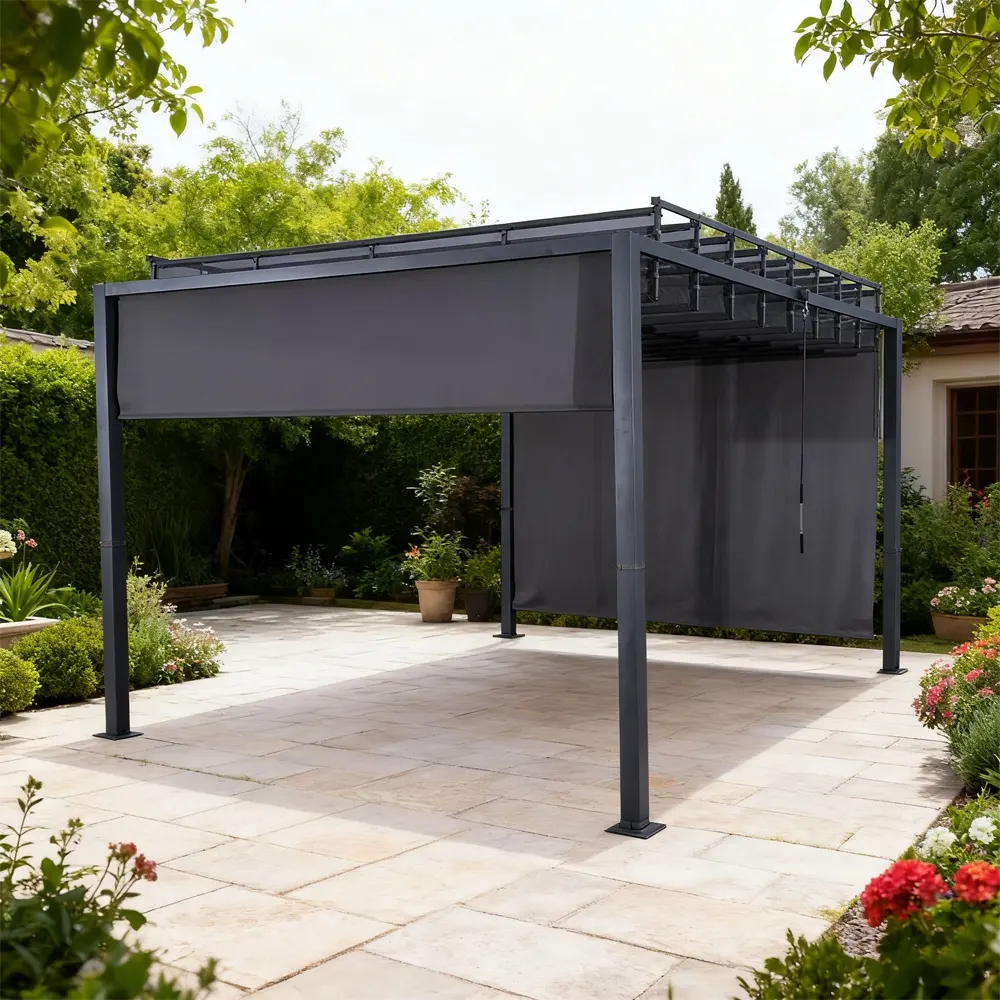
Transforming your outdoor living space into a comfortable retreat requires careful consideration of shade solutions, and patio umbrellas stand as one of the most versatile and effective options available. These essential outdoor accessories provide protection from harsh sunlight while adding aesthetic appeal to gardens, decks, poolside areas, and commercial spaces. Whether you're hosting summer gatherings or seeking a peaceful spot for morning coffee, the right shade solution can dramatically enhance your outdoor experience and extend the usable hours of your patio throughout the day.
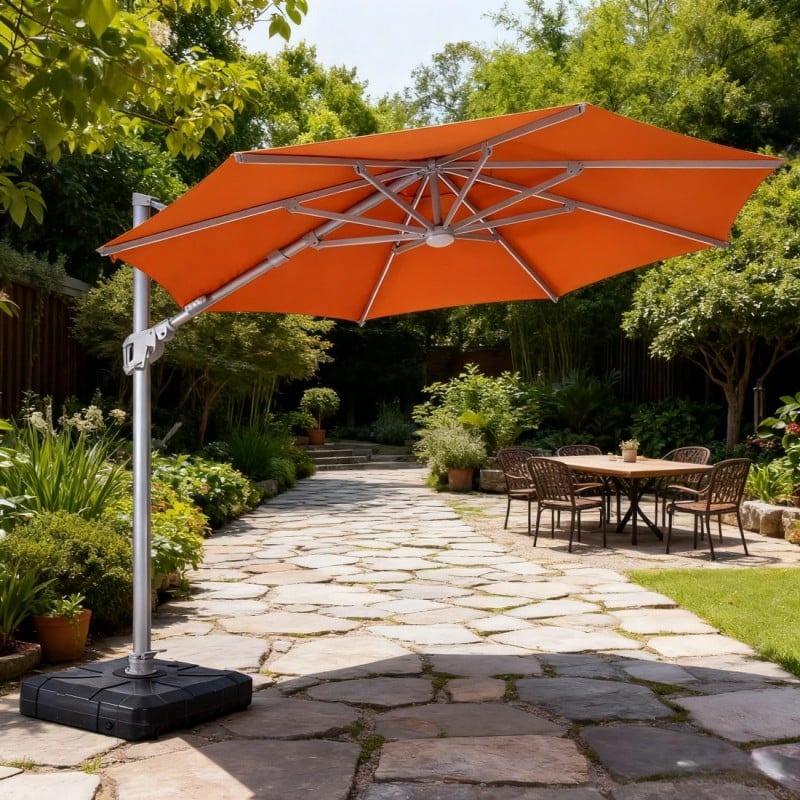
Modern outdoor shade solutions have evolved significantly from simple beach umbrellas to sophisticated engineering marvels that combine durability, functionality, and style. Today's market offers an extensive range of designs, from compact market-style options perfect for intimate dining areas to grand cantilever models that can shade entire entertainment zones. Understanding the various types, materials, and features available helps homeowners and business owners make informed decisions that align with their specific needs, budget constraints, and aesthetic preferences.
Types and Styles of Outdoor Shade Solutions
Market Style Designs
Market style patio umbrellas represent the classic choice for most residential and commercial applications, featuring a traditional center pole design that provides reliable shade coverage. These versatile options typically range from six to eleven feet in diameter, making them suitable for standard dining tables, lounge areas, and bistro settings. The center pole construction offers excellent stability when properly weighted, while the straightforward design ensures easy operation and maintenance throughout the outdoor season.
The appeal of market style designs lies in their adaptability to various outdoor furniture arrangements and their ability to complement different architectural styles. Many models feature tilt mechanisms that allow users to adjust the angle throughout the day, following the sun's path to maintain optimal shade coverage. Premium versions often include features like wind vents, fade-resistant fabrics, and corrosion-resistant hardware that extends their lifespan in challenging outdoor environments.
Cantilever and Offset Configurations
Cantilever patio umbrellas, also known as offset or side-post designs, offer maximum flexibility by positioning the support structure away from the shaded area. This innovative approach eliminates the center pole obstacle, creating unobstructed space underneath that's perfect for large dining tables, conversation sets, or poolside lounging areas. The offset design allows for 360-degree rotation in many models, enabling users to adjust shade coverage without moving furniture or disrupting outdoor activities.
These sophisticated shade solutions typically feature robust engineering with reinforced ribs, heavy-duty bases, and advanced tilt mechanisms that provide precise control over shade positioning. While cantilever models generally require a higher initial investment, their versatility and space efficiency make them increasingly popular for both residential patios and commercial hospitality applications where maximizing usable space is essential.
Material Considerations and Durability Factors
Fabric Technology and Performance
The fabric selection for patio umbrellas significantly impacts both performance and longevity, with modern materials offering impressive resistance to fading, water damage, and mildew formation. Solution-dyed acrylic fabrics have become the gold standard for premium outdoor applications, providing excellent color retention and UV protection while maintaining breathability that prevents heat buildup underneath. These advanced materials often carry warranties of five years or more, reflecting their superior durability compared to traditional polyester alternatives.
Specialty coatings and treatments further enhance fabric performance, with options like Teflon finishes providing stain resistance and easy cleaning capabilities. Some manufacturers incorporate specialized weaves that block up to 98% of harmful UV rays while still allowing gentle breezes to pass through, creating comfortable microclimates that encourage extended outdoor use. Understanding fabric specifications helps consumers select patio umbrellas that will maintain their appearance and functionality for many seasons of outdoor enjoyment.
Frame Construction and Hardware Quality
The structural integrity of patio umbrellas depends heavily on frame materials and construction quality, with aluminum and steel representing the most common choices for residential applications. Marine-grade aluminum offers exceptional corrosion resistance and lightweight handling, making it ideal for areas with high humidity or salt air exposure. The powder-coating process adds an extra layer of protection while enabling attractive color options that complement outdoor décor schemes.
Premium models often feature reinforced stress points, upgraded hardware, and innovative joint designs that withstand repeated opening and closing cycles. Wind-resistant features like flexible ribs, breakaway mechanisms, and specialized venting systems help protect the structure during unexpected weather events. Investing in quality construction pays dividends through reduced maintenance requirements and extended service life, making it worthwhile to consider these factors when evaluating different options.
Size Selection and Coverage Planning
Determining Optimal Dimensions
Selecting the appropriate size for patio umbrellas requires careful measurement of the area to be shaded, considering both current furniture arrangements and potential future changes. A general rule suggests choosing a canopy diameter that extends at least two feet beyond the edges of dining tables or seating areas to provide adequate coverage for all occupants. For rectangular tables, this typically translates to umbrellas measuring eight to eleven feet in diameter, while smaller bistro settings may only require six to seven-foot options.
Coverage calculations should also account for the sun's movement throughout the day and the desired level of shade density. Areas used primarily during peak sun hours benefit from larger canopies, while spaces utilized mainly during morning or evening hours may function well with more modest dimensions. Professional outdoor designers often recommend slightly oversizing shade solutions to accommodate future patio expansions or changes in furniture layouts.
Multiple Unit Configurations
Large outdoor spaces may benefit from multiple patio umbrellas strategically positioned to create comprehensive shade coverage while maintaining visual appeal. This approach allows for flexible arrangements that can be adjusted based on the number of guests, weather conditions, or specific activities taking place. Coordinating colors, styles, and sizes creates cohesive outdoor environments that feel intentionally designed rather than randomly assembled.
Commercial applications often employ systematic umbrella spacing to maximize customer comfort while ensuring efficient service access. Hotels, restaurants, and resorts frequently use standardized models that simplify maintenance and replacement procedures while creating recognizable brand aesthetics. Understanding these professional approaches can inform residential decisions about creating sophisticated outdoor entertaining environments.
Installation and Maintenance Best Practices
Proper Setup Procedures
Successful installation of patio umbrellas begins with selecting appropriate base weights that provide adequate stability for the specific model and local wind conditions. Freestanding units typically require bases weighing 50 to 100 pounds or more, depending on canopy size and expected weather exposure. Table-mounted options need secure clamping mechanisms and proper hole sizing to prevent wobbling or damage during use.
Location selection plays a crucial role in both performance and safety, with considerations including overhead clearances, proximity to structures, and potential wind tunnel effects. Professional installation may be warranted for permanent installations or complex cantilever systems that require precise positioning and substantial foundation work. Following manufacturer specifications ensures warranty protection and optimal performance throughout the product's service life.
Seasonal Care and Storage
Regular maintenance extends the life of patio umbrellas significantly, with simple procedures like periodic cleaning, fabric inspection, and hardware lubrication preventing most common problems. Gentle washing with mild soap solutions removes accumulated dirt and organic matter that can promote fabric degradation or hardware corrosion. Allowing complete drying before closure prevents mold and mildew formation that can permanently stain or weaken fabric materials.
Seasonal storage requirements vary by climate and product construction, with many regions requiring complete disassembly and indoor storage during winter months. Protective covers designed specifically for outdoor shade products provide intermediate protection for areas with mild winter conditions. Proper storage techniques preserve both aesthetic appeal and structural integrity, ensuring that patio umbrellas emerge ready for another season of reliable service.
Commercial Applications and Business Benefits
Hospitality Industry Applications
The hospitality sector relies heavily on patio umbrellas to create comfortable outdoor dining and entertainment environments that extend operational seasons and increase revenue potential. Restaurants with outdoor seating areas can significantly expand their capacity during warm months by providing adequate shade that encourages customers to linger longer and return more frequently. Quality shade solutions also protect staff members working in outdoor service areas, improving working conditions and reducing heat-related stress.
Hotel pool areas, resort courtyards, and event venues benefit from professional-grade installations that withstand constant use and varying weather conditions. Commercial models often feature enhanced wind resistance, flame-retardant fabrics, and modular designs that facilitate efficient setup and breakdown for special events. The investment in quality outdoor shade infrastructure typically generates positive returns through increased customer satisfaction and expanded operational capabilities.
Retail and Public Space Enhancement
Shopping centers, farmers markets, and public gathering spaces increasingly incorporate patio umbrellas as essential infrastructure that enhances visitor comfort and encourages longer stays. These applications require durable materials and robust construction to withstand heavy use, weather exposure, and potential vandalism. Coordinated color schemes and branding opportunities make these installations valuable marketing tools that reinforce business identity while providing practical benefits.
Municipal applications include parks, recreational facilities, and outdoor event venues where reliable shade provision supports community health and wellness initiatives. Grant funding and public-private partnerships sometimes support these installations, recognizing the public health benefits of encouraging outdoor activity while protecting citizens from harmful UV exposure. Understanding these broader applications helps businesses and organizations recognize the strategic value of investing in quality outdoor shade solutions.
Technology Integration and Smart Features
Automated Operation Systems
Modern patio umbrellas increasingly incorporate technology features that enhance convenience and safety through automated operation systems. Remote control mechanisms allow users to open, close, and adjust positioning without leaving their seats, while smart sensors can automatically retract canopies when wind speeds exceed safe thresholds. These features prove particularly valuable for large cantilever models that may be difficult to operate manually or for elderly users who struggle with traditional crank mechanisms.
Solar-powered LED lighting systems integrated into umbrella designs extend usable hours into evening periods while eliminating the need for external power sources. Battery backup systems ensure reliable operation even during cloudy periods, while programmable timers can automate lighting schedules for consistent ambiance. These technological enhancements transform basic shade providers into sophisticated outdoor living accessories that support extended entertainment and relaxation activities.
Weather Monitoring and Protection
Advanced weather monitoring capabilities help protect both users and equipment through real-time assessment of environmental conditions. Wind sensors connected to automatic retraction systems prevent damage during sudden storms, while UV monitoring features can alert users when protection levels decline due to fabric aging or positioning changes. Some systems integrate with home automation platforms, allowing coordination with other outdoor systems like irrigation, lighting, and security equipment.
Smartphone applications provide remote monitoring and control capabilities that prove particularly valuable for commercial installations or vacation properties where physical presence may be intermittent. Maintenance alerts, usage statistics, and performance data help optimize operation schedules and identify potential issues before they become serious problems. These technological capabilities represent the evolution of simple shade devices into comprehensive outdoor comfort management systems.
Sustainability and Environmental Considerations
Eco-Friendly Material Options
Environmental consciousness increasingly influences selection criteria for patio umbrellas, with manufacturers responding by developing sustainable materials and production processes. Recycled aluminum frames, organic cotton fabrics, and water-based finishing processes reduce environmental impact while maintaining performance standards. Some companies offer take-back programs for end-of-life products, ensuring responsible disposal and material recovery that supports circular economy principles.
Durability itself represents an important sustainability factor, as longer-lasting products reduce replacement frequency and associated environmental costs. Quality construction, repairable designs, and readily available replacement parts extend useful life significantly compared to disposable alternatives. Consumers increasingly recognize that investing in premium products with extended warranties often proves more environmentally responsible than repeatedly purchasing cheaper alternatives.
Energy Efficiency and Climate Benefits
Effective outdoor shade provision can reduce energy consumption in adjacent buildings by lowering cooling loads and creating comfortable outdoor alternatives to air-conditioned indoor spaces. Studies demonstrate that proper shading can reduce surface temperatures by 20-40 degrees, creating microclimates that extend comfortable outdoor periods without mechanical cooling. This natural climate control supports sustainable lifestyle choices while reducing utility costs and environmental impact.
Urban heat island effects benefit from widespread adoption of outdoor shade structures that reduce surface heating and promote evapotranspiration through associated landscaping. Commercial and residential developments increasingly recognize shade provision as essential infrastructure that supports community resilience and adaptation to changing climate conditions. Strategic deployment of patio umbrellas contributes to these broader environmental benefits while providing immediate comfort and utility to users.
Cost Analysis and Investment Considerations
Initial Purchase Factors
Investment in quality patio umbrellas involves balancing initial costs against expected performance, durability, and feature sets that align with specific usage requirements. Entry-level models suitable for occasional use may cost significantly less than commercial-grade installations designed for daily operation in challenging environments. Understanding the relationship between price and performance helps buyers make informed decisions that optimize value over the product's expected service life.
Professional consultation services can provide valuable guidance for complex installations or commercial applications where proper selection significantly impacts operational success. Design services, site evaluation, and installation supervision ensure optimal results while protecting warranty coverage and safety compliance. These additional costs often prove worthwhile for high-stakes applications where performance failures could result in customer dissatisfaction or safety liability.
Long-Term Value Assessment
Total cost of ownership calculations should include maintenance requirements, replacement part availability, and expected service life when comparing different options. Premium products with higher initial costs may deliver superior long-term value through reduced maintenance needs, longer warranties, and better performance retention. Seasonal storage costs, cleaning requirements, and repair frequency all influence the true cost of ownership over time.
Financing options and bulk purchase discounts can make quality installations more accessible for commercial applications or large residential projects. Some manufacturers offer lease programs or seasonal rental arrangements that provide access to premium products without large capital investments. Understanding these alternatives helps organizations and individuals access appropriate shade solutions within their budget constraints while maintaining performance and aesthetic standards.
FAQ
How do I determine the right size for my outdoor space
Measuring your existing furniture and adding two feet of clearance on all sides provides a good starting point for sizing patio umbrellas. Consider the sun's path throughout the day and any seasonal changes in furniture arrangements. For dining areas, ensure the canopy covers all chairs when pulled out from the table, while lounge areas benefit from broader coverage that accommodates movement and multiple seating options.
What maintenance is required to keep them in good condition
Regular cleaning with mild soap and water prevents dirt accumulation that can damage fabrics and hardware. Allow complete drying before closing to prevent mold and mildew formation. Lubricate moving parts seasonally and inspect fabric and frame connections for wear or damage. Store properly during winter months in harsh climates, and address any issues promptly to prevent minor problems from becoming major repairs.
Can these products withstand strong winds and storms
Quality patio umbrellas designed for outdoor use include wind-resistant features like flexible ribs, venting systems, and breakaway mechanisms that protect the structure during moderate wind events. However, most manufacturers recommend closing and securing units when winds exceed 20-25 mph to prevent damage. Proper weighting and secure installation significantly improve wind resistance, but extreme weather events may still require protective action.
What is the typical lifespan of quality outdoor shade products
Well-constructed patio umbrellas with proper care and maintenance typically last 5-10 years or more, depending on usage frequency, weather exposure, and construction quality. Premium materials like solution-dyed acrylics and marine-grade aluminum can extend service life significantly compared to budget alternatives. Replacement parts availability and warranty coverage also influence practical lifespan, as minor repairs can often extend useful life well beyond initial expectations.
Table of Contents
- Types and Styles of Outdoor Shade Solutions
- Material Considerations and Durability Factors
- Size Selection and Coverage Planning
- Installation and Maintenance Best Practices
- Commercial Applications and Business Benefits
- Technology Integration and Smart Features
- Sustainability and Environmental Considerations
- Cost Analysis and Investment Considerations
- FAQ