 EN
EN
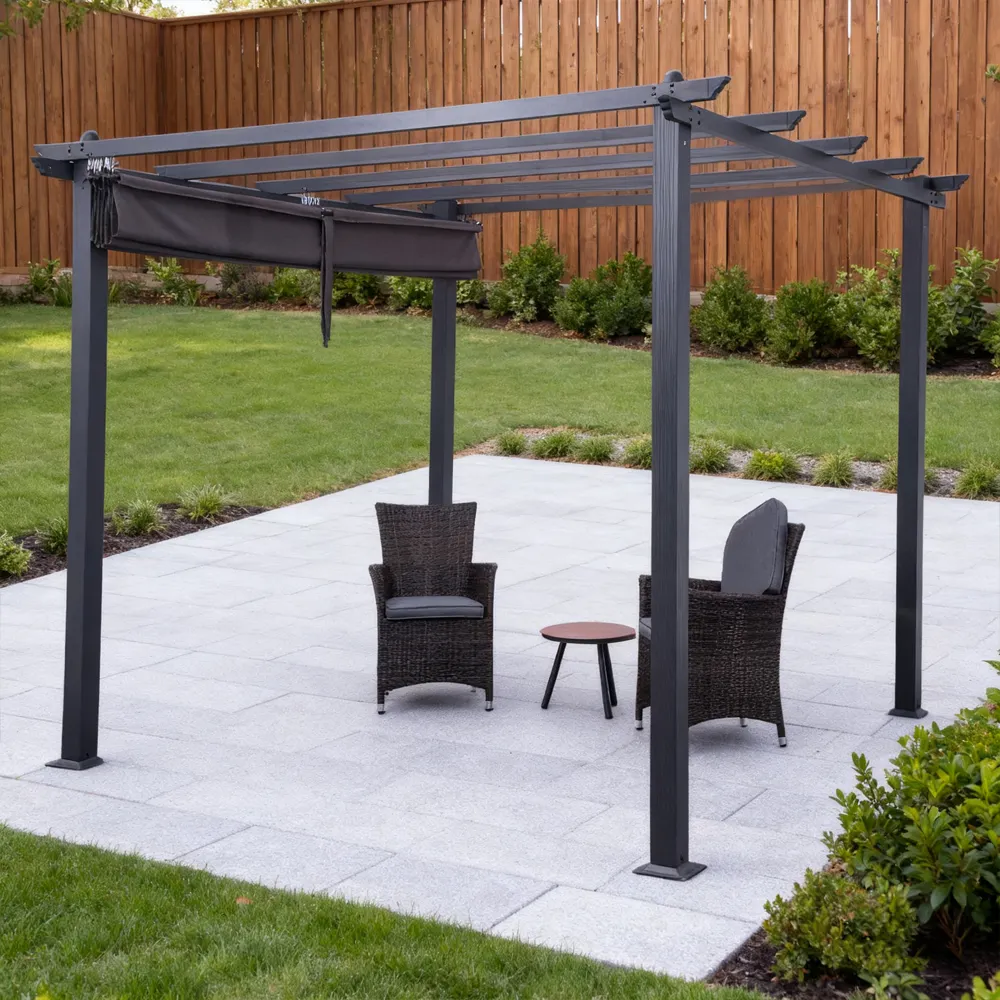
Creating the perfect outdoor living space requires careful consideration of various structural elements that provide both functionality and aesthetic appeal. An aluminum pergola serves as an excellent architectural feature that transforms any backyard, patio, or garden area into a sophisticated outdoor retreat. These versatile structures offer the ideal balance between open-air freedom and protective coverage, making them increasingly popular among homeowners seeking to enhance their outdoor environments.
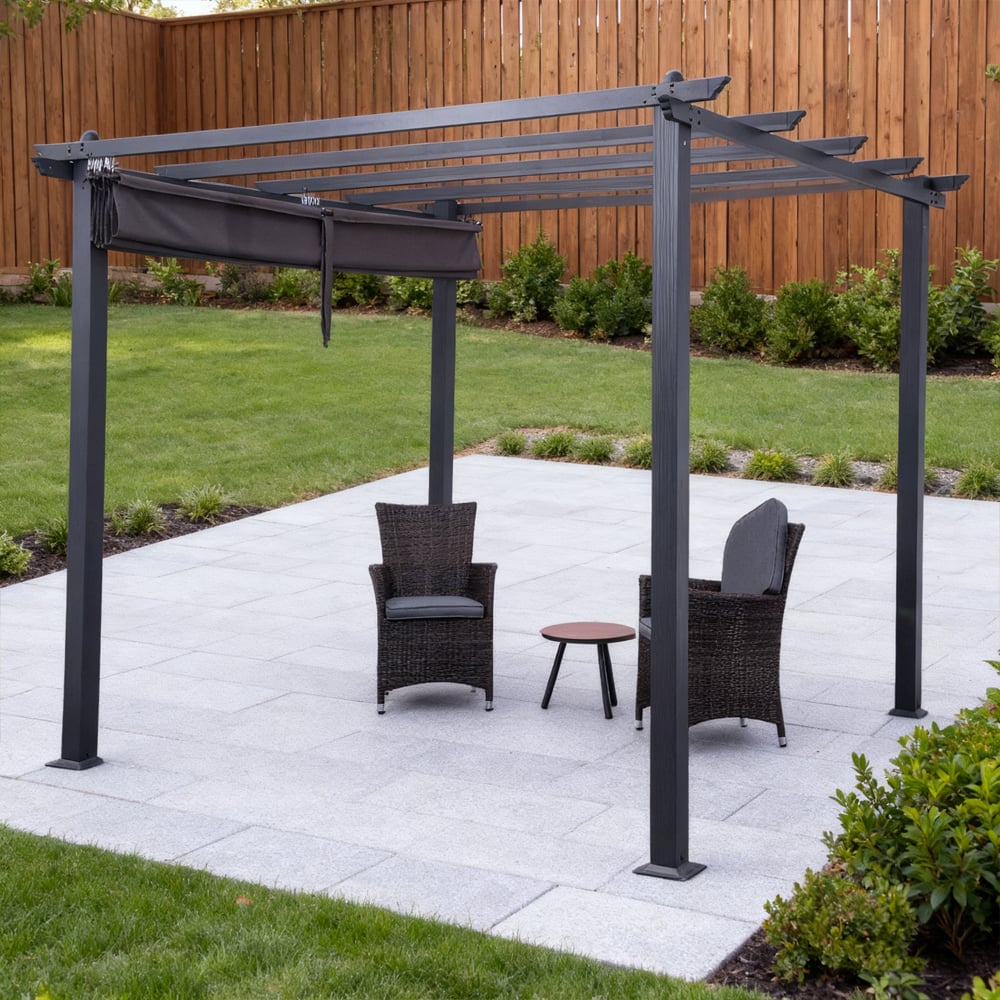
The selection process for an outdoor pergola involves multiple factors that directly impact both the immediate functionality and long-term satisfaction with your investment. Modern aluminum pergola designs have evolved significantly, offering superior durability, weather resistance, and maintenance convenience compared to traditional wooden alternatives. Understanding the key considerations for choosing the right pergola ensures that your outdoor space enhancement project delivers maximum value and enjoyment for years to come.
Beyond mere shelter provision, contemporary pergola structures serve as focal points that define outdoor living zones and create intimate spaces for relaxation, entertainment, and dining. The right aluminum pergola can seamlessly integrate with existing landscape features while providing the structural foundation for additional outdoor amenities such as lighting systems, retractable canopies, or climbing vegetation that adds natural beauty and privacy to your outdoor sanctuary.
Understanding Pergola Materials and Construction Quality
Aluminum Versus Traditional Materials
When evaluating pergola materials, aluminum consistently emerges as the superior choice for outdoor applications due to its exceptional resistance to environmental factors that typically damage other materials. Unlike wood, which requires regular staining, sealing, and replacement of deteriorated sections, an aluminum pergola maintains its structural integrity and appearance with minimal maintenance requirements. This material advantage becomes particularly evident in regions with harsh weather conditions, high humidity, or significant temperature fluctuations throughout seasonal cycles.
The lightweight nature of aluminum construction facilitates easier installation procedures while maintaining impressive load-bearing capabilities that support various accessory additions. Modern aluminum pergola manufacturing processes incorporate advanced powder coating techniques that provide enhanced corrosion resistance and color retention, ensuring that your outdoor structure maintains its attractive appearance despite continuous exposure to ultraviolet radiation, moisture, and temperature extremes.
Comparative analysis of material longevity reveals that quality aluminum structures typically outlast wooden alternatives by decades, making them cost-effective investments despite potentially higher initial purchase prices. The recyclable nature of aluminum also aligns with environmental sustainability goals, as these structures can be completely recycled at the end of their useful life without contributing to landfill waste accumulation.
Structural Engineering and Load Requirements
Proper pergola design must account for local building codes, wind load requirements, and snow load calculations that vary significantly based on geographical location and climate patterns. Professional aluminum pergola manufacturers typically provide engineered drawings and load calculations that ensure compliance with local building standards while maximizing structural safety and longevity. These engineering considerations become critically important when planning to add retractable canopies, lighting systems, or other accessories that increase wind resistance and weight loads.
Foundation requirements for aluminum pergola installation depend on soil conditions, local frost line depths, and anticipated load factors that influence footing design and concrete specifications. Proper foundation preparation ensures long-term structural stability and prevents settling, shifting, or other movement that could compromise the pergola's integrity or appearance over time. Professional installation teams understand these requirements and can recommend appropriate foundation solutions for specific site conditions.
Connection hardware quality significantly impacts overall structural performance, with premium aluminum pergola systems utilizing stainless steel or galvanized fasteners that resist corrosion and maintain connection strength throughout the structure's lifespan. Inferior hardware components often represent the weakest link in pergola construction, potentially leading to premature failure or safety concerns that require costly repairs or complete replacement.
Size and Scale Considerations for Optimal Space Utilization
Measuring and Planning Your Available Space
Accurate space measurement forms the foundation of successful pergola selection, requiring careful consideration of existing structures, utility lines, property boundaries, and future landscape modifications that might affect pergola placement or sizing. An appropriately sized aluminum pergola should provide adequate coverage for intended activities while maintaining proportional relationships with surrounding architectural elements and landscape features that create visual harmony rather than overwhelming the available space.
Standard pergola dimensions typically range from compact 8x10 foot units suitable for intimate seating areas to expansive 16x20 foot structures that accommodate large dining sets, outdoor kitchens, or entertainment zones. The selection process should account for furniture placement requirements, circulation space around seating areas, and clearance distances from property lines or existing structures that might be mandated by local zoning regulations or homeowner association guidelines.
Ceiling height considerations become particularly important when planning pergola placement near existing structures or in areas with overhead obstacles such as tree branches, utility lines, or architectural features. Most aluminum pergola designs offer standard heights between 8 and 10 feet, with custom options available for specific applications that require different clearance requirements or aesthetic proportions that complement existing outdoor architecture.
Proportional Balance and Visual Integration
Visual balance between pergola size and surrounding landscape elements prevents the structure from appearing either lost in large spaces or overwhelming in confined areas. Professional landscape designers often recommend that aluminum pergola dimensions complement rather than compete with existing architectural features, creating cohesive outdoor environments that enhance property value and aesthetic appeal.
Sight line considerations from interior spaces ensure that pergola placement enhances rather than obstructs desirable views from windows, doors, or outdoor seating areas. Strategic positioning can frame attractive landscape features while screening less desirable elements such as neighboring structures, utility areas, or busy streets that might detract from the peaceful ambiance of your outdoor retreat.
Scale relationships between pergola dimensions and furniture selections require coordinated planning to ensure that seating arrangements, dining tables, and other outdoor furnishings fit comfortably within the covered area while leaving adequate circulation space. Oversized pergolas can make furniture appear diminutive and lost, while undersized structures may create cramped conditions that limit functionality and comfort.
Style and Design Options for Enhanced Outdoor Aesthetics
Architectural Style Integration
Contemporary aluminum pergola designs offer extensive customization options that allow seamless integration with various architectural styles, from traditional colonial and craftsman designs to modern minimalist and industrial aesthetics. The selection process should consider existing home architecture, landscape design themes, and personal style preferences that create cohesive outdoor environments reflecting your unique taste and lifestyle requirements.
Color selection plays a crucial role in visual integration, with powder-coated aluminum pergola finishes available in numerous standard and custom colors that complement exterior paint schemes, roofing materials, and landscape hardscaping elements. Neutral colors such as white, bronze, and charcoal provide versatile options that coordinate well with most architectural styles, while bold colors can create dramatic focal points or accent existing design features.
Roof design options range from traditional flat-slat configurations to curved, pitched, or specialty geometric patterns that add visual interest and complement specific architectural themes. Some aluminum pergola systems offer interchangeable roof components that allow seasonal modifications or future design updates without requiring complete structure replacement, providing long-term flexibility as tastes and needs evolve.
Customization and Accessory Integration
Modern aluminum pergola systems accommodate various accessory additions that enhance functionality and comfort, including retractable canopy systems, integrated lighting solutions, ceiling fans, and privacy screens that transform basic structures into comprehensive outdoor living spaces. Planning for future accessory additions during the initial selection process ensures compatibility and prevents costly modifications or replacements later.
Canopy integration options provide variable shade control and weather protection, with motorized retractable systems offering convenient operation and extended pergola usability during various weather conditions. Quality canopy materials resist fading, mildew, and weather damage while providing effective sun protection and rain coverage that extends outdoor season enjoyment significantly.
Lighting integration capabilities allow for ambiance creation and extended evening usage, with options ranging from simple string light attachments to sophisticated integrated LED systems that provide task lighting for dining areas or accent lighting for landscape features. Proper electrical planning during pergola installation facilitates future lighting additions and ensures safe, code-compliant installations that enhance both functionality and safety.
Installation Requirements and Site Preparation
Professional Installation Versus DIY Considerations
While some aluminum pergola kits include detailed instructions for do-it-yourself installation, professional installation typically ensures proper foundation preparation, accurate assembly, and compliance with local building codes that protect your investment and ensure long-term performance. Professional installers possess specialized tools, experience with various site conditions, and knowledge of permit requirements that can prevent costly mistakes or safety issues.
Site preparation requirements vary significantly based on soil conditions, drainage patterns, and existing landscape features that may require modification or protection during installation. Professional assessment can identify potential issues such as underground utilities, poor drainage, or soil stability problems that might affect pergola placement or require additional preparation work before installation begins.
Permit requirements for aluminum pergola installation depend on local building codes, structure size, and proximity to property lines or existing buildings that may trigger review processes. Professional installers typically handle permit applications and ensure that installations meet all applicable codes and regulations, protecting homeowners from potential legal issues or insurance complications.
Timeline and Project Coordination
Installation timelines for aluminum pergola projects typically range from one to three days, depending on structure complexity, site conditions, and weather factors that may affect construction schedules. Proper project coordination ensures that site preparation, delivery scheduling, and installation timing align with other outdoor projects or landscape modifications that might be occurring simultaneously.
Weather considerations play important roles in installation timing, as concrete work requires appropriate temperature and moisture conditions for proper curing, while assembly work may be delayed by high winds, rain, or extreme temperatures that affect worker safety or material handling. Flexible scheduling accommodates weather delays while ensuring quality installation results.
Post-installation cleanup and landscape restoration typically require additional time and coordination to ensure that installation activities don't cause permanent damage to existing landscape features, irrigation systems, or hardscaping elements that add value and beauty to your outdoor environment.
Maintenance and Long-Term Care Requirements
Routine Maintenance Procedures
Aluminum pergola maintenance requirements remain minimal compared to wooden alternatives, typically involving periodic cleaning, hardware inspection, and accessory maintenance that preserve appearance and functionality with modest time and cost investments. Regular cleaning with mild detergent and water removes accumulated dirt, pollen, and environmental contaminants that might affect appearance or promote corrosion in connection areas.
Hardware inspection should occur annually to identify loose connections, worn components, or signs of corrosion that might require attention before they develop into larger problems. Quality aluminum pergola systems use corrosion-resistant fasteners that maintain their integrity for decades, but periodic inspection ensures continued safety and performance throughout the structure's lifespan.
Seasonal maintenance tasks include checking and cleaning gutters if installed, inspecting canopy systems for wear or damage, and ensuring that drainage areas around footings remain clear of debris that might affect water flow or create standing water conditions that could undermine foundation stability.
Longevity and Performance Optimization
Proper maintenance extends aluminum pergola lifespan significantly, with quality structures lasting several decades when properly cared for and protected from unnecessary abuse or neglect. Performance optimization involves addressing minor issues promptly, maintaining accessory systems according to manufacturer recommendations, and protecting the structure from potential damage sources such as falling branches or inappropriate loading conditions.
Warranty considerations vary among manufacturers, with reputable companies typically offering comprehensive coverage for materials, workmanship, and finish quality that provides peace of mind and protection against manufacturing defects or premature failure. Understanding warranty terms and maintenance requirements ensures that coverage remains valid throughout the warranty period and that any issues receive prompt resolution.
Upgrade potential allows for future enhancements and modifications that extend pergola functionality and adapt to changing needs or preferences over time. Quality aluminum pergola systems accommodate various upgrades such as improved canopy systems, enhanced lighting options, or additional accessories that increase enjoyment and utility without requiring complete replacement of the basic structure.
FAQ
What size aluminum pergola works best for a standard patio
For most standard patios ranging from 12x12 to 16x20 feet, an aluminum pergola measuring 10x12 to 12x16 feet provides optimal coverage while maintaining proper proportions and allowing adequate circulation space around furniture arrangements. The pergola should cover approximately 60-70% of the available patio space to avoid overwhelming the area while providing sufficient shade and defined space for outdoor activities.
How long does aluminum pergola installation typically take
Professional aluminum pergola installation usually requires 1-3 days depending on structure size, complexity, and site conditions. Simple installations on prepared concrete pads may complete in one day, while larger custom structures requiring foundation work, electrical connections, or significant site preparation may extend to 2-3 days. Weather conditions and permit requirements can affect timeline schedules.
Do aluminum pergolas require building permits
Building permit requirements for aluminum pergolas vary by local jurisdiction, structure size, and proximity to property lines or existing buildings. Many areas require permits for structures exceeding certain dimensions or height limits, while some locations exempt smaller pergolas from permit requirements. Consulting with local building departments or professional installers helps determine specific permit needs for your project.
What maintenance does an aluminum pergola need annually
Annual aluminum pergola maintenance involves cleaning with mild soap and water, inspecting hardware connections for tightness, checking for any signs of wear or damage, and maintaining any integrated accessories such as canopies or lighting systems. Most quality aluminum pergolas require minimal maintenance beyond basic cleaning and occasional hardware checks, making them low-maintenance outdoor structure options compared to wood alternatives.