
 EN
EN
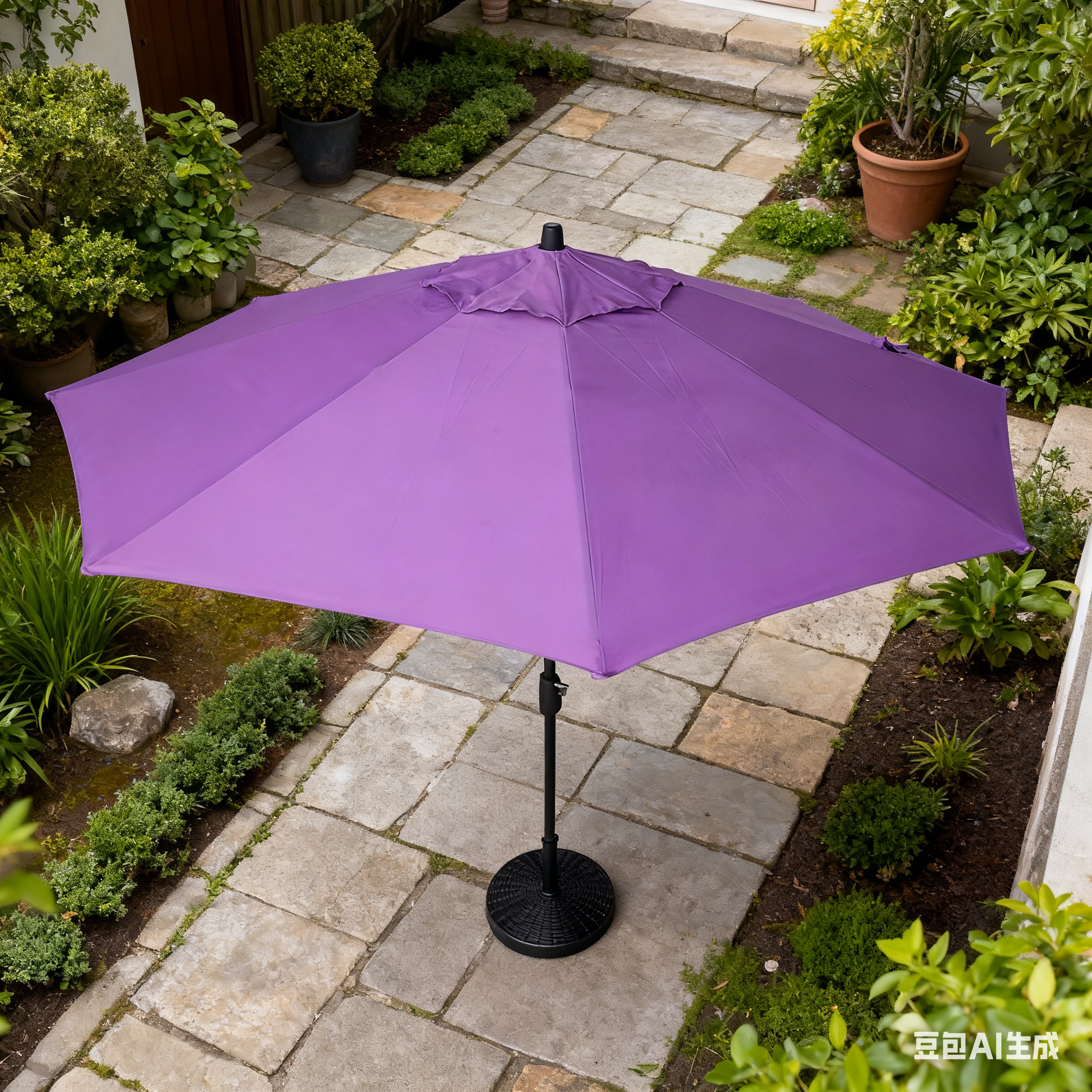
Selecting the perfect garden umbrella transforms outdoor spaces into comfortable retreats where relaxation and entertainment flourish. A well-chosen garden umbrella provides essential shade protection while enhancing the aesthetic appeal of patios, decks, and landscaped areas. Modern homeowners increasingly recognize that the right garden umbrella serves as both a functional necessity and a stylistic statement that complements existing outdoor furniture and architectural elements. Understanding the various features, materials, and design options available ensures that your investment delivers long-lasting performance and visual satisfaction throughout multiple seasons of outdoor enjoyment.
Essential Features for Optimal Garden Umbrella Performance
Canopy Size and Coverage Considerations
The canopy dimensions of your garden umbrella directly impact the amount of shade coverage and the number of people who can comfortably gather beneath it. Standard residential garden umbrella sizes range from compact seven-foot models suitable for intimate bistro settings to expansive thirteen-foot options that accommodate large dining tables and multiple seating arrangements. Measuring your intended coverage area before purchase ensures adequate shade protection during peak sun hours while maintaining proportional balance with surrounding outdoor elements.
Professional landscape designers recommend selecting a garden umbrella with a canopy diameter that extends at least two feet beyond the perimeter of your primary seating or dining area. This additional coverage accounts for sun angle variations throughout the day and provides flexibility for repositioning outdoor furniture as needed. Octagonal and rectangular canopy shapes offer different coverage patterns, with rectangular designs providing more targeted shade for elongated spaces such as outdoor dining areas or poolside lounging zones.
Frame Construction and Durability Standards
The structural integrity of a garden umbrella depends heavily on frame materials and construction techniques that withstand various weather conditions and regular usage demands. Aluminum frames offer excellent corrosion resistance and lightweight portability, making them ideal for residential applications where frequent repositioning may be necessary. Steel frame garden umbrellas provide superior strength and stability for commercial or high-wind environments, though they require protective coatings to prevent rust formation over time.
Premium garden umbrella models incorporate reinforced joint construction, multiple pivot points, and heavy-duty hardware that ensures smooth operation and extended service life. Cross-bracing elements and reinforced rib structures distribute wind loads evenly across the canopy surface, reducing stress concentrations that could lead to premature failure. Quality manufacturers typically provide detailed specifications regarding wind resistance ratings and structural load limits to help consumers make informed decisions based on their local climate conditions.
Fabric Selection and Weather Resistance Properties
UV Protection and Fade Resistance Technologies
Modern garden umbrella fabrics incorporate advanced textile technologies that provide superior ultraviolet radiation protection while maintaining vibrant colors throughout extended outdoor exposure. Solution-dyed acrylic fabrics represent the gold standard for residential garden umbrellas, offering exceptional fade resistance and consistent color retention even under intense sunlight conditions. These premium materials typically provide UPF ratings of fifty or higher, blocking ninety-eight percent of harmful UV rays that can cause skin damage during prolonged outdoor activities.
Polyester fabrics treated with specialized UV-blocking compounds offer cost-effective alternatives for garden umbrella applications where moderate protection levels meet user requirements. However, these materials may experience gradual color fading and reduced protective capabilities over several seasons of intensive use. When evaluating fabric options, consider the orientation of your outdoor space, daily sun exposure duration, and local climate intensity to select appropriate protection levels that match your specific usage patterns and performance expectations.
Water Resistance and Maintenance Requirements
Effective water resistance prevents moisture accumulation that can lead to mold growth, fabric deterioration, and structural damage in garden umbrella systems. High-quality fabrics feature water-repellent treatments that cause rainwater to bead and roll off the canopy surface rather than soaking into the material fibers. This characteristic reduces drying time after precipitation events and minimizes the risk of water pooling that could stress the frame structure or create unsanitary conditions.
Regular maintenance practices significantly extend the service life of your garden umbrella while preserving its appearance and functionality. Gentle cleaning with mild soap solutions removes accumulated dirt and organic debris that can compromise fabric treatments and create staining. Proper storage during harsh weather conditions and seasonal off-periods protects both fabric and frame components from unnecessary wear and environmental damage that reduces overall performance and aesthetic appeal.
Base and Mounting Solutions for Garden Umbrellas
Weighted Base Systems and Stability Factors
Selecting an appropriate base system ensures safe and stable operation of your garden umbrella under various wind conditions and usage scenarios. Weighted bases typically range from fifty to one hundred fifty pounds, with heavier options providing enhanced stability for larger canopy sizes and windier locations. Concrete-filled, water-filled, and sand-filled bases each offer distinct advantages regarding portability, storage convenience, and long-term stability performance.
Professional installation guidelines recommend matching base weight to canopy size according to manufacturer specifications, with additional weight considerations for elevated locations or areas prone to gusty wind conditions. Wheeled base systems facilitate easy repositioning while maintaining adequate stability, particularly beneficial for residential applications where shade requirements change throughout the day. Quality base designs incorporate secure umbrella pole attachment mechanisms that prevent accidental separation during operation while allowing smooth height and angle adjustments.
Permanent Installation and Anchoring Methods
Permanent mounting solutions provide maximum stability for garden umbrellas in commercial applications or residential settings where frequent repositioning is unnecessary. In-ground sleeve installations allow for secure pole insertion while maintaining the flexibility to remove the umbrella during severe weather events or seasonal storage periods. Concrete footings and deck-mounted anchoring systems distribute structural loads effectively while ensuring compliance with local building codes and safety regulations.
Professional contractors typically recommend permanent installations for garden umbrella applications where consistent positioning and maximum stability are priorities. These mounting methods require careful planning regarding utility line locations, drainage considerations, and future landscape modifications that might affect umbrella placement. Proper installation depth and reinforcement specifications ensure long-term structural integrity while providing the foundation for years of reliable shade protection and outdoor comfort.
Style Integration and Design Harmony
Color Coordination and Aesthetic Balance
Successful garden umbrella selection involves careful consideration of color schemes that complement existing outdoor furniture, architectural elements, and landscape features. Neutral tones such as beige, gray, and navy provide versatile options that harmonize with various design styles while offering timeless appeal that transcends seasonal trends. Bold accent colors can create striking focal points when balanced appropriately with surrounding elements, though they may require more frequent updates to maintain contemporary relevance.
Professional designers often recommend selecting garden umbrella colors that either match dominant hues in the outdoor space or provide controlled contrast that enhances visual interest without creating overwhelming competition. Striped patterns and multi-tonal fabrics offer sophisticated alternatives that introduce texture and depth while maintaining coordination with existing design elements. Consider the backdrop against which your garden umbrella will be viewed, including building facades, fencing, and natural vegetation that influence overall visual composition.
Architectural Style Compatibility
Different architectural styles benefit from specific garden umbrella designs that enhance rather than conflict with established aesthetic themes. Traditional residential settings often favor classic round canopies with scalloped edges and warm fabric tones that echo historical design principles. Contemporary homes may benefit from sleek rectangular garden umbrellas with clean lines and monochromatic color schemes that complement modern architectural elements and minimalist landscape designs.
Mediterranean and tropical architectural styles can accommodate more adventurous garden umbrella choices, including vibrant colors, decorative fringe elements, and exotic fabric patterns that celebrate regional design traditions. Industrial and urban settings may require garden umbrellas with robust construction details and sophisticated color palettes that withstand harsh environmental conditions while providing refined aesthetic appeal. Matching the scale and proportion of your garden umbrella to the architectural context ensures harmonious integration that enhances overall property value and visual appeal.
Operational Features and User Convenience
Opening and Closing Mechanisms
Modern garden umbrella designs incorporate user-friendly operating systems that simplify daily setup and storage procedures while ensuring reliable performance over extended usage periods. Crank-operated mechanisms provide effortless opening and closing capabilities, particularly beneficial for larger canopy sizes that would be difficult to manage manually. Push-button tilt functions allow precise shade angle adjustments throughout the day without requiring complete umbrella repositioning or complex hardware manipulations.
Pulley and rope systems offer traditional operation methods that appeal to users who prefer manual control and simplified mechanical components with minimal maintenance requirements. Quality garden umbrella models feature smooth-operating mechanisms with adequate gear ratios that prevent excessive force requirements during normal operation. Auto-lock features prevent accidental closure during use while ensuring secure positioning that maintains shade coverage and user safety under typical wind conditions.
Tilt and Rotation Capabilities
Advanced tilt mechanisms expand the versatility of garden umbrellas by enabling precise shade positioning that follows sun movement patterns throughout the day. Multi-position tilt systems typically offer several preset angles that accommodate different sun elevations and user preferences without requiring complex adjustments or specialized tools. Continuous tilt mechanisms provide infinite positioning options within the operational range, allowing for customized shade angles that optimize comfort levels during various outdoor activities.
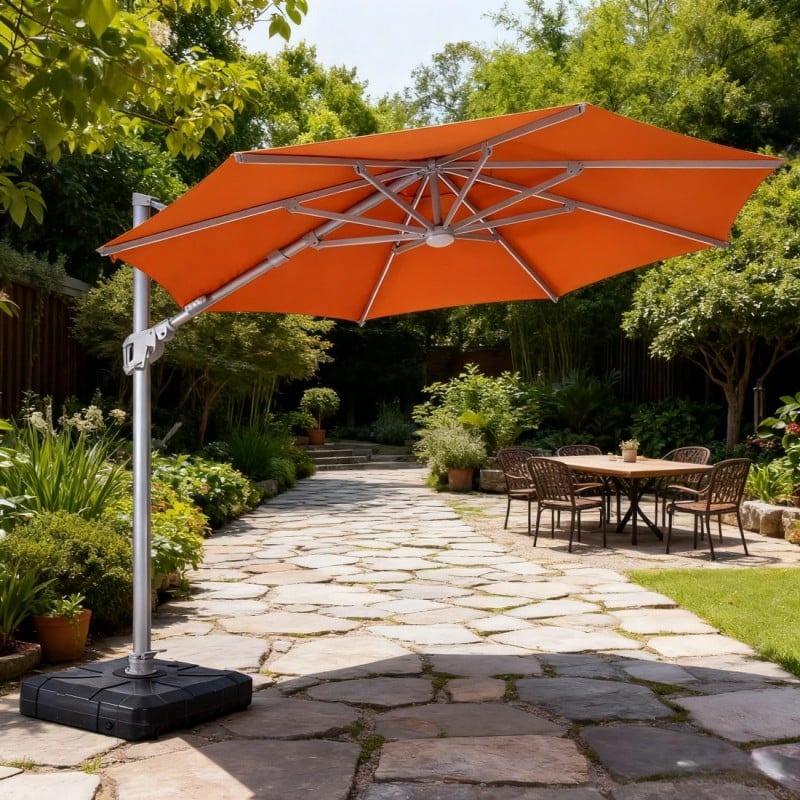
Cantilever garden umbrella designs often incorporate rotation features that enable 360-degree canopy positioning around a fixed base point, maximizing shade coverage flexibility for irregular seating arrangements or changing usage patterns. Quality rotation mechanisms include secure locking systems that prevent unwanted movement while maintaining smooth operation when adjustments are desired. These features significantly enhance the practical value of garden umbrella investments by extending their usefulness throughout different times of day and seasonal sun angle variations.
FAQ
What size garden umbrella is appropriate for a standard outdoor dining table
For a standard six-person rectangular dining table measuring approximately sixty by thirty-six inches, a nine to eleven-foot garden umbrella provides optimal coverage that extends beyond the table perimeter while accommodating chair placement. Round dining tables typically require garden umbrellas with diameters two to three feet larger than the table diameter to ensure adequate shade protection for all seated guests. Consider the maximum number of people you regularly entertain and allow additional coverage for comfortable movement around the dining area.
How much weight is needed in a garden umbrella base for safe operation
Base weight requirements vary according to canopy size, local wind conditions, and installation location, with general guidelines recommending approximately ten pounds of base weight per foot of canopy diameter. A nine-foot garden umbrella typically requires a ninety-pound base for stable operation under normal conditions, while larger umbrellas or windier locations may need proportionally heavier bases. Manufacturers provide specific weight recommendations based on their testing and design specifications, which should be followed for optimal safety and performance.
Can garden umbrellas withstand strong winds without damage
Most residential garden umbrellas are designed to operate safely in wind speeds up to twenty-five miles per hour, though this varies significantly based on construction quality, canopy size, and base stability. Quality models include wind-resistant features such as wind vents, flexible rib systems, and breakaway mechanisms that prevent catastrophic damage during unexpected gusts. During severe weather conditions or when sustained winds exceed manufacturer recommendations, garden umbrellas should be closed and secured to prevent damage and ensure user safety.
What maintenance is required to keep a garden umbrella in good condition
Regular garden umbrella maintenance includes monthly cleaning with mild soap and water to remove dirt and organic debris, inspection of moving parts for smooth operation, and proper storage during harsh weather conditions or extended non-use periods. Fabric treatments may require annual reapplication to maintain water resistance and UV protection properties, while frame components benefit from periodic lubrication of pivot points and mechanical systems. Prompt attention to minor repairs prevents more serious damage and extends the overall service life of your garden umbrella investment.