
 EN
EN
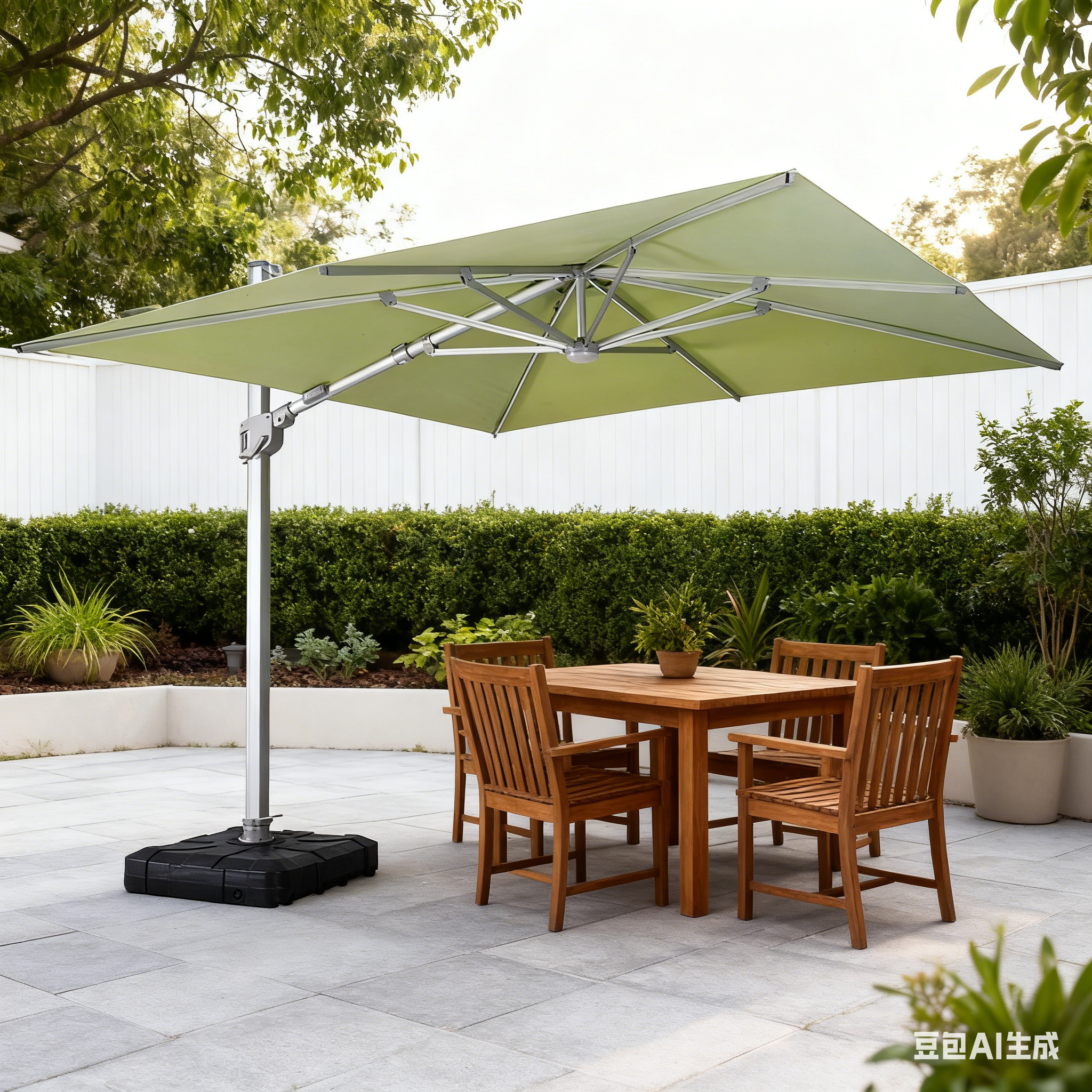
Modern outdoor spaces require lighting solutions that combine aesthetic appeal with environmental responsibility. The evolution of garden lighting has brought forth innovative solar garden light technologies that transform landscapes while reducing energy consumption. These advanced lighting systems harness renewable solar energy to illuminate pathways, highlight architectural features, and create ambient outdoor environments without the complexity of traditional electrical installations.
Contemporary homeowners and landscape designers increasingly prioritize sustainable lighting options that deliver both functionality and visual impact. The integration of photovoltaic technology into garden lighting represents a significant advancement in outdoor illumination, offering versatile solutions for residential and commercial applications. Understanding the various types of energy-efficient garden lighting enables property owners to make informed decisions that align with their aesthetic preferences and environmental goals.
Understanding Solar Garden Light Technology
Photovoltaic Cell Mechanisms
The foundation of every solar garden light system relies on sophisticated photovoltaic cells that convert sunlight into electrical energy. These semiconductor devices utilize the photovoltaic effect to generate direct current electricity when exposed to solar radiation. Modern solar panels incorporate monocrystalline or polycrystalline silicon cells that achieve efficiency ratings between fifteen and twenty percent, ensuring optimal energy conversion even in partially shaded conditions.
Advanced solar garden light designs integrate high-performance photovoltaic arrays with intelligent charging controllers that regulate power flow to prevent battery overcharging and extend system lifespan. The positioning and angle of solar panels significantly impact energy collection efficiency, with optimal installations capturing maximum solar exposure throughout daylight hours. Quality solar garden light units feature weather-resistant enclosures that protect sensitive electronic components while maintaining aesthetic appeal.
Battery Storage Systems
Energy storage represents a critical component of solar garden light functionality, determining illumination duration and reliability during extended cloudy periods. Lithium-ion batteries have become the preferred choice for premium solar garden light applications due to their superior energy density, longer cycle life, and consistent performance across temperature variations. These advanced battery systems typically provide eight to twelve hours of continuous illumination following a complete solar charge cycle.
Battery management systems within sophisticated solar garden light units monitor charge levels, temperature conditions, and discharge rates to optimize performance and longevity. Proper battery sizing ensures adequate power reserves for multiple consecutive nights of operation, providing reliable illumination regardless of weather conditions. The integration of smart charging algorithms prevents deep discharge cycles that could compromise battery lifespan and overall system reliability.
LED Integration and Efficiency Benefits
Light-Emitting Diode Technology
Light-emitting diodes represent the optimal illumination source for solar garden light applications, offering exceptional energy efficiency and extended operational lifespans. LED technology consumes significantly less power compared to traditional incandescent or fluorescent alternatives while producing superior light output and color consistency. Modern LED arrays in solar garden light systems achieve luminous efficacy ratings exceeding 100 lumens per watt, maximizing illumination while minimizing energy consumption.
The integration of high-quality LED chips ensures consistent color temperature and brightness throughout the operational lifespan, typically exceeding 25,000 hours of continuous use. Advanced thermal management systems within solar garden light fixtures prevent LED degradation caused by excessive heat buildup, maintaining optimal performance and extending component longevity. The directional nature of LED emission enables precise beam control and targeted illumination without unnecessary light spillage.
Color Temperature Options
Contemporary solar garden light designs offer various color temperature selections to complement different landscape aesthetics and functional requirements. Warm white LEDs (2700K-3000K) create inviting ambient environments suitable for entertaining areas and relaxation spaces, while cool white options (4000K-5000K) provide crisp illumination ideal for security applications and pathway lighting. The selection of appropriate color temperature significantly impacts the visual atmosphere and perceived comfort of outdoor spaces.
Tunable LED systems allow users to adjust color temperature and intensity based on specific requirements or seasonal preferences. Advanced solar garden light controllers enable programmable lighting schedules that automatically adjust brightness levels throughout the evening hours, conserving battery power while maintaining adequate illumination. The availability of colored LED options expands creative possibilities for decorative lighting applications and special events.
Design Variations and Aesthetic Considerations
Contemporary Geometric Forms
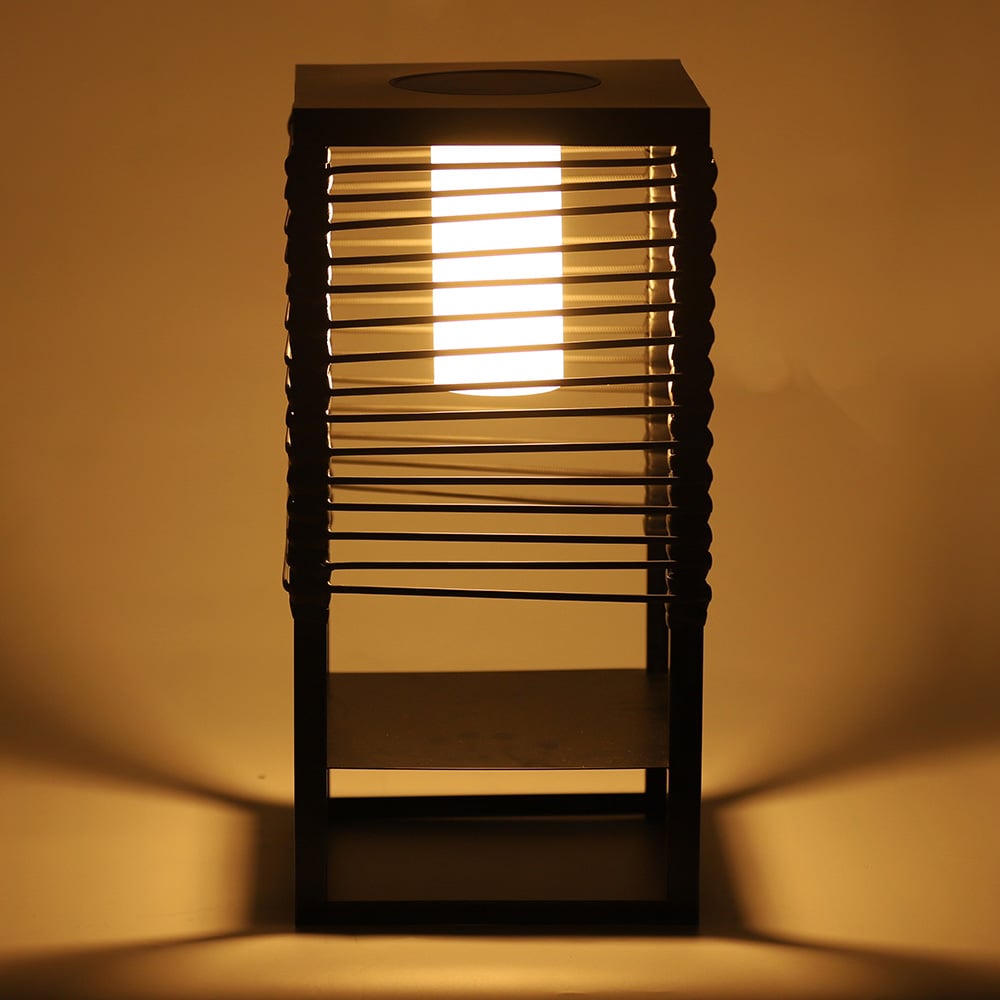
Modern solar garden light designs embrace minimalist geometric forms that complement contemporary architectural styles and landscape designs. Cuboid, cylindrical, and spherical configurations offer clean lines and sophisticated aesthetics that integrate seamlessly with modern outdoor environments. The solar garden light market includes innovative designs that combine functional illumination with sculptural elements, creating focal points that enhance landscape visual appeal during both day and night hours.
Material selection plays a crucial role in achieving desired aesthetic outcomes while ensuring durability and weather resistance. Premium materials such as powder-coated aluminum, stainless steel, and weather-resistant polymers provide long-term performance while maintaining attractive appearances. The integration of natural materials like rattan or wood accents creates organic visual connections that complement planted areas and outdoor furniture selections.
Installation Flexibility
The wireless nature of solar garden light systems provides unprecedented installation flexibility compared to traditional wired lighting solutions. Ground-mounted spike fixtures enable easy positioning along pathways, garden borders, and planted areas without excavation or electrical connections. Post-mounted options offer elevated illumination suitable for larger areas and can be relocated as landscape designs evolve over time.
Wall-mounted solar garden light configurations provide accent lighting for architectural features, fencing, and outdoor structures while conserving ground space. The absence of electrical wiring eliminates safety concerns associated with buried cables and reduces installation costs significantly. Modular mounting systems allow for future expansion or reconfiguration without substantial infrastructure modifications.
Performance Optimization Strategies
Solar Panel Positioning
Optimal solar panel positioning maximizes energy collection efficiency and ensures consistent solar garden light performance throughout varying seasonal conditions. South-facing orientations typically provide the best solar exposure in northern hemisphere installations, while adjustable mounting systems accommodate specific site conditions and seasonal sun angle variations. The elimination of shading from buildings, trees, or other structures significantly improves energy collection and system reliability.
Regular cleaning and maintenance of solar panel surfaces prevent dirt, debris, and weather-related buildup that can reduce energy collection efficiency. Professional installation services evaluate site-specific conditions to determine optimal placement strategies that maximize solar exposure while maintaining aesthetic appeal. The consideration of future landscape growth ensures long-term performance as vegetation matures and potentially creates shading issues.
Smart Control Features
Advanced solar garden light systems incorporate intelligent control features that optimize energy consumption and enhance user convenience. Motion sensors activate full brightness illumination when movement is detected, returning to dimmed ambient levels during periods of inactivity to conserve battery power. Programmable timers enable customized lighting schedules that accommodate specific usage patterns and preferences.
Wireless connectivity options allow remote monitoring and control through smartphone applications, enabling users to adjust settings, monitor battery levels, and receive maintenance alerts. Smart systems can integrate with existing home automation platforms to coordinate outdoor lighting with indoor systems and security features. The availability of group control functions enables synchronized operation of multiple solar garden light units throughout large outdoor spaces.
Environmental Impact and Sustainability
Carbon Footprint Reduction
The adoption of solar garden light technology contributes significantly to reducing residential and commercial carbon footprints by eliminating dependence on grid electricity for outdoor illumination. Solar-powered systems generate zero direct emissions during operation while utilizing renewable energy sources that do not deplete natural resources. The environmental benefits compound over the operational lifespan, typically spanning ten to fifteen years for quality installations.
Lifecycle assessments demonstrate that solar garden light systems offset their manufacturing carbon footprint within two to three years of operation, providing net environmental benefits throughout their extended service lives. The elimination of underground electrical infrastructure reduces environmental disruption during installation and eliminates ongoing energy consumption associated with traditional lighting systems. These sustainability advantages align with growing environmental consciousness among property owners and regulatory requirements for energy-efficient building practices.
Material Recyclability
Modern solar garden light manufacturers prioritize material selection and design approaches that facilitate end-of-life recycling and minimize environmental impact. Aluminum housings, steel mounting components, and glass solar panels can be efficiently recycled through established industrial processes. LED components contain minimal toxic materials compared to traditional lighting technologies, simplifying disposal procedures and reducing environmental concerns.
Battery recycling programs enable responsible disposal of lithium-ion and other battery technologies used in solar garden light applications. Manufacturers increasingly offer take-back programs that ensure proper recycling of electronic components and materials when systems reach end-of-life. The modular design of quality solar garden light systems enables component replacement rather than complete unit disposal, extending overall system lifespan and reducing waste generation.
Cost Analysis and Return on Investment
Initial Investment Considerations
The initial cost of premium solar garden light installations typically exceeds comparable traditional lighting systems due to the integration of photovoltaic panels, battery storage, and advanced control electronics. However, the elimination of electrical installation requirements, trenching costs, and ongoing energy consumption creates significant long-term economic advantages. Professional cost analyses demonstrate positive return on investment within three to five years for most residential and commercial applications.
Quality solar garden light systems require minimal ongoing maintenance compared to traditional electrical installations, reducing long-term operational costs and service requirements. The absence of electrical connections eliminates safety inspections, ground fault circuit interrupter testing, and potential electrical system upgrades. These factors contribute to lower total cost of ownership despite higher initial investment requirements.
Energy Savings Calculations
Detailed energy savings calculations for solar garden light installations consider local electricity rates, usage patterns, and system specifications to determine actual cost reductions. Typical residential garden lighting applications consume between 200 and 500 watts of electrical power during evening hours, resulting in substantial monthly energy costs when operated throughout the year. Solar alternatives eliminate these ongoing expenses while providing equivalent or superior illumination levels.
The calculation of return on investment must account for increasing electricity rates over time, as utility costs typically rise annually due to infrastructure upgrades and regulatory requirements. Solar garden light systems provide protection against future energy cost increases while maintaining consistent performance throughout their operational lifespan. Regional incentives and rebate programs may further improve economic benefits and accelerate payback periods.
FAQ
How long do solar garden lights typically operate each night
Quality solar garden light systems typically provide eight to twelve hours of continuous illumination following a complete daytime charging cycle. The actual operating duration depends on factors including solar panel size, battery capacity, LED power consumption, and local weather conditions. Premium systems with larger battery capacities can maintain illumination for multiple consecutive nights during periods of limited solar exposure.
What maintenance is required for solar garden lighting systems
Solar garden light maintenance requirements are minimal compared to traditional electrical systems. Regular cleaning of solar panel surfaces ensures optimal energy collection, while periodic inspection of mounting hardware and connections maintains system reliability. Battery replacement may be necessary every three to five years depending on usage patterns and environmental conditions, though quality lithium-ion systems often exceed these timeframes.
Can solar garden lights function effectively in partially shaded locations
Modern solar garden light designs can operate in partially shaded conditions, though performance may be reduced compared to full-sun installations. Advanced photovoltaic cells maintain energy collection capabilities even with limited direct sunlight exposure. However, optimal performance requires several hours of direct solar exposure daily, making site evaluation important for determining installation feasibility and expected performance levels.
Are solar garden lights suitable for year-round outdoor use
Quality solar garden light systems are designed for continuous outdoor operation throughout all seasons and weather conditions. Weather-resistant housings protect internal components from rain, snow, and temperature extremes while maintaining consistent performance. Cold weather may slightly reduce battery capacity, but quality systems include temperature compensation features that ensure reliable operation in challenging environmental conditions.