 EN
EN
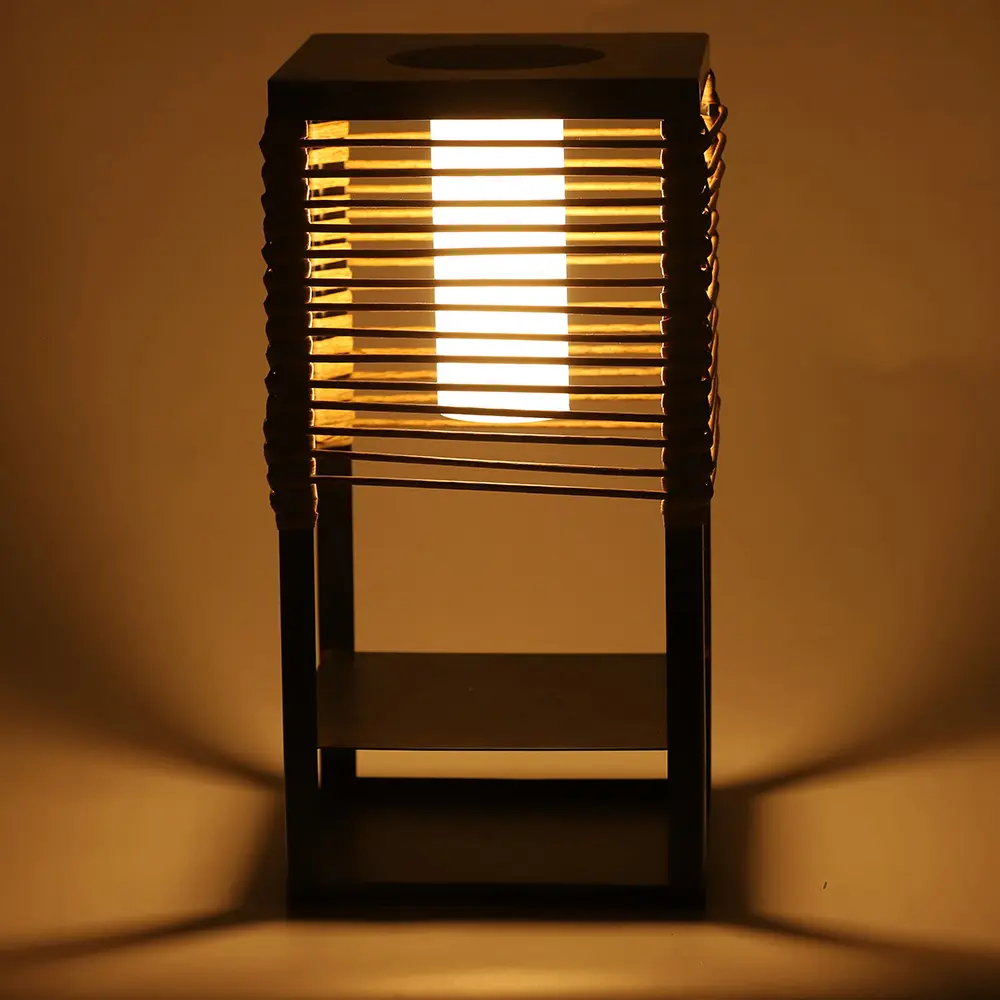
Selecting the right garden umbrella requires careful evaluation of three critical factors that directly impact your outdoor living investment. When comparing garden umbrellas, homeowners and commercial property managers must weigh cost considerations against long-term durability expectations while ensuring the chosen style complements their outdoor aesthetic. This comprehensive comparison examines how these three elements interact to determine the overall value and satisfaction you'll experience with your garden umbrella selection.
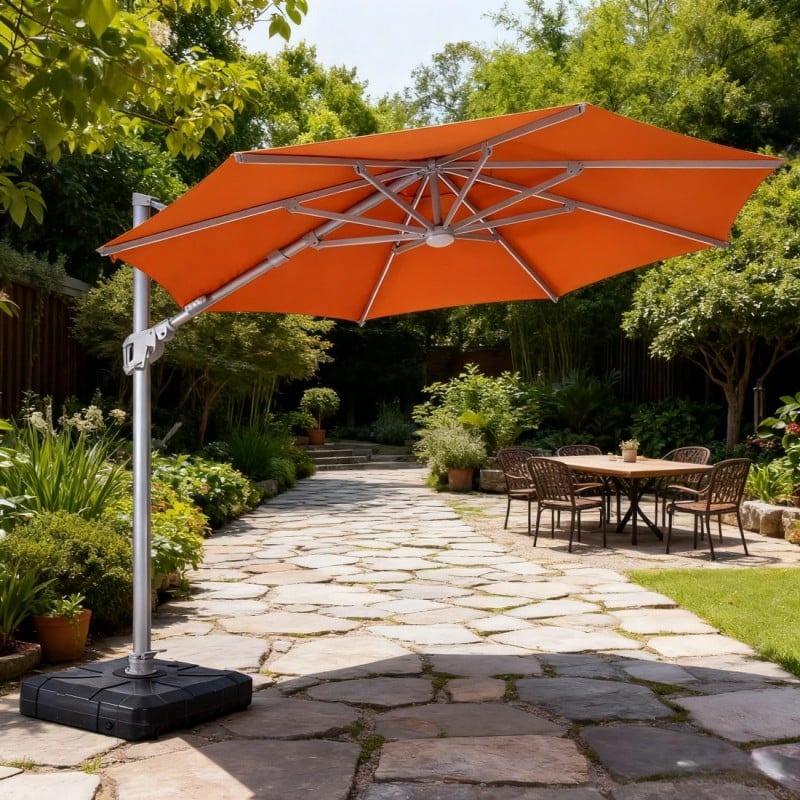
The decision between different garden umbrellas becomes more complex when you consider that initial purchase price represents only one component of total ownership cost. Professional landscape designers and property managers recognize that the intersection of these three factors determines whether your umbrella investment delivers expected performance over multiple seasons. Understanding how cost, durability, and style considerations influence each other enables informed decision-making that aligns with both immediate budget constraints and long-term outdoor space objectives.
Cost Analysis Framework for Garden Umbrellas
Initial Investment Considerations
The upfront cost of garden umbrellas varies significantly based on construction materials, size specifications, and mechanical complexity. Basic market garden umbrellas typically start around fifty dollars for simple tilt models, while premium cantilever designs can exceed several hundred dollars. However, focusing solely on initial purchase price overlooks critical cost factors that emerge during the umbrella's operational lifespan.
Material composition directly influences pricing structures across different garden umbrella categories. Aluminum frame construction generally costs more than steel alternatives initially, but the corrosion resistance properties may justify the premium over time. Similarly, solution-dyed acrylic fabrics command higher prices than polyester options, yet their fade resistance and weather durability often provide superior long-term value.
Size specifications create another cost variable that buyers must evaluate carefully. Larger garden umbrellas require more robust engineering, heavier-duty hardware, and additional fabric coverage, all contributing to higher manufacturing costs. However, the cost per square foot of coverage often decreases with larger umbrella sizes, making them more economical for extensive outdoor areas.
Ongoing Maintenance and Replacement Expenses
Total cost of ownership extends well beyond initial purchase price to include maintenance requirements, replacement components, and eventual umbrella replacement. Garden umbrellas exposed to harsh weather conditions may require fabric replacement every three to five years, depending on material quality and usage patterns. Professional-grade garden umbrellas often feature replaceable canopy systems that extend overall product lifespan while managing ongoing costs.
Seasonal storage represents another cost consideration that varies based on umbrella design and local climate conditions. Cantilever garden umbrellas may require professional disassembly and storage services, while smaller market umbrellas can be stored more easily by homeowners. Storage costs become particularly significant for commercial properties managing multiple umbrella installations across extensive outdoor areas.
Insurance considerations also influence total ownership costs, especially for commercial installations. Wind damage claims involving garden umbrellas can impact property insurance premiums, making investment in higher-quality, wind-resistant models financially prudent. Some insurance providers offer premium reductions for properties using certified wind-resistant umbrella systems in hurricane-prone regions.
Durability Assessment Criteria
Frame Construction and Material Performance
Frame durability determines the structural integrity and operational lifespan of garden umbrellas under various environmental stresses. Aluminum frames offer excellent corrosion resistance and lightweight properties, making them suitable for coastal installations where salt exposure threatens steel alternatives. However, aluminum's flexibility under wind loads requires careful engineering to prevent fatigue failures at connection points.
Steel frame construction provides superior strength characteristics for large garden umbrellas but demands protective coatings to prevent rust formation. Powder-coated finishes offer better durability than painted surfaces, while stainless steel hardware ensures long-term reliability in high-corrosion environments. The additional weight of steel frames can provide stability benefits in moderate wind conditions but may complicate installation and adjustment procedures.
Joint design and hardware quality significantly impact overall durability performance. Garden umbrellas utilizing reinforced pivot points, heavy-duty springs, and corrosion-resistant fasteners demonstrate superior longevity compared to models using standard hardware components. Professional-grade installations often specify commercial-rated hardware that exceeds residential durability standards.
Fabric Durability and Weather Resistance
Canopy fabric selection directly influences the practical lifespan and maintenance requirements of garden umbrellas. Solution-dyed acrylic fabrics maintain color stability and resist fading significantly better than piece-dyed alternatives when exposed to intense ultraviolet radiation. This durability advantage becomes particularly important for garden umbrellas installed in high-sun exposure locations.
Water resistance characteristics affect both fabric longevity and user comfort during unexpected weather changes. Garden umbrellas featuring water-repellent treatments shed moisture effectively, reducing the risk of mold and mildew formation that can compromise fabric integrity. However, these treatments require periodic renewal to maintain effectiveness throughout the umbrella's operational life.
Wind resistance capabilities vary dramatically between different fabric constructions and attachment methods. Vented canopy designs allow wind pressure to escape, reducing structural stress on frame components while maintaining effective shade coverage. Garden umbrellas without proper wind management features may experience premature fabric tearing or frame damage during moderate wind events.
Style Integration and Design Considerations
Aesthetic Compatibility with Outdoor Spaces
Style selection for garden umbrellas requires careful consideration of existing outdoor design elements, architectural features, and landscape characteristics. Traditional market-style garden umbrellas complement classic patio furniture arrangements and formal garden settings, while cantilever designs offer contemporary aesthetics suitable for modern outdoor living spaces. The visual weight and proportions of different umbrella styles must harmonize with surrounding elements to create cohesive outdoor environments.
Color coordination extends beyond simple preference to encompass practical considerations such as heat absorption and fade resistance. Light-colored garden umbrellas reflect solar radiation more effectively, providing cooler shade while reducing thermal stress on fabric materials. However, lighter colors may show dirt and stains more readily than darker alternatives, influencing maintenance requirements and long-term appearance.
Scale relationships between garden umbrellas and surrounding furniture significantly impact overall design success. Oversized umbrellas can overwhelm intimate seating areas, while undersized models may appear inadequate for large dining sets or entertainment areas. Professional designers typically recommend umbrella diameters that extend at least two feet beyond the perimeter of protected furniture arrangements.
Functional Style Features
Tilt mechanisms and adjustment capabilities represent functional style elements that influence both usability and aesthetic appeal. Crank-operated tilt systems provide smooth adjustment while maintaining clean visual lines, whereas push-button mechanisms offer simplicity but may create visual bulk. Garden umbrellas featuring integrated lighting systems combine style enhancement with functional benefits for evening outdoor activities.
Base and mounting options contribute significantly to overall style presentation while affecting stability performance. Decorative umbrella bases can serve as design focal points, while in-ground mounting systems maintain clean sight lines. Cantilever garden umbrellas offer unique styling opportunities through their offset design, allowing furniture placement directly beneath the canopy without base interference.
Customization options enable garden umbrellas to serve as unique design statements while meeting specific functional requirements. Custom fabric colors, patterns, and branding capabilities allow commercial installations to reinforce design themes while residential applications can achieve perfect color coordination with existing outdoor décor elements.
Comparative Decision Framework
Balancing Competing Priorities
Effective comparison of garden umbrellas requires systematic evaluation of how cost, durability, and style priorities interact within specific application contexts. Commercial installations typically prioritize durability and maintenance considerations over initial cost, while residential buyers may emphasize style coordination and reasonable pricing. Understanding these priority relationships guides selection toward options that deliver optimal satisfaction within defined parameters.
Climate conditions significantly influence the relative importance of different comparison factors. Garden umbrellas installed in harsh coastal environments require premium durability features that justify higher initial costs, while protected residential installations can achieve satisfactory performance with more economical options. Wind exposure, sun intensity, and precipitation patterns all affect the durability-cost relationship.
Usage frequency and seasonal patterns also influence comparative evaluation criteria. High-traffic commercial installations benefit from investing in premium garden umbrellas that maintain appearance and functionality under intensive use. Seasonal residential applications may find acceptable performance from moderately-priced options that provide adequate durability for limited annual exposure.
Long-term Value Assessment
Total value delivery encompasses the relationship between all ownership costs and the cumulative benefits received throughout the umbrella's service life. Garden umbrellas providing five to seven years of reliable performance at moderate initial cost often deliver superior value compared to premium models lasting ten years at significantly higher prices. However, this calculation varies based on replacement convenience, disposal costs, and evolving style preferences.
Warranty coverage and manufacturer support services add tangible value that influences long-term cost calculations. Garden umbrellas backed by comprehensive warranties and readily available replacement parts provide ownership security that justifies premium pricing for many buyers. Conversely, models lacking adequate support infrastructure may prove costly despite attractive initial pricing.
Resale potential represents an often-overlooked value component, particularly relevant for commercial properties and homeowners who frequently update outdoor furnishings. High-quality garden umbrellas from recognized manufacturers typically retain value better than generic alternatives, potentially offsetting higher initial investment through eventual resale recovery.
FAQ
What factors most significantly impact the long-term cost of garden umbrellas?
The most significant long-term cost factors include fabric replacement requirements, frame maintenance needs, and potential wind damage repairs. Garden umbrellas with premium fade-resistant fabrics and corrosion-resistant frames typically require less frequent component replacement, reducing total ownership costs despite higher initial investment. Wind resistance capabilities also critically influence long-term costs by preventing expensive structural damage during storms.
How do different frame materials affect both durability and style options?
Aluminum frames offer excellent corrosion resistance and lighter weight, enabling sleek contemporary designs while providing good durability in most environments. Steel frames deliver superior strength for large umbrellas and withstand heavy use better, but require protective coatings and may limit certain style applications due to weight considerations. Fiberglass frames provide excellent flexibility and weather resistance but are typically limited to specific umbrella configurations and style options.
Can garden umbrellas provide adequate durability in harsh weather conditions?
Yes, properly selected garden umbrellas can provide adequate durability in harsh conditions when matched to specific environmental challenges. Coastal installations require corrosion-resistant materials and wind-rated designs, while high-UV environments demand solution-dyed fabrics and reinforced canopy construction. However, extreme weather conditions may require seasonal removal or specialized commercial-grade umbrellas to achieve acceptable durability performance.
How important is style compatibility compared to functional performance?
Style compatibility significantly impacts user satisfaction and property aesthetics, but should complement rather than override functional performance requirements. Garden umbrellas that fail to provide adequate sun protection, weather resistance, or operational durability will disappoint regardless of attractive appearance. The most successful installations achieve both style harmony and functional excellence through careful selection based on specific application requirements and environmental conditions.
Table of Contents
- Cost Analysis Framework for Garden Umbrellas
- Durability Assessment Criteria
- Style Integration and Design Considerations
- Comparative Decision Framework
-
FAQ
- What factors most significantly impact the long-term cost of garden umbrellas?
- How do different frame materials affect both durability and style options?
- Can garden umbrellas provide adequate durability in harsh weather conditions?
- How important is style compatibility compared to functional performance?