 EN
EN
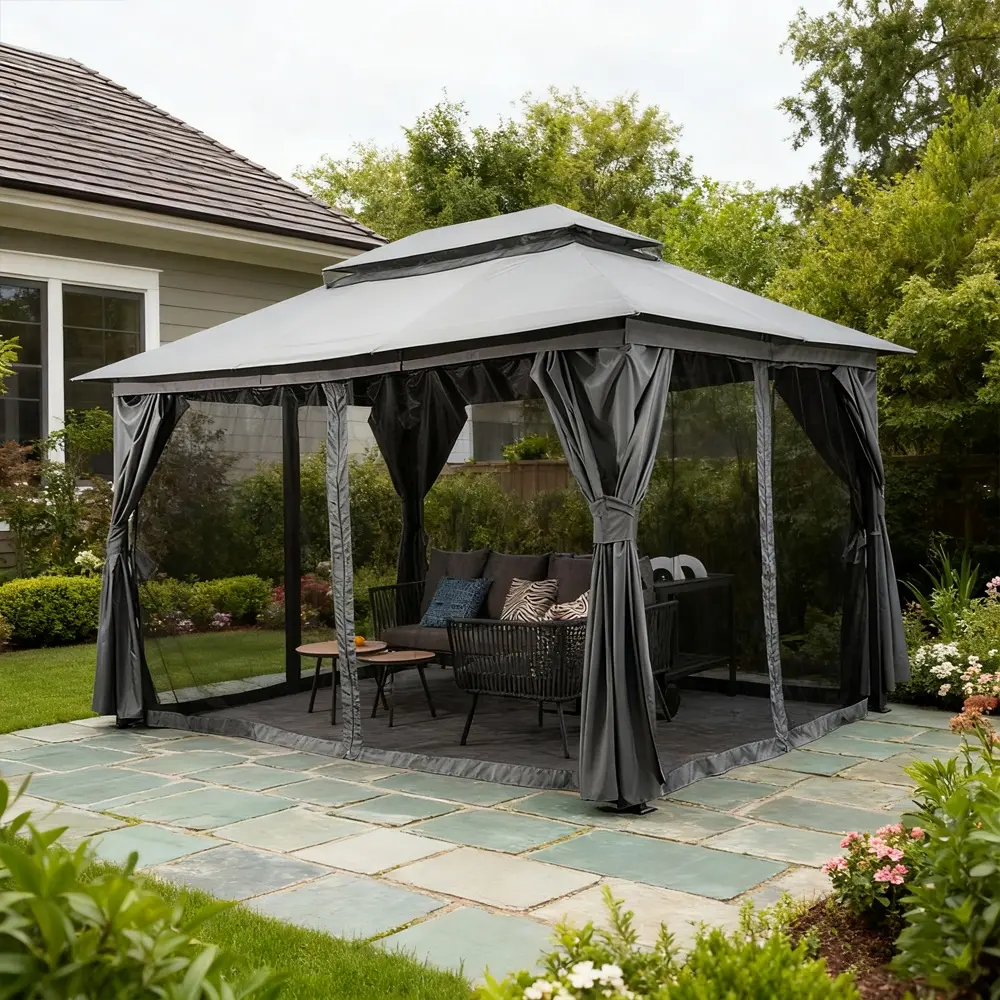
When evaluating outdoor shelter options, an aluminum gazebo consistently stands out for its exceptional balance of strength, weather resistance, and long-term value. Unlike wood or steel alternatives, an aluminum gazebo resists rust, warping, and rot, making it a practical choice for homeowners and commercial property managers alike. Understanding what contributes to aluminum gazebo durability helps you make a confident, informed investment.
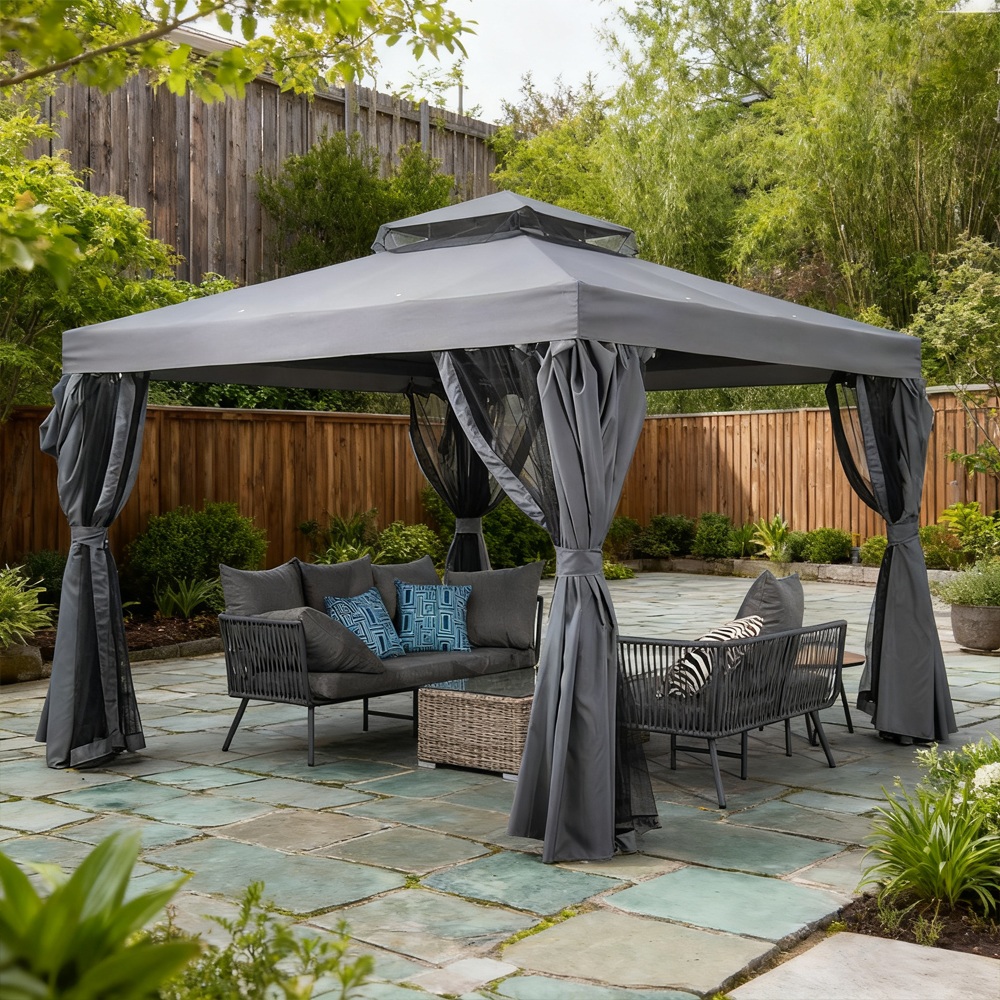
An aluminum gazebo is not just a decorative addition to your outdoor space. It is a structural investment that should withstand years of exposure to sun, rain, wind, and temperature shifts. This article breaks down the key durability factors every buyer should understand before purchasing an aluminum gazebo for residential or commercial use.
Core Material Properties of an Aluminum Gazebo
Why Aluminum Outperforms Other Frame Materials
The primary reason an aluminum gazebo performs so well over time is the inherent nature of aluminum as a material. Aluminum does not rust, which immediately gives it a significant advantage over steel frames in humid or coastal environments. An aluminum gazebo maintains its structural integrity even after prolonged exposure to moisture, salt air, and rain without requiring constant protective coatings or treatments.
Aluminum is also significantly lighter than steel, which reduces stress on mounting points and makes the aluminum gazebo easier to install and reposition if needed. Despite its lighter weight, a properly engineered aluminum gazebo frame can support heavy fabric canopies, curtain systems, and even moderate snow loads depending on the profile thickness. The combination of low weight and high corrosion resistance makes aluminum an ideal frame material for outdoor structures.
Frame Thickness and Profile Grade
Not all aluminum gazebo products are built to the same structural standard. Frame thickness plays a critical role in how well an aluminum gazebo withstands wind pressure and physical load. Thicker wall profiles, typically measured in millimeters, indicate greater rigidity and resistance to bending or deformation under stress. When evaluating an aluminum gazebo, always check the profile dimensions and wall thickness specified by the manufacturer.
The alloy grade of the aluminum also matters. Higher-grade aluminum alloys offer improved tensile strength and resistance to fatigue over time. A well-built aluminum gazebo uses an alloy that balances workability during manufacturing with superior performance in outdoor conditions. Buyers who overlook these technical specifications often end up with an aluminum gazebo that performs poorly after just a few seasons.
Weather Resistance and Structural Performance
How an Aluminum Gazebo Handles Wind and Rain
An aluminum gazebo must be able to handle real-world weather conditions reliably. Wind resistance is one of the most important performance criteria for any aluminum gazebo installed in an exposed garden, terrace, or commercial patio area. Structural joints, cross-bracing design, and anchoring systems all contribute to how well an aluminum gazebo performs under wind load. Gazebos with robust corner connectors and reinforced joint systems naturally perform better than those with minimal fastening methods.
Rain resistance in an aluminum gazebo depends on both the frame and the roof fabric or panel used. Aluminum frames do not absorb water or swell, which means the structural shape of an aluminum gazebo remains consistent through wet and dry cycles. However, the roof canopy material, drainage design, and seam quality also influence how effectively the aluminum gazebo keeps occupants dry. Double-layer fabric roofs, as seen in many premium aluminum gazebo models, provide enhanced waterproofing and better insulation against heat.
UV Exposure and Surface Finish Longevity
Surface finish is a key durability factor that many buyers underestimate when choosing an aluminum gazebo. Powder-coated finishes applied to an aluminum gazebo frame provide a durable barrier against UV degradation, scratching, and surface oxidation. A high-quality powder coat on an aluminum gazebo maintains its color and surface integrity far longer than paint or anodized finishes under constant sun exposure.
Over time, cheaper surface treatments on an aluminum gazebo may chip, fade, or peel, exposing the bare metal to environmental elements. While bare aluminum will not rust, oxidation can create a dull, chalky appearance that reduces the visual appeal of the aluminum gazebo. Selecting an aluminum gazebo with a thick, evenly applied powder coat ensures the structure remains attractive and protected throughout its service life.
Long-Term Maintenance and Practical Ownership
Routine Care That Extends Aluminum Gazebo Lifespan
One of the most appealing aspects of owning an aluminum gazebo is how little maintenance it requires compared to wood or wrought iron structures. An aluminum gazebo does not need annual staining, painting, or sealing to stay structurally sound. Periodic cleaning with mild soap and water is usually sufficient to keep an aluminum gazebo looking its best year-round.
Even so, certain routine checks help preserve the longevity of an aluminum gazebo. Inspecting connection points and fasteners annually ensures the aluminum gazebo remains structurally stable, especially after severe weather events. Cleaning the roof canopy of an aluminum gazebo regularly prevents debris accumulation that could cause premature fabric wear or drainage blockages.
Replacement Parts and Modular Design Value
A durable aluminum gazebo is also designed with practical serviceability in mind. Modular aluminum gazebo designs allow individual components such as roof panels, curtain tracks, or connectors to be replaced without discarding the entire structure. This extends the effective lifespan of the aluminum gazebo significantly and reduces the total cost of ownership over many years.
When the fabric roof of an aluminum gazebo eventually shows wear, replacing only the canopy while retaining the aluminum frame is far more economical than purchasing a new unit. Buyers who plan for long-term ownership should prioritize aluminum gazebo models that offer accessible spare parts and clear assembly documentation. This forward-thinking approach to aluminum gazebo selection pays off substantially over a multi-year ownership period.
FAQ
How long does an aluminum gazebo typically last?
A well-constructed aluminum gazebo with a quality powder-coated finish can last ten years or more with minimal maintenance. The aluminum frame itself is highly resistant to corrosion and structural fatigue, meaning the aluminum gazebo frame often outlasts the fabric canopy components. Regular cleaning and annual inspections further extend the aluminum gazebo lifespan.
Can an aluminum gazebo withstand strong winds?
An aluminum gazebo designed with reinforced joints, cross-bracing, and proper ground anchoring can handle moderate to strong wind conditions effectively. The specific wind resistance rating depends on the aluminum gazebo model, frame profile thickness, and how securely it is anchored to the ground. Always follow manufacturer anchoring guidelines to ensure the aluminum gazebo performs safely in high-wind environments.
Is an aluminum gazebo suitable for year-round outdoor use?
Yes, an aluminum gazebo is well-suited for year-round use in most climates. The aluminum frame resists moisture, temperature fluctuation, and UV exposure without degrading. In regions with heavy snow, verify that the specific aluminum gazebo model has a load rating appropriate for your local snow conditions before leaving it installed through winter months.