
 EN
EN
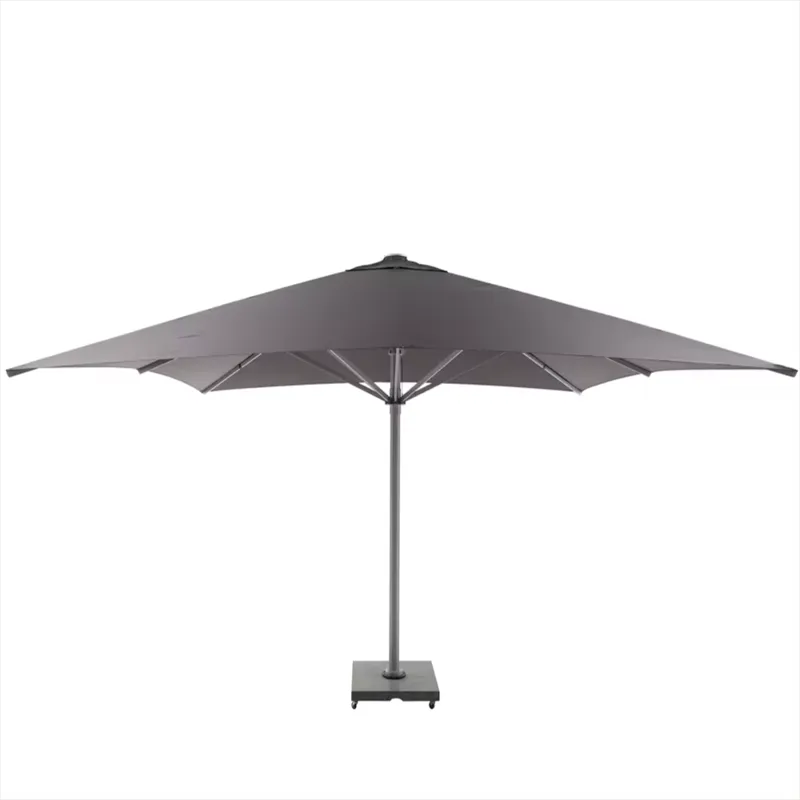
لقد شهدت المناظر الطبيعية التجارية الخارجية تحولاً دراماتيكياً في السنوات الأخيرة، ويُعَدُّ الطلب المتزايد على الهياكل التي تجمع بين المتانة والجماليات والذكاء الوظيفي في صميم هذا التحوُّل. خيمة الألمنيوم لم تعد المظلة الخارجية مجرد هيكلٍ لتوفير الظل فحسب، بل تطورت لتصبح أصلاً معماريًّا استراتيجياً تستخدمه الشركات لتحديد تجارب العلامة التجارية في الأماكن المفتوحة، وزيادة المساحة القابلة للاستخدام، وجذب العملاء والاحتفاظ بهم في الأسواق التنافسية. ومن أسطح الفنادق وفناءات المطاعم إلى المحال المؤقتة في قطاع التجزئة ومساحات الفعاليات المؤسسية، برزت المظلة الألومنيومية كهيكلٍ مفضَّلٍ لدى المشغلين الذين يحتاجون أداءً تجارياً عالي الجودة دون التنازل عن الجاذبية البصرية.
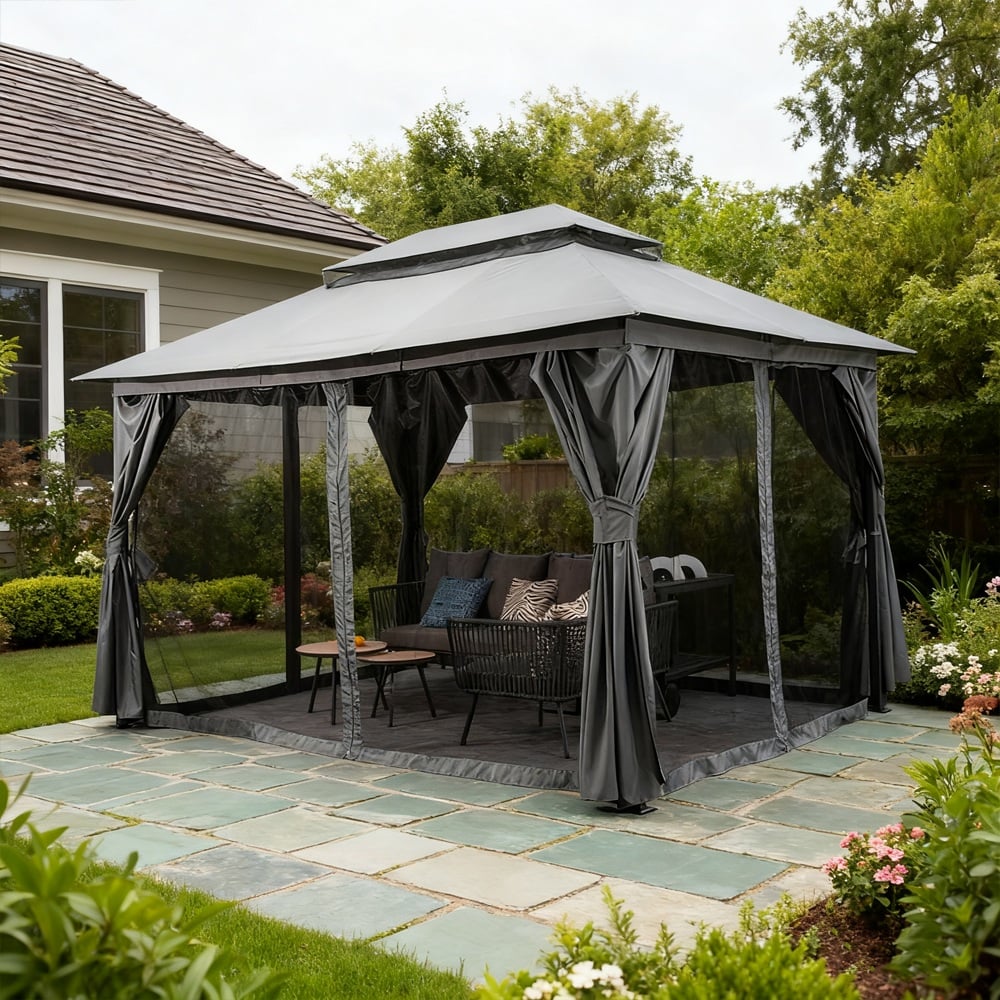
يتطلب فهم كيفية ترجمة الابتكارات في قطاع المظلات الألومنيومية إلى نتائج تجارية مُحسَّنة بدقة إلقاء نظرة أقرب على هندسة المواد، وتنوع التصاميم، ومنطق التركيب، والعوامل التجريبية التي تؤثر في طريقة إدراك الضيوف والعملاء للمساحات الخارجية واستخدامها. ويستعرض هذا المقال أبرز الابتكارات التي تقود هذه التحوُّلات، ويوضِّح سبب اتجاه مشغِّلي المشاريع التجارية المتقدِّمة نحو الاستثمار المتزايد في حلول المظلات الألومنيومية المتطوِّرة للاستفادة من ميزة تنافسية قابلة للقياس.
الأُسس الهندسية الكامنة وراء الألومنيوم الحديث غازبو التصميم
إعادة تعريف السلامة الإنشائية من خلال تطوُّر السبائك
اعتمدت أقدم هياكل المظلات المتاحة للاستخدام التجاري بشكل كبير على الفولاذ أو الخشب، وكلاهما شكّل تحديات كبيرة من حيث الوزن والصيانة والكفاءة التكلفة على المدى الطويل. وقد غيّرت تركيبات سبائك الألومنيوم الحديثة — ولا سيما تلك المستخدمة في ملفات الألومنيوم المقذوفة — المعادلة جذريًّا. فهياكل المظلات المصنوعة من الألومنيوم اليوم مُصمَّمة لتوفير مقاومة شدٍّ تُعادل مقاومة المعادن الأثقل، مع خفض الوزن الإنشائي بنسبة تصل إلى ثلثيْه. ويكتسب هذا الأمر أهمية بالغة في السياقات التجارية، حيث يجب أن تستوفي متطلبات التحميل على الأسطح المرتفعة، أو المنصات العائمة، أو الساحات الأرضية شروط السلامة الصارمة ومتطلبات الترخيص.
لقد ساهمت عمليات الطلاء بالبودرة المتقدمة والأنودة في تمديد عمر المظلة الألومنيوم التشغيلي بشكل أكبر، ما أدى إلى إنشاء أسطح مقاومة لتدهور الأشعة فوق البنفسجية، والتآكل الناتج عن الملح، وتقلبات درجات الحرارة. ولمشغِّلي قطاع الضيافة في البيئات الساحلية أو ذات الرطوبة العالية، فإن هذا المستوى من متانة المادة يعني هيكلًا يحافظ على سلامته الجمالية لسنوات عديدة من التعرُّض الخارجي المستمر. وبات التصميم الهندسي لا يطلب من المشغِّلين الاختيار بين الجمال والأداء بعد الآن — فتصميم المظلات الحديثة المصنوعة من الألومنيوم يوفِّر كليهما في آنٍ واحد.
الهندسة المعيارية والتكوينات القابلة للتوسُّع
يُعَدُّ تطوير أنظمة الإطارات القابلة للتعديل والتوسيع في هندسة المظلات الألومنيومية واحدةً من أبرز الابتكارات ذات الأهمية التجارية الكبيرة. فعلى عكس الهياكل الخشبية أو الفولاذية الملحومة ذات الأبعاد الثابتة، يمكن تكوين مظلة ألومنيوم حديثة بتركيبات متعددة للأحجام دون الحاجة إلى قوالب إنتاج مختلفة تمامًا. ويتيح هذا النهج القابل للتعديل للمشترين التجاريين تحديد هياكل تتناسب بدقة مع القيود المكانية المحددة — سواءً كانت لتغطية ممر ضيق على التراس، أو فناء مربّع الشكل، أو محيط سطح غير منتظم.
إن الآثار المترتبة على تصميم تجربة العملاء في المجال التجاري كبيرةٌ جدًّا. فعلى سبيل المثال، يمكن لمطعم أن يبدأ باستخدام وحدة واحدة من مظلات الألمنيوم المفتوحة لإنشاء منطقة للجلوس في الهواء الطلق، ثم يوسع تدريجيًّا المنطقة المغطاة كلما زاد الطلب على خدماته. كما يمكن لعلامة تجارية تجزئة أن تُطبِّق تكوينًا قياسيًّا لمظلات الألمنيوم المفتوحة عبر مواقع متعددة للحفاظ على التناسق البصري دون التضحية بالمرونة في التكيُّف مع خصوصيات كل موقع. وباتت القابلية للتوسُّع ليست مجرد ميزة مرغوبة في التخطيط التجاري للمساحات الخارجية، بل أصبحت شرطًا أساسيًّا، وتلبّي هندسة المظلات المعيارية المصنوعة من الألمنيوم هذه الحاجة مباشرةً.
ابتكارات في التغطيات والأسقف التي تعيد تحديد مفهوم الراحة في المساحات الخارجية
أسقف قماشية ذات طبقتين لتكيُّف مناخي فعّال
تُعَدّ تكنولوجيا السقف على الأرجح المجال الذي شهد أكبر قدرٍ من الابتكارات المرئية في تطوير المظلات الألومنيومية الحديثة. وتمثل أنظمة الأسقف المزدوجة المصنوعة من القماش قفزةً نوعيةً كبيرةً جدًّا بالنسبة إلى المشغلين التجاريين الذين يسعون إلى تمديد الفترة الزمنية التي يمكن استخدام المساحات الخارجية فيها. وفي التكوين ذي الطبقتين، توفر الطبقة الخارجية من القماش الحماية الأساسية من الأمطار والإشعاع الشمسي المباشر، بينما تشكّل الطبقة الداخلية منطقة عازلة حراريًّا تقلّل انتقال الحرارة إلى الفراغ المأهول الموجود في الأسفل. والنتيجة المترتبة على هذا التكامل هي بيئة أكثر برودةً وراحةً بشكلٍ ملحوظٍ خلال ساعات الذروة الصيفية — وهي عاملٌ بالغ الأهمية بالنسبة إلى قطاع الضيافة، حيث يؤثر راحة الضيوف تأثيرًا مباشرًا على حجم الإنفاق ومدة التواجد.
السوق خيمة الألمنيوم مع سقف مزدوج من القماش ونظام ستائر مدمج، يوفّر هذا الحل لمشغّلي القطاع التجاري درجة استثنائية من التحكم في المناخ دون الحاجة إلى بنية تحتية دائمة لأنظمة تكييف الهواء والتبريد. ويمكن سحب ألواح الستائر للتحكم في التعرّض للرياح، أو إنشاء خصوصية بصرية، أو تحديد مناطق مُفصَّلة داخل مساحة خارجية أكبر. ويُغيّر هذا المستوى من التحكم البيئي جذريًّا الطريقة التي يمكن بها للشركات برمجة مساحاتها الخارجية واستثمارها ماليًّا في أوقات مختلفة من اليوم، وفي الفصول المختلفة، وأنواع الفعاليات المُختلفة.
أنظمة مدمجة لإدارة المياه الجارية، والمجاري المطرية، والطقس
تتضمن هياكل المظلات المصنوعة من الألومنيوم ذات الدرجة التجارية بشكل متزايد قنوات تصريف مهندسة مدمجة مباشرةً في ملف التعريف الهيكلي نفسه. وبدلًا من الاعتماد على حلول التصريف الثانوية التي تُضاف بعد التركيب، فإن مقاطع الألومنيوم المقذوفة التي تشكّل العارضة المحيطية للهيكل تؤدي وظيفتين في آنٍ واحد: دعم حمل السقف، وتوجيه مياه الأمطار بعيدًا عن المنطقة المشغولة الموجودة أسفلها. ويؤدي هذا الدمج التصميمي إلى القضاء على تجمّع المياه الراكدة، وتقليل متطلبات الصيانة، وضمان استمرار الهيكل في أداء وظيفته بكفاءة حتى أثناء هطول الأمطار الغزيرة.
بالنسبة للمشغلين الذين يديرون أماكن تناول الطعام في الهواء الطلق أو المساحات المخصصة للفعاليات، فإن القدرة على البقاء مفتوحًا أثناء هطول أمطار خفيفة إلى متوسطة دون إحداث أي إزعاج للضيوف تُعد آلية مباشرة لحماية الإيرادات. ويمكن للكابينة الألومنيوم المزودة بنظام أرضيات مُحكمة الإغلاق وسقف مائل أن تمدّ فعليًّا ساعات تقديم الخدمة في الهواء الطلق لتشمل ظروف الطقس التي كانت ستتطلب عادةً الإغلاق. وقد يكون العائد التجاري الناتج عن هذه الميزة الهندسية الواحدة كبيرًا جدًّا عند حسابه استنادًا إلى الساعات المُستعادة من الإيرادات خلال موسم تشغيل كامل.
الابتكار الجمالي ومواءمة تجربة العلامة التجارية
التخصيص كأداة تصميم تجارية
تُعبِّر اللغة البصرية لمساحة تجارية خارجية عن قيم العلامة التجارية قبل أن يتفاعل العميل مع الموظفين أو المنتجات أو القوائم. ويصبح البرج الألومنيومي، الذي تم اختيار تشطيبه وأقمشته وتناسق أبعاد هيكله بعناية، تجسيدًا ماديًّا لهوية العلامة التجارية. وتقدِّم شركات تصنيع الأبراج الألومنيومية اليوم مجموعة واسعة من خيارات ألوان الطلاء الكهروستاتيكي (البودرة)، و(palettes) ألوان الأقمشة، والهندسات البارزة للإطارات، ما يسمح للمشترين التجاريين بتحديد هياكل تندمج بسلاسة مع المفردات المعمارية القائمة أو تُنشئ مَراجع علامة تجارية جديدة في الفضاء الخارجي.
يتعامل مصممو قطاع الضيافة، ومدراء العلامات التجارية في قطاع التجزئة، وفرق المرافق المؤسسية بشكل متزايد مع المظلة الألومنيومية باعتبارها لوحة فنية تُرسم عليها التصاميم بدلًا من كونها سلعةً جاهزة. ويمكن مطابقة لون الإطار مع إرشادات الهوية البصرية للشركة. كما يمكن توفير أقمشة السقف والستائر بلونٍ يتماشى مع هوية العلامة التجارية أو بلمسات محايدة تكمل عناصر المناظر الطبيعية المحيطة. أما الشكل العام للمظلة — سواء كان ذا سقف مائل أو مسطح أو متعدد القمم — فيمكن اختياره بحيث يتناغم مع البيئة العمرانية المحيطة أو يتناقض معها عمداً. ويؤدي هذا المستوى من الاهتمام الجمالي المتعمَّد إلى رفع التجربة التجارية الخارجية من مجرد وظيفيةٍ بحتة إلى تجربةٍ لا تُنسى حقاً.
دمج الإضاءة والتكنولوجيا داخل الإطار الألومنيومي
أدت الابتكارات الهيكلية في تصميم المظلات الألومنيومية إلى إنشاء مسارات طبيعية لدمج التكنولوجيا، وهي مسارات لم تكن ممكنة إطلاقاً باستخدام المواد المستخدمة في الأجيال السابقة. ويمكن للملفات الألومنيومية المجوفة الحديثة أن تستوعب داخل هيكلها نفسه قنوات الكهرباء، والإضاءة الخلفية من نوع LED، وأسلاك السماعات، وكابلات أجهزة الاستشعار — ما يُنتج نتائج بصرية أنيقة وخالية من الفوضى، وتبدو مُخطَّطة معماريًّا بدقةٍ بدلًا من أن تبدو عفوية أو غير مدروسة. كما أن الإضاءة المحيطة المدمَّجة داخل المظلة الألومنيومية تحوِّل هذه المساحة من عنصرٍ يستخدم نهارًا فقط إلى وجهةٍ جذَّابةٍ في المساء، مما يوسع بشكلٍ كبيرٍ من الإمكانيات التجارية لتحقيق الإيرادات.
وبالنسبة لمشغلي الفعاليات وقطاع الضيافة على وجه الخصوص، لم يعد القدرةُ على توفير مساحة خارجية مُضاءة جيدًا، ومُميَّزة بالعلامة التجارية، ومُجهَّزة تكنولوجيًّا عامل تميُّزٍ فاخرًا فحسب، بل أصبحت تُعدُّ توقُّعًا أساسيًّا لوضع العلامة في السوق الراقي. ويوفِّر المظلة الألومنيومية المنصة البنائية التي تُمكِّن من تقديم جميع هذه الطبقات التجريبية وصيانتها باستمرار على امتداد سنوات التشغيل التجاري.
التركيب والصيانة والتكلفة الإجمالية للملكية
منطق التركيب المبسَّط ومتطلبات الأعمال المدنية المخفَّفة
يتعزَّزُ الجدوى التجارية لسقيفة الألومنيوم بشكلٍ ملحوظٍ عندما تُؤخذ كفاءة التركيب في الاعتبار ضمن حساب الاستثمار الكلي. وقد صُمِّمت أنظمة السقيفات الحديثة المصنوعة من الألومنيوم لتجميعٍ سريعٍ باستخدام وصلات قياسية، ومقاطع مثقوبة مسبقًا، وتسلسل تركيب موثَّقٍ بوضوح. وفي العديد من التكوينات التجارية، يمكن تركيب الهيكل بواسطة فريق صغير خلال يومٍ إلى يومَي عملٍ فقط، مما يقلِّل من انقطاع النشاط التجاري ويحدُّ من حصة العمالة في تكاليف المشروع. وهذه الميزة الزمنية مقارنةً بالبدائل القائمة على الحجر أو التصنيع الفولاذي تكتسب أهميةً خاصةً للمشغلين الذين يعملون ضمن جداول زمنية ضيقة للتجديد.
بما أن برج السقف المصنوع من الألومنيوم هو هيكل مستقل أو مثبت بشكل طفيف في معظم التكوينات، فإن متطلبات الهندسة المدنية تكون أخف بكثير مقارنةً بالبناء الدائم. وفي العديد من الولايات القضائية، يؤدي هذا التمييز أيضًا إلى تبسيط عملية الحصول على التصاريح، ما يسمح للمشغلين التجاريين بالانتقال من مرحلة تحديد المواصفات إلى مرحلة الشغل بشكل أسرع مما كان ممكنًا باستخدام نهج بناء أكثر تعديًا. أما بالنسبة لمشغلي الأعمال الذين يعملون بموجب عقود إيجار أو في بيئات تجارية مؤقتة، فإن الطابع غير الدائم لبرج السقف المصنوع من الألومنيوم يشكّل في حد ذاته ميزة استراتيجية.
بساطة الصيانة والكفاءة التكلفة على المدى الطويل
تُعَد تكلفة دورة الحياة عاملًا حاسمًا لأي هيكل تجاري، وتتفوق مظلة الألمنيوم بشكلٍ ملحوظ في جميع أبعاد الملكية طويلة المدى تقريبًا. فعلى عكس الخشب، لا يتطلب الألمنيوم أي صبغٍ أو تغليفٍ أو معالجةٍ لحمايته من التحلل البيولوجي. وعلى عكس الفولاذ، فإن هيكل مظلة الألمنيوم المُنتهي بتشطيبٍ سليمٍ لا يصدأ ولا يحتاج إلى إعادة طلاء دوريٍّ لمنع التآكل السطحي. أما متطلبات الصيانة فهي عادةً محدودةٌ بغسل أسطح الهيكل دوريًّا وفحص المكونات القماشية — وهي مهام يمكن أن يؤديها موظفو الصيانة الاعتياديون في المرافق دون الحاجة إلى مقاولين متخصصين.
عندما يحسب المشغلون التجاريون التكاليف التي يتم تجنبها في صيانة الخشب، وتكاليف معالجة التآكل المعتادة في الهياكل الفولاذية، والعمالة المرتبطة بالصيانة الدورية، فإن إجمالي تكلفة امتلاك برجولة ألومنيوم على مدى دورة عمر تجارية مدتها عشر سنوات يكون غالبًا أقل بكثير مما توحي به مقارنة التكلفة الرأسمالية الأولية وحدها. وهذه الحقيقة الاقتصادية تزداد إدراكًا لها من قِبل متخذَي قرارات الشراء الذين يقيّمون النفقات الرأسمالية على أساس دورة الحياة الكاملة وليس على أساس سعر الشراء فقط.
سيناريوهات التطبيق التي تحقّق فيها هياكل البرجولات الألومنيوم أكبر تأثير تجاري
بيئات الضيافة وقطاع المطاعم والمشروبات
تمثل قطاعات المطاعم والمقاهي والفنادق ربما السياق التطبيقي الأكثر كثافةً لنشر المظلات التجارية المصنوعة من الألومنيوم. وفي هذه البيئات، يُترجم القدرة على استقبال الضيوف في الهواء الطلق — وبشكلٍ ثابت ومريح وضمن إعداد بصريٍ أنيق — مباشرةً إلى عدد الأشخاص الذين يتم خدمتهم، والمتوسط الحسابي للإنفاق لكل ضيف، والسُّمعة العامة للموقع. وتُشكِّل المظلة المصنوعة من الألومنيوم غرفةً خارجيةً مُعرَّفةً تُوفِّر الحماية دون عزل، مع الحفاظ على الاتصال الحسي بالبيئة الخارجية التي يبحث عنها الضيوف، مع إدارة المتغيرات العملية المتعلقة بالطقس والخصوصية والضوضاء.
تُبلغ الفنادق التي تُركّب هياكل المظلات الألومنيومية على أسطح المسابح أو في بارات الأسطح أو مناطق تناول الطعام في الحدائق عن تحسّنٍ ملموسٍ في معدلات استغلال المرافق ونتائج رضا الضيوف. وتُحقّق المظلة الألومنيومية زيادةً فعّالةً في المساحة المربعة المنتجة للممتلكات دون تكاليف أو اضطرابات البناء المرتبطة بإنشاء امتداد دائم — ما يجعلها واحدةً من أكثر الاستثمارات الرأسمالية عائدًا بالنسبة لمدراء أصول القطاع الفندقي.
السياقات التجارية للتجزئة والشركات والفعاليات
وبعيدًا عن قطاع الضيافة، حقّقت المظلة الألومنيومية انتشارًا تجاريًّا قويًّا في مجالات تفعيل قطاع التجزئة، وتخطيط الحرم الجامعي المؤسسي، وبنيّة تحتية لمرافق الفعاليات. وتستخدم علامات التجزئة هياكل المظلات الألومنيومية لإنشاء تجارب علامة تجارية خارجية واضحة المعالم في المواقع ذات الكثافة العالية من الزوار، وفعاليات إطلاق المنتجات، والحملات الموسمية. ويجعل الجمع بين التأثير البصري القوي، والتركيب السريع، والتخصيص حسب العلامة التجارية من المظلة الألومنيومية أداةً جذّابةً ضمن أدوات التجزئة التجريبية.
لقد اعتمدت الحرم الجامعيّة والمرافق المؤسسية بشكل متزايد تركيبات المظلّات الألومنيومية كمناطق خارجية شبه دائمة للاجتماعات والأنشطة الاجتماعية، مما يسهم في رفاهية الموظفين وجاذبية مكان العمل. وتستخدم أماكن الفعاليات هياكل المظلّات الألومنيومية لإنشاء مناطق خارجية فاخرة يمكن تهيئتها وتعديل تصميمها وإعادة وضعها وفقًا لمختلف تنسيقات الفعاليات. وفي كلٍّ من هذه السياقات، تُحقِّق المظلّة الألومنيومية قيمة تجارية بالضبط لأنها تجمع بين الدوام المعماري والقابلية العالية للتكيف التي تتميز بها البنية التحتية المؤقتة.
الأسئلة الشائعة
ما الذي يجعل المظلة الألومنيومية أكثر ملاءمةً للاستخدام التجاري مقارنةً بالمواد الأخرى؟
يُوفِر المظلة المصنوعة من الألومنيوم مزيجًا من القوة الإنشائية، ومقاومة التآكل، ومتطلبات الصيانة المنخفضة، والمرونة في التصميم — وهي خصائص لا يمكن لأي هيكل خشبي أو فولاذي أن يجمعها معًا في آنٍ واحد. أما بالنسبة للمشغلين التجاريين، فإن هذه الخصائص تُترجَم إلى تخفيض التكاليف على امتداد دورة الحياة، وأداء جمالي ثابت، وقدرة على تخصيص الهيكل وفقًا لمتطلبات العلامة التجارية، ما يجعل المظلة الألومنيومية الخيار الأكثر عقلانية من الناحية التجارية للاستثمار في الهياكل الخارجية.
كيف يحسّن نظام السقف المكوَّن من طبقتين من القماش تجربة الضيوف في المظلة الألومنيومية؟
يُشكِّل السقف المكوَّن من طبقتين من القماش حاجزًا حراريًّا يقلل انتقال الحرارة إلى المساحة المأهولة، مما يحافظ على برودة المنطقة الواقعة تحت المظلة الألومنيومية بشكل ملحوظ خلال ساعات الذروة الشمسية. وعند دمجه مع قنوات تصريف مدمجة لإدارة مياه الأمطار، يوسع هذا النظام المدة الزمنية والظروف الجوية التي يمكن فيها استخدام المساحة الخارجية براحةٍ — ما يحسّن تجربة الضيوف والإنتاجية التجارية مباشرةً.
هل يمكن توسيع برجولة الألومنيوم أو إعادة تكوينها بعد التركيب الأولي؟
نعم. إن أنظمة البرجولات المصنوعة من الألومنيوم الحديثة، والتي تعتمد على ملفات إضافية وحدوية (مودولارية)، يمكن عادةً توسيعها بإضافة أقسام أو وحدات إضافية باستخدام أنظمة موصلات متوافقة. وتتيح هذه القدرة على التوسع للمشغلين التجاريين البدء بتركيب أصغر حجمًا، ثم توسيع المنطقة الخارجية المغطاة تدريجيًّا مع ازدياد الطلب التجاري، مما يحمي الاستثمار الرأسمالي الأولي مع الحفاظ على المرونة على المدى الطويل.
ما متطلبات الصيانة النموذجية لبرجولة تجارية مصنوعة من الألومنيوم؟
تتطلب المظلة المصنوعة من الألومنيوم المستخدمة تجاريًّا عمومًا تنظيفًا دوريًّا لأسطح الإطار باستخدام منظف لطيف والماء، إلى جانب فحص روتيني لمكونات السقف القماشي والستائر للتحقق من التآكل أو التدهور الناتج عن الأشعة فوق البنفسجية. وعلى عكس البدائل المصنوعة من الخشب أو الفولاذ، لا تتطلب المظلة المصنوعة من الألومنيوم إجراء عمليات إغلاق (سيلاينغ) أو تلوين أو معالجة مقاومة للتآكل — ما يقلل بشكل كبير من تكاليف الصيانة المستمرة وعبء إدارة المرافق على امتداد العمر التشغيلي للمبنى.
جدول المحتويات
- الأُسس الهندسية الكامنة وراء الألومنيوم الحديث غازبو التصميم
- ابتكارات في التغطيات والأسقف التي تعيد تحديد مفهوم الراحة في المساحات الخارجية
- الابتكار الجمالي ومواءمة تجربة العلامة التجارية
- التركيب والصيانة والتكلفة الإجمالية للملكية
- سيناريوهات التطبيق التي تحقّق فيها هياكل البرجولات الألومنيوم أكبر تأثير تجاري
-
الأسئلة الشائعة
- ما الذي يجعل المظلة الألومنيومية أكثر ملاءمةً للاستخدام التجاري مقارنةً بالمواد الأخرى؟
- كيف يحسّن نظام السقف المكوَّن من طبقتين من القماش تجربة الضيوف في المظلة الألومنيومية؟
- هل يمكن توسيع برجولة الألومنيوم أو إعادة تكوينها بعد التركيب الأولي؟
- ما متطلبات الصيانة النموذجية لبرجولة تجارية مصنوعة من الألومنيوم؟